Effect of Substrate Bias on the Microstructure and Properties of CrAlSiN Composite Coatings
Huijin Song, Fan Zhao, Qiang Yan, Xin Zhao, Fan Lei, Ruijun Dong

TL;DR
This paper studies how changing the substrate bias affects the structure and performance of CrAlSiN coatings used in materials science.
Contribution
The study reveals how substrate bias influences the microstructure, roughness, hardness, and adhesion of CrAlSiN nanocomposite coatings.
Findings
CrAlSiN coatings showed a face-centered cubic (fcc) structure with Al and Si atoms dissolved in the CrN phase.
Increasing substrate bias initially improved coating hardness and adhesion but decreased after reaching 100 V.
At 80 V bias, the coating achieved optimal hardness (31.30 GPa) and adhesion (109.26 N).
Abstract
CrAlSiN nanocomposite coatings with different structures were prepared by arc ion plating. The influence of substrate bias on the composition, microstructure and properties of the coating was investigated. The nanocomposite CrAlSiN coatings all had a fcc-(Cr, Al)N phase, where Al atoms and some Si atoms were solid-dissolved in CrN phase and some Si existed in the form of amorphous phase in the coating. The coatings were preferentially grown along the (200) crystal plane. With the increase in substrate bias, the roughness of the coating gradually decreased. When the substrate bias gradually increased to 100 V, the small particles aggregated into large particles, producing more holes, so that the surface roughness of the coating increased. At the same time, with the increase in substrate bias, the hardness and adhesion of the coating first increased and then decreased. When the substrate…
Genes, proteins, chemicals, diseases, species, mutations and cell lines named across the full text — each resolved to its canonical identifier and authoritative record.
Click any figure to enlarge with its caption.
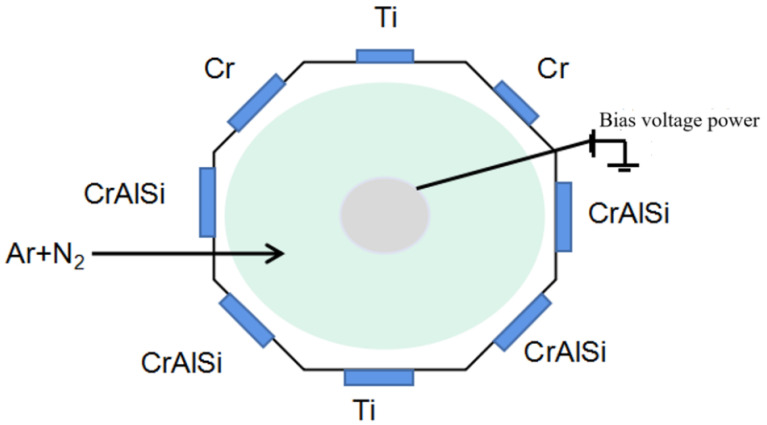 Figure 1
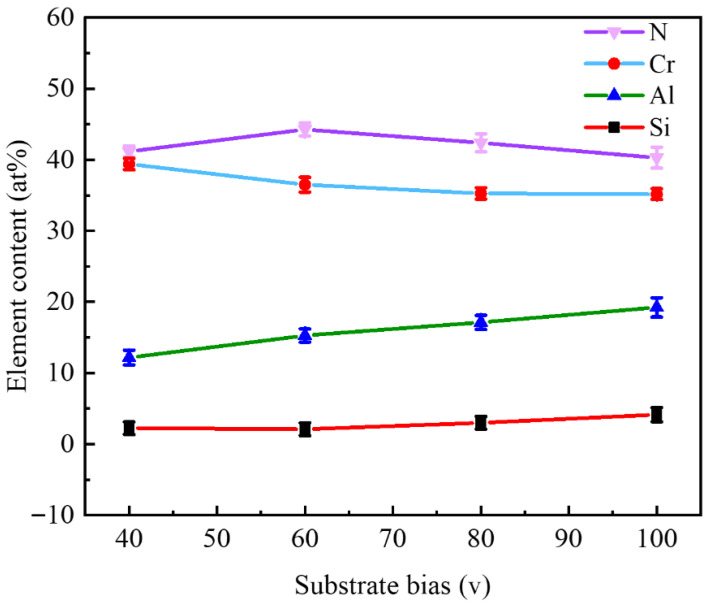 Figure 2
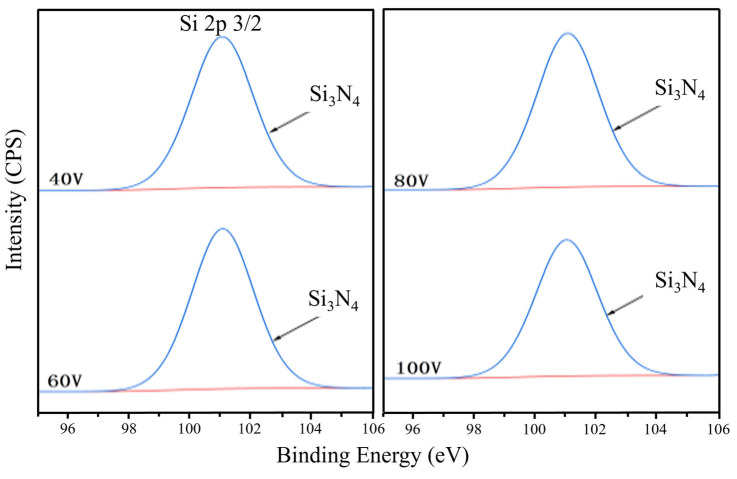 Figure 3
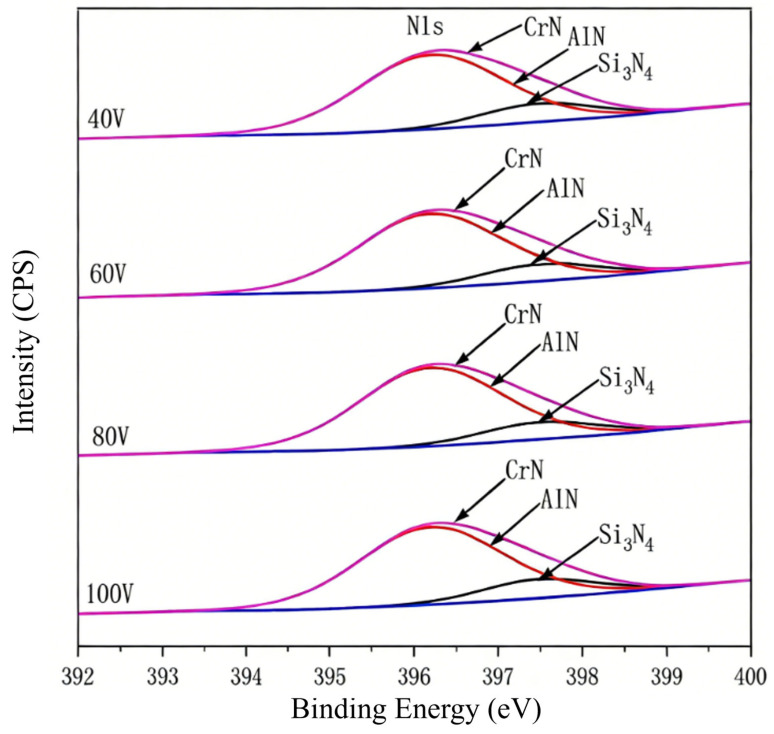 Figure 4
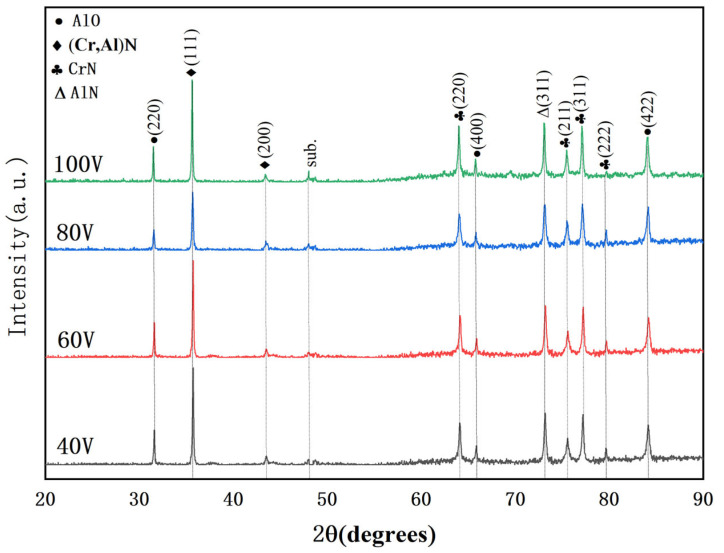 Figure 5
 Figure 6
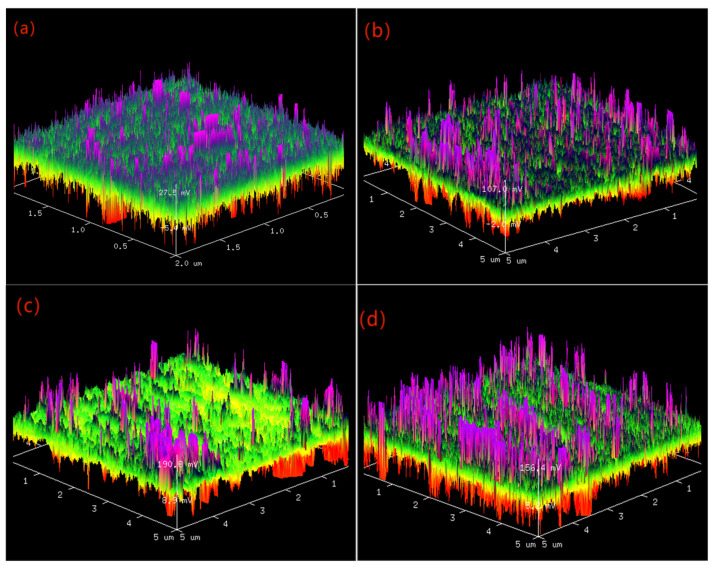 Figure 7
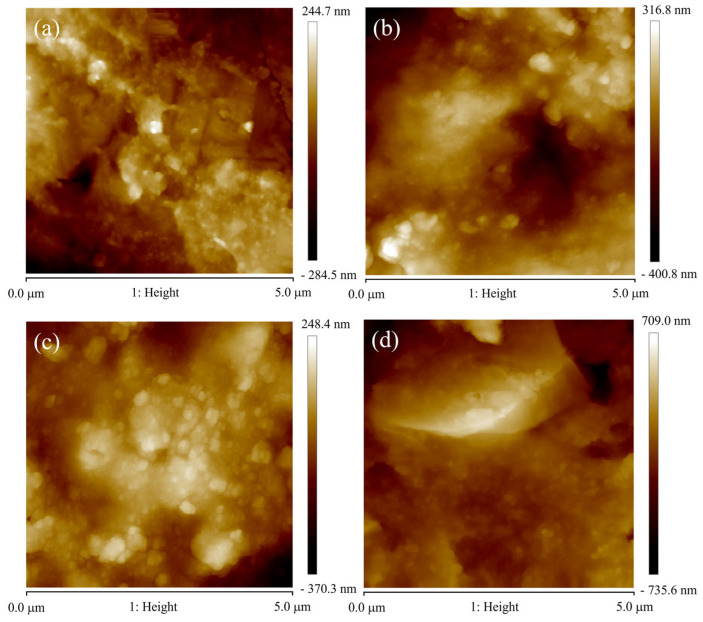 Figure 8
 Figure 9
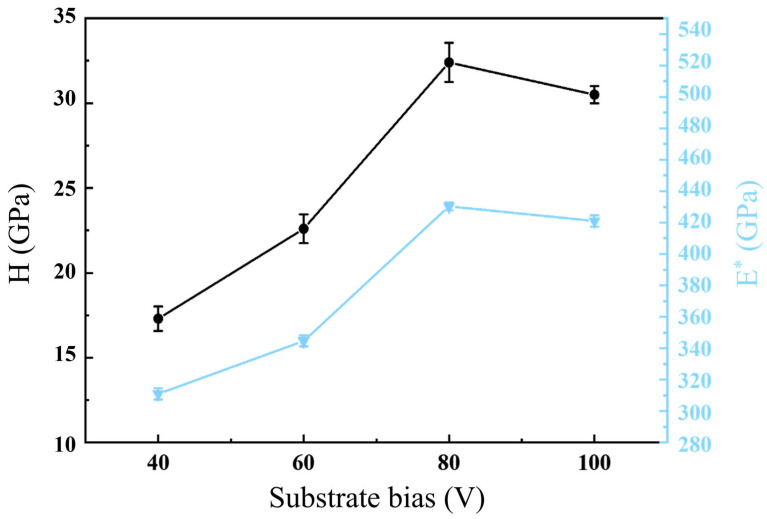 Figure 10
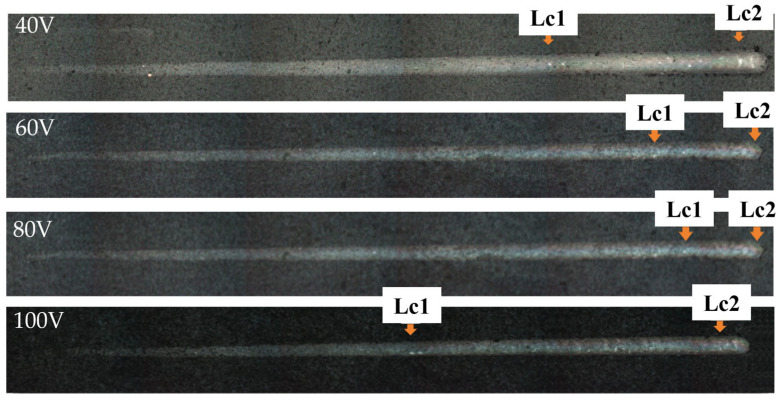 Figure 11
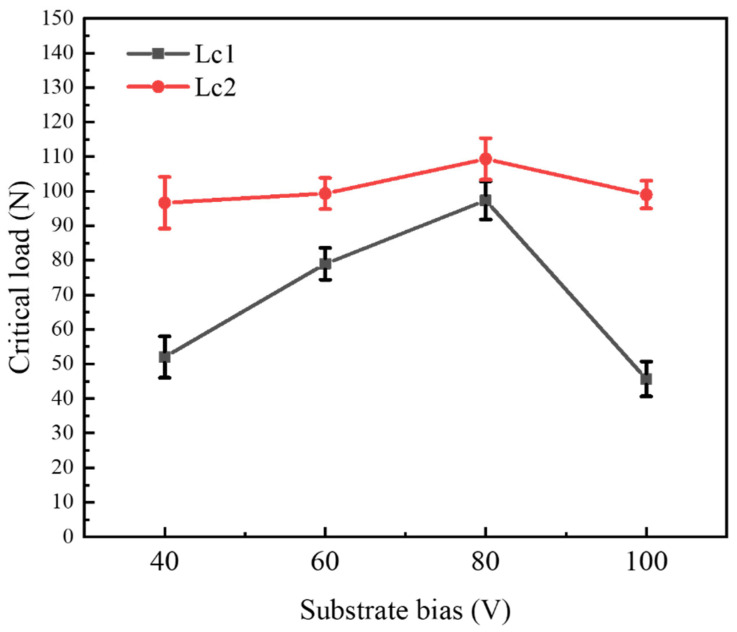 Figure 12
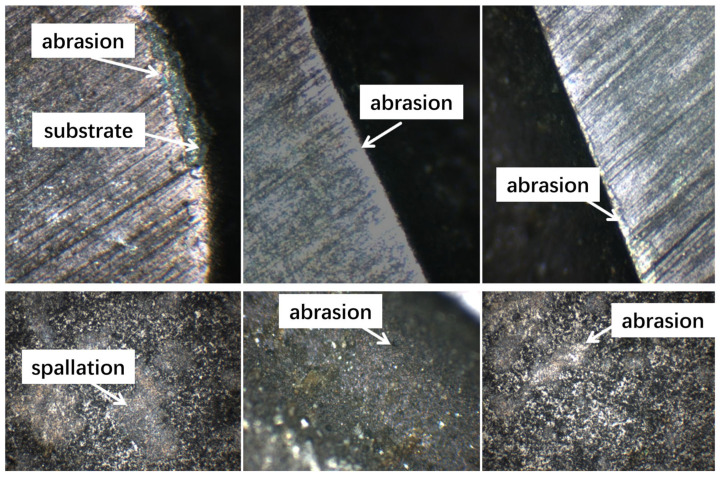 Figure 13
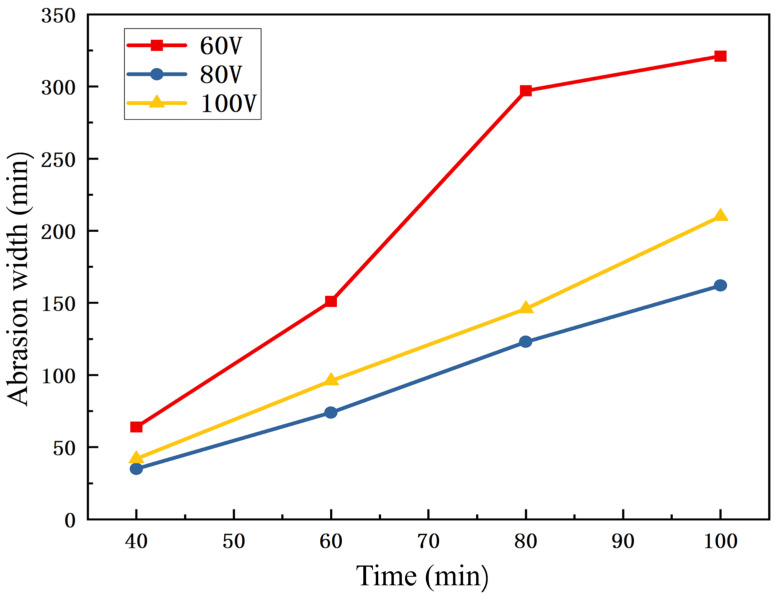 Figure 14
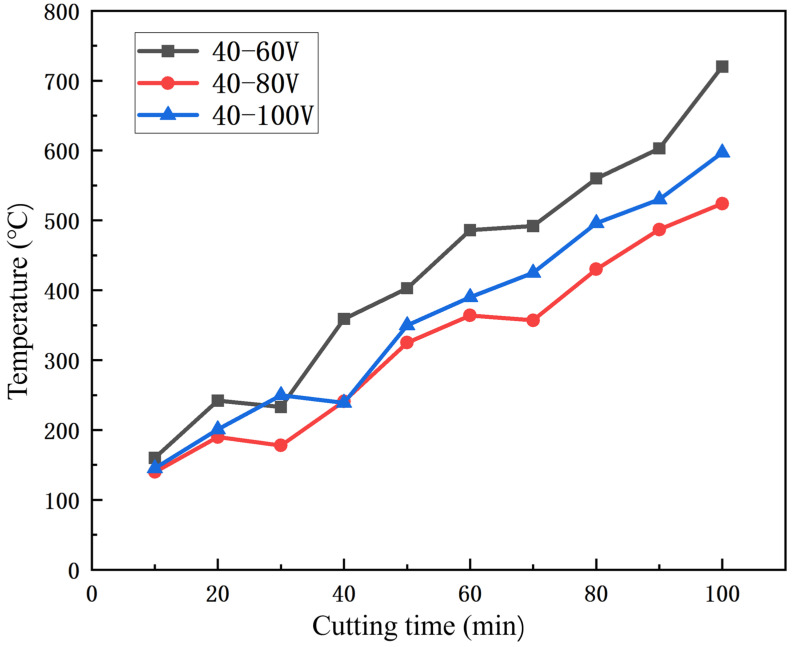 Figure 15
Peer Reviews
No public reviews on file for this paper yet. If you reviewed it on a platform where reviews are public (OpenReview, ICLR, NeurIPS, ICML), you can paste yours below so the community can read it here.
Videos
No videos yet. Explain this paper in a talk, walkthrough, or lecture? Add one.
Taxonomy
TopicsMetal and Thin Film Mechanics · MXene and MAX Phase Materials · Boron and Carbon Nanomaterials Research