Separation of Organic Carbon and Nutrients from Liquid Waste by Using Membrane Technologies
Stanislas Ndayishimiye, Samuel Bunani, Emery Nkurunziza, Nalan Kabay

TL;DR
This paper reviews how membrane technologies can separate organic carbon and nutrients from liquid waste, offering insights into improving wastewater treatment for environmental and resource recovery goals.
Contribution
The study introduces a unified analytical framework to better understand and enhance the separation capabilities of microfiltration and ultrafiltration membranes.
Findings
Microfiltration primarily separates particulate organic carbon and suspended solids.
Ultrafiltration extends separation to macromolecular organic carbon and phosphorus through indirect retention.
Dissolved nitrogen species mostly pass through membranes unless chemically transformed.
Abstract
Rising concentrations of organic carbon (OC), phosphorus, and nitrogen in liquid waste from urban, industrial, and agricultural sources pose persistent challenges for environmental protection and resource recovery. Despite extensive application of microfiltration (MF) and ultrafiltration (UF) in wastewater treatment, their role in selective organic carbon and nutrient fractionation remains insufficiently clear-cut and is often interpreted solely through nominal pore size. This review was guided by the hypothesis that the reported limitations of MF and UF for nutrient separation are not intrinsic to the technologies but arise from simplified interpretations of separation mechanisms. A unified analytical framework was developed by synthesizing recent studies, linking membrane surface charge, pore structure, solute speciation, fouling-induced secondary layers, and operating conditions to…
Genes, proteins, chemicals, diseases, species, mutations and cell lines named across the full text — each resolved to its canonical identifier and authoritative record.
Click any figure to enlarge with its caption.
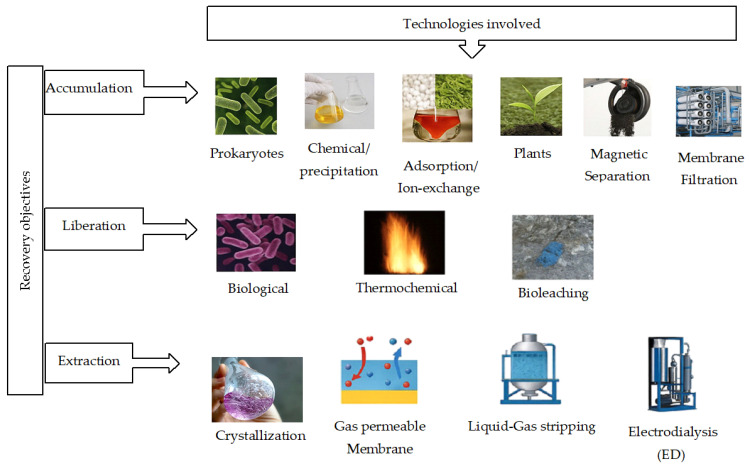 Figure 1
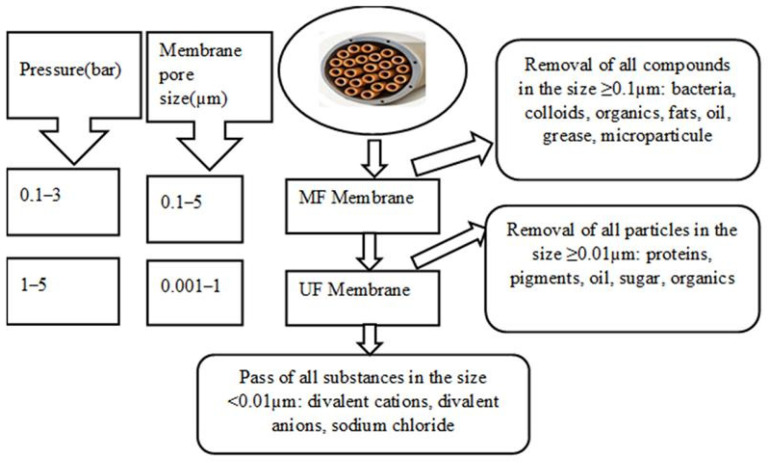 Figure 2
- —the European Union
- —the African Research Initiative for Scientific Excellence (ARISE)
Peer Reviews
No public reviews on file for this paper yet. If you reviewed it on a platform where reviews are public (OpenReview, ICLR, NeurIPS, ICML), you can paste yours below so the community can read it here.
Videos
No videos yet. Explain this paper in a talk, walkthrough, or lecture? Add one.
Taxonomy
TopicsMembrane Separation Technologies · Phosphorus and nutrient management · Membrane-based Ion Separation Techniques
1. Introduction
The growing global demand for water and the increasing generation of wastewater from domestic, industrial, and agricultural sources have intensified the need for efficient and sustainable treatment technologies [1,2,3].
Liquid waste streams often contain significant concentrations of OC and nutrients such as nitrogen and phosphorus, which, if not properly managed, contribute to serious environmental issues including eutrophication, groundwater contamination, and greenhouse gas emissions [4,5]. Conversely, these waste streams also represent a valuable source of recoverable materials that could be reused in agriculture and industry, supporting the principles of circular economy and resource recovery [6,7,8]. Conventional wastewater treatment methods, including biological and chemical processes, have proven effective in many cases but often present limitations such as high energy consumption, sludge generation, and incomplete removal of certain pollutants [9]. Among advanced treatment options, pressure-driven membrane technologies, particularly MF and UF, have gained attention due to their modularity, operational efficiency, and ability to selectively separate particulate and colloidal matter through size exclusion [10,11].
MF and UF membranes differ in pore size and separation performance, with MF typically removing particles > 0.1 micrometer (µm) and UF targeting smaller solutes, including macromolecules and certain nutrient forms [12,13]. These membranes can effectively retain OC compounds and, to a certain extent, phosphorus and nitrogen species, depending on membrane material, configuration, and operational parameters [14,15,16]. Additionally, integrating MF and UF with pre- or post-treatment techniques such as coagulation, adsorption, or biological processes enhances the removal efficiency of nutrients, making these technologies suitable for both centralized and decentralized treatment systems [11,17]. This review critically examines MF and UF membranes through a hypothesis-driven framework, focusing on how membrane properties, feed composition, and operating conditions govern selective separation. The objective is to highlight the advantages and limitations of these technologies and inform future researchers the strategies for sustainable wastewater treatment and resource recovery.
This review tests the hypothesis that the apparent limitations of MF and UF in nutrient separation arise not from intrinsic membrane constraints, but from how separation mechanisms, solute speciation, and process integration are interpreted and applied.
2. Technologies for the Removal of OC and Nutrients from Wastewater
The elimination of OC and nutrients from wastewater is essential to obtain certain benefits, including preventing eutrophication of surface water bodies, recovering fertilizer, and maintaining water quality [18]. According to Deemter et al. (2022) [19], various technologies are employed to remove key nutrients like carbon, nitrogen, and phosphorus from wastewater and the recovery rate varies from one technology to another (Figure 1).
Membrane filtration is widely applied when nutrient concentration or recovery is targeted [20]. Product recovery quality depends on membrane pore size, nutrient size, feed characteristics, and the pressure applied (Figure 2). MF and UF processes are used especially for the removal of organic substances from liquid waste [19,21,22]. In general, MF membranes are used to remove particles larger than 0.5 μm, whereas membrane filters with a pore size of 0.002–0.5 μm are available for UF in order to eliminate macromolecules and colloidal particles. According to Utoro et al. (2019) [23], both membranes are also applied for filtration of viruses (0.03–1 μm) and bacteria (0.5–20 μm). MF membranes have pore sizes ranging from 0.1 to 10 μm with an applied pressure range of 0.1–2 bar from an inlet fluid stream. Globally, MF can effectively remove suspended solids (SS) and particulate and colloidal organic species. However, it is less effective in removing dissolved organics, nutrients, and smaller organic compounds. UF membranes have finer pore structures than MF membranes, allowing them to retain smaller particles and dissolved macromolecules [24]. Due to the size exclusion mechanism, they can retain much smaller particles, including macromolecules and some colloidal substances. UF is effective in removing a broader range of organic contaminants, including proteins, polysaccharides, and other macromolecules [25,26]. It can also remove some dissolved organic compounds, depending on their size [27]. For a high efficiency to retain inorganic and organic micropollutants, MF and UF are applied in integrated systems coupled with coagulation, flocculation, sedimentation, adsorption, complexion with polymers or surfactants, and biological reactions [28,29]. With low operating pressure in the range of 0.1–2.5 bar and pore size ranging between 0.1 and 10 μm, MF membranes removed organic compounds up to 95% by showing a water permeability of 500 L/m^2^·h·bar [28]. On the other hand, with UF membranes, the same recovery was achieved by applying a pressure of 2–5 bar with 0.001–1 µm of membrane pore size by showing 150 L/m^2^·h·bar of permeability [28,30]. A high concentration of organics such as OC is found in the concentrate side of MF when municipal, urban, and agricultural wastewater are treated and inorganic ions remain in the MF permeate [31,32]. Phosphorous and nitrogen in particulate form with size > 0.1 μm can be selectively removed by those filtration processes [33].
In their research, Refs. [31,34,35] demonstrated that organics are retained by microfiltration and ultrafiltration membranes while inorganic ions pass through the pore of each module. When MF is involved, OC is retained whereas inorganics such as phosphorus and nitrogen forms pass through the membrane pore size [35,36]. Inorganic separation or recovery in the UF membranes depends on the ionic charge [37]. Total nitrogen (TN) and total phosphorus (TP) dominated by particulate forms show a high concentration in the UF concentrate [38]. However, monovalent and divalent ions for instance are found in the UF permeate [39]. This behavior depends on the size of the components (Table 1) and the membrane solute permeability.
This table demonstrates that the reported separation performances cannot be interpreted solely on the basis of nominal pore size or membrane classification (MF and UF). Variations in membrane material, surface charge, and configuration introduce secondary separation mechanisms that influence organic carbon and nutrient retention. Hydrophilic surfaces and asymmetric structures tend to enhance organic matter interaction and fouling layer development, indirectly improving nutrient retention. Consequently, membrane characteristics define not only hydraulic performance but also the physicochemical environment governing selective separation, explaining part of the variability observed across studies.
3. Removal Efficiency of OC Compounds
3.1. Evaluating OC Removal Efficiency in Liquid Waste via MF Membranes
In the context of assessing the removal efficiency of OC from liquid waste, MF emerges as a promising option, offering distinctive operational advantages and limitations [42,43]. By harnessing a combination of physical sieving and adsorption mechanisms, this approach has demonstrated effectiveness in removing organic carbon from liquid waste [44]. The process mainly depends on the pore size, which is usually between 0.1 and 10 μm. This helps to physically separate particulate organic matter from the liquid phase [45]. The liquid waste passes through the membrane, and particles exceeding the effective pore size are retained via surface sieving and internal pore blocking mechanisms [46]. This makes the water clearer and removes a lot of the suspended organic carbon [47]. As shown in Table 2, the efficiency of microfiltration in removing organic carbon depends on several factors, such as the feed water content and how the system is operated [47,48]. The membrane material also significantly impacts the removal efficiency [49]. Materials such as polyvinylidene fluoride (PVDF), polypropylene (PP), and ceramics offer different levels of hydrophobicity, chemical resistance, and mechanical strength [50,51]. These properties influence not only how well the membrane can filter out organic carbon but also its longevity and maintenance requirements [52]. In general, microfiltration represents a robust methodology for the removal of particulate and colloidal organic carbon [53,54]. This is achieved through the dual mechanisms of sieving and adsorption [25,55].The presence of organic carbon in liquid waste can be detected in a number of ways, including the use of chemical oxygen demand (COD), biological oxygen demand (BOD), total organic carbon (TOC), and dissolved organic carbon (DOC) [54]. MF membranes generally operated at transmembrane pressure (TMP) below 0.3 bar achieved a performance of 65–75% in term of TOC rejection [55].
3.2. Removal Efficiency of OC from Liquid Waste by Using UF Membranes
In the implementation of UF membranes for the removal of OC from liquid waste, their fine pore structure enables the retention of macromolecules and colloidal organic matter [13,64,65]. As water permeates through the porous structure of the membrane, larger organic molecules such as humic substances, proteins, and colloids are retained on the surface or in the pores [52]. Materials like polyethersulfone (PES), polysulfone (PS), cellulose acetate (CA), and various types of modified polymer blends are commonly used due to their favorable mechanical strength, chemical resistance, and ability to form consistent pore structures [66]. In exploring the removal efficiency of OC from liquid waste using UF membranes, several case studies and practical applications underscore the versatility and efficiency of this technology [67]. By integrating UF membranes into their treatment processes, many municipalities have achieved substantial reductions of OC levels, thereby enhancing the overall quality of discharged effluent [68]. Additionally, pilot projects in agricultural settings demonstrated its potential to manage runoff containing pesticides and fertilizers [69,70,71,72]. These projects have shown promising results in reducing organic load before water is released back into natural waterways or reused for irrigation purposes [73,74].
3.3. Comparative Behavior of MF and UF Toward Particulate and Macromolecular Organic Carbon
The results summarized in Table 2 and Table 3 indicate that both MF and UF achieve consistently high removal of organic carbon when OC is predominantly present in particulate or macromolecular forms. UF generally exhibits higher and more stable OC retention due to combined size exclusion and adsorption mechanisms. However, the marginal performance gap between MF and UF narrows in systems dominated by particulate organic carbon, suggesting that membrane selection should be driven by OC fractionation rather than total OC concentration. This highlights the importance of aligning membrane choice with organic carbon characteristics instead of assuming the inherent superiority of tighter membranes.
4. Removal Efficiency of Phosphorus from Liquid Waste
4.1. Microfiltration Performance Toward Different Phosphorus Forms
Conventional treatment methods often struggle to meet stringent discharge limits for nutrients, particularly phosphorus [85,86]. For effective removal of phosphorus compounds from liquid waste, MF serves as an effective pre-concentration step for particulate and colloidal phosphorus [87,88]. Combined with other methods such as biological treatment or chemical precipitation, it serves as an excellent pre-treatment step [89,90]. The MF membranes facilitate the concentration of phosphorus compounds by filtering out larger solids and colloidal particles that might otherwise interfere with subsequent treatment stages [89]. The practical implementation of MF membranes for the removal of phosphorus compounds from liquid waste has seen considerably success across various wastewater types (Table 4). By using a series of membrane modules with pore sizes optimized for capturing fine particulate matter and colloidal phosphorus, the facility achieved a reduction of total phosphorus levels to below 0.1 mg/L [90,91,92]. In addition, when combined with coagulation or adsorption, the process performance could be increased to 80–95% [93,94]. PO_4_^3−^ removal rates reached up to 11% for MF alone, 91% for MF–NF, and 99.7% for MF softening [87]. MF removes little due to limited adsorption and size exclusion. MF–NF adds charge-based rejection, while softening induces chemical precipitation, enhancing retention.
4.2. Limits and Potential of UF for Phosphorus Fractionation Removal
UF represents a highly versatile and advanced method for the removal of contaminants from liquid waste, including phosphorus compounds [96]. The fundamental principle underlying this method is size exclusion, whereby the membrane’s pore size plays the role of a physical barrier. This obstruction facilitates the selective permeation of water and smaller molecules while retaining larger phosphorus-containing particles [97]. This approach is particularly effective for particulate phosphorus and larger colloidal forms. The material composition and surface characteristics of the membrane are of great importance in this regard [98]. Membranes with charged or hydrophilic surfaces have the potential to enhance adsorption efficiency by attracting oppositely charged phosphate ions or other phosphorus species (Table 5). Due to its smaller pore size, UF offers better removal of phosphorus compounds (50–80%) [91]. When combined with coagulation, removal efficiencies of 90–99% can be achieved [99]. UF effectively separates phosphorus compounds by size exclusion mechanisms without the need for additional chemicals, thus minimizing secondary pollution concerns [100].
4.3. Phosphorus Speciation as the Determining Factor in MF and UF Performance
Table 4 and Table 5 reveal that phosphorus removal by MF and UF is strongly dependent on its association with organic or particulate matter. High TP retention is consistently observed when phosphorus is bound to solids or colloids, whereas dissolved orthophosphate largely permeates both membrane types. UF shows improved TP retention compared to MF, not due to direct phosphate rejection, but due to enhanced retention of phosphorus associated organic fractions. These findings confirm that membrane processes act as indirect phosphorus separators, emphasizing the need for upstream speciation control to achieve meaningful phosphorus recovery.
5. Nitrogen Removal from Aqueous Waste Streams
5.1. Microfiltration Constraints in the Separation of Nitrogen Species
Nitrogen compounds are ubiquitous in agricultural runoff, wastewater treatment plants, industrial effluents, and household waste, posing significant environmental challenges [105,106]. These compounds primarily include ammonia (NH_3_), nitrates (NO_3_^−^), nitrites (NO_2_^−^), and total Kjeldahl nitrogen (TKN) [19,107]. The separation of them from liquid waste using MF membranes is generally less effective when these membranes are used alone [108,109]. Nevertheless, when used in combination with other treatment processes, MF can contribute to nitrogen removal efficiencies [108,110]. The performances of MF for nitrogen compound removal are given in Table 6.
5.2. Form-Dependent Retention of Nitrogen During Ultrafiltration
The efficiency of UF in separating nitrogen compounds from liquid waste relays on several factors including membrane material and structure [111,112] (Table 7). Membrane materials can be organic polymers or inorganic substances tailored for specific separation needs [111]. Proper selection ensures optimal interaction between nitrogenous compounds and the membrane surface [112]. UF can contribute to nitrogen removal efficiencies of 80–95% when used in combination with other treatment processes [113]. Using UF technology, the liquid fraction of digestate pre-treated by electrocoagulation with Fe electrodes rejects 82% of NH_4_^+^ and 49% when using Al electrodes [114]. In their experimental work, ref. [115] found that the nitrogen efficiency of anaerobic digestate in the agricultural sector produced by pressure-driven UF is around 75–95% and 85–99%.
5.3. Intrinsic Limits of MF and UF for Dissolved Nitrogen Species
The data summarized in Table 6 and Table 7 demonstrate the intrinsic limitation of MF and UF membranes for removing dissolved nitrogen species such as ammonium and nitrate. Reported nitrogen removals are largely attributable to particulate or organically bound nitrogen rather than true rejection of ionic forms. UF exhibits slightly higher TN retention, primarily due to its ability to retain nitrogen-containing macromolecules. These observations confirm that MF and UF, when applied as standalone processes, are insufficient for comprehensive nitrogen separation and must be coupled with biological or physicochemical processes to transform dissolved nitrogen into membrane-retainable forms.
6. Cross-Compound Synthesis of MF and UF Fractionation Behavior
Beyond compound-specific performance, the comparative behavior of MF and UF across organic carbon, phosphorus, and nitrogen reveals consistent fractionation patterns governed by solute association, charge interactions, and secondary fouling layers. This section synthesizes these patterns to clarify when MF or UF provides functional advantages within integrated treatment systems. When evaluated through a mechanistic lens, MF and UF exhibit fundamentally different fractionation roles rather than a simple hierarchy of removal efficiency [57,116] (Table 8). MF primarily relies on size exclusion to retain suspended solids, particulate organic matter, and microorganisms, making it suitable for bulk solid–liquid separation [11]. However, its capacity to remove dissolved or low-molecular-weight compounds is limited. In contrast, UF membranes offer a tighter structure, which enables them to retain macromolecules, colloids, and certain dissolved organic and nutrient compounds through a combination of size exclusion, adsorption, and membrane–solute interactions [109]. The effectiveness of each technology depends on several factors including influent characteristics, membrane material and surface charge, transmembrane pressure, and pretreatment steps. For instance, UF generally outperforms MF in removing total phosphorus when a large fraction is in colloidal or organic bound forms, whereas MF shows comparable performance for particulate dominated streams. Moreover, UF membranes may exhibit better retention of nitrogen in the form of particulate nitrogen or colloid-bound ammonium, while both membranes are less effective for ionic species such as nitrate and phosphate unless supported by pretreatment or hybrid systems [68].
7. Conclusions
This review critically examined the performance of microfiltration and ultrafiltration membranes for the separation of organic carbon and nutrient compounds from liquid waste streams. The analysis confirmed the proposed hypothesis that the separation efficiency of MF and UF is not solely dictated by nominal pore size, but by the interplay between membrane characteristics, solute properties, feed composition, and operational conditions. MF membranes demonstrate robust performance in retaining particulate organic carbon and particulate-bound phosphorus and nitrogen, while UF membranes provide enhanced removal of macromolecular organic carbon, and colloidal or organically bound phosphorus. However, dissolved inorganic nitrogen and phosphorus species largely permeate both membrane types when applied as standalone processes, highlighting the intrinsic limitations related to charge effects, ionic speciation, and pore wetting phenomena. Importantly, this review shows that integrating MF and UF with pretreatment or post-treatment processes such as coagulation, adsorption, biological treatment, or chemical precipitation fundamentally alters the separation mechanisms and significantly enhances nutrient retention. In this context, membrane fouling, often regarded as a drawback, can act as a secondary selective layer that improves nutrient fractionation when properly controlled.
From a broader perspective, MF and UF should no longer be viewed solely as polishing or solid–liquid separation steps, but as strategic components of resource-oriented wastewater treatment systems. Their appropriate selection and integration enable the concentration of organic carbon and nutrients into recoverable streams, supporting circular economy objectives and decentralized treatment solutions.
Future research should focus on tailoring membrane surface properties, optimizing hybrid system configurations, and developing process design guidelines that explicitly target selective nutrient recovery rather than conventional removal, thereby advancing membrane-based technologies toward sustainable and resilient wastewater management. This reframing supports a shift from removal-oriented design toward selective fractionation strategies in membrane-based wastewater treatment.
The reference list from the paper itself. Each links out to its DOI / PubMed record.
- 1Kato S. Kansha Y. Comprehensive review of industrial wastewater treatment techniques Environ. Sci. Pollut. Res.202431510645109710.1007/s 11356-024-34584-0PMC 1137484839107648 · doi ↗ · pubmed ↗
- 2Sha C. Shen S. Zhang J. Zhou C. Lu X. Zhang H. A Review of Strategies and Technologies for Sustainable Decentralized Wastewater Treatment Water 202416300310.3390/w 16203003 · doi ↗
- 3Shamshad J. Rehman R.U. Innovative approaches to sustainable wastewater treatment: A comprehensive exploration of conventional and emerging technologies Environ. Sci. Adv.2025418922210.1039/D 4VA 00136 B · doi ↗
- 4Tang W. Talbott J. Jones T. Ward B.B. Variable contribution of wastewater treatment plant effluents to downstream nitrous oxide concentrations and emissions Biogeosciences 2024213239325010.5194/bg-21-3239-2024 · doi ↗
- 5He X. Li H. Chen J. Wang H. Lu L. Quantifying greenhouse gas emissions from wastewater treatment plants: A critical review Environ. Sci. Ecotechnol.20252710060610.1016/j.ese.2025.10060640786846 PMC 12332905 · doi ↗ · pubmed ↗
- 6Smol M. Circular Economy in Wastewater Treatment Plant—Water, Energy and Raw Materials Recovery Energies 202316391110.3390/en 16093911 · doi ↗
- 7Hao X. Li J. Liu R. Van Loosdrecht M.C.M. Resource Recovery from Wastewater: What, Why, and Where?Environ. Sci. Technol.202458140651406710.1021/acs.est.4c 0590339082236 · doi ↗ · pubmed ↗
- 8Ghimire U. Sarpong G. Gude V.G. Transitioning Wastewater Treatment Plants toward Circular Economy and Energy Sustainability ACS Omega 20216117941180310.1021/acsomega.0c 0582734056333 PMC 8154022 · doi ↗ · pubmed ↗