Platform-Dependent Differences in Beam Characteristics and Low-Dose Exposure: A Comparative Study of Elekta™ Synergy and Varian TrueBeam™ Linear Accelerators Using SunSCAN™ 3D Phantom and Octavius® 4D QA
Marian-Răzvan Bălan, Anda Elena Crișan, Eugen Osiac, Cristiana-Iulia Dumitrescu, Suzana Măceș, Mihai Popescu, Luana Corina Lascu, Maria Mihai, Sanda-Amelia Drăcea, Oana Ciobănescu, Mădălin-Cristian Moraru, Daniela Dumitrescu

TL;DR
This study compares dosimetric performance between Elekta Synergy and Varian TrueBeam linear accelerators, finding small but clinically relevant platform-dependent differences in low-dose exposure and beam characteristics.
Contribution
The study identifies platform-specific dosimetric variations in clinically commissioned treatment plans using real QA systems and patient cases.
Findings
Platform-dependent differences in penumbra and out-of-field dose were linked to linac head design and collimation.
Breast and head and neck plans showed greater variability between platforms compared to prostate plans.
All plans met clinical acceptance criteria, but gamma evaluation revealed minor systematic deviations.
Abstract
Background/Objectives: Inter-platform variability in beam characteristics and low-dose exposure may arise from differences in linear accelerator head design, multileaf collimator geometry, and dose calculation algorithms. This study aimed to evaluate system-level dosimetric differences between two widely used linear accelerator platforms under clinically commissioned conditions. Methods: A comparative dosimetric analysis was performed between Elekta Synergy and Varian TrueBeam linear accelerators. Beam data were acquired using a SunSCAN™ 3D water phantom, and patient-specific quality assurance was conducted with the Octavius® 4D system. Treatment plans were generated for left-sided breast, prostate, and head and neck cases using clinically commissioned treatment planning systems. Beam flatness, symmetry, penumbra width, low-dose exposure, conformity, homogeneity, and organ-at-risk dose…
Genes, proteins, chemicals, diseases, species, mutations and cell lines named across the full text — each resolved to its canonical identifier and authoritative record.
Click any figure to enlarge with its caption.
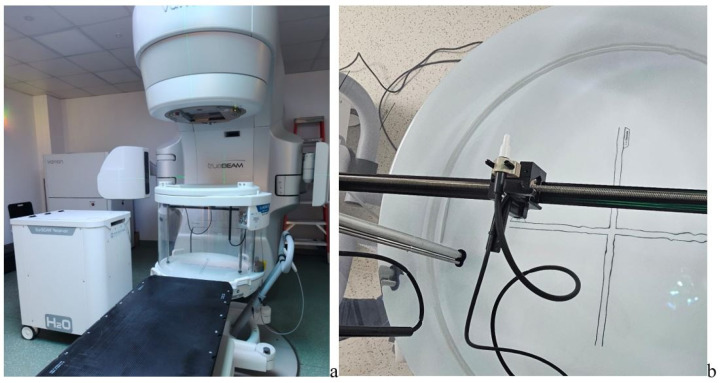 Figure 1
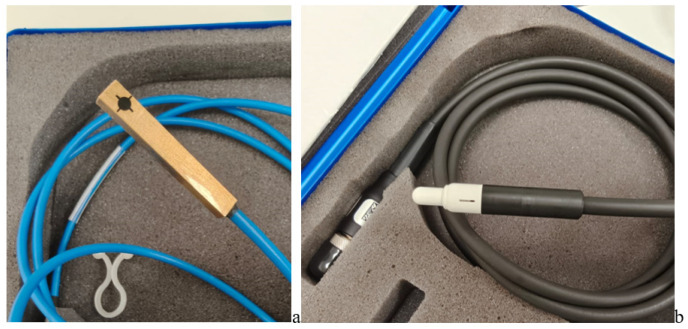 Figure 2
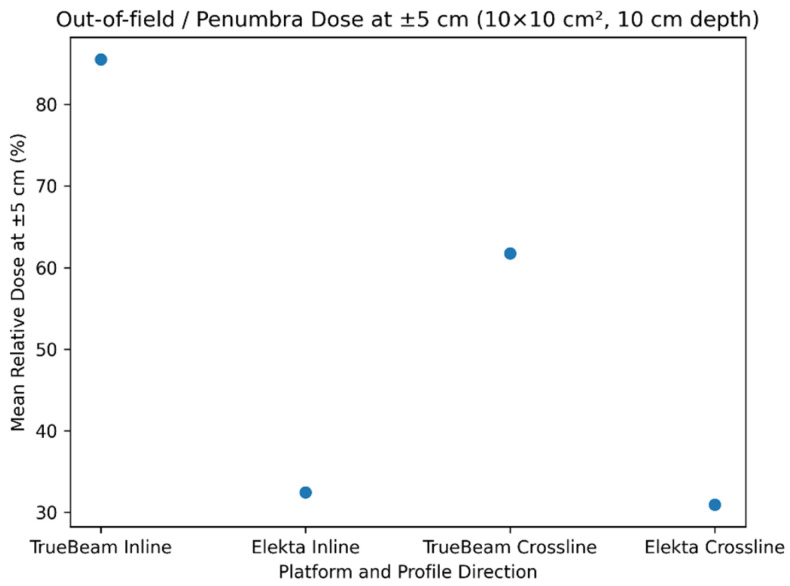 Figure 3
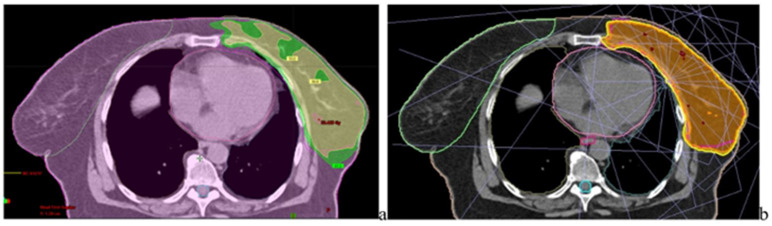 Figure 4
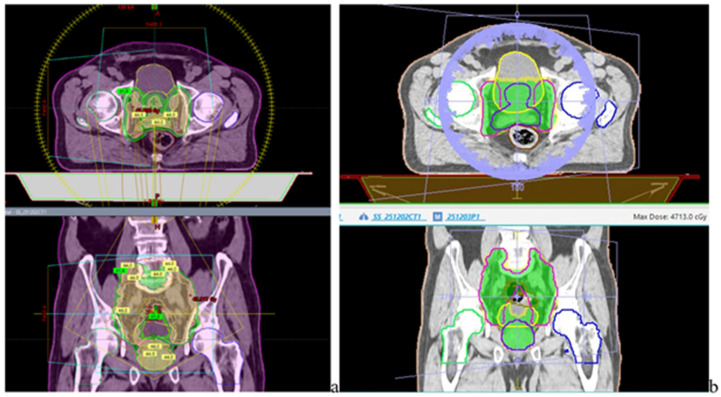 Figure 5
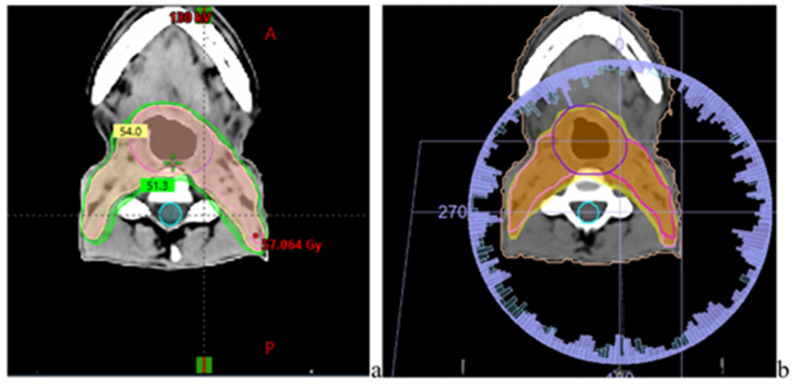 Figure 6
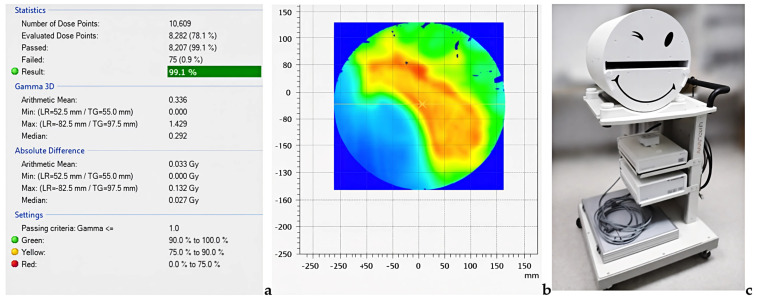 Figure 7
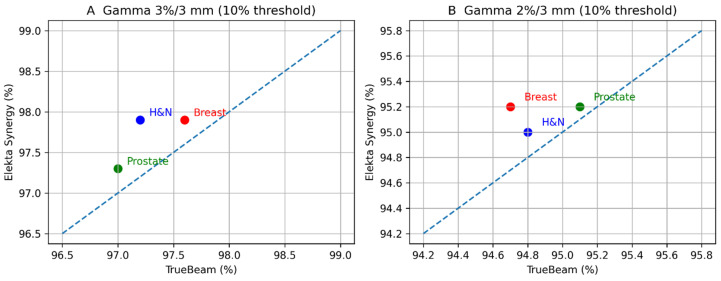 Figure 8
Peer Reviews
No public reviews on file for this paper yet. If you reviewed it on a platform where reviews are public (OpenReview, ICLR, NeurIPS, ICML), you can paste yours below so the community can read it here.
Videos
No videos yet. Explain this paper in a talk, walkthrough, or lecture? Add one.
Taxonomy
TopicsAdvanced Radiotherapy Techniques · Breast Cancer Treatment Studies · Prostate Cancer Diagnosis and Treatment