Biocompatible Electrospun Biomaterials for Advancing Thermoregulating Wearable Sensors in Next-Generation Smart Textiles
Sandra Varnaitė-Žuravliova, Žaneta Rukuižienė, Virginija Skurkytė-Papievienė, Paulė Bekampienė, Vykintė Trakšelytė, Julija Baltušnikaitė-Guzaitienė

TL;DR
This paper reviews biocompatible electrospun materials for smart textiles that can regulate temperature and sense environmental factors while being sustainable.
Contribution
The paper offers a comprehensive review of electrospun biomaterials and their potential in thermoregulating wearable sensors.
Findings
Electrospun biomaterials offer flexibility, high surface area, and biocompatibility for wearable sensors.
Natural and synthetic polymers can be used to create nanofibrous mats with thermal and sensing capabilities.
Challenges remain in scalability, durability, and recyclability of these materials.
Abstract
The rapid growth of electronic devices, including wearable sensors, has increased electronic waste, driving interest in sustainable, biocompatible materials. Electrospun biomaterials have emerged as versatile substrates for multifunctional wearable textiles, offering flexibility, high surface area, tunable porosity, and biocompatibility. Using natural polymers (e.g., silk fibroin, cellulose, chitosan) and synthetic polymers (e.g., polycaprolactone, polylactic acid, PVDF), electrospinning produces nanofibrous mats capable of supporting thermal regulation, moisture management, and integrated sensing for pressure, temperature, humidity, or chemical detection. Nature-inspired designs, hybrid composites, and advanced architectures enable passive and active thermoregulation via phase-change materials, thermochromic dyes, hydrogels, and conductive nanofibers, while maintaining wearer comfort,…
Genes, proteins, chemicals, diseases, species, mutations and cell lines named across the full text — each resolved to its canonical identifier and authoritative record.
Click any figure to enlarge with its caption.
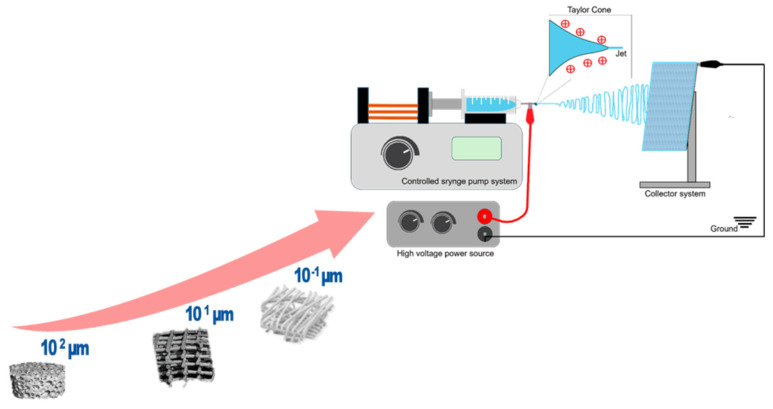 Figure 1
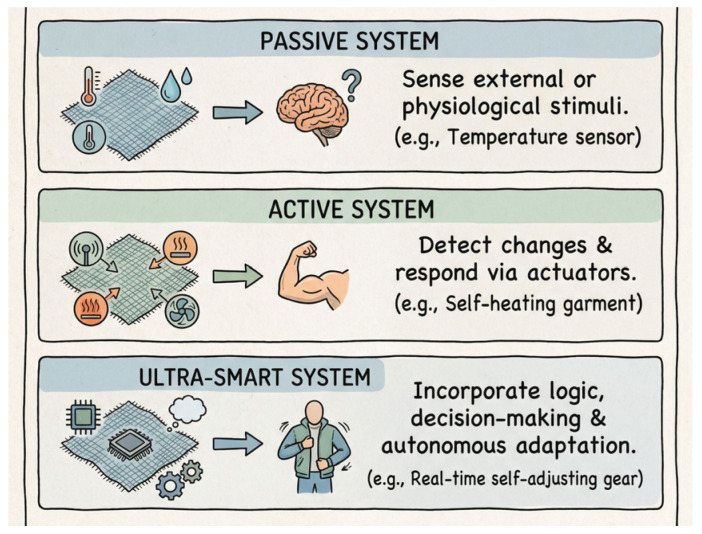 Figure 2
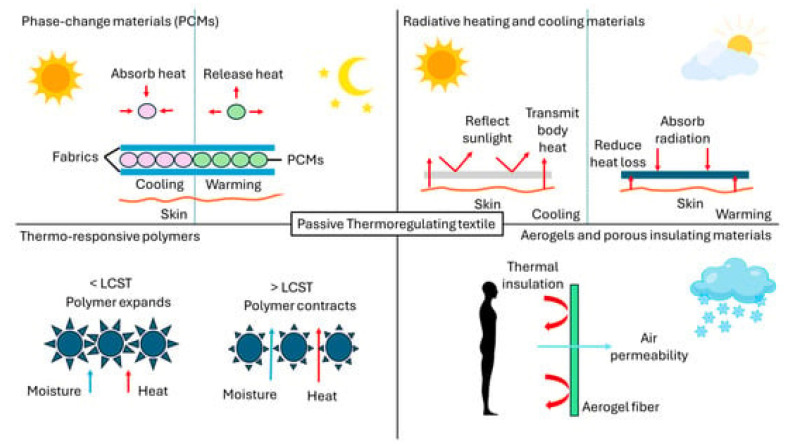 Figure 3
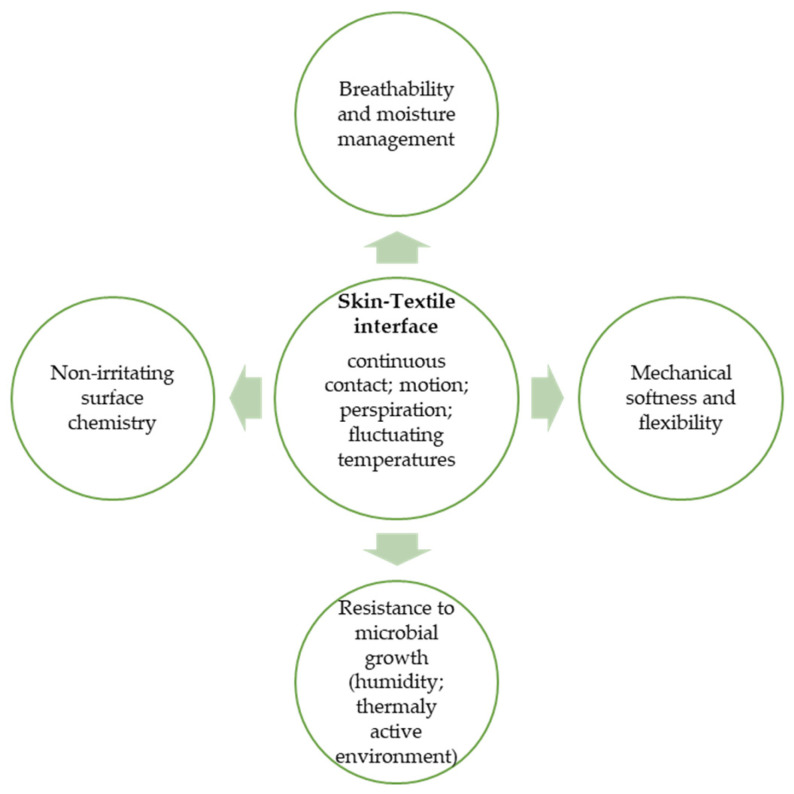 Figure 4
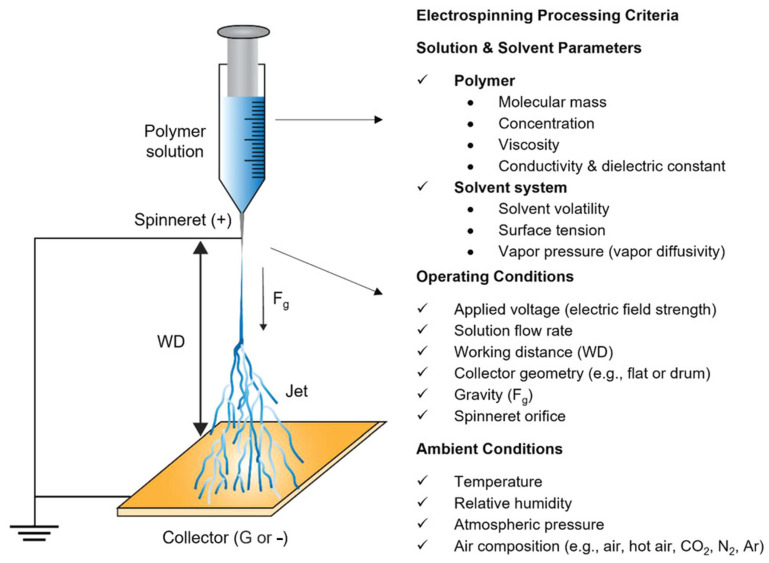 Figure 5
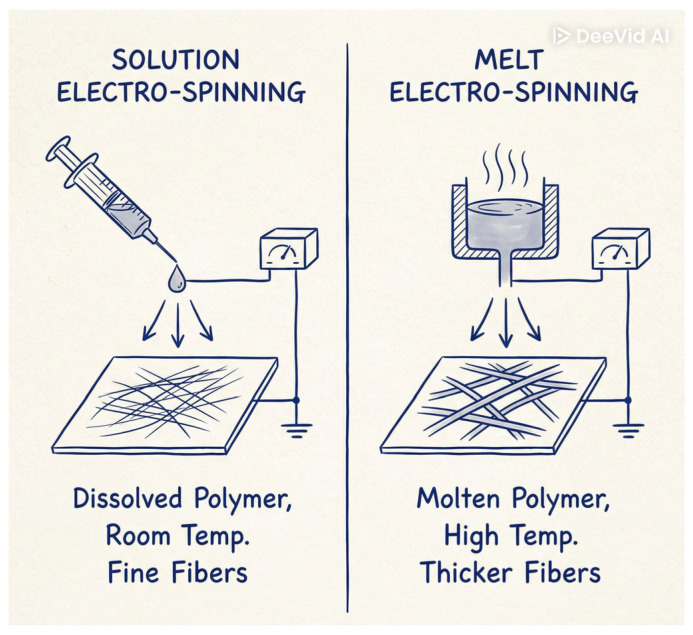 Figure 6
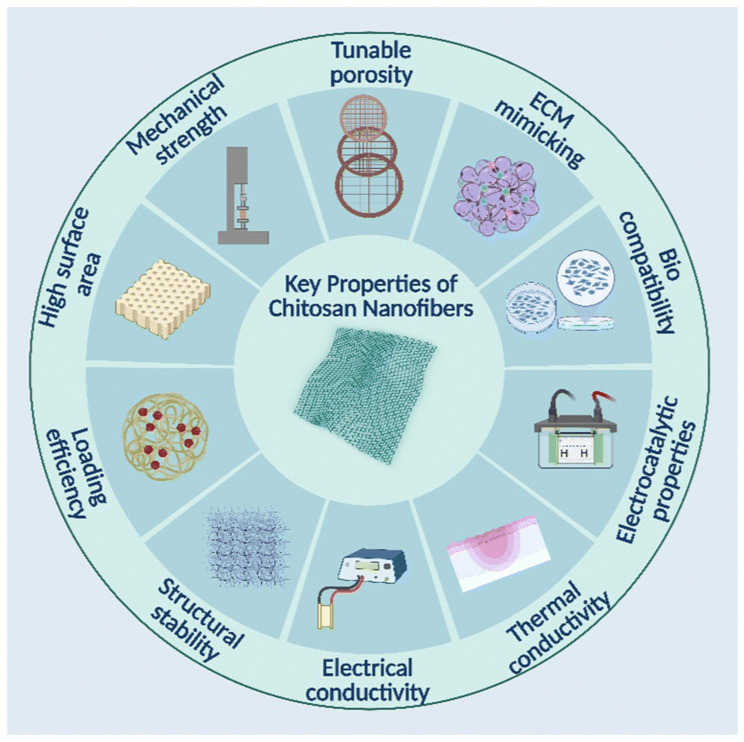 Figure 7
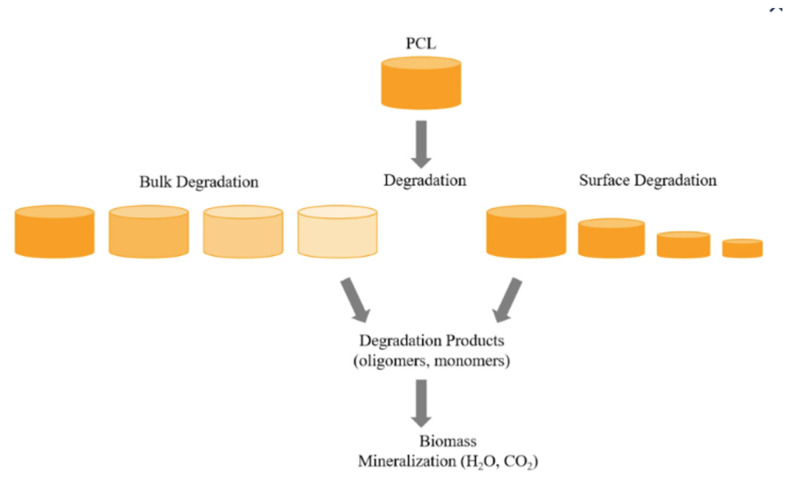 Figure 8
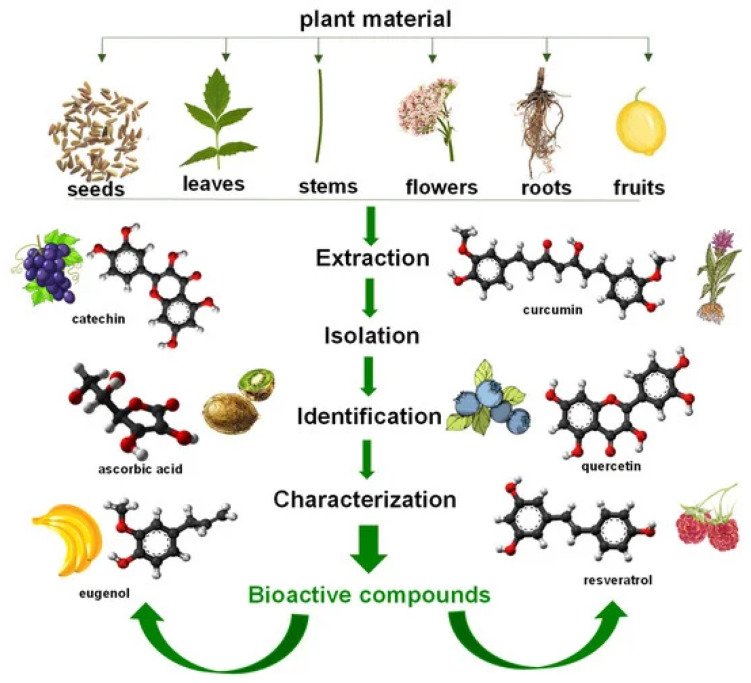 Figure 9
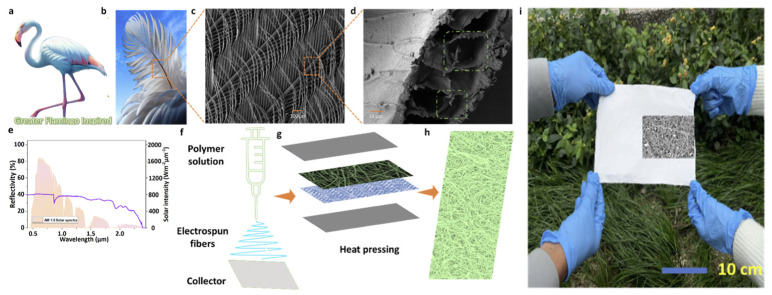 Figure 10
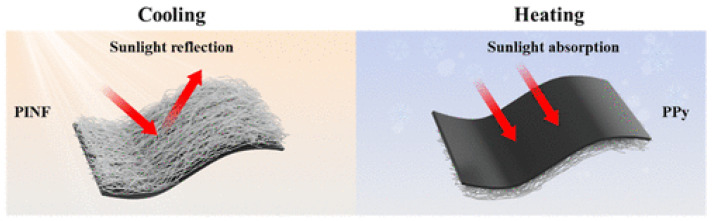 Figure 11
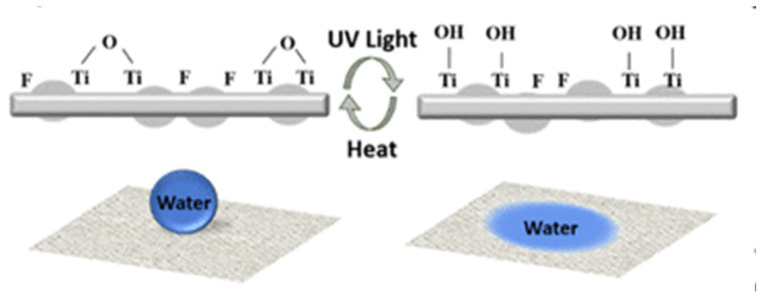 Figure 12
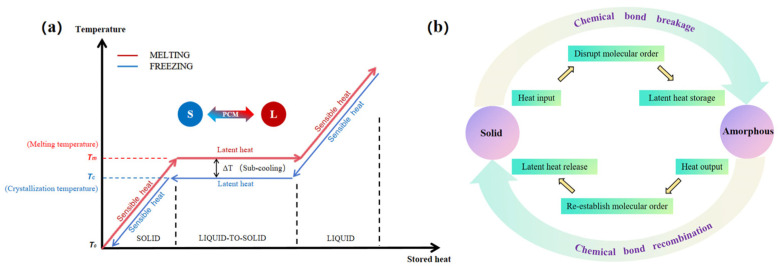 Figure 13
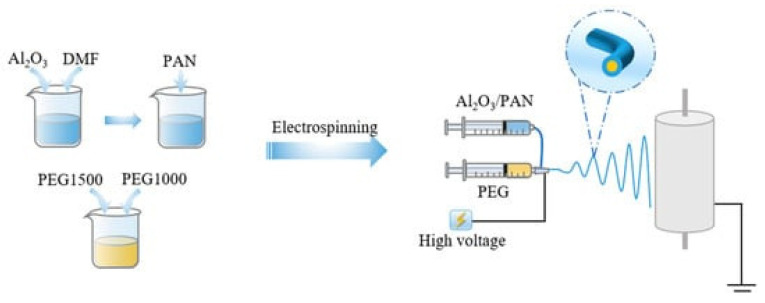 Figure 14
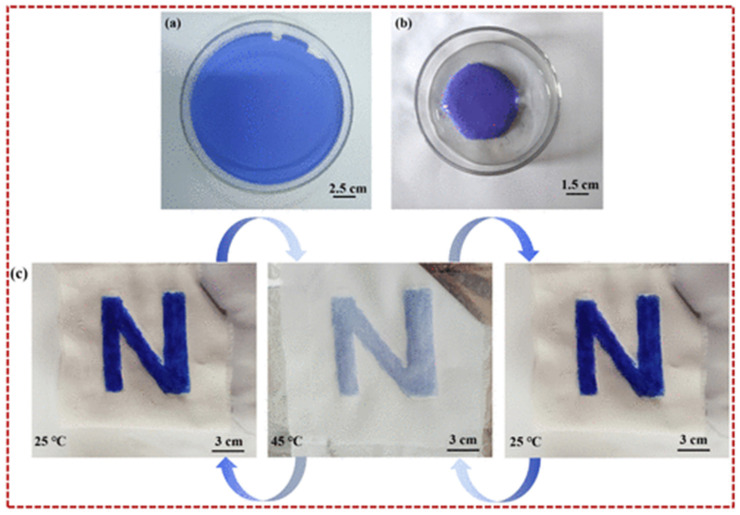 Figure 15
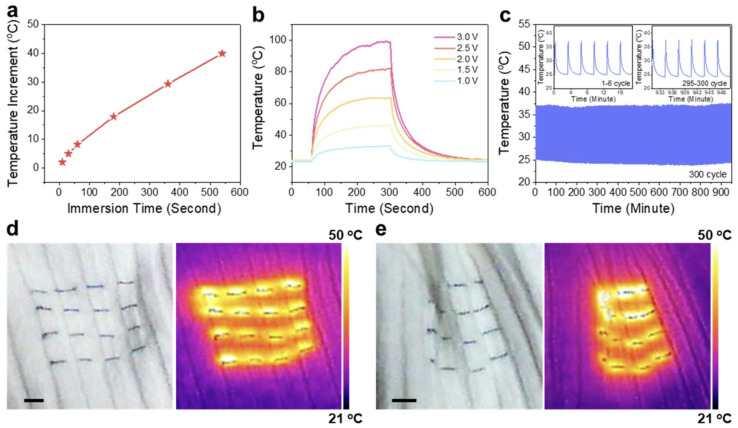 Figure 16
 Figure 17
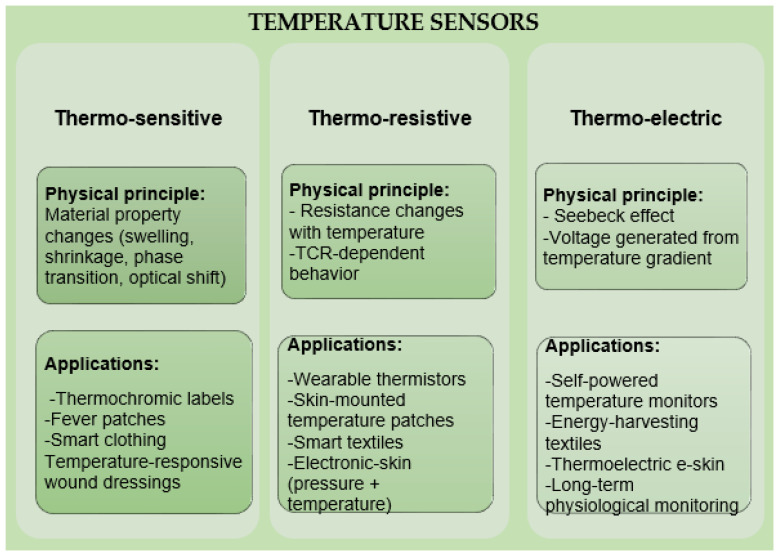 Figure 18
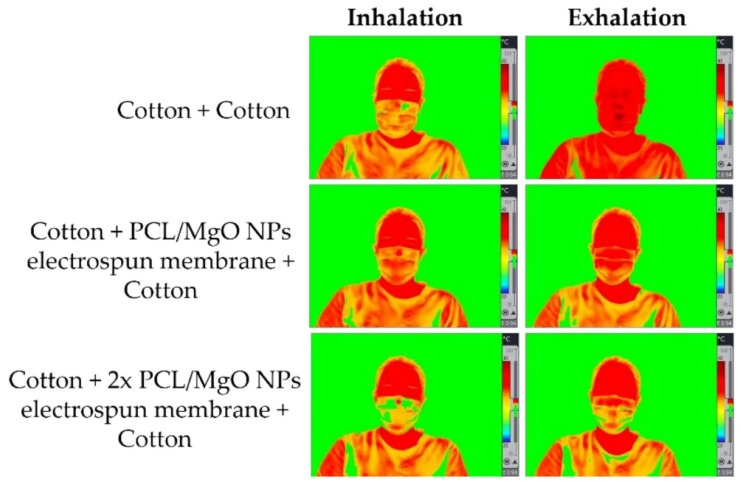 Figure 19
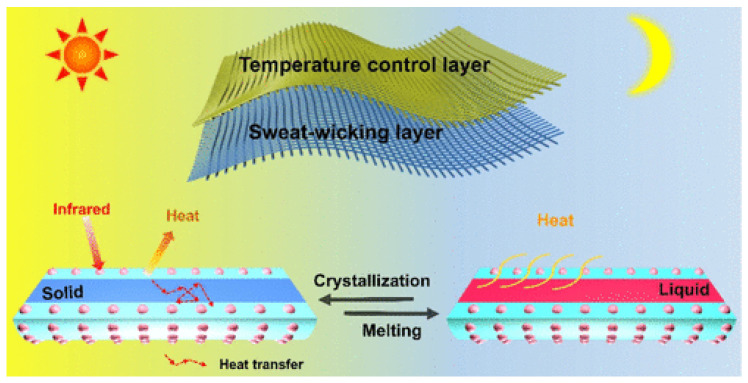 Figure 20
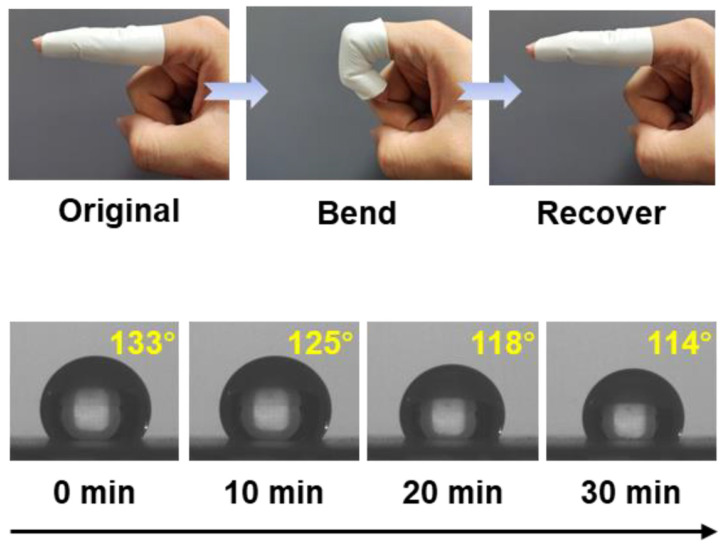 Figure 21
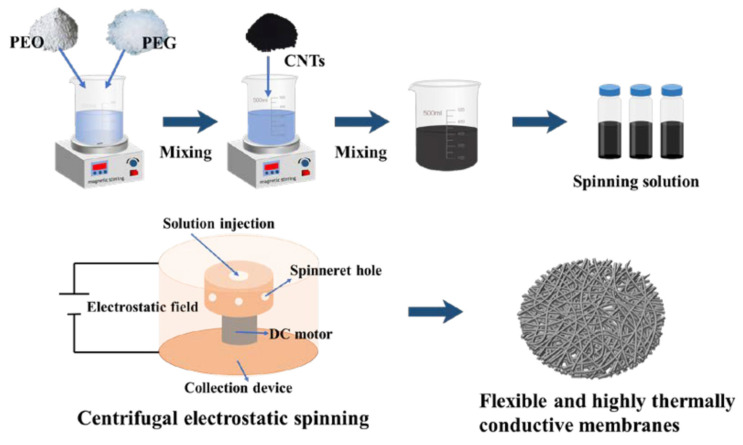 Figure 22
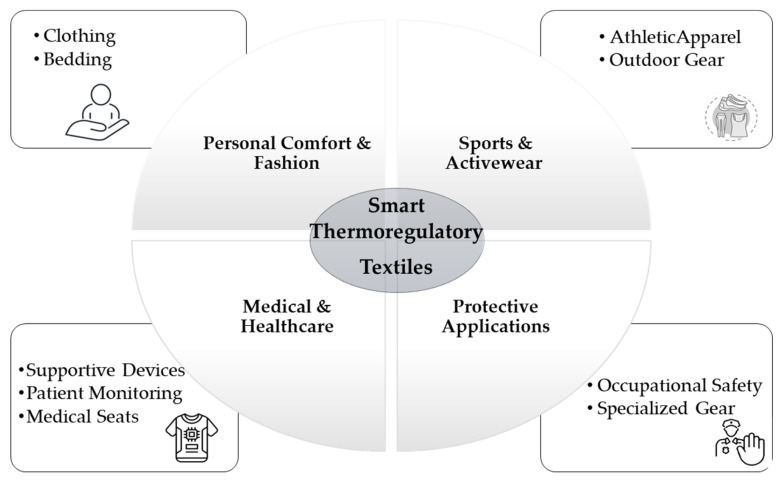 Figure 23
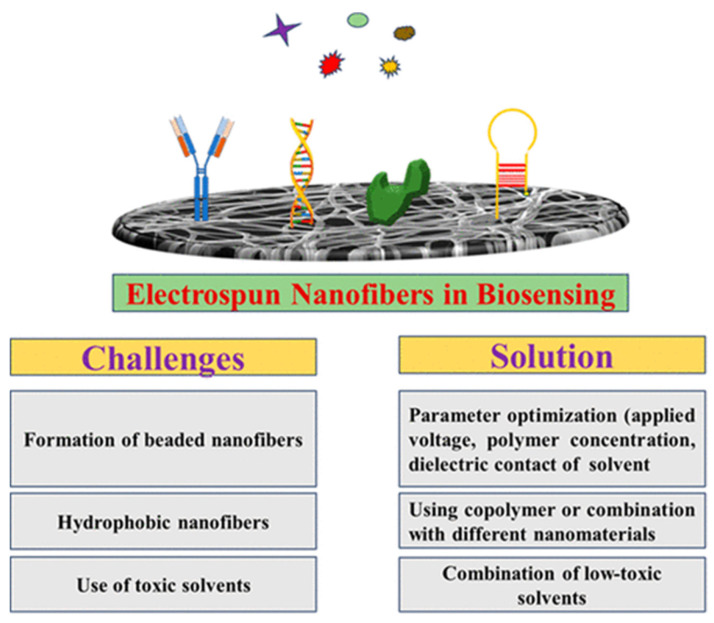 Figure 24
Peer Reviews
No public reviews on file for this paper yet. If you reviewed it on a platform where reviews are public (OpenReview, ICLR, NeurIPS, ICML), you can paste yours below so the community can read it here.
Videos
No videos yet. Explain this paper in a talk, walkthrough, or lecture? Add one.
Taxonomy
TopicsAdvanced Sensor and Energy Harvesting Materials · Electrospun Nanofibers in Biomedical Applications · Solar-Powered Water Purification Methods