Behavioral Features in Phelan–McDermid Syndrome: Characteristics and Genetic and Metabolic Contributions in a Cohort of 56 Individuals
Emily Payne, Bridgette A. Moffitt, Lindsay M. Oberman, Laura Beamer, Sujata Srikanth, Lauren Nicole Cascio, Kelly Jones, Lavanya Jain, Rini Pauly, Melanie May, Cindy Skinner, Carrie Buchanan, Barbara G. DuPont, Rebekah R. Martin, R. Curtis Rogers, Katy Phelan, Sara M. Sarasua

TL;DR
This study examines the behavioral features and genetic/metabolic factors in 56 individuals with Phelan–McDermid syndrome, a rare neurodevelopmental disorder.
Contribution
The study identifies SHANK3's role in adaptive behavior and reveals distinct metabolic profiles linked to behavioral outcomes in PMS.
Findings
Individuals with SHANK3 variants had lower adaptive behavioral skills than those with 22q13 deletions.
Metabolic profiling showed unique patterns in PMS individuals compared to controls and based on ASD cutoff scores.
Cluster analyses identified groups with distinct ASD and clinical features.
Abstract
Background/Objectives: Phelan–McDermid syndrome (PMS), caused by either chromosome 22q13.3 deletions or pathogenic/likely pathogenic variants in the SHANK3 gene, is a rare neurodevelopmental disorder. Behavioral issues greatly impair the quality of life for affected individuals and their families. This genotype–phenotype study intended to further characterize key behavioral features and their genetic and metabolic correlates in PMS. Methods: We conducted a cross-sectional analysis of data on 56 individuals with PMS. Autistic and related behaviors were assessed with the Autism Diagnosis Interview—Revised (ADI-R) and adaptive behavior skills were assessed with the Vineland Adaptive Behavior Scales-Third Edition (Vineland-3), both covering multiple aspects of communication, socialization and abnormal behaviors. Genetic diagnostic information on deletions or pathogenic variants was…
Genes, proteins, chemicals, diseases, species, mutations and cell lines named across the full text — each resolved to its canonical identifier and authoritative record.
Click any figure to enlarge with its caption.
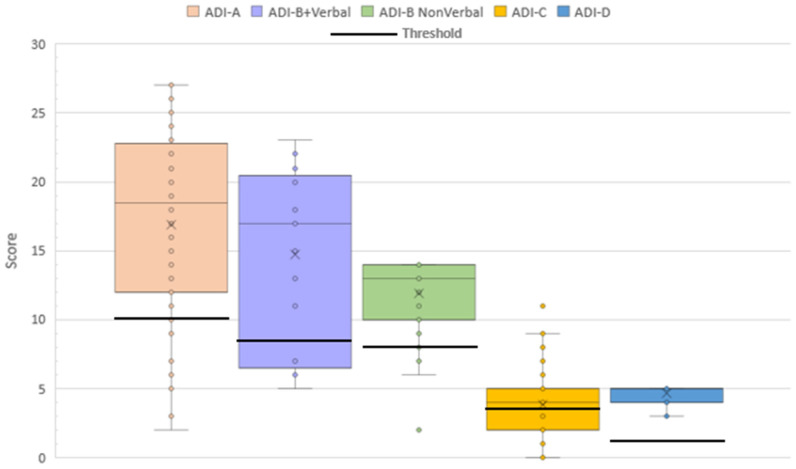 Figure 1
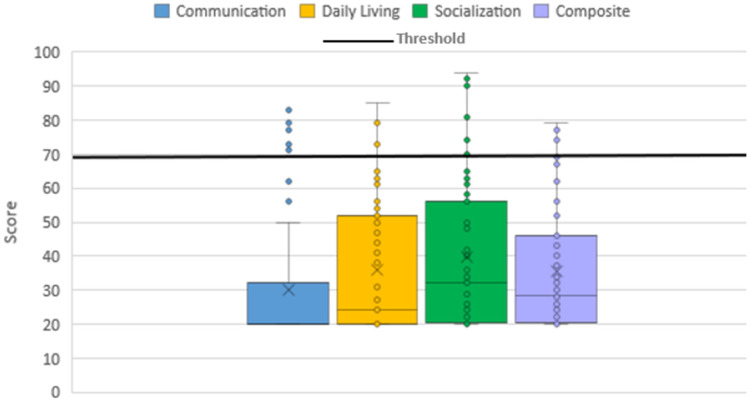 Figure 2
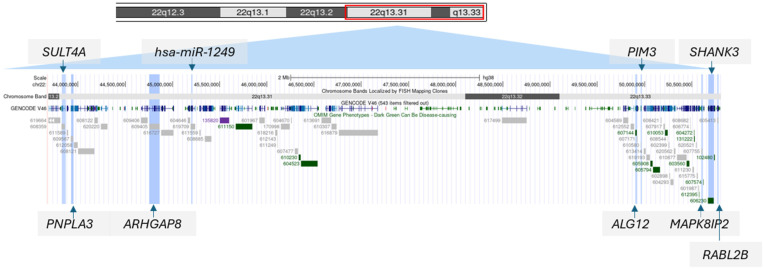 Figure 3
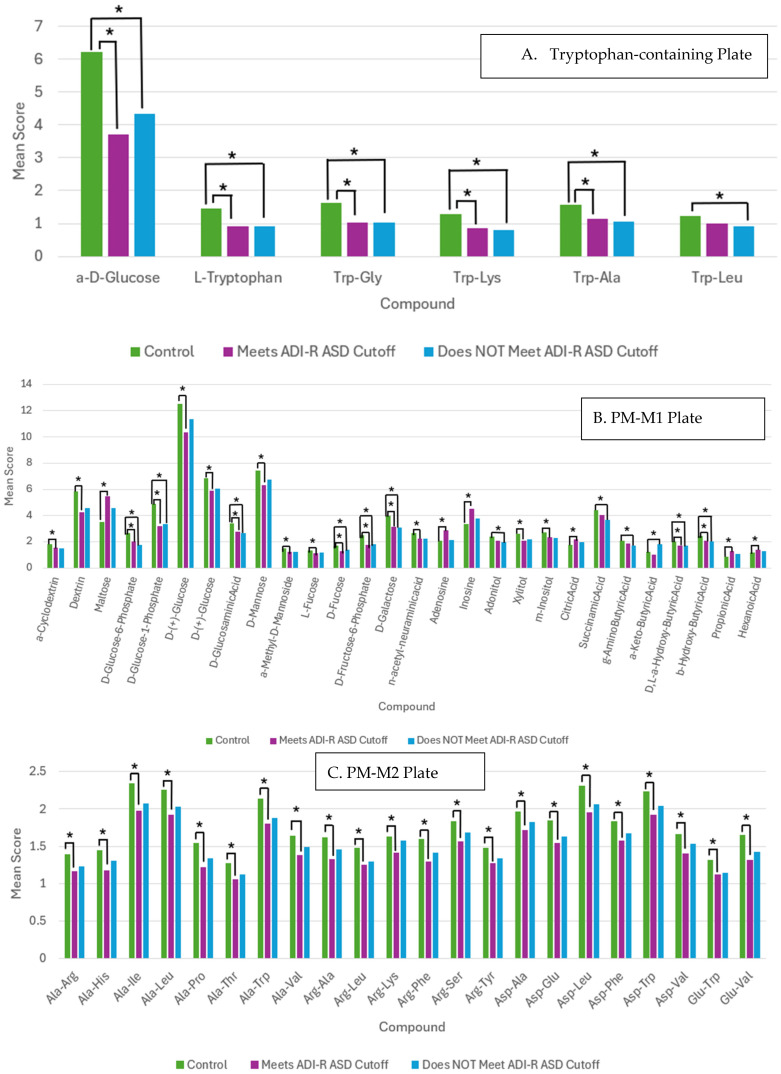 Figure 4
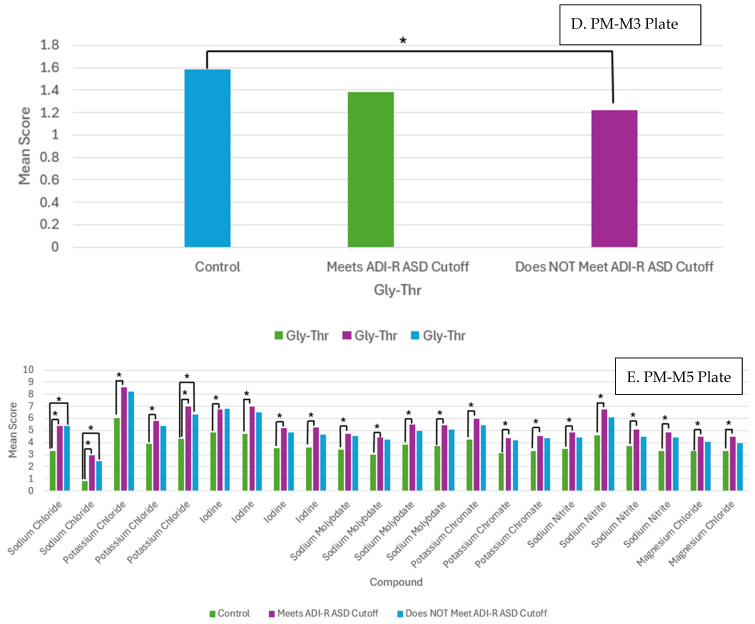 Figure 5
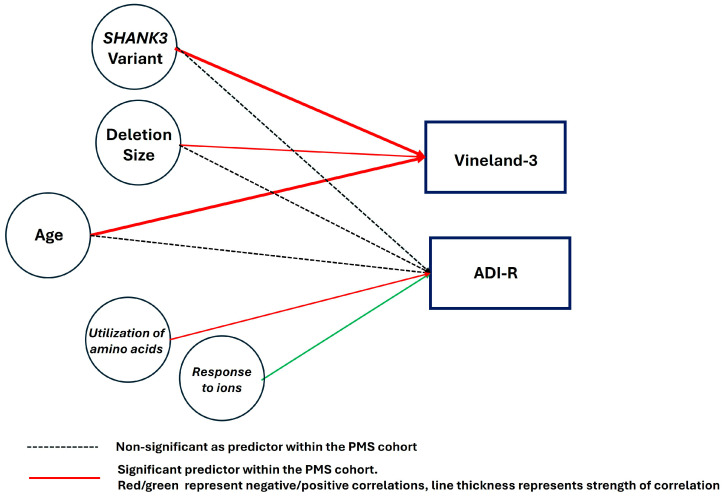 Figure 6
Peer Reviews
No public reviews on file for this paper yet. If you reviewed it on a platform where reviews are public (OpenReview, ICLR, NeurIPS, ICML), you can paste yours below so the community can read it here.
Videos
No videos yet. Explain this paper in a talk, walkthrough, or lecture? Add one.
Taxonomy
TopicsGenomic variations and chromosomal abnormalities · Autism Spectrum Disorder Research · Congenital heart defects research