A Sophisticated Onscreen Smart Framework for Predicting Diabetes in Remote Healthcare
Koteeswaran Seerangan, Premalatha Gunasekaran, Nithya Rekha Sivakumar, Resmi Ravi Nair, Malarvizhi Nandagopal, Neeba Eralil Abi, Nalini Manogaran

TL;DR
This paper introduces a new AI-based framework called BOLD for predicting diabetes efficiently in remote healthcare settings.
Contribution
The novel BOLD framework combines optimization techniques with deep learning to improve diabetes prediction accuracy and efficiency.
Findings
The BOLD model achieved high accuracy (0.996) and AUC (0.99) in diabetes prediction.
It demonstrated excellent performance metrics including precision (0.991) and recall (0.99).
The framework operates efficiently with a processing time of just 0.8 seconds.
Abstract
Background/Objectives: Diabetes is one of the most familiar and common diseases among people currently, and is a type of metabolic disease that is caused due to high levels of sugar in the blood for longer periods of time. If the disease is predicted at an earlier stage, the severity and risks associated with diabetes are significantly reduced, which helps to save the lifespan of people. In earlier investigations, various kinds of automated models based on artificial intelligence (AI) were developed for this purpose. However, key issues still revolve around the lack of robustness, dependability, and precise prediction. The motivation behind the proposed study is to design and develop an automated tool for the diagnosis of chronic disease with the use of novel AI methodology. Methods: For this purpose, a new detection framework is introduced, known as the Brass Optimized Learning-Based…
Genes, proteins, chemicals, diseases, species, mutations and cell lines named across the full text — each resolved to its canonical identifier and authoritative record.
Click any figure to enlarge with its caption.
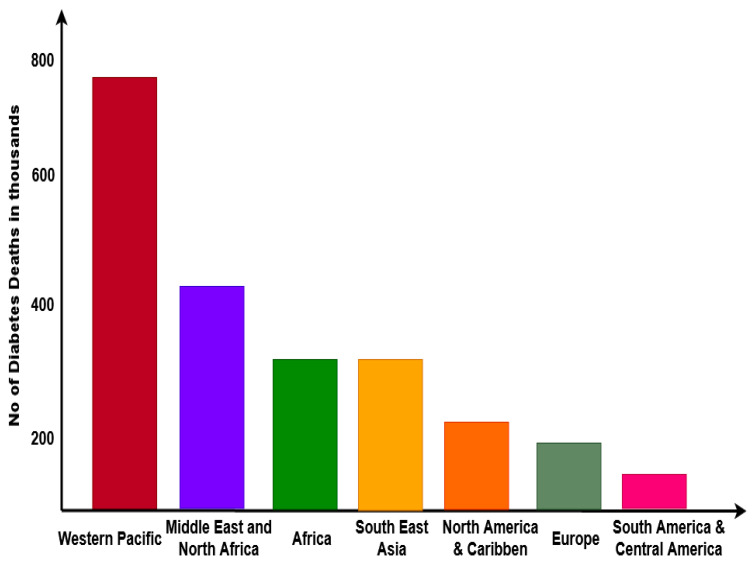 Figure 1
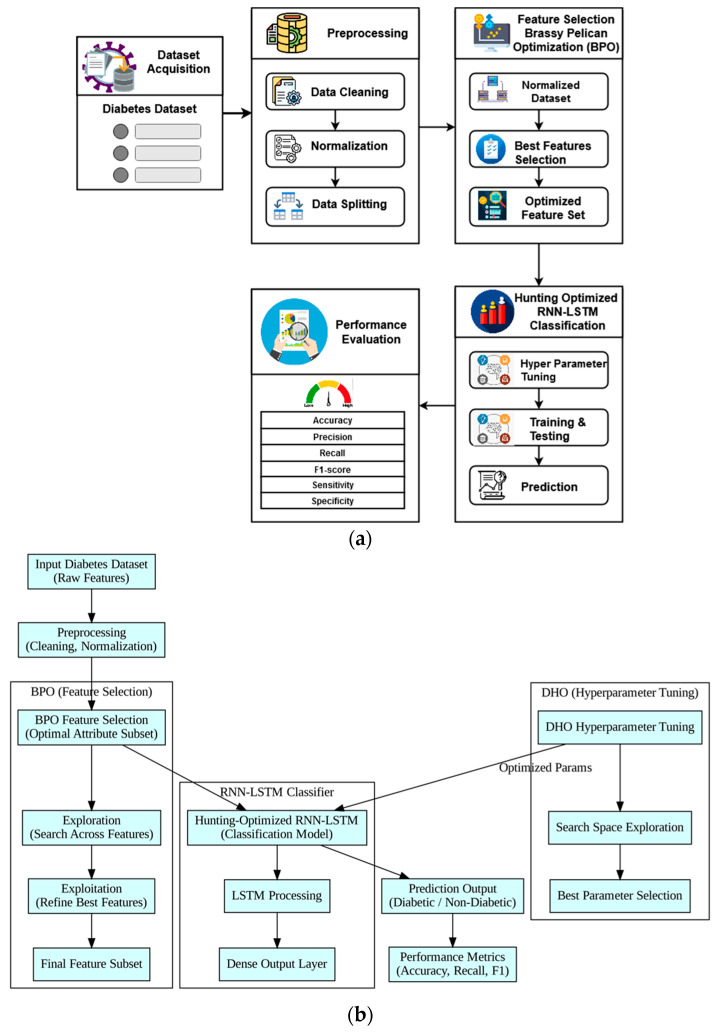 Figure 2
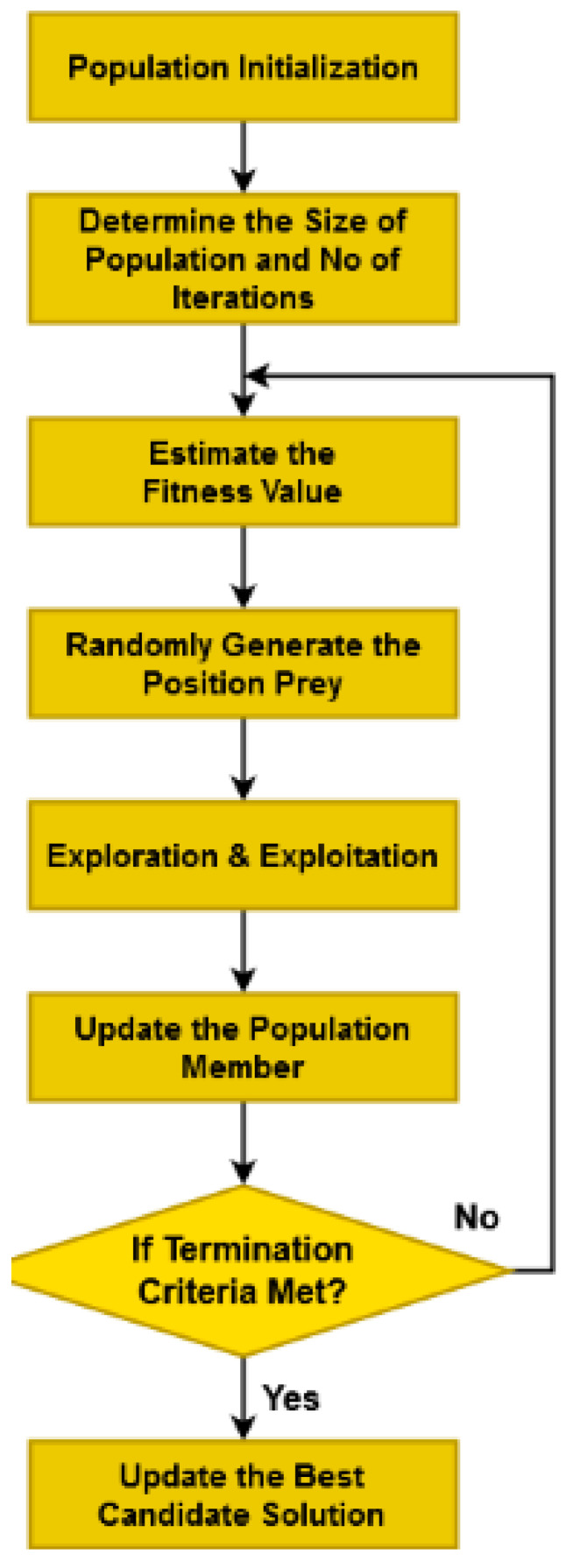 Figure 3
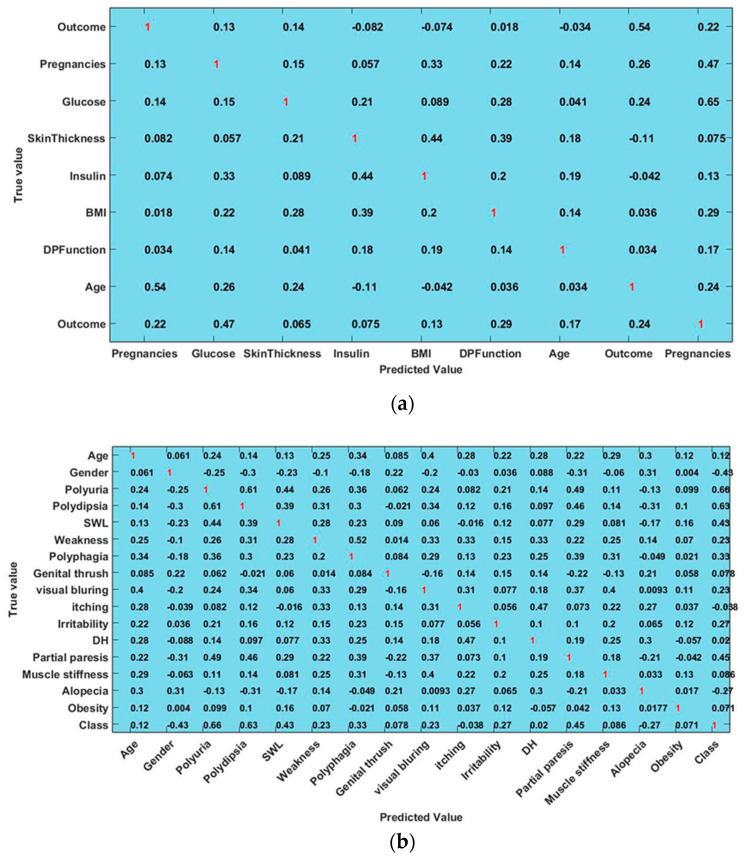 Figure 4
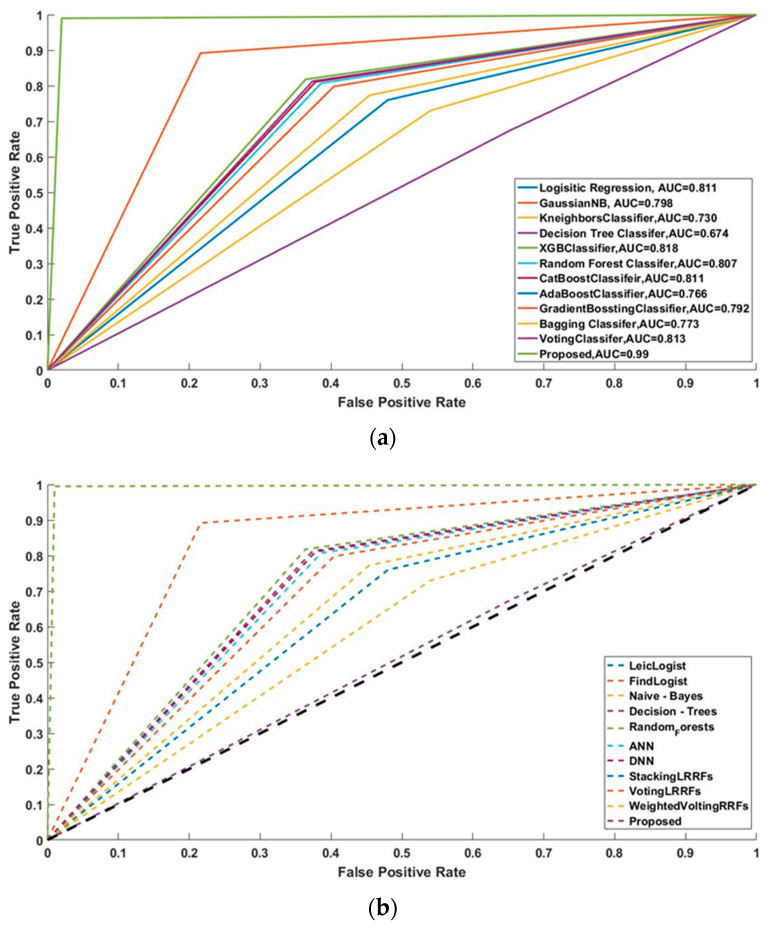 Figure 5
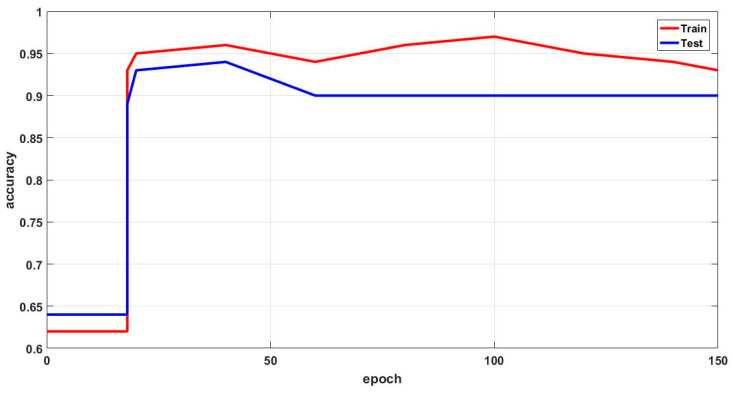 Figure 6
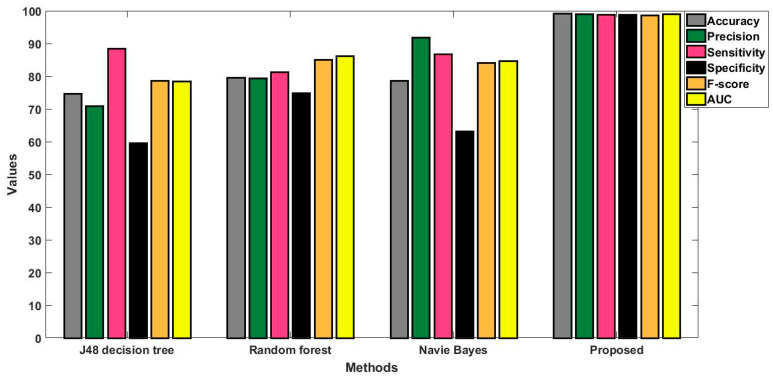 Figure 7
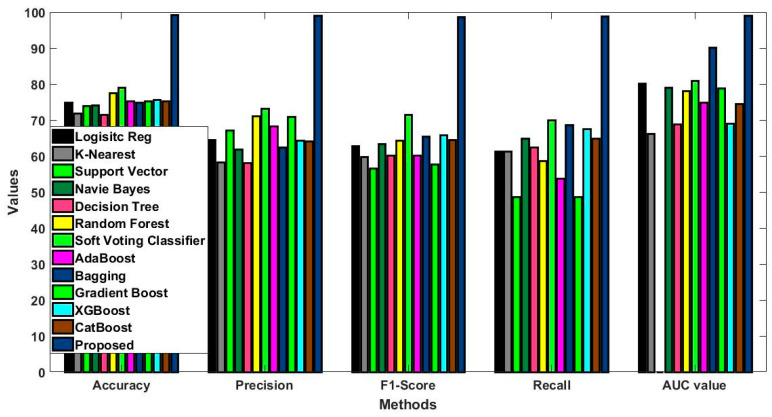 Figure 8
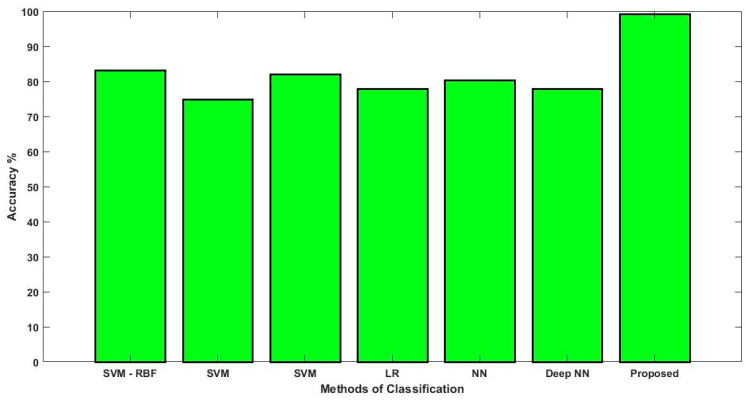 Figure 9
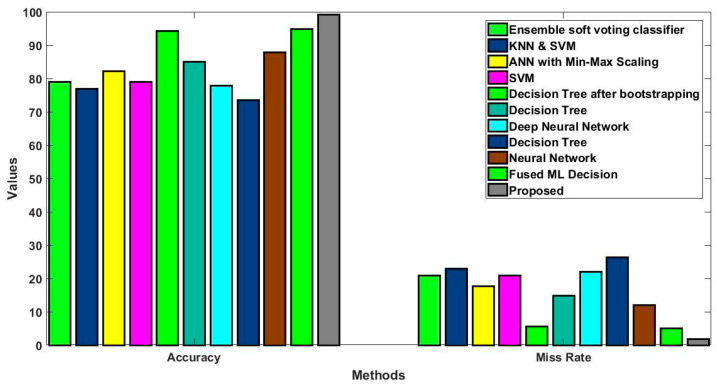 Figure 10
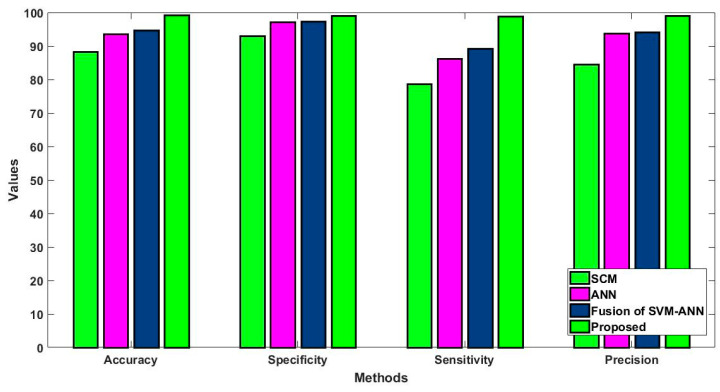 Figure 11
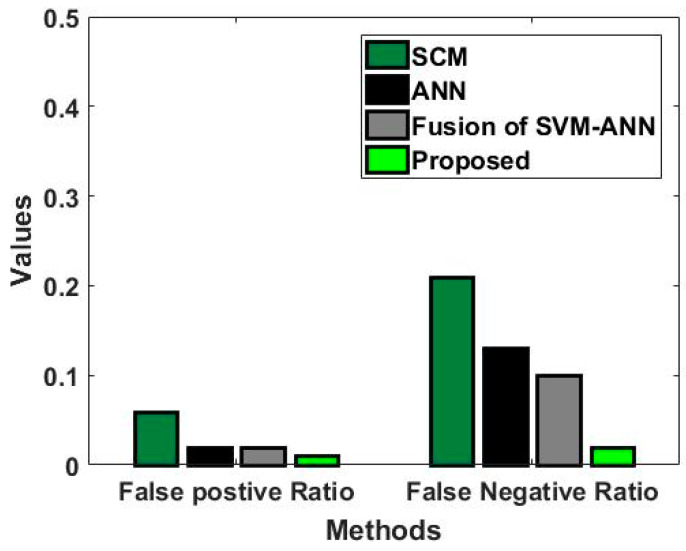 Figure 12
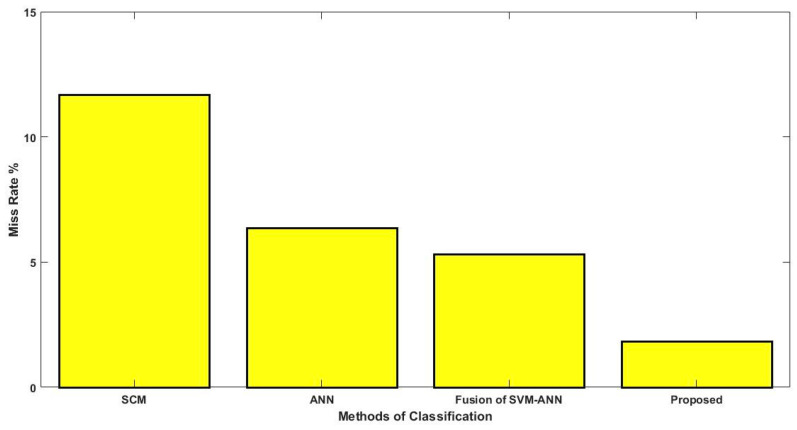 Figure 13
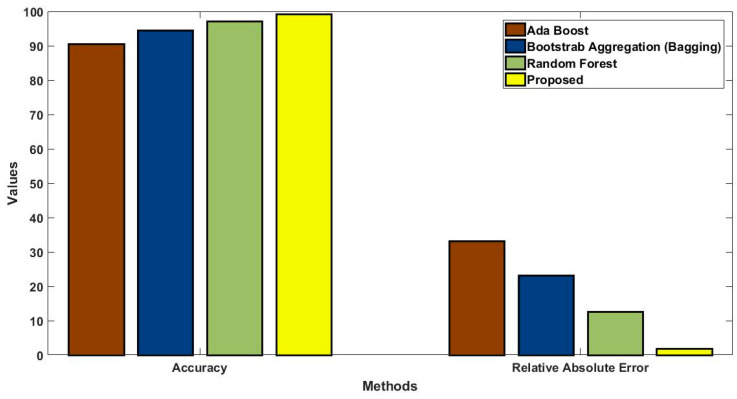 Figure 14
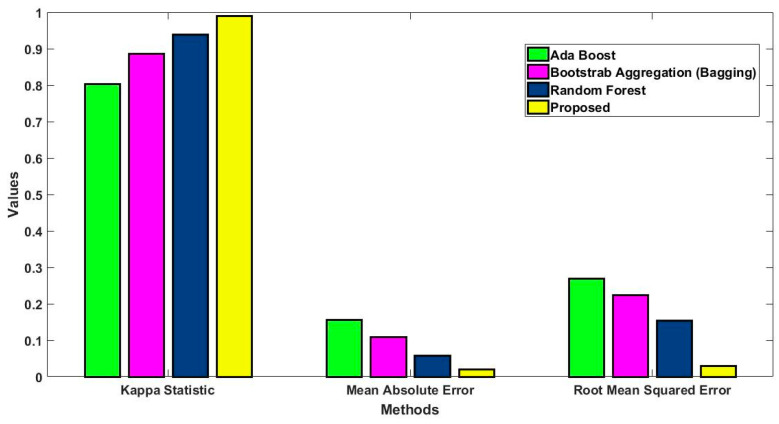 Figure 15
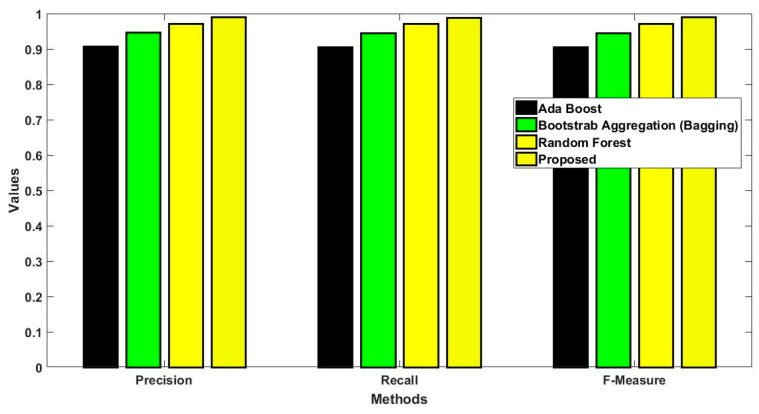 Figure 16
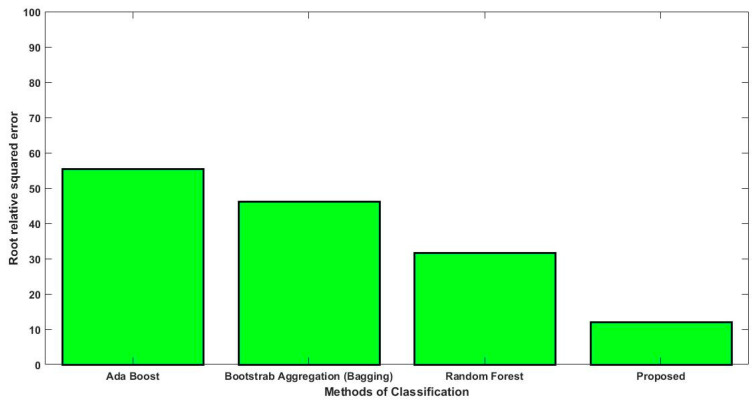 Figure 17
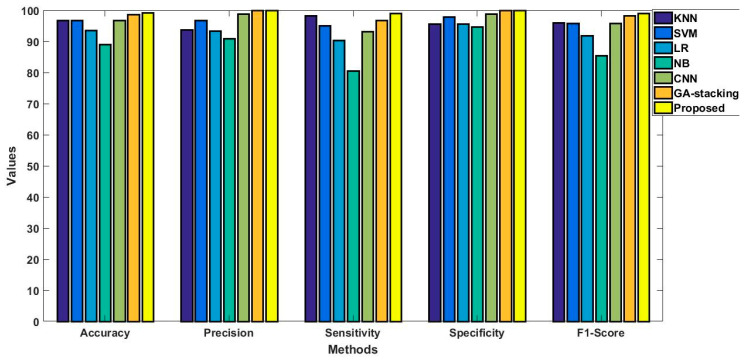 Figure 18
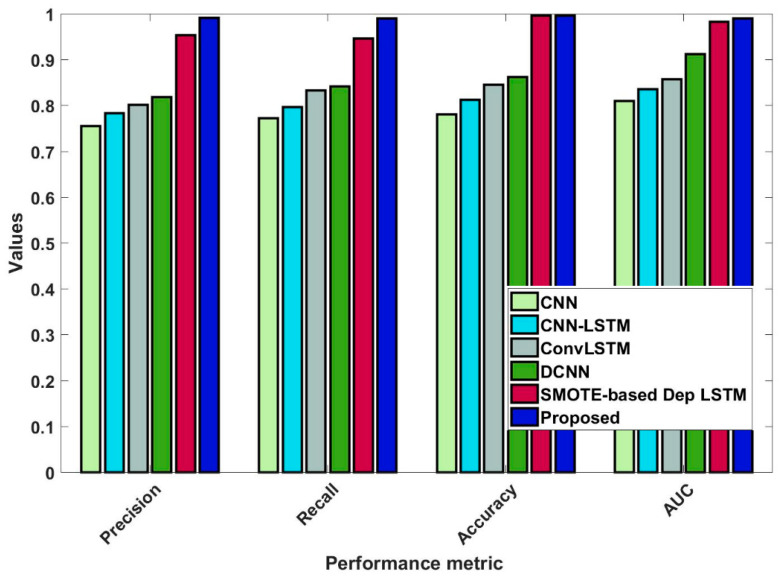 Figure 19
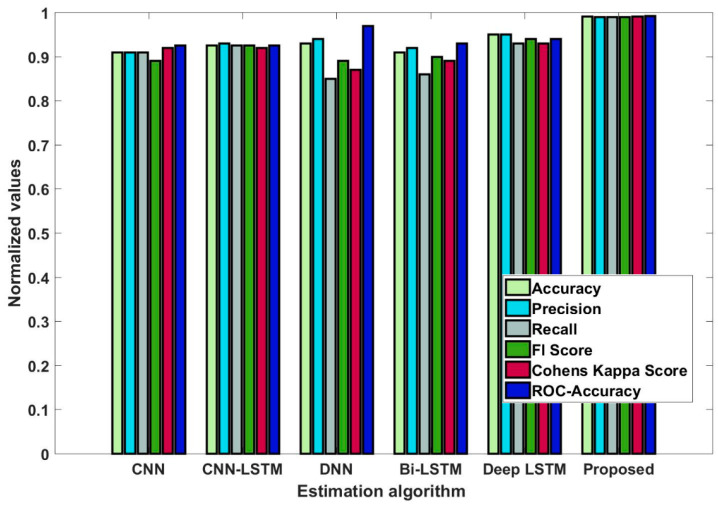 Figure 20
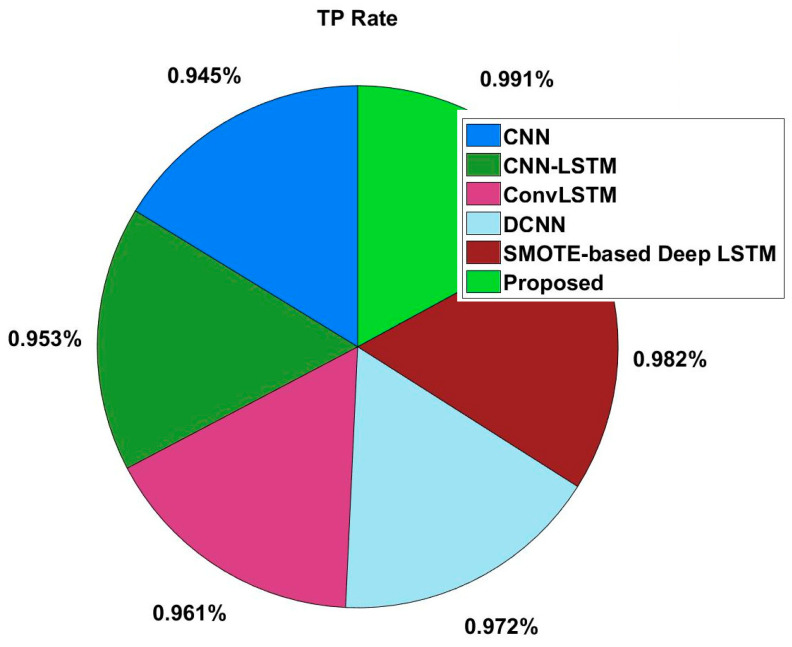 Figure 21
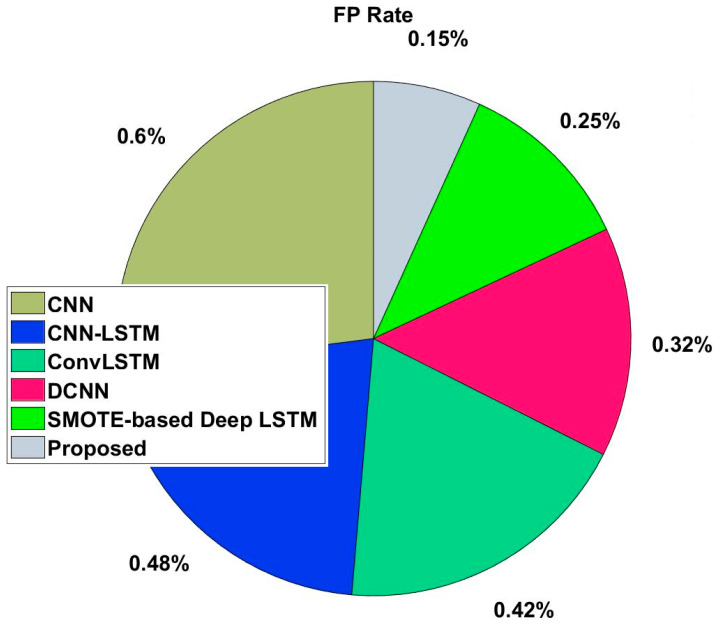 Figure 22
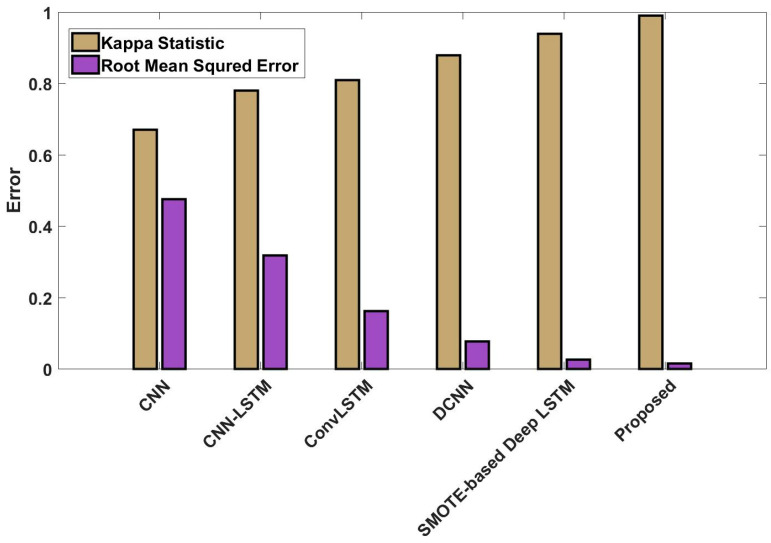 Figure 23
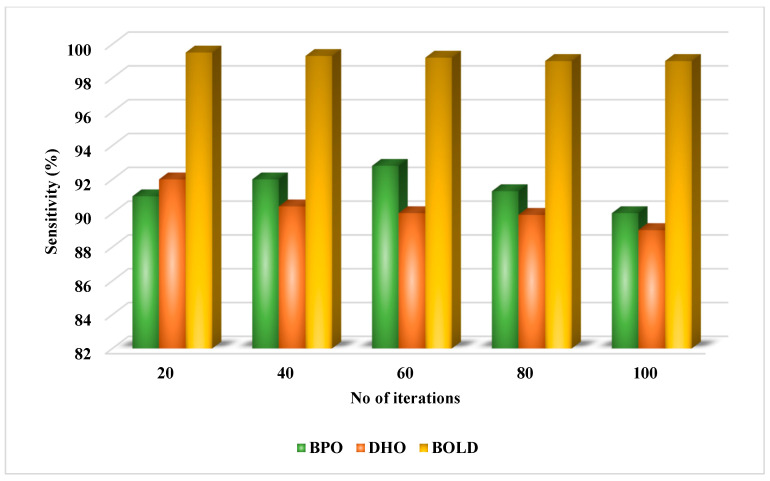 Figure 24
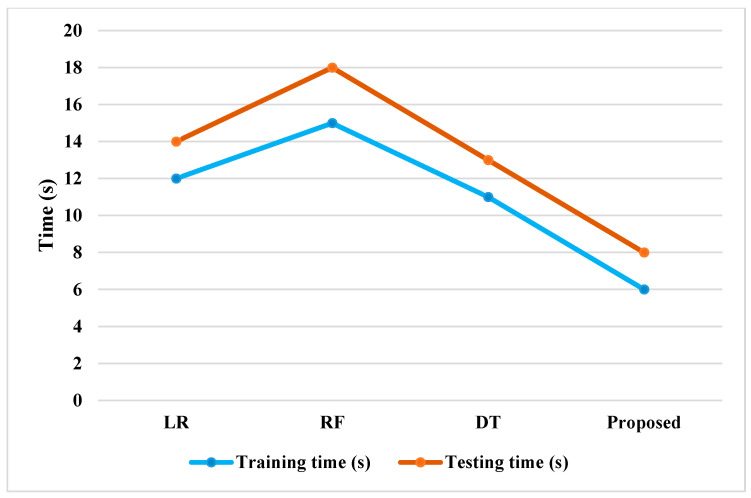 Figure 25
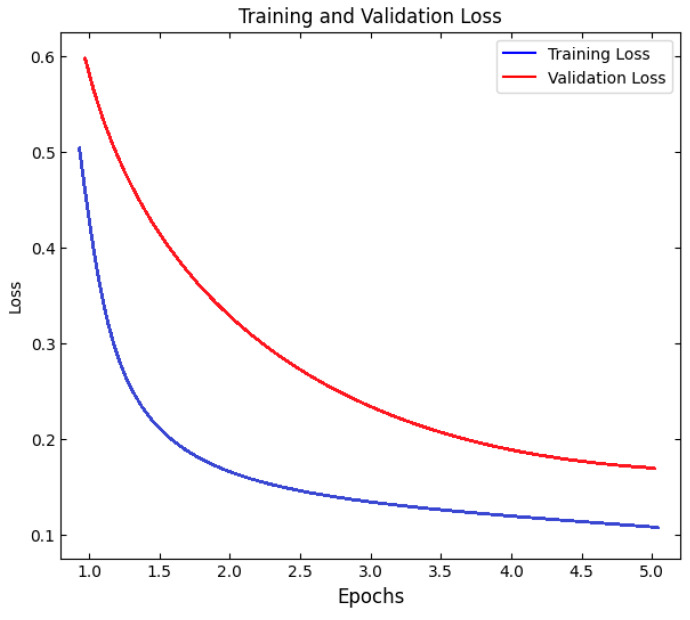 Figure 26
Peer Reviews
No public reviews on file for this paper yet. If you reviewed it on a platform where reviews are public (OpenReview, ICLR, NeurIPS, ICML), you can paste yours below so the community can read it here.
Videos
No videos yet. Explain this paper in a talk, walkthrough, or lecture? Add one.
Taxonomy
TopicsArtificial Intelligence in Healthcare · Advanced Technologies and Applied Computing · Machine Learning in Healthcare