Distinguishing Early Depression from Negative Emotion via Multi-Domain EEG Feature Fusion and Multi-Head Additive Attention Network
Ruoyu Du, Benbao Wang, Haipeng Gao, Tingting Xu, Shanjing Ju, Xin Xu, Jiangnan Xu

TL;DR
This paper introduces a neural network framework using EEG signals to distinguish early depression from negative emotions, offering a more objective diagnostic tool.
Contribution
A novel lightweight neural network with multi-head additive attention for EEG-based depression detection, outperforming existing methods.
Findings
The proposed model achieves 92.2% accuracy and 93% F1-score in distinguishing depression from negative emotions.
The framework outperforms baseline SVM and standard deep learning approaches in classification performance.
The model is computationally efficient and suitable for real-time mental health monitoring.
Abstract
The early diagnosis of depression is often impeded by the subjectivity inherent in traditional clinical assessments. To advance objective screening, this study proposes a lightweight neural network framework designed to discriminate between pathological depressive states and non-pathological transient negative emotions using EEG signals. Diverging from conventional methods that rely on single-domain features, we construct a comprehensive multi-domain feature space via Wavelet Packet Decomposition. Specifically, the framework integrates frequency (α/β power spectral density ratio), spatial (normalized α-asymmetry), and non-linear (Sample Entropy) attributes to capture the heterogeneous neurophysiological dynamics of depression. To effectively synthesize these diverse features, a multi-head additive attention mechanism is introduced. This mechanism empowers the model to adaptively…
Genes, proteins, chemicals, diseases, species, mutations and cell lines named across the full text — each resolved to its canonical identifier and authoritative record.
Click any figure to enlarge with its caption.
 Figure 1
 Figure 2
 Figure 3
 Figure 4
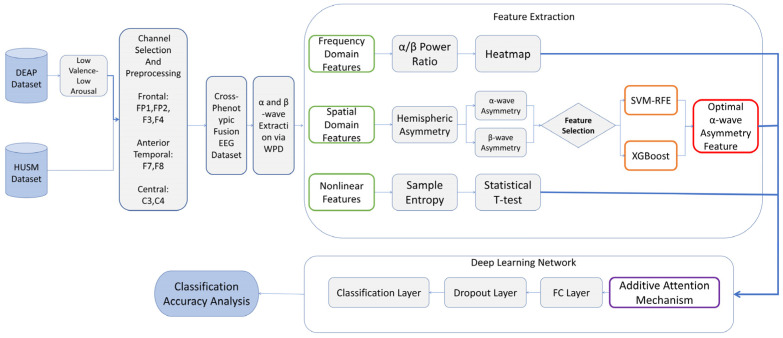 Figure 5
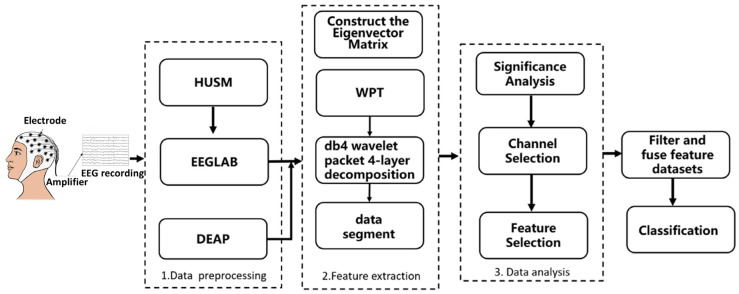 Figure 6
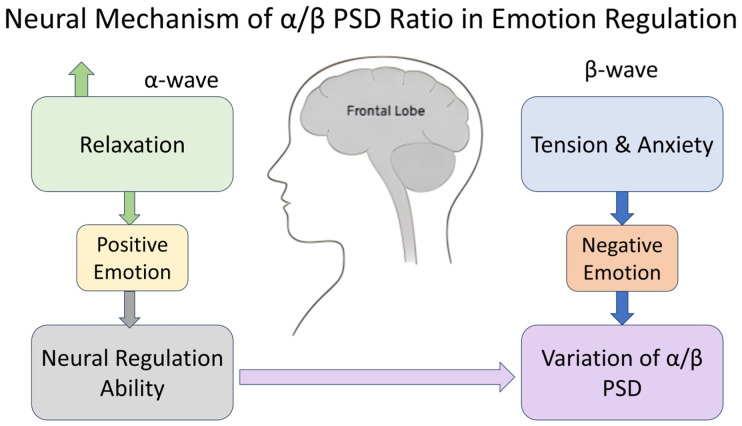 Figure 7
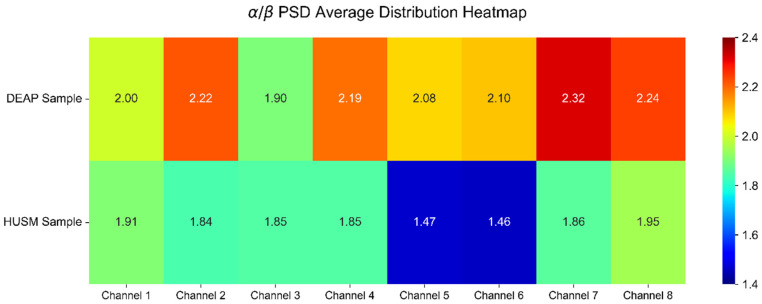 Figure 8
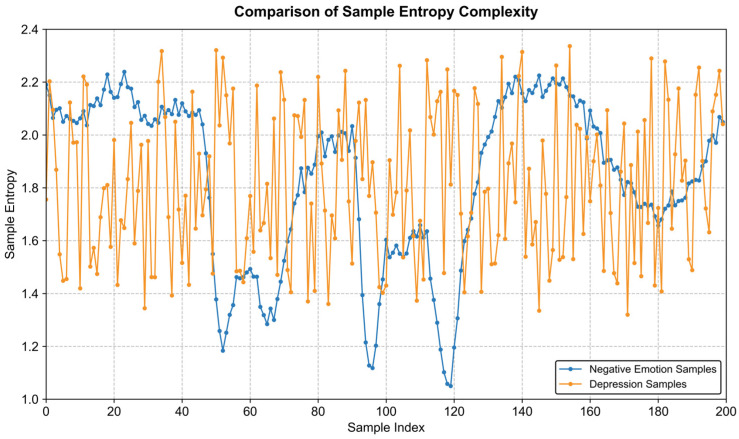 Figure 9
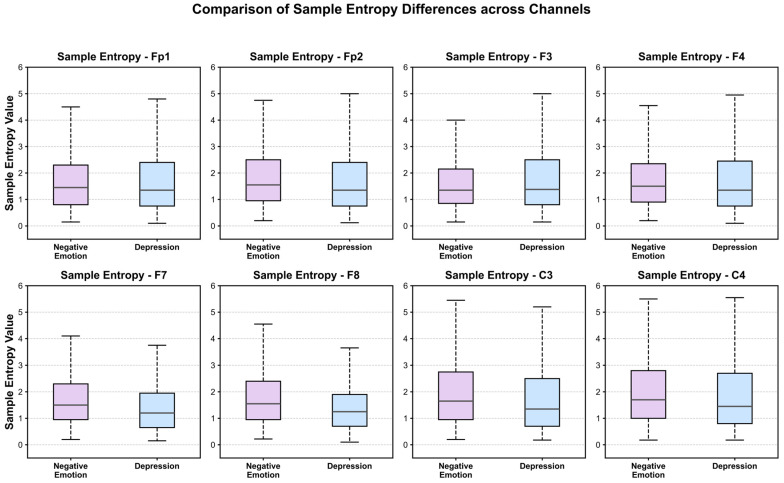 Figure 10
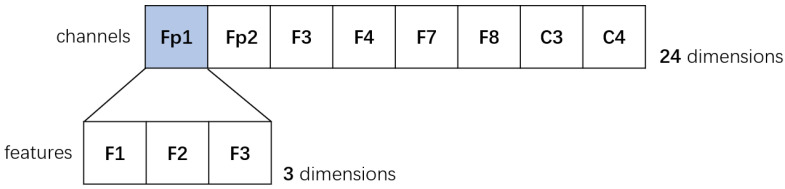 Figure 11
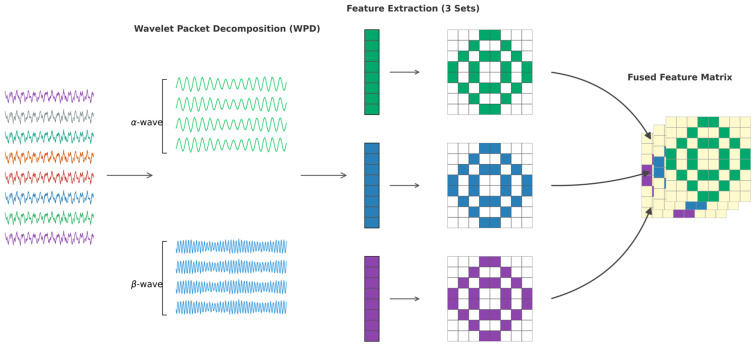 Figure 12
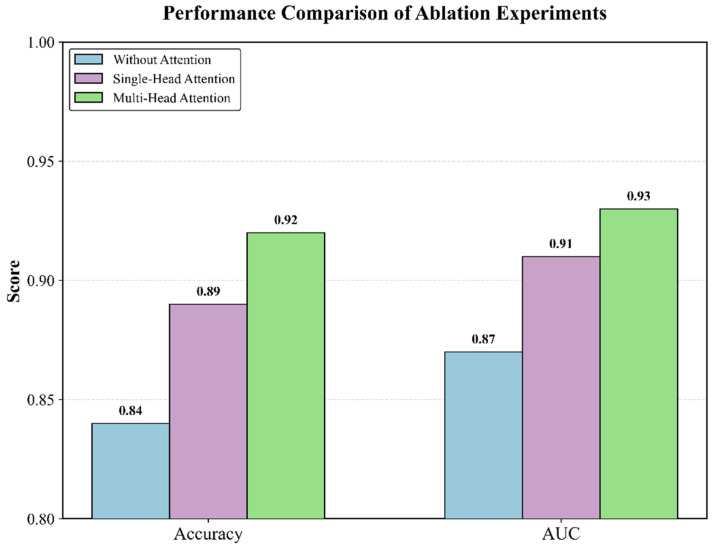 Figure 13
 Figure 14
 Figure 15
 Figure 16
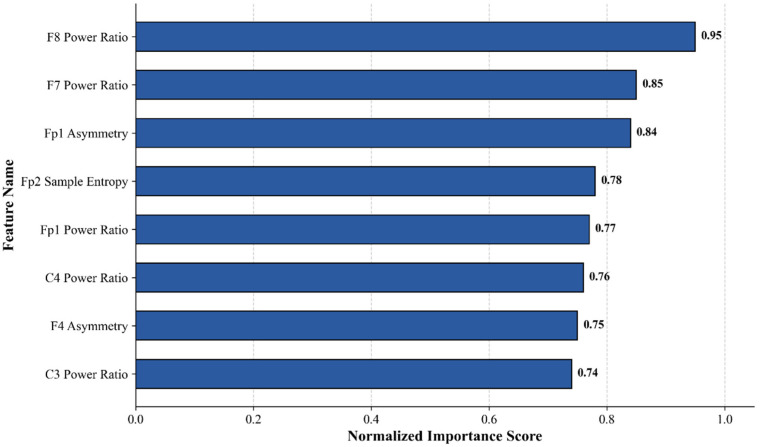 Figure 17
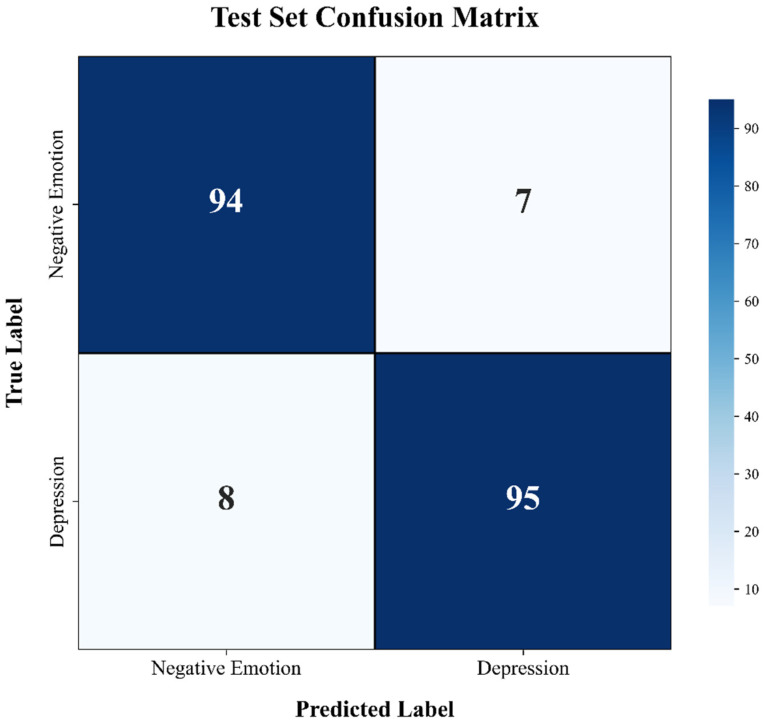 Figure 18
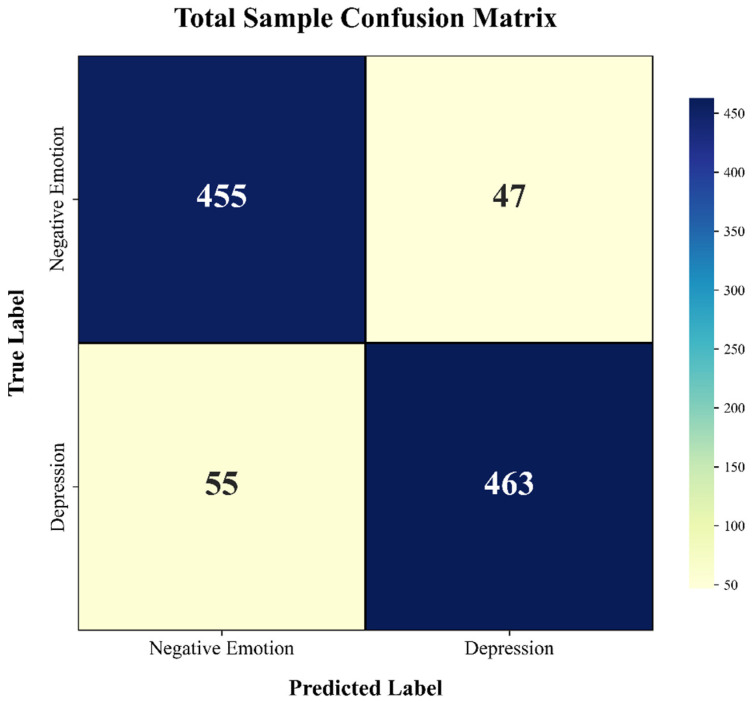 Figure 19
Peer Reviews
No public reviews on file for this paper yet. If you reviewed it on a platform where reviews are public (OpenReview, ICLR, NeurIPS, ICML), you can paste yours below so the community can read it here.
Videos
No videos yet. Explain this paper in a talk, walkthrough, or lecture? Add one.
Taxonomy
TopicsEmotion and Mood Recognition · EEG and Brain-Computer Interfaces · Digital Mental Health Interventions