Effects of Eribulin on Epithelial–Mesenchymal Plasticity in Patient-Derived Breast Cancer Cultures and Excised Tissues
Charles L. Bidgood, Erika Morera, Binny Jaradi, Tirsa van Wyngaard, Anu T. Koikalethu, Nathalie Bock, Veenoo Agarwal, Andrew D. Redfern, Erik W. Thompson

TL;DR
This study explores how eribulin affects cancer cell behavior in breast cancer tissues and cell lines, showing it can reverse a process linked to treatment resistance.
Contribution
The study demonstrates eribulin's ability to induce epithelial-like characteristics in breast cancer cells and improve chemotherapy response in specific cancer types.
Findings
Eribulin reduced EMT marker expression more effectively than standard chemotherapy in breast cancer patients.
Eribulin exposure increased E-cadherin expression in triple-negative breast cancer cells.
HER2-enriched breast cancer cells showed increased sensitivity to doxorubicin after eribulin treatment.
Abstract
Eribulin is an approved therapy for the treatment of breast cancer which has been shown to reverse the epithelial-to-mesenchymal transition (EMT) and improve the efficacy of standard chemotherapies in cell lines, animal studies, and clinical specimens. Tumour EMT status has also been linked to eribulin efficacy. Based on this, we evaluated the effects of eribulin in patient-derived breast cancer cultures and a triple-negative breast cancer cell line to assess changes to EMT and therapy response. We further identified the induction of epithelial-like characteristics, including E-cadherin expression in a patient-derived HER2+ primary tissue with a predominantly mesenchymal phenotype following longitudinal eribulin exposure. Additionally, we compared EMT marker expression in breast cancers treated with standard-of-care neoadjuvant docetaxel, Adriamycin and cyclophosphamide (TAC) therapy…
Genes, proteins, chemicals, diseases, species, mutations and cell lines named across the full text — each resolved to its canonical identifier and authoritative record.
Click any figure to enlarge with its caption.
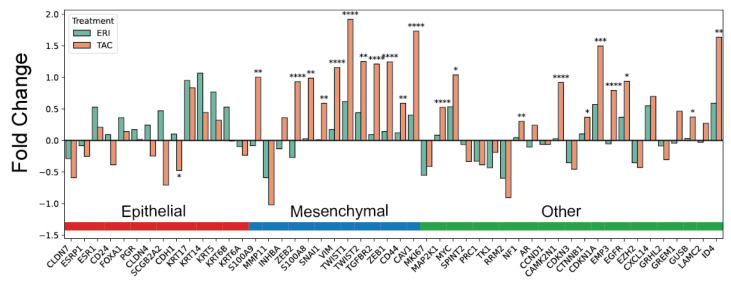 Figure 1
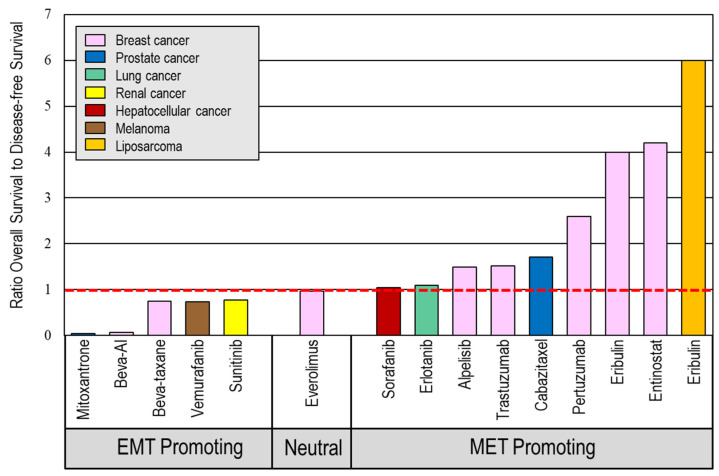 Figure 2
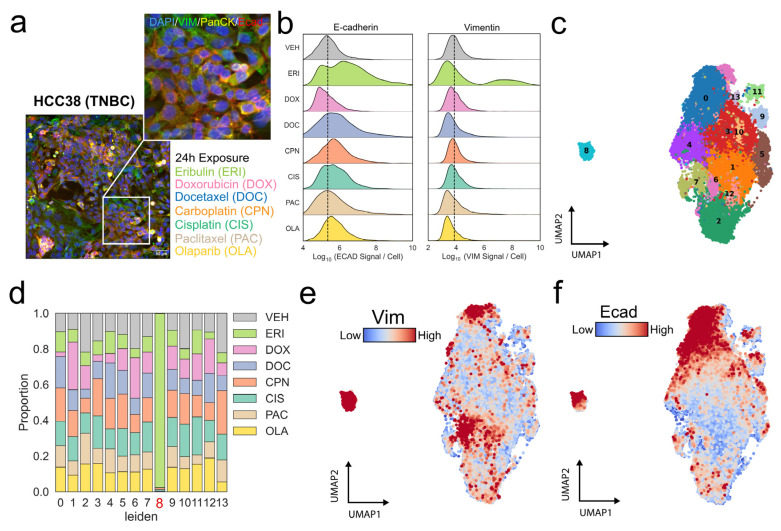 Figure 3
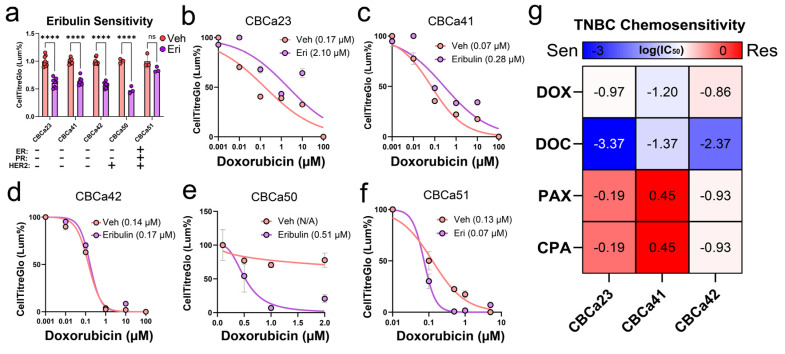 Figure 4
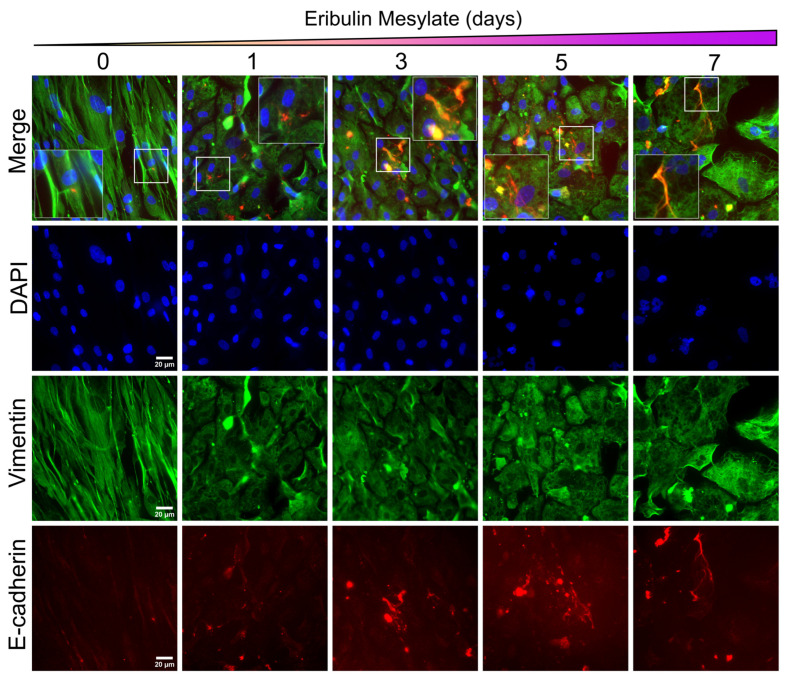 Figure 5
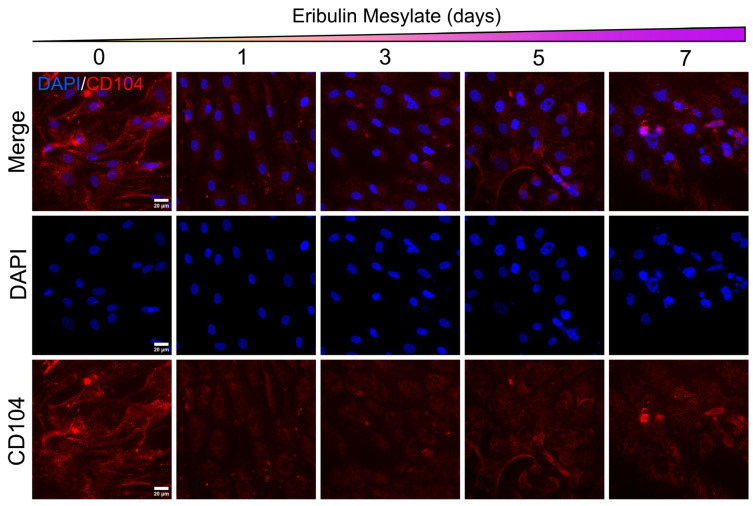 Figure 6
Peer Reviews
No public reviews on file for this paper yet. If you reviewed it on a platform where reviews are public (OpenReview, ICLR, NeurIPS, ICML), you can paste yours below so the community can read it here.
Videos
No videos yet. Explain this paper in a talk, walkthrough, or lecture? Add one.
Taxonomy
TopicsCancer Cells and Metastasis · Cancer Treatment and Pharmacology · HER2/EGFR in Cancer Research