Peer review of the pesticide risk assessment of the active substance ziram
Fernando Álvarez, Maria Arena, Domenica Auteri, Sofia Batista Leite, Marco Binaglia, Anna Federica Castoldi, Arianna Chiusolo, Angelo Colagiorgi, Mathilde Colas, Federica Crivellente, Chloe De Lentdecker, Isabella De Magistris, Mark Egsmose, Gabriella Fait, Franco Ferilli

TL;DR
This paper summarizes the peer review of ziram, a fungicide, assessing its safety and residue levels on fruit trees in the EU.
Contribution
The paper provides updated conclusions on ziram's risk assessment and identifies missing data for regulatory compliance.
Findings
Ziram's use as a fungicide on plum, pear, and peach trees was evaluated for regulatory risk assessment.
Maximum residue levels in pear were assessed, and reliable endpoints were identified.
Concerns and missing information required by EU regulations were highlighted.
Abstract
The conclusions of the European Food Safety Authority (EFSA) following the peer review of the initial risk assessments carried out by the competent authorities of the rapporteur Member State, Italy, and co‐rapporteur Member State, Malta, for the pesticide active substance ziram and the assessment of applications for maximum residue levels (MRLs) are reported. The context of the peer review was that required by Commission Implementing Regulation (EU) No 844/2012, as amended by Commission Implementing Regulation (EU) No 2018/1659. The conclusions were reached on the basis of the evaluation of the representative uses of ziram as a fungicide on plum, pear and peach trees. MRLs were assessed in pear. The reliable end points, appropriate for use in regulatory risk assessment, are presented. Missing information identified as being required by the regulatory framework is listed. Concerns are…
Genes, proteins, chemicals, diseases, species, mutations and cell lines named across the full text — each resolved to its canonical identifier and authoritative record.
Click any figure to enlarge with its caption.
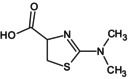 Figure 1
 Figure 2
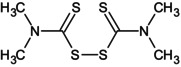 Figure 3
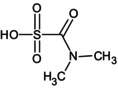 Figure 4
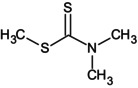 Figure 5
 Figure 6
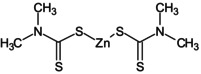 Figure 7
 Figure 8
 Figure 9
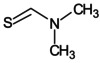 Figure 10
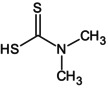 Figure 11
 Figure 12
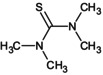 Figure 13
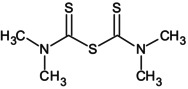 Figure 14
 Figure 15
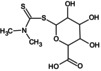 Figure 16
| Compound (name and/or code) | Genotoxicity—hazard identified | General toxicity—reference values of parent apply |
|---|---|---|
|
|
No concern for mutagenicity and clastogenicity. Negative in in vitro assays (Ames test, mammalian cell mutation assay, chromosome aberration) In silico analysis: No alerts for genotoxicity According the current state of the art (EFSA, | In silico analysis: No alert for carcinogenicity |
| No data on repeated dose toxicity ( | ||
|
| Covered by the toxicity of the parent a.s. in the assessment of thiram (EFSA, | Covered by the toxicity of the parent a.s. in the assessment of thiram (EFSA, |
| The HBGVs of thiram (EFSA, | ||
| ADI = 0.01 mg/kg bw per day | ||
| ARfD = 0.025 mg/kg bw | ||
|
| Negative in three in vitro genotoxicity studies (Ames test, gene mutation mouse lymphoma assay and chromosomal aberration test in human lymphocytes) (Studies available in thiram RAR; EFSA, | Acute LD50 > 2500 mg/kg (studies available in thiram RAR; EFSA, |
| Insufficient data on repeated dose toxicity ( | ||
|
| Concluded as genotoxic by EFSA CONTAM Panel ( | Classified as |
|
( (drinking water following treatment) | Acutely toxic by ingestion (H301) and inhalation (H330) | |
| Carcinogen 1B (H350) | ||
| STOT RE 1 (H372) | ||
| BMDL10 for increased incidence of hepatic tumours = 35 μg/kg bw per day (EFSA CONTAM Panel, |
| FOCUSsw scenario | Acute fish (geomean) 2.28 kg a.s./ha | Acute fish (geomean) 1.52 kg a.s./ha | Chronic fish | Invertebrate Acute | Invertebrate chronic 2.28 kg a.s./ha | Invertebrate chronic 1.52 kg a.s./ha | Algae 2.28 kg a.s./ha | Algae 1.52 kg a.s./ha |
|---|---|---|---|---|---|---|---|---|
|
| ||||||||
| D3 |
|
|
|
|
|
| LR | LR |
| D4 |
|
|
|
|
|
| LR |
|
| D5 |
|
|
|
|
|
| LR |
|
| R1 |
|
|
|
|
|
| LR | LR |
| R2 |
|
|
|
|
|
| LR |
|
| R3 |
|
|
|
|
|
| LR |
|
| R4 |
|
|
|
|
|
| LR | LR |
|
| ||||||||
| D3 |
|
|
|
|
| LR | LR | LR |
| D4 |
|
|
|
|
|
| LR | LR |
| D5 |
|
|
|
|
|
| LR | LR |
| R1 |
|
|
|
|
| LR | LR | LR |
| R2 |
|
|
|
|
|
| LR | LR |
| R3 |
|
|
|
|
|
| LR | LR |
| R4 |
| LR |
|
|
| LR | LR | LR |
| Compound (name and/or code) | Ecotoxicology |
|---|---|
| Ziram | Low risk to soil organisms. |
| Thiram | Low risk to soil organisms. |
| DMCS | Low risk to earthworms and soil microorganisms. Data gap for toxicity data and risk assessment for soil macro‐organisms other than earthworms. |
| 1,1‐dimethylurea | Low risk to soil organisms. |
| Compound (name and/or code) | > 0.1 μg/L at 1 m depth for the representative uses | Biological (pesticidal) activity/relevance Step 3a. | Hazard identified Steps 3b. and 3c. | Consumer RA triggered Steps 4 and 5 | Human health relevance |
|---|---|---|---|---|---|
| Ziram | No | Yes | – | – | Yes |
| Thiram | No | Yes | – | – | Yes, as relevant at Step 3a |
| DMCS | Yes | Data gap | No | Yes | Open |
| All pertinent groundwater scenarios for all representative uses 6.781–42.174 μg/L | Negative in three in vitro genotoxicity tests (See Section | Information on repeated dose toxicity was not available ( |
| Compound (name and/or code) | Ecotoxicology |
|---|---|
| Ziram | High acute and chronic risk to fish and invertebrates for all uses; low risk to algae for uses 4, 5 and for 3 of 7 scenarios for uses 1,2,3 |
| Thiram | Low risk (for uses 4 and 5), data gap (uses 1, 2, 3) |
| DMCS | Low risk (for uses 4 and 5), data gap (uses 1, 2, 3) |
| Tetramethylthiuram monosulfide | Data gap |
| Unknown M6 | Data gap |
| Unknown M8 | Data gap |
| Unknown component 1 | Data gap |
| Unknown component 3 | Data gap |
| Unknown component 10 | Data gap |
| Compound (name and/or code) | Toxicology |
|---|---|
| Ziram | NOAEL 0.1 mg/m3 (corresponding to 0.027 mg/kg bw per day – 28‐day inhalation study in rats) |
| Rat LC50: 0.06 mg/L (whole body exposure) |
| Representative use | Use 1 and 4 peach PHI BBCH 69 and post‐harvest | Use 2 and 5 plum PHI 21 d and post‐harvest | Use 3 pear PHI 60 d | |
|---|---|---|---|---|
| Foliar spray | Foliar spray | Foliar spray | ||
|
| Risk identified | |||
| Assessment not finalised | X7 | X7 | X7 | |
|
| Risk identified | |||
| Assessment not finalised | X7 | X7 | X7 | |
|
| Risk identified | |||
| Assessment not finalised | X7 | X7 | X7 | |
|
| Risk identified | X8 | X8 | X8 |
| Assessment not finalised | X1,2,7 | X1,2,7 | X1,2,7 | |
|
| Risk identified | X10 | X10 | X10 |
| Assessment not finalised | ||||
|
| Risk identified | X (bees) | X (bees) | X (bees) |
| Assessment not finalised | X5 | X5 | X5 | |
|
| Risk identified | X11 | X11 | X11 |
| Assessment not finalised | X3,4 | X3,4 | X3,4 | |
|
| Legal parametric value breached | |||
| Assessment not finalised | ||||
|
| Legal parametric value breached | |||
| Parametric value of 10 μg/L | ||||
| Assessment not finalised | X1 | X1 | X1 | |
Peer Reviews
No public reviews on file for this paper yet. If you reviewed it on a platform where reviews are public (OpenReview, ICLR, NeurIPS, ICML), you can paste yours below so the community can read it here.
Videos
No videos yet. Explain this paper in a talk, walkthrough, or lecture? Add one.
Taxonomy
TopicsAgricultural safety and regulations · Pesticide Residue Analysis and Safety · Insect and Pesticide Research
SUMMARY
Commission Implementing Regulation (EU) No 844/2012, as amended by Commission Implementing Regulation (EU) No 2018/1659, lays down the procedure for the renewal of the approval of active substances submitted under Article 14 of Regulation (EC) No 1107/2009. The list of those substances is established in Commission Implementing Regulation (EU) No 686/2012. Ziram is one of the active substances listed in Regulation (EU) No 686/2012.
In accordance with Article 1 of Regulation (EU) No 844/2012, the rapporteur Member State (RMS), Italy, and co‐rapporteur Member State (co‐RMS), Malta, received an application from Taminco BVBA for the renewal of approval of the active substance ziram. In addition, Taminco BVBA submitted an application for maximum residue levels (MRLs), as referred to in Article 7 of Regulation (EC) No 396/2005.
An initial evaluation of the dossier on ziram was provided by the RMS in the renewal assessment report (RAR), and subsequently, a peer review of the pesticide risk assessment on the RMS evaluation was conducted by EFSA in accordance with Article 13 of Commission Implementing Regulation (EU) No 844/2012, as amended by Commission Implementing Regulation (EU) No 2018/1659. The following conclusions are derived.
The uses of ziram according to the representative uses as a fungicide on plum, pear and peach trees in the field via foliar spray application, as proposed at EU level, result in a sufficient fungicidal efficacy against the target pests.
The assessment of the data package revealed no issues that could not be finalised or that need to be included as critical areas of concern with respect to the identity, physical, chemical and technical properties of ziram or the formulation for representative uses and analytical methods.
In the field of mammalian toxicology, the assessment of the genotoxicity potential of ziram could not be finalised in view of the positive in vitro mutagenicity results, which were not followed up by an in vivo study, and the lack of evidence of bone marrow exposure in the available in vivo studies on clastogenicity and aneugenicity. The absence of a conclusive genotoxicity assessment prevented the setting of health‐based guidance values (HBGVs), which is considered a critical area of concern. This also prevented the completion of dietary and non‐dietary risk assessments for the active substance. Additionally, the toxicological assessment of metabolites M1 (in residue) and DMCS (in groundwater) could not be finalised due to the lack of information on their repeated dose toxicity; for DMCS, this also resulted in its groundwater relevance assessment not being finalised.
In the field of residues, the consumer risk assessment could not be finalised due to the open genotoxicity assessment and due to data gaps for further assessment of the toxicological profile of metabolites, concerning the magnitude of residues in pears and pending the requested study with ziram on the nature of residue in processed commodities. A critical area of concern was identified due to the potential for consumer exposure of the genotoxic and carcinogenic water treatment transformation product *N,N‐*dimethylnitrous amide (NDMA).
The data available on environmental fate and behaviour were sufficient to carry out the required environmental exposure assessments at EU level for the representative uses, with the notable exception that five unidentified surface water metabolites need identification; consequently, exposure assessments for them were not finalised, contributing to the aquatic risk assessment for them being not finalised, as further discussed in the paragraph on the field of ecotoxicology below.
In the field of ecotoxicology, a critical area of concern was identified for birds and mammals and aquatic organisms. Risk assessments were not carried out (issue not finalised) for sediment‐dwelling organisms for the active substance ziram, and for its pertinent metabolites in surface water (thiram, DMCS, tetramethylthiuram monosulfide, unknown M6, unknown M8, unknown component 1, unknown component 3 and unknown component 10) and sediment (tetramethylthiuram monosulfide). For the metabolite DMCS in soil, the surrogate risk assessment was not sufficient to exclude a risk to soil macro‐organisms other than earthworms (issue not finalised).
With regard to the endocrine disruption (ED) properties, based on the available data and assessment, it can be concluded that ziram does not meet the ED criteria for humans according to point 3.6.5 of Annex II to Regulation (EC) No 1107/2009, as amended by Commission Regulation (EU) 2018/605. For non‐target organisms other than mammals, due to the drawbacks identified in the available studies, the assessment of the endocrine disruption potential of ziram according to point 3.8.2 of Annex II to Regulation (EC) No 1107/2009, as amended by Commission Regulation (EU) 2018/605, could not be concluded for the EATS‐modalities.
It is noted that a parallel assessment is ongoing under ECHA's evaluation process and that additional data were submitted under the REACH registration, not available in the current peer review (see Sections 2 and 6). It is acknowledged that the outcome of the ED assessment for non‐target organisms other than mammals (EATS modalities) as well as the outcome on the genotoxicity assessment of ziram may evolve in the future, should further data be submitted or considered within the above ECHA process(es). The present conclusions reflect only the data formally submitted and assessed within the current peer review.
BACKGROUND
Commission Implementing Regulation (EU) No 844/20121, as amended by Commission Implementing Regulation (EU) No 2018/16592 (hereinafter referred to as ‘the Regulation’), lays down the provisions for the procedure of the renewal of the approval of active substances, submitted under Article 14 of Regulation (EC) No 1107/2009.3 This regulates for the European Food Safety Authority (EFSA) the procedure for organising the consultation of Member States, the applicant(s) and the public on the initial evaluation provided by the rapporteur Member State (RMS) and/or co‐rapporteur Member State (co‐RMS) in the renewal assessment report (RAR), and the organisation of an expert consultation where appropriate.
In accordance with Article 13 of the Regulation, unless formally informed by the European Commission that a conclusion is not necessary, EFSA is required to adopt a conclusion on whether the active substance can be expected to meet the approval criteria provided in Article 4 of Regulation (EC) No 1107/2009 within 5 months from the end of the period provided for the submission of written comments, subject to an extension of an additional 3 months where additional information is required to be submitted by the applicant(s) in accordance with Article 13(3). Furthermore, in accordance with Article 13(3a), where the information available in the dossier is not sufficient to conclude the assessment on whether the approval criteria for endocrine disruption are met, additional information can be requested to be submitted in a period of minimum 3 months, not exceeding 30 months, depending on the type of information requested.
In accordance with Article 1 of the Regulation, the RMS, Italy, and co‐RMS, Malta, received an application from Taminco BVBA for the renewal of approval of the active substance ziram. In addition, Taminco BVBA submitted applications for maximum residue levels (MRLs) as referred to in Article 7 of Regulation (EC) No 396/2005.4 Complying with Article 8 of the Regulation, the RMS checked the completeness of the dossier and informed the applicant, the co‐RMS (Malta), the European Commission and EFSA about the admissibility.
The RMS provided its initial evaluation of the dossier on ziram in the RAR, which was received by EFSA on 26 February 2018 (Italy, 2018).
In accordance with Article 12 of the Regulation, EFSA distributed the RAR to the Member States and the applicant, Taminco BVBA, for consultation and comments on 3 July 2018. EFSA also provided comments. In addition, EFSA conducted a public consultation on the RAR. EFSA collated and forwarded all comments received to the European Commission on 10 September 2018. At the same time, the collated comments were forwarded to the RMS for compilation and evaluation in the format of a reporting table. The applicant was invited to respond to the comments in column 3 of the reporting table. The comments and the applicant's response were evaluated by the RMS in column 3.
The need for expert consultation and the necessity for additional information to be submitted by the applicant in accordance with Article 13(3) of the Regulation were considered in a telephone conference between EFSA, the RMS and ECHA on 5 November 2018. On the basis of the comments received, the applicant's response to the comments and the RMS's evaluation thereof, it was concluded that additional information should be requested from the applicant and that EFSA should conduct an expert consultation in the areas of mammalian toxicology, residues and ecotoxicology.
In addition, following a consultation with Member States in the Pesticides Peer Review Expert meeting 01 (April 2019) and Pesticides Peer Review follow‐up TC 07 (June 2019) for mammalian toxicology and in the Pesticides Peer Review Expert meeting 03 for ecotoxicology (April 2019), it was considered necessary to apply an additional clock stop of 30 months in accordance with Commission Implementing Regulation (EU) No 2018/1659 to be able to conclude whether the approval criteria for endocrine disruption in line with the scientific criteria for the determination of endocrine‐disrupting properties, as laid down in Commission Regulation (EU) 2018/605,5 are met.
The outcome of the telephone conference, together with EFSA's further consideration of the comments, is reflected in the conclusions set out in column 4 of the reporting table. All points that were identified as unresolved at the end of the comment evaluation phase and which required further consideration, including those issues to be considered in an expert consultation, were compiled by EFSA in the format of an evaluation table.
The conclusions arising from the consideration by EFSA, and as appropriate by the RMS, of the points identified in the evaluation table, together with the outcome of the expert consultation and the written consultation on the assessment of additional information, where these took place, were reported in the final column of the evaluation table.
A final consultation on the conclusions arising from the peer review of the risk assessment took place with Member States via a written procedure in November–December 2025.
This conclusion report summarises the outcome of the peer review of the risk assessment of the active substance and the representative formulation, evaluated on the basis of the representative uses of Ziram as a fungicide on plum, pear and peach trees, as proposed by the applicant. In accordance with Article 12(2) of Regulation (EC) No 1107/2009, risk mitigation options identified in the RAR and considered during the peer review, if any, are presented in the conclusion.
A list of the relevant end points for the active substance and the formulation is provided in Appendix B.
A key supporting document to this conclusion is the peer review report (EFSA, 2025), which is a compilation of the documentation developed to evaluate and address all issues raised in the peer review, from the initial commenting phase to the conclusion. The peer review report comprises the following documents, in which all views expressed during the course of the peer review, including minority views, where applicable, can be found:
- the comments received on the RAR;
- the reporting table (5 November 2018 and 31 August 20226);
- the evaluation table (15 December 2025);
- the reports of the scientific consultation with Member State experts (where relevant);
- the comments received on the assessment of the additional information (where relevant);
- the comments received on the draft EFSA conclusion.
Given the importance of the RAR, including its revisions (Italy, 2025), and the peer review report, both documents are considered as background documents to this conclusion and thus are made publicly available.
It is recommended that this conclusion and its background documents would not be accepted to support any registration outside the EU for which the applicant has not demonstrated that it has regulatory access to the information on which this conclusion report is based.
THE ACTIVE SUBSTANCE AND THE FORMULATION FOR REPRESENTATIVE USES
Ziram is the ISO common name for zinc bis(dimethylcarbamodithioate) (IUPAC).
The formulation for the representative uses for the evaluation was ‘Ziram 76 WG’, water‐dispersible granule (WG) containing 760 g/kg pure ziram.
The information on the active substance and the formulation for representative uses, including the co‐formulants in this formulation, was considered in the overall assessment during the peer review. None of the co‐formulants is an unacceptable co‐formulant listed in Annex III of Regulation (EC) No 1107/20097 nor considered as an active substance in accordance with Regulation (EC) No 1107/2009. Details on the composition of the formulations cannot be reported in conclusions because of the provisions in Article 63(2)(d) of Regulation (EC) No 1107/2009; however, this information was fully available and evaluated during the peer review. A proposal for classification of the formulation(s) according to Regulation (EC) 1272/2008 was provided by the applicant and assessed by the RMS (please see Volumes 3 CP of the RAR).
The representative uses evaluated were foliar spray applications for control of Taphrina deformans, Stigmina carpophila, Monilia laxa and Monilia fructigena on peach trees; Stigmina carpophila, Monilia laxa and Monilia fructigena on plum trees; and Venturia pirina and Stemphylium vesicarium on pear trees. Full details of the good agricultural practices (GAPs) can be found in the list of end points in Appendix B.
Data were submitted to conclude that the use of ziram according to the representative uses proposed at EU level results in a sufficient fungicidal efficacy against the target organisms, following the guidance document SANCO/2012/11251‐rev. 4 (European Commission, 2014b).
CONCLUSIONS OF THE EVALUATION
General aspects
The availability of (eco)toxicity data with the formulation for representative uses was discussed at the Review Pesticides Peer Review Experts' TC 163 and 167 (10–11 March 2025 and 17–21 March 2025) and at Pesticides Peer review TC 163 and TC 164 (10–11 March 2025 and 12–14 March 2025).
With regard to the toxicological information available for the formulation for representative uses ‘Ziram 76 WG’, studies were carried out for acute toxicity endpoints. With regard to the co‐formulants contained in ‘Ziram 76 WG’, sufficient toxicological data were available for all components, but three (two components present in significant amounts and one well below 10%). For one component, the available toxicological information did not sufficiently address the repeated dose toxicity potential over the long term. For two components, the available toxicological information did not sufficiently address genotoxicity and repeated dose toxicity potential over the short‐ and long term.8
The availability of ecotoxicity data with the formulation for representative uses was discussed.9 It was noted that, based on the available acute data, the formulation for representative uses is not more acutely toxic than predicted from the active substance. Furthermore, the experts also discussed the data retrieval search and the available data for the individual components. Considering the reasoning agreed by the experts, concerns were not identified.
A data gap has been identified for a search of the scientific peer‐reviewed open literature on the active substance and its relevant metabolites, dealing with side effects on human health and published within the 10 years before the date of submission of the dossier, to be conducted and reported in accordance with EFSA guidance on the submission of scientific peer‐reviewed open literature for the approval of pesticide active substances under Regulation (EC) No 1107/2009 (EFSA, 2011). Moreover, a transparent assessment by the RMS of the available literature search for the mammalian toxicology10 and residue11 sections is missing in the RAR.
IDENTITY, PHYSICAL/CHEMICAL/TECHNICAL PROPERTIES AND METHODS OF ANALYSIS
1
The following guidance documents were followed in the production of this conclusion: European Commission (2000a, 2000b, 2010).
The proposed specification for ziram is based on batch data from industrial plant production. Based on the data submitted for the renewal procedure, the applicant proposed a minimum purity of the active substance as manufactured of 970 g/kg. The RMS proposed to maintain the current reference specification with a minimum purity of 950 g/kg. Arsenic is considered a relevant impurity with a maximum content of 0.25 g/kg (see Section 2). The batches used in the (eco) toxicological assessment support the original reference specification and the newly proposed by the Applicant specification with a minimum purity of 970 g/kg (see Sections 2, 5). The manufactured technical material meets the requirements of the existing FAO specification 31/1/S/16 (Rome, 1979) of minimum 950 g/kg ziram content and respective contents of arsenic and water.
The main data regarding the identity of ziram and its physical and chemical properties are given in Appendix B.
Adequate methods are available for the generation of data required for the risk assessment. Methods of analysis are available for the determination of the active substance and the relevant impurities in the technical material and in the representative formulation.
Ziram residues can be monitored as dimethyldithiocarbamate methyl ester (DMDC‐Me) in food and feed of plant origin by liquid chromatography with tandem mass spectrometry (LC‐MS/MS) with a limit of quantification (LOQ) of 0.01 mg/kg in each commodity group. Ziram residues can be determined by GC‐MS (after conversion to carbon disulfide (CS_2_)) with LOQs of 0.01 mg/kg (equivalent to 0.005 mg/kg CS_2_) in dry, high water and high oil content commodities and 0.02 mg/kg (equivalent to 0.01 mg/kg CS_2_) in high acid content commodities. The extraction efficiency of the specific method for ziram was addressed for high water content commodities. For the other commodity groups, extraction efficiency was not addressed; however, this was not required as these commodities are not covered by the representative uses. A monitoring method for food/feed of animal origin is not required since the residue definition for monitoring was not set (see Section 3).
Ziram residues in soil can be monitored by LC‐UV with an LOQ of 0.01 mg/kg. However, thiram was also included in the residue definition for monitoring in soil; therefore, a data gap for monitoring method for its determination in soil was identified (see Section 10). LC‐MS/MS can be used for monitoring ziram in surface, drinking and groundwater with LOQs of 0.1 μg/L. However, thiram was also included in the residue definition for monitoring in water; therefore, a monitoring method for its determination is required (data gap, see Section 10). An LC‐MS/MS method exists for determination of ziram in air, with an LOQ of 1.84 μg/m^3^. An HPLC‐UV method was provided for analysis of ziram in body fluids with an LOQ of 0.15 mg/L; however, this method is not specific for ziram. Therefore, a monitoring method specific for ziram for body fluids is required (data gap, see Section 10). Ziram‐specific (LC‐MS/MS) and CS_2_‐based (GC‐MS/MS) methods exist for monitoring ziram in body tissues with LOQs of 0.01 and 0.1 mg/kg, respectively.
MAMMALIAN TOXICITY
2
The toxicological profile of the active substance ziram and its metabolites was discussed at the Pesticides Peer Review Experts' Meeting 01 (1–5 April 2019) and Teleconferences 07 (26 June 2019), 163 and 164 (10–11 March 2025 and 12–14 March 2025). The assessment is based on the following guidance documents: European Commission (2003, 2012), EFSA (2014, 2017), EFSA PPR Panel (2012).
Regarding the newly proposed reference specification (RS), the impurity arsenic is identified as relevant, with maximum acceptable levels at 0.250 g/kg.
The test material used in toxicity studies is representative of the current and newly proposed reference specifications for the active substance and associated impurities.
The analytical methods used in feed, body fluids and tissues, air and any additional matrices used in support of the toxicity studies are overall considered fit for purpose.
The oral absorption of ziram is estimated to account for 60% of the administered low dose. Excretion occurs predominantly through the urine and exhaled air, with appreciable amounts excreted in faeces.
In rats, ziram is rapidly and widely distributed throughout the body following oral exposure, with the highest levels being reached in the lung, liver and kidney. Possible accumulation of ziram following repeated exposure was concluded considering that the overall elimination half‐life was longer than 24 hours.
The main metabolic pathway identified in rats is the hydrolysis to DMDC (M3) followed by decomposition to volatile metabolites including CS_2_, carbonyl sulfide (COS) and carbon dioxide, or to phase II conjugation. Major rat metabolites are 2‐(dimethylamino)‐4,5‐dihydro‐1,3‐thiazole‐4‐carboxylic acid (M1) and the S‐glucuronide conjugate of dimethyldithiocarbamic acid (M5), based on urinary excretion.
No comparative in vitro metabolism study was provided. The metabolic pathway of ziram in rat is well characterised and it could be assumed that no major interspecies differences are present. In addition, the performance of the in vitro study could have technical limitations in view of the high fraction of volatile metabolites. Additional information on the comparative metabolism should be provided to address the residual uncertainties on the relevance of the rat metabolic pathway to other mammalian species (data gap, see Section 10).
The residue definition for body fluids and tissues includes ziram.
Ziram has moderate acute toxicity by oral exposure, high acute toxicity by inhalation exposure and no acute toxicity by dermal exposure.12
It is not a skin irritant, but it is a severe eye irritant and a skin sensitiser.13
Based on its UV‐vis absorption spectra, phototoxicity and photomutagenicity testing is required for ziram. In the absence of agreed methodology to address photomutagenicity, phototoxicity is considered a surrogate for photomutagenicity. Ziram gave negative results in an in vitro phototoxicity assay (OECD TG 432). Further data to address photomutagenicity (i.e. OECD TG 498 assay14 and/or agreed methodology to assess the risk to phototoxic and photomutagenic pesticide active substances) should be generated (data gap, see Section 10).
Short‐term oral toxicity studies were provided for rats, mice and dogs. The liver was the main target organ of toxicity in all the tested species. The observed adverse effects in rats and dogs included reduced bodyweight gains and food consumption, liver histopathological alterations and changes in clinical chemistry and haematology (reduced calcium levels and red blood cell count). In mice, observed effects included decreased bodyweight gain and food consumption and histopathological changes in the stomach non‐glandular epithelium. The dog was the most sensitive species with a relevant NOAEL of 1.6 mg/kg body weight (bw) per day (52‐week study).
Repeated dose toxicity by dermal exposure was assessed in a 21‐day study in rabbits. A NOAEL of 100 mg/kg bw per day was identified, based on decreased food consumption and body weight, and changes in haematology and clinical chemistry parameters. In a 28‐day inhalation study in rats, histopathological changes were observed in the respiratory tract including epithelial degeneration, inflammation and proliferation (NOAEL of 0.1 mg/m^3^, corresponding to 0.027 mg/kg bw per day).
With respect to genotoxicity studies, ziram showed clear positive results in an in vitro reverse bacterial mutation (Ames) assay, which were not adequately followed up by an in vivo test (data gap, see Section 9.2). With respect to clastogenicity and aneugenicity, ziram gave negative results in an in vitro chromosomal aberration study. Negative results were also obtained in an in vivo chromosomal aberration study and two in vivo micronucleus studies; however, no evidence of bone marrow exposure was demonstrated in these studies15 (data gap, see Section 9.2). The peer review also took note of the availability of an in vivo Mammalian Alkaline Comet Assay (robust study summary only, as provided by the registrants and not peer reviewed) submitted under the REACH framework.16 However, this study was neither included in the renewal dossier nor mentioned in the RAR; therefore, it could not be peer reviewed. Also, it is noted that no opinion on proposal for harmonised classification (thus including germ cell mutagenicity hazard class) from the ECHA Risk Assessment Committee (RAC) is available for ziram.17 Overall, based on the data set currently available for the peer review, no conclusions can be reached on the genotoxicity potential of ziram (critical area of concern, see Section 9.2). It is acknowledged that the current outcome of the genotoxicity assessment might be reconsidered should further data become available.18 In this respect, EFSA also recommends the submission of CLH report to ECHA RAC for consideration of all latest available data (including Germ cell mutagenicity). Alignment between EFSA peer review and classification and labelling is needed to facilitate informed decision‐making process by risk managers.
After long‐term exposure, target organs for toxicity in rats included the stomach, liver, adrenals, muscle and nervous tissues, and the thyroid while in mice the target organs were the liver and urinary bladder. The relevant NOAEL in rat is 0.7 mg/kg bw per day (2‐year study), based on muscular atrophy (atrophic changes in the crural muscle) observed at and above 6.9 mg/kg bw per day.
The substance showed no treatment‐related tumours in mice, whereas an increased incidence of haemangiomas in mesenteric lymph nodes was observed at the highest tested dose (24 mg/kg bw per day) in males only in one carcinogenicity study in rats. The RMS concluded that, overall, there is no evidence that ziram is carcinogenic; however, the majority of experts agreed that classification for carcinogenicity should be considered under the relevant RAC Committee in ECHA. RMS disagreed.19
With regard to reproductive toxicity studies, a two‐generation study in rats and a subsequent extended one‐generation reproductive toxicity (EOGRT) study in rats are available. Fertility and overall reproductive performance were not affected. The parental NOAEL is 5.4 mg/kg bw per day, based on decreased bodyweight and bodyweight gain, increased spleen weight associated with histopathological and haematological changes and decreased T4 levels observed in the EOGRT study. The offspring NOAEL is 10 mg/kg bw per day based on reduced pup weight in both generations at 25 mg/kg bw per day observed in the two‐generation study. Finally, the reproductive NOAEL is the highest tested dose of 25 mg/kg bw per day in the two‐generation study.
With regard to developmental toxicity, an increase in visceral anomalies (diaphragmatic thinning) and reduced fetal and litter weight were observed in two developmental toxicity studies in rats, and skeletal anomalies were observed in one developmental toxicity study in rabbits. In rats, the maternal NOAEL is 8 mg/kg bw per day, based on clinical signs of discomfort and reduced bodyweight gain, and the developmental NOAEL is 8 mg/kg bw per day based on increased visceral anomalies. In rabbits, the maternal NOAEL is 3 mg/kg bw per day, based on reduced bodyweight gain and food consumption, and the developmental NOAEL is 7.5 mg/kg bw per day based on increased incidence of skeletal anomalies.
The peer review considered that the criteria for classification according to Regulation (EC) No 1272/2008 may be met for developmental toxicity based on the visceral anomalies observed in the rat studies.20
With respect to neurotoxicity, in an acute neurotoxicity study in rats, clear signs of general toxicity and neurotoxicity were observed at ≥ 300 mg/kg bw. A NOAEL for general toxicity was established at 15 mg/kg bw. Most experts agreed that a NOAEL for neurotoxicity could not be identified and instead established a lowest observable adverse effect level (LOAEL) of 15 mg/kg bw, based on effects observed in the functional observational battery (FOB), including ataxia (2 of 12 animals) and walking on tiptoe (1 of 12 animals). The RMS disagreed and considered a NOAEL of 15 mg/kg bw for acute neurotoxicity, arguing that the observed effects occurred only on day 1 following the treatment and in the absence of a clear dose response.21
In a subchronic neurotoxicity study in rats, a NOAEL of 14 mg/kg bw per day was identified for neurotoxicity, based on inhibition of brain Neuropathy Target Esterase (general toxicity NOAEL = 14 mg/kg bw per day).
The assessment of developmental neurotoxicity (DNT) was performed as part of the two‐generation reproductive study in rats. The NOAEL for DNT was identified at 5 mg/kg bw per day, based on increased locomotor activity and decreased habituation to the test environment.
Based on publicly available mechanistic studies identified in the RAR, most experts could not exclude a concern regarding the possible association between ziram exposure and Parkinson's disease. The RMS strongly disagreed with this conclusion, supported by one Member State.22
With respect to immunotoxicity, ziram did not show any potential for immunotoxic effects in the standard regulatory toxicity studies.
Pending the identified data gaps in the assessment of the genotoxicity potential of ziram, health‐based guidance values (HBGVs) could not be established (leading to a critical area of concern, see Section 9.2). Hypothetical HBGVs were discussed in the peer review meetings23 as follows: hypothetical acceptable daily intake (ADI) of 0.007 mg/kg bw per day, based on the NOAEL of 0.7 mg/kg bw per day from a 2‐year chronic toxicity/carcinogenicity study in rats, applying the standard uncertainty factor (UF) of 100; hypothetical acute reference dose (ARfD) of 0.08 mg/kg bw, based on the developmental NOAEL from the developmental study in rats and applying a standard UF of 100; hypothetical acceptable operator exposure level (AOEL) of 0.01 mg/kg bw per day based on the NOAEL of 1.6 mg/kg bw per day from the 52‐week dog study applying an uncertainty factor of 100 and a correction factor related to 60% systemic absorption; and hypothetical acute AOEL (AAOEL) is 0.048 mg/kg bw, derived on the same basis of the ARfD with correction for oral absorption of 60%.
Based on these hypothetical HBGVs, tentative non‐dietary exposure estimates were checked by EFSA for the representative uses, applying the EFSA calculator associated with the EFSA guidance 2014. For the operators, the estimates were below the (A)AOEL with use of gloves during mixing, loading and application, and respiratory protective equipment during mixing/loading for the vehicle‐mounted and handheld application. For the workers, the estimates with the EFSA calculator were above the AOEL while the submitted field study demonstrated an exposure below the AOEL with the use of gloves. For bystanders and residents, even considering one application with the low application rate and the available risk mitigation measures, the tentative estimates were still exceeding the AOEL for residential children.
Toxicological studies and information have been provided for metabolites M1, M2, DMDC (M3), DMA (M4), M7, M8 and dimethyldithiocarbamate‐methyl ester (DMDC‐Me), as reported in Appendix B.
With respect to metabolites identified as relevant residues in Section 3, a genotoxic potential could be excluded and HBGVs were derived for DMDC (M3). Data gaps were set for the lack of information on genotoxicity (aneugenicity) (see Table 1 and Section 10) and repeat dose toxicity for M1 (see Table 1, Sections 3 and 9.1). Data are missing on the genotoxic potential of M2, M4, M7, M8 and DMDC‐Me (no data gap identified; not critical for the representative uses evaluated).
Regarding the groundwater metabolite DMCS ((dimethylamino)(oxo)methanesulfonic acid), data were not available in the RAR for ziram; however, toxicological data are available from the RAR on thiram (EFSA, 2017) (see Table 1, Sections 7 and 10 and Table 4 for further details).
No data have been provided for the water treatment transformation product N,N‐dimethylnitrous amide (NDMA) (see Table 1 for further details).
RESIDUES
3
The assessment in the residue section is based on the following guidance documents: OECD (2009, 2011), European Commission (2011), JMPR (2004, 2007).
Ziram was discussed at the Pesticide Peer Review Meeting (10–12 April 2019).
The metabolism of ziram was investigated in two studies with apple and one with grape. The more recent study in apple was considered guideline compliant; however, it did not match all critical GAP parameters, i.e. PHI studied was only 14 days instead of 21 days for plum and 60 days for pear and therefore might not depict the full progression of the metabolic pattern. Besides ziram, DMDC (M3, dimethylcarbamodithioic acid, N,N‐dimethyldithiocarbamate) was tentatively identified in the surface residues and was the major residue found in the grape study. In general, a large part of the radioactivity appeared to be incorporated into plant constituents.
In a metabolism study with the structurally related active substance thiram, a metabolite M1 (2‐(dimethylamino)‐4,5‐dihydro‐1,3‐thiazole‐4‐carboxylic acid) was identified and recovered as a very significant residue in the field trials on fruit crops (strawberry, peaches, etc.). This proved not to be the case for ziram where M1 was found only in three trials in plum (0.01–0.02 mg/kg) while it was < LOQ in the majority of trials (26 additional trials available). Trials in pome fruit with determination of M1 were not available. However, there is indication from the processing residue trials with ziram on plums that metabolite M1 is relevant as it was found in significant levels in dried plums (0.02–0.06 mg/kg) whereas metabolites M2, DMDC (M3), DMA (M4), M7 and M8 plus two unidentified chromatographic peaks labelled as M5 and M6 were observed in the hydrolysis study conducted with thiram. Based on this information, the pathway of both ziram and thiram proceeds via metabolite DMDC, while the degradation kinetics of ziram compared to thiram appear to be different in hydrolysis studies. As a standard hydrolysis study was only provided with thiram, a data gap is set for a hydrolysis study with ziram simulating standard processing conditions (issue not finalised, see Section 9.1).
A sufficient number of residue field trials analysing ziram both specifically and as CS_2_ were presented to cover the uses on plum and peach. The residue trials on pears were conducted with more critical GAP parameters (higher number and doses of applications taking place during the development of the fruit) and cannot be considered to support the representative use. It is noted that the proposed PHI for pears is 60 days which is not in line with the PHI classes foreseen in the EU guidance document ‘Calculation of Maximum Residue Levels and Safety Intervals e.g. Pre‐harvest Intervals’ (SANCO 7039/VI/95, 22/7/199726). Therefore, a data gap is set for eight residue field trials on pears compliant with the SEU GAP (see Section 9.1) which should be adapted to match the proposed PHI classes according to the EU guidance. The same GAP parameters were proposed in an MRL application for pears which are not supported by residue field trials. Therefore, an MRL for pear cannot be proposed.
The existing plant residue definitions for enforcement are dithiocarbamates (ziram) determined and expressed as CS_2_ or ziram. Given the inconclusive assessment of the genotoxicity potential of ziram (see Section 2), a specific residue definition for enforcement is supported as ziram for which a specific analytical method for quantification is available. The plant residue definition for risk assessment is proposed as ziram and is provisional pending submission of toxicological information on metabolite M1 (data gap, see Sections 2 and 9.1). The residue definition for processed commodities remains open and pending the requested nature of the residue processing study conducted with ziram (see Section 9.1). In addition, the validity of the presented processing studies/factors can only be considered once the study becomes available.
Animal studies are not requested as none of the representative uses includes feed items. A ruminant metabolism study was submitted and metabolites with dithiocarbamoyl structures were reported in liver and urine, and radiolabelled lactose and casein were found in milk. The lack of detailed reporting in the available studies did not allow to set a residue definition for animals which is also not needed for the representative uses.
As the uses imply melliferous plants at flowering, data on residue levels in pollen and in bee products for human consumption resulting from residues taken up by honeybees from crops at blossom are needed (data gap, see Section 10).
Overall, the consumer risk assessment cannot be finalised given the open genotoxicity assessment for ziram (see Section 2) and due to data gaps concerning the missing toxicity data for M1 and DMCS (see Section 2); the magnitude of residues in pears and pending the requested study with ziram on the nature of residue in processed commodities (issue not finalised, see Section 9.1). An indicative consumer risk assessment using PRIMo versus 3.1 and considering the hypothetical toxicological reference values (see Section 2) and residue values from non‐GAP compliant residue trials with pear (higher number and doses of applications taking place during the development of the fruit) would result into chronic exposure of 12% of the hypothetical ADI and into a maximum acute exposure of 55% of the hypothetical ARfD (pears, NL toddler). In this assessment, residues from processed commodities are not considered as the residue definition for processing has not been finalised.
NDMA has the potential to be present in drinking water following usual water treatment processes (ozonation and chlorination) at 0.136 μg/L (following abstraction of surface water) up to a maximum estimated at 1.265 μg/L (following abstraction of ground water) (see footnote 30 in Section 4). Considering the assumed water intake for infants of 0.75 L water per day and 5 kg body weight (WHO, 2011) and the BMDL_10_ value for NDMA of 35 μg/kg bw per day (EFSA CONTAM Panel, 2023), low margins of exposure (MoE) of 184 or 1716 are calculated when water is abstracted from ground water or from surface water, respectively. The MoE for adults (assuming an intake of 2 L water per day and 60 kg body weight, WHO, 2011) is 830 or 7720 when water is abstracted from ground water or from surface water, respectively.27
ENVIRONMENTAL FATE AND BEHAVIOUR
4
The rates of dissipation and degradation in the environmental matrices investigated were estimated using FOCUS (2006) kinetics guidance. In soil laboratory incubations under aerobic conditions in the dark, ziram exhibited very low to low persistence, forming the major (> 10% applied radioactivity (AR)) metabolites thiram (max. 49% AR), DMCS (max. 27% AR) and 1,1‐dimethyl urea (max. 10.5% AR), which exhibited very low to moderate, low to moderate and high persistence, respectively. Mineralisation of the ^14^C radiolabels (all carbons labelled) to carbon dioxide accounted for 49%–58% AR after 28 days. The formation of unextractable residues (not extracted by basic buffered acetonitrile) for these radiolabels accounted for 30%–37% AR after 28 days. In an anaerobic soil incubation, ziram degraded at a comparable rate to that under aerobic conditions with no novel anaerobic metabolites being formed. In a laboratory soil photolysis investigation, ziram rapidly formed just thiram. Ziram exhibited low mobility or was immobile in soil. Thiram exhibited slight mobility or was immobile, while DMCS and 1,1‐dimethyl urea exhibited very high soil mobility. It was concluded that the adsorption of all these compounds to soil was not pH dependent. 1,1‐dimethyl urea is an organic compound of aliphatic structure, with a maximum chain length of 4, which consists only of C, H, N or O atoms and which has no ‘alerting structures’ such as epoxide, nitrosamine, nitrile or other functional groups of known toxicological concern. Therefore, consideration of its inclusion in the residue definition for exposure and risk assessment28 was concluded as unnecessary.
In laboratory incubations in dark aerobic natural sediment water systems, ziram exhibited very low persistence, forming the major metabolite thiram (max. 48% AR in water and max. 4.6% in sediment, exhibiting very low to low persistence). Five unidentified resolved chromatographic peaks (potentially individual compounds) present in the water phase of the incubations reached levels triggering identity and further assessment and were given the identifiers M6 (max 13.1% AR), M8 (max 7% AR), component 1 (max 30% AR), component 3 (max 23% AR) and component 10 (max 6% AR). Consequently, a data gap has been identified for the identification of these five chromatographic fractions (see Section 9.1). Tetramethylthiuram monosulfide was also present in water at levels triggering exposure and risk assessment (max 9% AR). The unextractable sediment fraction (not extracted by basic buffered acetonitrile) was a significant sink for the ^14^C radiolabels (all carbons labelled), accounting for 19%–38% AR at study end (101 days). Mineralisation of these radiolabels accounted for 47%–82% AR at the end of the study. Surface water and sediment exposure assessments (predicted environmental concentration (PEC) calculations) were carried out for ziram and the metabolites thiram and DMCS, using the FOCUS (FOCUS, 2001) step 2 approach (version 3.2 of the Steps 1–2 in FOCUS calculator). PEC were available covering all the representative uses for ziram, but for thiram and DMCS only PEC for uses 4 (3 × 2.28 kg a.s. /ha, BBCH 61–69 on peach trees) and 5 (3 × 2.28 kg a.s. /ha, BBCH 61–69 on plum trees) were available. As at step 2, for ziram, step 3 (FOCUS, 2001) and step 4 calculations were available covering all the representative uses, but for thiram and DMCS, only uses 4 and 5 had calculations.29 The step 4 calculations appropriately followed the FOCUS (FOCUS, 2007) guidance, with no‐spray drift buffer zones of up to 20 m combined with 30% drift reducing nozzles being implemented for the drainage scenarios (representing a 79.8%–93.5% spray drift reduction) and 30% drift reducing nozzles + combined no‐spray buffer zones with vegetative buffer strips of up to 20 m (reducing solute flux in run‐off by 80% and erosion run‐off of mass adsorbed to soil by 95%) being implemented for the run‐off scenarios. The SWAN tool (version 3.0.0) was appropriately used to implement these mitigation measures in the simulations. However, risk managers and others may wish to note that while run‐off mitigation is included in the step 4 calculations available, the FOCUS (FOCUS, 2007) report acknowledges that, for substances with K_Foc_ < 2000 mL/g (just DMCS in this case), the general applicability and effectiveness of run‐off mitigation measures had been less clearly demonstrated in the available scientific literature, than for more strongly adsorbed compounds. Due to the missing metabolite PEC calculations for field uses including some lower dose rates preharvest and after harvesting application timings of peaches (use 1), plums (use 2) and pears (use 3), data gaps have had to be identified. Data gaps have also been identified for the missing PEC surface water calculations for the unidentified chromatographic peaks having the identifiers in the study reports of M6, M8, component 1, component 3, component 10 and for the identified tetramethylthiuram monosulfide as well as for PEC sediment for tetramethylthiuram monosulfide. These gaps have led to the aquatic risk assessment for metabolites being not finalised (see Sections 5 and 9.1).
The necessary groundwater exposure assessments were appropriately carried out using FOCUS (European Commission, 2014a) scenarios and the models PEARL 4.4.4 and PELMO 5.5.3. The potential for groundwater exposure from the representative uses by ziram and its soil metabolite thiram above the parametric drinking water limit of 0.1 μg/L was concluded to be low in geoclimatic situations that are represented by all nine FOCUS groundwater scenarios. For the metabolite DMCS, the 80th percentile annual average concentrations moving below 1 m depth were predicted to be above the parametric drinking water limit of 0.1 μg/L (6.781–42.174 μg/L) in all nine of the pertinent FOCUS groundwater scenarios. Based on the information available in the mammalian toxicity section, DMCS is considered to have an open relevance assessment for human health (see Section 2). This has led to an assessment not finalised being identified (see Section 9.1).
The applicant provided information to address the effect of water treatments processes on the nature of the residues that might be present in surface water and groundwater, when surface water or groundwater is abstracted for the production of drinking water. The conclusion of this consideration was that ziram and degradation products that trigger assessment (DMCS for groundwater and at least thiram, DMCS and tetramethylthiuram monosulfide for surface water) would produce the water treatment transformation product dimethylamine (DMA) and would also be expected to produce N‐chloro‐dimethylamine, both of which are precursors known to form *N,N‐*dimethylnitrous amide (NDMA) due to oxidation at the disinfection stages of usual water treatment processes (ozonation and chlorination).30
NDMA was assessed considering its carcinogenic potential (see Section 2, Table 1). The MoEs calculated in Section 3 considering estimated exposure levels in drinking water are below 10,000, indicating a possible concern for human health based on the opinion of the EFSA Scientific Committee (2005). This has led to a critical area of concern (see Section 9.2).
The PEC in soil, surface water, sediment and groundwater covering most but not all of the representative uses assessed (for details of what is missing, see Sections 9.1 and 10) can be found in Appendix B of this conclusion. A key to the wording used to describe the persistence and mobility of the compounds assessed can be found in Appendix C of this conclusion.
ECOTOXICOLOGY
5
The risk assessment was based on the following documents: European Commission (2002), SETAC (2001), EFSA (2009), EFSA PPR Panel (2013) and EFSA (2013).
Aspects of the ecotoxicological assessment were discussed during the Pesticides Peer Review Meeting 03 in April 2019 and in the Pesticides Peer Review TC 167 in March 2025.
Information available to demonstrate that the batches used in the ecotoxicology studies are compliant with the proposed reference specification was not sufficient (data gap).
Suitable acute and long‐term toxicity studies were available for birds and wild mammals for ziram. The reproductive endpoints for birds and mammals were discussed and agreed at the experts' meeting.31 ^,^ 32
High acute risk for birds was concluded based on Tier‐1 calculations for all generic focal species and for all representative uses. A high long‐term risk for birds was also concluded based on Tier‐1 calculation for all representative uses, concerning small insectivorous birds and small granivorous birds, whereas a low risk was identified for small insectivorous/worm feeding species. A refined acute assessment was available considering focal species, food intake rate related to body weight (FIR/bw) and the deposition factor. The high acute risk to birds remained for all scenarios even with the refined TERs. Refined reproductive TERs were also available, considering focal species, FIR/bw, the proportion of food obtained in the treated area (PT) and the deposition factor. Even considering the refined TERs, the high long‐term risk for insectivorous and granivorous birds remained unchanged. Further refinement options were discussed at the Peer Review Meeting 03.33 While some proposals were considered inappropriate, others (e.g. dehusking and avoidance) may be considered in a weight of evidence approach. Nonetheless, considering the low quantitative refined TER values, a high risk was concluded for all representative uses34 (critical area of concern for acute and long‐term risk to birds, see Section 9.2).
At Tier‐1, high acute risk was identified for wild mammals for all generic focal species except small insectivorous mammals and small omnivorous mammals (BBCH > 40), and high reproductive risk was identified for all generic focal species. A refined assessment was available and discussed at the Peer Review Meeting 03.35 The refined acute assessment considered focal species, FIR/bw and the deposition factor. Considering these refined TERs, the high acute risk to mammals remained for all diet guilds, except frugivorous mammals.
Refined reproductive TERs were also available, considering focal species, FIR/bw, the deposition factor and refined residue value (RUD) for stone fruit. Based on these refined TERs, the high long‐term risk remained for all focal species. Further options for refinement including the available population modelling were discussed at the Peer Review Meeting 03. A number of these options were considered not to be appropriate to refine the risk assessment for wild mammals, whereas others (dehusking and avoidance) could be considered in a weight of evidence approach. However, considering the low quantitative refined TER values a high risk was concluded for all representative uses36 (critical area of concern for acute and long‐term toxicity to mammals, see Section 9.2).
An assessment of the risk to birds and wild mammals from secondary poisoning was not required in consideration of the relatively low lipophilicity of ziram.
There were no metabolites identified in plants that triggered an assessment. A low risk for birds and mammals from consumption of drinking water for ziram and its metabolites was concluded for all representative uses.
Assessment of the acute and long‐term risk to mammals from contaminated water from puddles is not required for ziram, and a low risk to birds and mammals was concluded from the ingestion of contaminated water to the main metabolite of ziram and thiram.37
Aquatic acute and chronic toxicity data were available with the active substance ziram on fish (on 3 species for acute data), aquatic invertebrates (2 species) and algae. Furthermore, toxicity data with the formulation for representative uses (Ziram 76 WG) were available for fish (acute), aquatic invertebrates (acute) and algae. No valid data were available for sediment‐dwelling organisms (data gap and issue not finalised, see Section 9.1). Several aspects related to the available aquatic toxicity studies were discussed at the experts' meeting.38 The aquatic exposure assessment identified eight pertinent metabolites which need a risk assessment in surface water (thiram,39 DMCS, tetramethylthiuram monosulfide, unknown M6, unknown M8, unknown component 1, unknown component 3 and unknown component 10). Toxicity data for the metabolite thiram were available for fish (acute and chronic), aquatic invertebrates (acute and chronic) and algae. Since ziram has a very short half‐life in water/sediment systems and is rapidly degraded to thiram, the potential use of the toxicity data from thiram in the risk assessment of ziram was discussed at the experts' meeting^38^. It was concluded that acute toxicity data from ziram and thiram data could be combined in the Tier‐2 risk assessment; however, chronic data could not be combined given the difference observed between the endpoints of the two active substances. For the metabolite DMCS, an acute Daphnia magna study is available. The toxicity of ziram can be used as surrogate for the risk assessment of the metabolite DMCS for fish and algae. No aquatic toxicity data were available for the other metabolites identified (tetramethylthiuram monosulfide, unknown M6, unknown M8, unknown component 1, unknown component 3 and unknown component 10, data gap, see Section 9.1). In sediment, for the relevant metabolites thiram, DMCS and tetramethylthiuram monosulfide, no toxicity data were available on sediment‐dwelling organisms (data gap, see Section 9.1).
For the active substance ziram, the available Tier‐1 aquatic risk assessment demonstrated a high acute and chronic risk to fish, aquatic invertebrates and algae for all scenarios at FOCUS step 3 for all uses.
The refinement for acute and chronic risk assessment for fish was discussed at the experts' meeting 03.^38^ Regarding the acute risk assessment, using a Tier‐2 approach using a geometric mean endpoint of all the acute toxicity data available on ziram and thiram and considering FOCUS step 4 PECsw with a 20 m buffer zone combined with 30% drift reducing nozzles also combined with a 20 m vegetated filter strip,40 a high risk was still identified for all the scenarios for all uses except the lowest application rate in the range for the representative uses 4 and 5, where just the R4 scenario indicated a low acute risk to fish (critical area of concern, Section 9.2). Regarding the chronic fish risk assessment, a refined exposure toxicity study was available and discussed. However, the experts agreed that the endpoint was not suitable for a refined assessment^38^ and the high chronic risk to fish remains at FOCUS step 4, with the above‐mentioned risk mitigation measures, for all scenarios and all representative uses (critical area of concern, Section 9.2).
Regarding the refined assessment for aquatic invertebrates, mesocosm studies were available with the active substance thiram. Their use for the risk assessment of ziram was discussed at the experts' meeting 03.41 Although an endpoint could be derived from one of these mesocosm studies, considering that (1) the study was carried out with thiram, (2) the endpoint is based on recovery, (3) comparison of exposure profile are not available and (4) information on and comparison of the behaviour in water of the two substances is missing, it was concluded that this endpoint cannot be used to refine the risk assessment for the representative uses of ziram. Overall, a high acute risk is identified for invertebrates for all scenarios and all representative uses. A high chronic risk was also identified for invertebrates for all the scenarios and for all but the lowest application rate in the range for the representative uses 4 and 5, where three scenarios (D3, R1, R4) indicated a low chronic risk to aquatic invertebrates.
A high risk was identified for algae at FOCUS step 3 for all scenarios and all uses. At FOCUS step 4, considering a 20‐m buffer zone combined with 30% drift reducing nozzles also combined with a 20‐m vegetated filter strip, a low risk was identified for three of seven scenarios for the representatives uses 1, 2 and 3, and for all seven scenarios for the representative uses 4 and 5.
No risk assessment for ziram was available for sediment‐dwelling organisms (data gap and issue not finalised, see Section 9.1, Table 2).
Overall, a high chronic risk for fish and acute risk for invertebrates for all scenarios is identified for the active substance ziram at FOCUS step 4 for all uses (critical area of concern, see Section 9.2).
Regarding the metabolites, at Tier‐1, based on the Focus step 3 PECsw, a low aquatic risk was demonstrated for all aquatic organisms for DMCS for the uses 4&5. For these uses, a low aquatic risk was also demonstrated for the metabolite thiram, except for three of the seven scenarios for the chronic fish risk assessment (D3, R1 and R4). At step 4, considering a 20‐m buffer zone with a 20‐m vegetated filter strip, a high risk was still indicated for one scenario (R1).
No PECsw were available for the uses 1, 2 and 3 for the metabolites DMCS and thiram. No PECsw were available for the metabolites tetramethylthiuram monosulfide, unidentified components M6, M8, 1, 3 and 10 for any of the representative uses. Therefore, the aquatic risk assessment was not carried out for these metabolites and uses (data gap and issue not finalised, see sections 4 and 9.1). No risk assessment for sediment dwellers was submitted for thiram, DMCS and tetramethylthiuram monosulfide (data gap and issue not finalised, see Section 9.1).
Suitable acute oral and contact toxicity studies for honey bees were available with the active substance ziram and the formulation for representative uses. Furthermore, a chronic toxicity study with adult honey bees with the formulation for representative uses was available. No chronic larvae toxicity study was available with ziram; however, a larvae study carried out with thiram was available. Considering the similar acute and chronic toxicity of the two substances for adult honey bees and their structural similarity, the RMS considered that the sensibility of larvae would be similar to both substances.
No specific assessment for sublethal effect was available; however, higher tier tests were available. A honey bee brood feeding test (Oomen, 1992) and a semi‐field test (OECD 75 GD) were also available with the formulation for representative uses. No data were available for wild bees with ziram; nevertheless, acute and contact oral toxicity data were available with thiram. No information on accumulative toxicity was provided.
A low acute contact risk to honey bees was indicated in accordance with both the guidance from the European Commission (2002) and EFSA (2013).
For acute oral risk assessment, a low risk was identified based on the guidance from the European Commission (2002) but not based on EFSA (2013).
A high chronic risk to honey bees was identified based on EFSA (2013); however, considering risk management options for reducing spray drift, a low risk for the off‐field scenarios was demonstrated.
Using the chronic larvae endpoint from thiram, a high risk was identified for all scenarios at Tier‐1.
It was proposed to use the study conducted with the Oomen (1992) method and the semi‐field test to refine the risk assessment to bees. Significant effects were observed in the honey bee brood study in both the termination rate of eggs and the termination rate of young larvae. No behavioural effect was reported. No effect was observed in the semi‐field study, except on foraging activity in the first 3 days. As regards the higher tier studies, due to the limitations of the design as described in the EFSA (2013) guidance document (i.e. short study duration, low statistical robustness, lack of proper demonstration of the actual exposure), no conclusion could be drawn.
No metabolites of ziram were detected in plants; thus, a risk assessment for metabolites of ziram potentially occurring in pollen and nectar as food items is not required.
Overall, based on EFSA (2013), a high acute oral risk is concluded for ziram for the treated crop scenario, as well as a high chronic risk to adult honeybees and bee larvae for the representative uses 4 and 5. The risk assessment for uses 1, 2 and 3 was not carried out. However, given the similarity of the use patterns presented in the GAP, the outcome is expected to be similar.
Tier‐1 toxicity studies, carried out with the formulation for representative uses and the two indicator species (Aphidius rhopalosiphi and Typhlodromus pyri) for non‐target arthropods other than bees, were available. Furthermore, Tier‐2 data were available for three additional species. A single species field study with the predatory mite Kampimodromus aberrans was also available. Based on the Tier‐1 risk assessment, a high in‐field risk to non‐target arthropods was indicated since the hazard quotient for T. pyri exceeded the trigger value. A low off‐field risk to non‐target arthropods was indicated at Tier‐1. Since the available Tier‐2 data did not include data for T. pyri, a Tier‐2 in‐field assessment could not be carried out. Although there is uncertainty related to the use of single species studies to demonstrate in‐field recovery of non‐target arthropods, considering that the lower tier assessment only indicated a high risk to T. pyri and considering that the results of the study with the predatory mite Kampimodromus aberrans showed recovery within 4 weeks, a low in‐field risk to non‐target arthropods was concluded for all representative uses.
Chronic toxicity data with earthworms and other soil macro‐organisms were available for the formulation for representative uses and for a formulation containing the soil metabolite thiram. For the soil metabolite 1,1‐dimethylurea, no toxicity data were available for earthworms and other soil macro‐organisms; therefore, the risk assessment was carried out by assuming it was 10 times more toxic than ziram for both organisms. For the soil metabolite DMCS, chronic earthworm toxicity data were available in EFSA (2017)^39^ and used for the assessment. Furthermore, no toxicity data were available for soil macro‐organisms other than earthworms, and therefore, an assessment was carried out using a surrogate endpoint assuming the metabolite is 10 times greater toxicity than the parent. Based on the available risk assessments, a low risk was concluded for earthworms and other soil macro‐organisms for ziram, thiram and 1,1‐dimethylurea for all representative uses. For metabolite DMCS, a low risk to earthworms was concluded; however, the surrogate risk assessment was not sufficient to exclude a risk to soil macro‐organisms other than earthworms (data gap and issue not finalised, see Section 9.1).
Toxicity data for ziram were available and indicated a low risk to soil micro‐organisms for all representative uses. No risk assessment was presented for metabolites thiram, DMCS and 1,1‐dimethylurea. For DMCS and 1,1‐dimethylurea, a low risk can be concluded considering the margin of safety obtained in the risk assessment for the parent substance. For thiram, a low risk can be concluded based on the data available in EFSA (2017). No toxicity data were available for soil microorganisms with the formulation for representative uses. However, considering the assessment of the RMS,42 a low risk was concluded without the need for additional data.
Available toxicity data and risk assessment for non‐target terrestrial plants demonstrated a low risk for all representative uses. A low risk for organisms involved in sewage treatment processes was also concluded.
ENDOCRINE DISRUPTION PROPERTIES
6
The endocrine disruption properties of ziram were discussed at the Pesticides Peer Review Experts' Teleconference (TC) 163 for Mammalian Toxicology43 and Ecotoxicology section (date).
With regard to the assessment of the endocrine disruption potential of ziram for humans according to the ECHA/EFSA guidance (ECHA/EFSA, 2018), in determining whether ziram interacts with the oestrogen, androgen and steroidogenesis (EAS) and thyroid (T)‐mediated pathways, the number and type of effects induced, and the magnitude and pattern of responses observed across studies were considered. Additionally, the conditions under which effects occur were considered, in particular, whether or not endocrine‐related responses occurred at dose(s) that also resulted in overt toxicity. The assessment is therefore providing a weight‐of‐evidence analysis of the potential interaction of ziram with the EAS and T signalling pathways using the available evidence in the data set.
With regard to T‐modality, the data set was considered complete, and a pattern of T‐mediated adversity was not identified.
With regard to EAS‐modalities, the dataset was considered complete, and a pattern of EAS‐mediated adversity was not observed.
Therefore, based on the available and sufficient data set, it was concluded that the ED criteria for humans according to point 3.6.5 of Annex II to Regulation (EC) No 1107/2009, as amended by Commission Regulation (EU) 2018/605, are not met for the EATS modalities (Scenario 1a of the ECHA/EFSA (2018) ED Guidance).
The outcome of the assessment reported above for humans also applies to wild mammals as non‐target organisms.
For non‐target organisms other than mammals, an amphibian metamorphosis assay (AMA) and a fish short‐term reproduction assay (FSTRA) were submitted to sufficiently investigate the endocrine activity through the T‐ and EAS‐modalities, respectively.
Both studies were discussed in the Peer Review Experts' meeting TC 163. Several limitations were noted in the available AMA, i.e. the tested concentrations were considered too low based on the lack of effects observed in the definitive test, the contradictory results of the two available range‐finding tests and the existing acute and chronic endpoints. In addition, although the validity and performance criteria, as reported in OECD TG 231, were met, a widespread of developmental stage was observed in both the negative and solvent control (i.e. 7 different stages in the negative control and 6 different stages in the solvent control), impacting the statistical power of the test to detect a significant effect. Therefore, overall, the uncertainties identified were judged too high to draw a robust conclusion on the ED properties of ziram through the T‐modality.44
The concentrations tested in the FSTRA were overall considered appropriate, based on the observed significant effects. Nevertheless, based on the results of the range‐finding test and the dose spacing (factor of 10), higher concentrations could have been reached. A number of effects were noted on several parameters on males i.e. Gonado‐Somatic Index (GSI), Secondary Sex Characteristics (SSC), and testicular score, and females i.e. Vitellogenin (VTG) and fecundity. However, only the increase in male GSI was statistically significant. All other changes were not significant, although the biological relevance could not be excluded. Overall, considering the available evidence in vitro (positive findings in androgen receptor models for antagonism and inconclusive for the ToxCast pathway oestrogen receptor) and the unclear pattern of effect observed in the FSTRA, additional studies would be needed to draw a clear conclusion on the ED properties of ziram through the EAS‐modalities.45
Based on the available information on non‐target organisms other than mammals, the assessment of the endocrine disruption potential of ziram through the EATS‐modalities according to point 3.8.2 of Annex II to Regulation (EC) No 1107/2009, as amended by Commission Regulation (EU) 2018/605, cannot be concluded (data gap and issue not finalised, see Section 9.1).
It is noted that the same ED data package of ziram was also discussed in the 30th meeting of ECHA's ED Expert group (EG) (19–20 November 2024)46 under the substance evaluation process and Community rolling action plan (CoRAP). Shortcomings in the AMA and FSTRA studies were identified by the ECHA ED EG, in line with the outcome of the peer review reported above, and therefore, further testing on fish might be requested under the framework of the substance evaluation process while no further ED clock stop can be applied in the EFSA process. In this respect, it is acknowledged that the outcome of the ED assessment on the non‐target organisms other than mammals for the EATS modalities may evolve in the future, should further data be submitted under ECHA substance evaluation process. The current conclusion on the ED properties of ziram reflects the outcome of the EFSA peer review process, which is limited to the data formally submitted for this evaluation, and might be reconsidered should further data become available.
OVERVIEW OF THE RISK ASSESSMENT OF COMPOUNDS LISTED IN RESIDUE DEFINITIONS TRIGGERING ASSESSMENT OF EFFECTS DATA FOR THE ENVIRONMENTAL COMPARTMENTS (TABLES 3, 4, 5, 6)
7
TABLE 4: Groundwater. a
PARTICULAR CONDITIONS PROPOSED TO BE TAKEN INTO ACCOUNT BY RISK MANAGERS
8
Risk mitigation measures (RMMs) identified following consideration of Member State (MS) and/or applicant's proposal(s) during the peer review, if any, are presented in this section. These measures applicable for human health and/or the environment leading to a reduction of exposure levels of operators, workers, bystanders/residents, environmental compartments and/or non‐target organisms for the representative uses are listed below. The list may also cover any RMMs as appropriate, leading to an acceptable level of risks for the respective non‐target organisms.
It is noted that final decisions on the need of RMMs to ensure the safe use of the plant protection product containing the concerned active substance will be taken by risk managers during the decision‐making phase. Consideration of the validity and appropriateness of the RMMs remain the responsibility of MSs at product authorisation, taking into account their specific agricultural, plant health and environmental conditions at national level.
The non‐dietary exposure was not finalised due to the unresolved issue on the genotoxicity of ziram. Should the genotoxic potential be clarified and a negative conclusion reached, the approach and calculations from the RMS for the non‐dietary exposure assessment including the particular conditions proposed for the representative use, where relevant, were discussed in the experts' consultation 2.13 and 2.15 of the PREV 01 (EFSA, 2025).
CONCERNS AND RELATED DATA GAPS
9
Issues that could not be finalised
9.1
An issue is listed as ‘could not be finalised’ if there is not enough information available to perform an assessment, even at the lowest tier level, for one or more of the representative uses in line with the uniform principles in accordance with Article 29(6) of Regulation (EC) No 1107/2009 and as set out in Commission Regulation (EU) No 546/201147 and if the issue is of such importance that it could, when finalised, become a concern (which would also be listed as a critical area of concern if it is of relevance to all representative uses).
An issue is also listed as ‘could not be finalised’ if the available information is considered insufficient to conclude on whether the active substance can be expected to meet the approval criteria provided for in Article 4 of Regulation (EC) No 1107/2009.
The following issues or assessments that could not be finalised have been identified, together with the reasons including the associated data gaps where relevant, which are reported directly under the specific issue to which they are related:
- The assessment of ziram metabolites identified as residues in food and the groundwater relevance of metabolite DMCS48 could not be finalised (see Sections 2, 3, 4 and 7).
- For residues relevant in crops and livestock, there was a lack of information on repeated dose toxicity for M1 (see Section 3).
- For groundwater metabolite DMCS, repeated dose toxicity information (90‐day study) was not available (see Section 2).
- Screening for the biological activity of DMCS against the target organisms according to European Commission (2003) Step 3a Stage 1 was not available (see Section 7, Table 4).
- The consumer dietary risk assessment could not be concluded in lack of established HBGVs (see Section 9.2) and the gaps indicated at point 2. Moreover, the risk assessment residue definition for hydrolysis could not be finalised (see Section 3).
- A study with ziram on the nature of the residues in processed commodities simulating standard processing conditions was not available (relevant for all representative uses, see Section 3).
- Sufficient number of eight field residue trials compliant with the representative uses on pears were not available (relevant for the representative use on pears, see Section 3).
- The aquatic risk assessment was not available for the following metabolites and uses (see Sections 4 and 5).
- PECsw were not available for the metabolites DMCS and thiram (relevant for the representative uses 1, 2 and 3).
- Aquatic risk assessments were not available for the metabolites DMCS and thiram (relevant for the representative uses 1, 2 and 3).
- PECsw are missing for the metabolites tetramethylthiuram monosulfide and for the unidentified components M6, M8, 1, 3 and 10 (which also requires them to have been identified) (relevant for all representative uses).
- Aquatic ecotoxicity data and risk assessments were not available for the metabolites tetramethylthiuram monosulfide and the unidentified components M6, M8, 1, 3 and 10 (relevant for all representative uses).
- The risk assessment of the active substance and the relevant metabolites for sediment‐dwelling organisms could not be finalised (see Section 5).
- Toxicity data and risk assessment for the active substance ziram are missing for sediment‐dwelling organisms (relevant for all representative uses).
- Data and a risk assessment are missing for the relevant metabolites thiram, DMCS and tetramethylthiuram monosulfide in sediment (relevant for all representative uses).
- The risk assessment for soil macro‐organisms, other than earthworms, could not be finalised for the metabolite DMCS in soil (see Section 5).
- Toxicity data and a risk assessment for soil macro‐organisms, other than earthworms, exposed to metabolite DMCS are missing (relevant for all representative uses, see Section 5).
- Based on the available information on non‐target organisms other than mammals, the assessment of the endocrine disruption potential of ziram through the EATS‐modalities according to point 3.8.2 of Annex II to Regulation (EC) No 1107/2009, as amended by Commission Regulation (EU) 2018/605, could not be concluded (see Section 6).
Critical areas of concern
9.2
An issue is listed as a critical area of concern if there is enough information available to perform an assessment for the representative uses in line with the uniform principles in accordance with Article 29(6) of Regulation (EC) No 1107/2009 and as set out in Commission Regulation (EU) No 546/2011, and if this assessment does not permit the conclusion that, for at least one of the representative uses, it may be expected that a plant protection product containing the active substance will not have any harmful effect on human or animal health or on groundwater, or any unacceptable influence on the environment.
An issue is also listed as a critical area of concern if the assessment at a higher tier level could not be finalised due to lack of information, and if the assessment performed at the lower tier level does not permit the conclusion that, for at least one of the representative uses, it may be expected that a plant protection product containing the active substance will not have any harmful effect on human or animal health or on groundwater, or any unacceptable influence on the environment.
An issue is also listed as a critical area of concern if, in the light of current scientific and technical knowledge using guidance documents available at the time of application, the active substance is not expected to meet the approval criteria provided for in Article 4 of Regulation (EC) No 1107/2009.
The following critical areas of concern are identified, together with any associated data gaps, where relevant, which are reported directly under the specific critical area of concern to which they are related:
-
7Based on currently available information, a concern over the genotoxicity potential of ziram could not be ruled out. Accordingly, HBGVs could not be established leading to dietary and non‐dietary risk assessment not being concluded (see Sections 2, 9.1 and 3).
-
Mutagenicity: clear positive results in an in vitro reverse bacterial mutation (Ames) assay where ziram was tested were not adequately followed up by an in vivo test.
-
Clastogenicity and aneugenicity: Negative results were obtained in an in vivo chromosomal aberration study and two in vivo micronucleus studies; however, no evidence of bone marrow exposure to ziram was demonstrated in these studies.
-
8Ziram and its degradation products that trigger assessment (DMCS for groundwater and at least thiram, DMCS and tetramethylthiuram monosulfide for surface water) would produce the water treatment transformation product dimethylamine (DMA) and would also be expected to produce N‐chloro‐dimethylamine, both of which are precursors known to form N,N‐dimethylnitrous amide (NDMA) due to oxidation at the disinfection stages of usual water treatment processes (ozonation and chlorination). As NDMA has a harmonised classification for carcinogenicity (Carc 1 B),49 it has been concluded as genotoxic (EFSA CONTAM Panel, 2023) and consumer intakes have been estimated to only have a low margin of exposure of between 7720 and 184 against the BMDL_10_ value for NDMA of 35 μg/kg bw per day,50 the approval criteria that it (uses of plant protection products) shall have no immediate or delayed harmful effect on human health, including that of vulnerable groups, or animal health, directly or through drinking water (taking into account substances resulting from water treatment), has not been demonstrated to have been met (See Sections 2, 3 and 4).
-
9High acute and long‐term risk to birds and mammals and to aquatic organisms for all representative uses, see Section 5.
Overview of the concerns identified for each representative use considered (Table 7)
9.3
(If a particular condition proposed to be taken into account to manage an identified risk, as listed in Section 8, has been evaluated as being effective, then ‘risk identified’ is not indicated in Table 7).
In addition to the issues indicated in Table 7 below, the assessment of the endocrine‐disrupting properties of ziram according to the scientific criteria for the determination of endocrine‐disrupting properties as set out in point 3.8.2 of Annex II to Regulation (EC) No 1107/2009, as amended by Commission Regulation (EU) 2018/605, could not be finalised.
LIST OF OTHER OUTSTANDING ISSUES
10
Remaining data gaps not leading to critical areas of concern or issues not finalised but considered necessary to comply with the data requirements, and which are relevant for some or all of the representative uses assessed at EU level. Although not critical, these data gaps may lead to uncertainties in the assessment and are considered relevant.
These data gaps refer only to the representative uses assessed and are listed in the order of the sections:
- For three components of the formulation for representative uses ‘Ziram 76 WG’, genotoxicity and/or repeated dose toxicity information over the short‐ and long‐term was not available; therefore, in order to allow a final conclusion on the safety assessment of ‘Ziram 76 WG’ genotoxicity and repeated dose toxicity data for these components (short and long term) might be considered for further assessment (to be confirmed by Member States when assessing applications for PPP authorisation; relevant for all representative uses evaluated; see Section ‘General aspects’).
- A search of the scientific peer‐reviewed open literature on the active substance and its relevant metabolites, dealing with side effects on human health and published within the 10 years before the date of submission of the dossier, to be conducted and reported in accordance with EFSA guidance on the submission of scientific peer‐reviewed open literature for the approval of pesticide active substances under Regulation (EC) No 1107/2009 (EFSA, 2011). Search terms must include the metabolites thiram, DMCS 1,1‐dimethylurea and tetramethylthiuram monosulfide. Regarding the existing search, the study selection/exclusion assessment should be revisited; this time following what the EFSA guidance on literature review prescribes for the relevance assessment (relevant for all representative uses evaluated; see section General aspects).
- Monitoring methods covering all components of the residue definition for monitoring in soil and water (relevant for all representative uses evaluated; see Section 1).
- A monitoring method specific for ziram for body fluids (relevant for all representative uses evaluated; see Section 1).
- Additional information on the comparative metabolism should be provided to address the residual uncertainties on the relevance of the rat metabolic pathway to other mammalian species (relevant for all representative uses evaluated; see Section 2).
- Further data to address photomutagenicity (i.e. OECD TG 498 assay and/or agreed methodology to assess the risk to phototoxic and photomutagenic pesticide active substances) should be generated (relevant for all representative uses evaluated; see Section 2).
- According the current state of the art (EFSA, 2016, 2021), the aneugenicity potential of the metabolite M1 and the groundwater metabolite DMCS have not been properly addressed, and a data gap has been identified (relevant for all representative uses evaluated; see Section 2).
- Data on residue levels in pollen and in bee products for human consumption resulting from residues taken up by honeybees from crops at blossom are needed (relevant for all representative uses; see Section 3).
- Chromatographically resolved fractions M1, M9, M13, M14 and M22 in the aerobic mineralisation study have not been identified or sufficiently characterised (not relevant for uses evaluated at EU level considering FOCUS (2001) guidance; see evaluation table section 4 in the peer review report EFSA (2025)) (relevant for all representative uses evaluated; see Section 4).
- PEC groundwater simulations for soil metabolite DMCS were not available for the representative uses being assessed other than late applications to peaches and plums (uses 4 and 5). (Relevant for uses 1,2 and 3 evaluated at EU level, but not essential to conclude on them considering the high concentrations of DMCS already indicated in the available simulations for uses 4 and 5 where soil exposure levels are lower, see evaluation table section 4 in the peer review report EFSA (2025)) (relevant for all representative uses evaluated; see Section 4).
ABBREVIATIONS1/n slope of Freundlich isothermAAOELacute acceptable operator exposure levelADIacceptable daily intakeAMAAmphibian Metamorphosis AssayAOELacceptable operator exposure levelAPalkaline phosphataseARandrogen receptorARapplied radioactivityARfDacute reference dosea.s.active substanceAVavoidance factorbwbody weightCoRAPCommunity rolling action planEASoestrogen, androgen and steroidogenesis modalitiesECHAEuropean Chemicals AgencyEECEuropean Economic CommunityFAOFood and Agriculture Organization of the United NationsFOBfunctional observation battery.FOCUSForum for the Co‐ordination of Pesticide Fate Models and their UseFSTRAFish Short‐Term Reproduction AssayGAPGood Agricultural PracticeGCgas chromatographyGMgeometric meanHRhazard rateISOInternational Organization for StandardizationIUPACInternational Union of Pure and Applied ChemistryivIntravenousJMPRJoint Meeting of the FAO Panel of Experts on Pesticide Residues in Food and the Environment and the WHO Expert Group on Pesticide Residues (Joint Meeting on Pesticide Residues)LCliquid chromatographyLC_50_ lethal concentration, median.LC‐MSliquid chromatography–mass spectrometryLC‐MS/MSliquid chromatography with tandem mass spectrometryLD_50_ lethal dose, median; dosis letalis media.LOAELlowest observable adverse effect levelLOQlimit of quantificationM/Lmixing and loadingMOAmode of actionMRLmaximum residue levelMSmass spectrometryMSDSmaterial safety data sheetNOAELno observed adverse effect levelNOELno observed effect levelNPDnitrogen–phosphorus detectorOECDOrganisation for Economic Co‐operation and DevelopmentOMorganic matter contentPaPascalPECpredicted environmental concentration.PEC_sw_ predicted environmental concentration in surface waterPHIpreharvest intervalPIEpotential inhalation exposurePPEpersonal protective equipmentppmparts per million (10^−6^)PTproportion of diet obtained in the treated areaPTTpartial thromboplastin timeRACregulatory acceptable concentration.RARRenewal Assessment ReportRBCred blood cellsREACHRegistration, Evaluation, Authorisation of Chemicals RegulationRUDresidue per unit doseSCsuspension concentrateSDstandard deviationTKtechnical concentrateUFuncertainty factorUVUltravioletW/Swater/sedimentWBCwhite blood cell.WGwater‐dispersible granuleWHOWorld Health Organizationεdecadic molar extinction coefficientλWavelength
REQUESTOR
European Commission
QUESTION NUMBER
EFSA‐Q‐2018‐00109
COPYRIGHT FOR NON‐EFSA CONTENT
EFSA may include images or other content for which it does not hold copyright. In such cases, EFSA indicates the copyright holder and users should seek permission to reproduce the content from the original source.
Supporting information
APPENDIX B: List of end points for the active substance and the representative formulation
The reference list from the paper itself. Each links out to its DOI / PubMed record.
- 1ECHA and EFSA (European Chemicals Agency and European Food Safety Authority) Joint Research Centre (JRC) , Andersson, N. , Arena, M. , Auteri, D. , Barmaz, S. , Grignard, E. , Kienzler, A. , Lepper, P. , Lostia, A. M. , Munn, S. , Parra Morte, J. M. , Pellizzato, F. , Tarazona, J. , Terron, A. , & Van der Linden, S. (2018). Guidance for the identification of endocrine disruptors in the context of Regulations (EU) No 528/2012 and (EC) No 1107/2009. EFSA Journal, 16(6), 5311. 10.290 · doi ↗ · pubmed ↗
- 2EFSA (European Food Safety Authority) . (2008). Opinion on a request from EFSA related to the default Q 10 value used to describe the temperature effect on transformation rates of pesticides in soil. EFSA Journal, 6(1), 622. 10.2903/j.efsa.2008.622 · doi ↗
- 3EFSA (European Food Safety Authority) . (2009). Guidance on Risk Assessment for Birds and Mammals on request from EFSA. EFSA Journal, 7(12), 1438. 10.2903/j.efsa.2009.1438 40123698 PMC 11926626 · doi ↗ · pubmed ↗
- 4EFSA (European Food Safety Authority) . (2011). Submission of scientific peer‐reviewed open literature for the approval of pesticide active substances under Regulation (EC) No 1107/2009. EFSA Journal, 9(2), 2092. 10.2903/j.efsa.2011.2092 · doi ↗
- 5EFSA (European Food Safety Authority) . (2013). EFSA Guidance Document on the risk assessment of plant protection products on bees (Apis mellifera, Bombus spp. and solitary bees). EFSA Journal, 11(7), 3295. 10.2903/j.efsa.2013.3295 PMC 1017385237179655 · doi ↗ · pubmed ↗
- 6EFSA (European Food Safety Authority) . (2014). Guidance on the assessment of exposure of operators, workers, residents and bystanders in risk assessment for plant protection products. EFSA Journal, 12(10), 3874. 10.2903/j.efsa.2014.3874 PMC 876509135079284 · doi ↗ · pubmed ↗
- 7EFSA (European Food Safety Authority) . (2016). Technical report on the outcome of the pesticides peer review meeting on general recurring issues in mammalian toxicology (EN‐1074, 24 pp.). EFSA supporting publication.
- 8EFSA (European Food Safety Authority) . (2017). Conclusion on the peer review of the pesticide risk assessment of the active substance thiram. EFSA Journal, 15(7), 4700. 10.2903/j.efsa.2017.4700 PMC 701006632625536 · doi ↗ · pubmed ↗