Sublimation aides and abets co-milling and discoloration involving quinhydrone
Charles Izuchukwu Ezekiel, Leonard R. MacGillivray

TL;DR
This paper explores how co-milling and sublimation affect the structure and color of quinhydrone when combined with specific additives.
Contribution
The study reveals sublimation aids in forming new cocrystals during co-milling of quinhydrone.
Findings
Co-milling with 4,4′-BPE or 4-MA causes discoloration of quinhydrone.
Sublimation of BZQ leads to the formation of new cocrystals (HQ)·(4,4′-BPE) and (HQ)·2(4-MA).
Abstract
We report an application of co-milling to the binary cocrystal (BZQ)·(HQ) or commonly known as quinhydrone. The co-milling is performed with either trans-bis(4-pyridyl)ethylene (4.4′-BPE) or 4-methoxyaniline (4-MA). In both cases, the dark green color of (BZQ)·(HQ) in the sample undergoes discoloration with the co-milling. Sublimation of BZQ occurs with dismantling of (BZQ)·(HQ) to allow for formation of the targeted cocrystals (HQ)·(4,4′-BPE) and (HQ)·2(4-MA).
Genes, proteins, chemicals, diseases, species, mutations and cell lines named across the full text — each resolved to its canonical identifier and authoritative record.
Click any figure to enlarge with its caption.
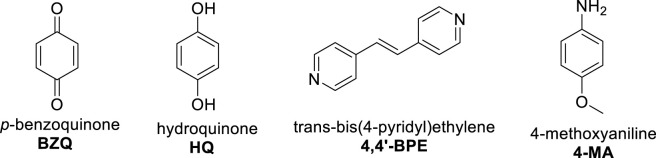 Figure 1
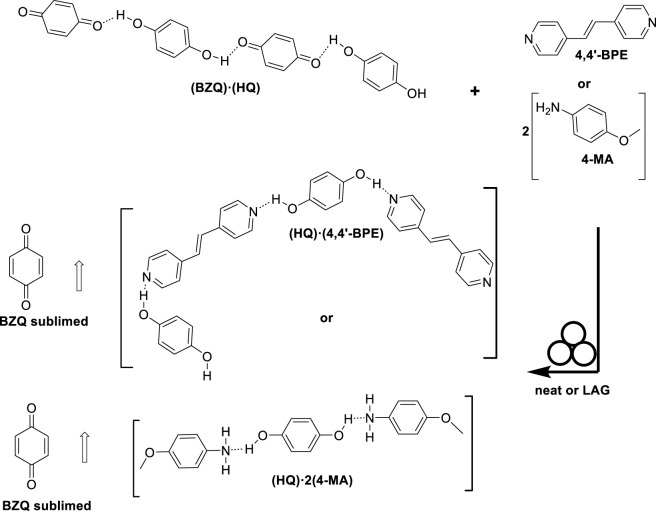 Figure 2
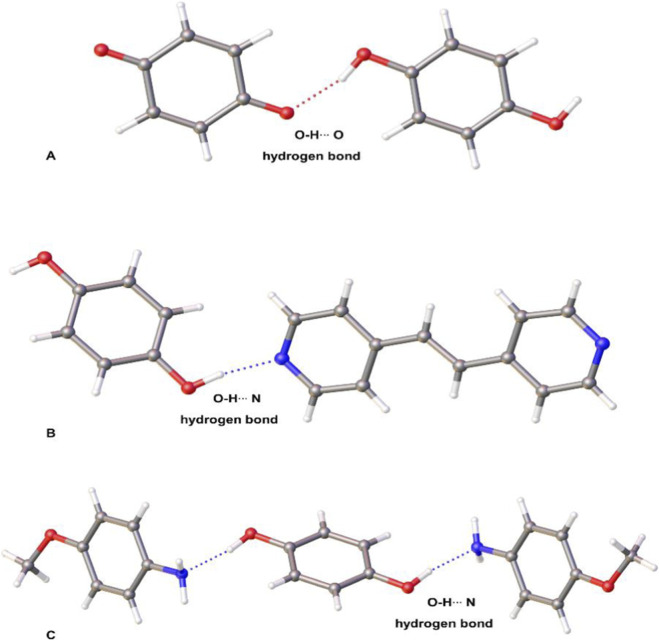 Figure 3
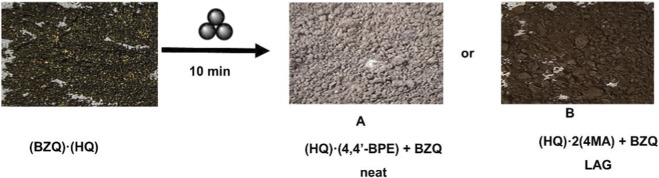 Figure 4
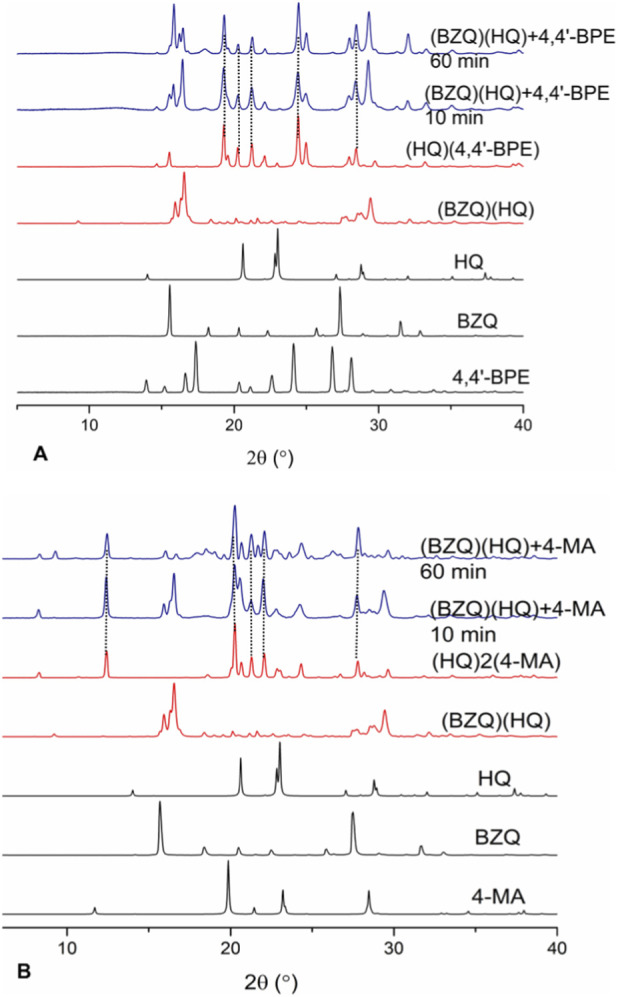 Figure 5
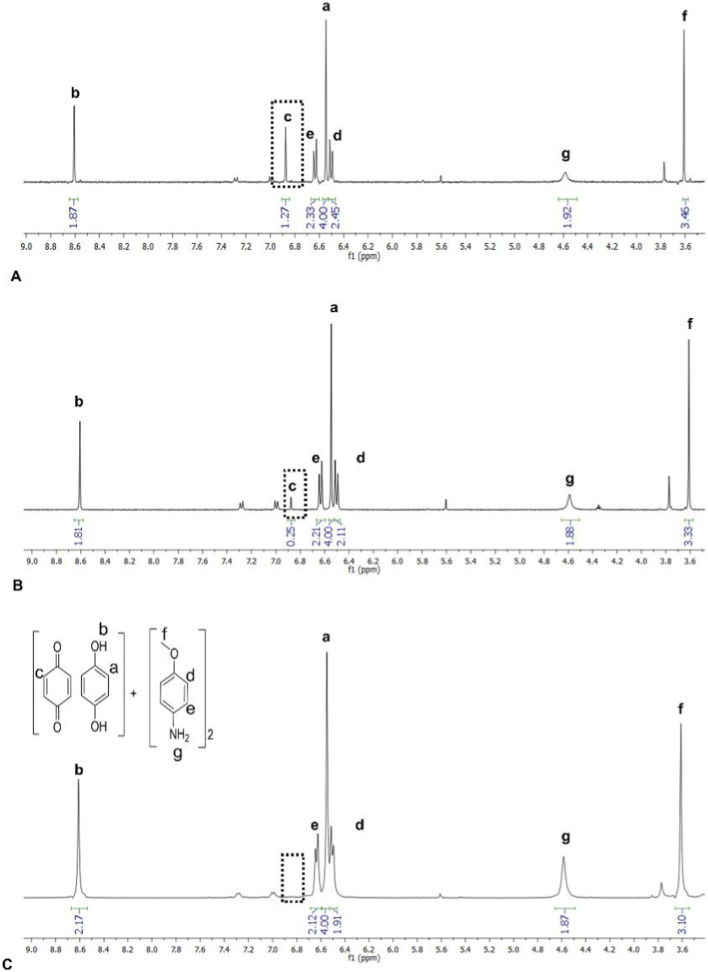 Figure 6
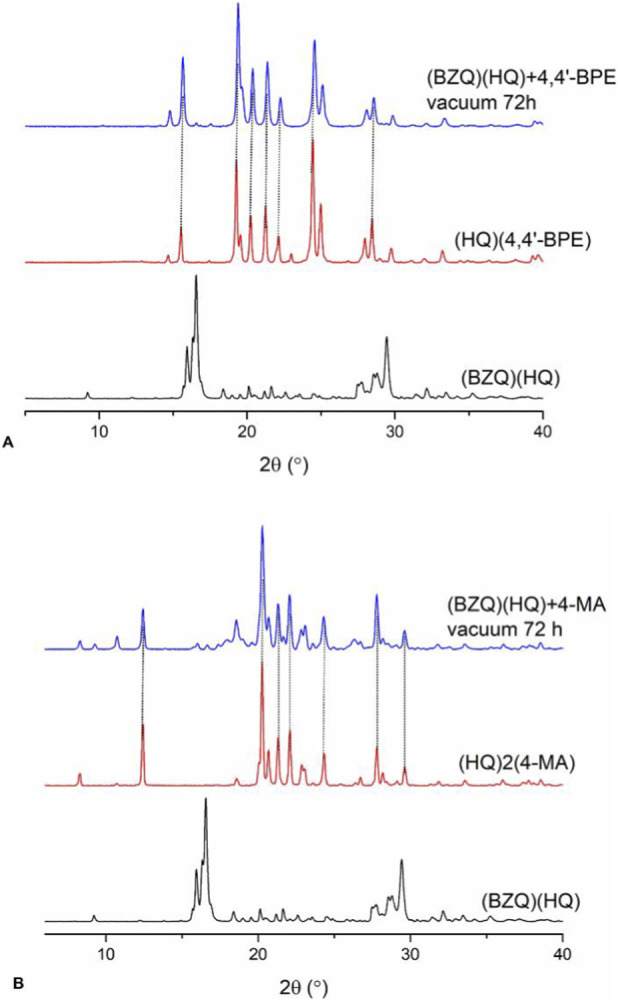 Figure 7
Peer Reviews
No public reviews on file for this paper yet. If you reviewed it on a platform where reviews are public (OpenReview, ICLR, NeurIPS, ICML), you can paste yours below so the community can read it here.
Videos
No videos yet. Explain this paper in a talk, walkthrough, or lecture? Add one.
Taxonomy
TopicsCrystallography and molecular interactions · Synthesis and Properties of Aromatic Compounds · Luminescence and Fluorescent Materials