The LDL pathway regulates actomyosin ring dynamics necessary for optimal cell wound repair
Geethika Burugupally, Mitsutoshi Nakamura, Cassandra Aarrestad, Susan M Parkhurst

TL;DR
This study shows that the LDL pathway helps cells repair wounds by regulating the actomyosin ring, which is crucial for closing the wound.
Contribution
The LDL pathway's role in actomyosin ring formation during cell wound repair is newly identified.
Findings
The LDL pathway is essential for robust actomyosin ring formation during cell wound repair.
This pathway plays an unexpected role in regulating actin dynamics necessary for wound closure.
Abstract
Individual cells must rapidly repair any cortical damage from environmental or physiological stresses, to survive and to contribute to maintaining the proper function of tissues and organs. The formation of an actomyosin ring around the wound periphery is an important step in physically closing the cell wound. Here, we find that the Low-Density Lipoprotein (LDL) pathway, which is usually associated with plasma membrane homeostasis, is needed for optimal cell wound repair. In this context, the LDL pathway is required for robust actomyosin ring formation, revealing an unexpected role in regulating actin dynamics during cell wound repair.
Genes, proteins, chemicals, diseases, species, mutations and cell lines named across the full text — each resolved to its canonical identifier and authoritative record.
Click any figure to enlarge with its caption.
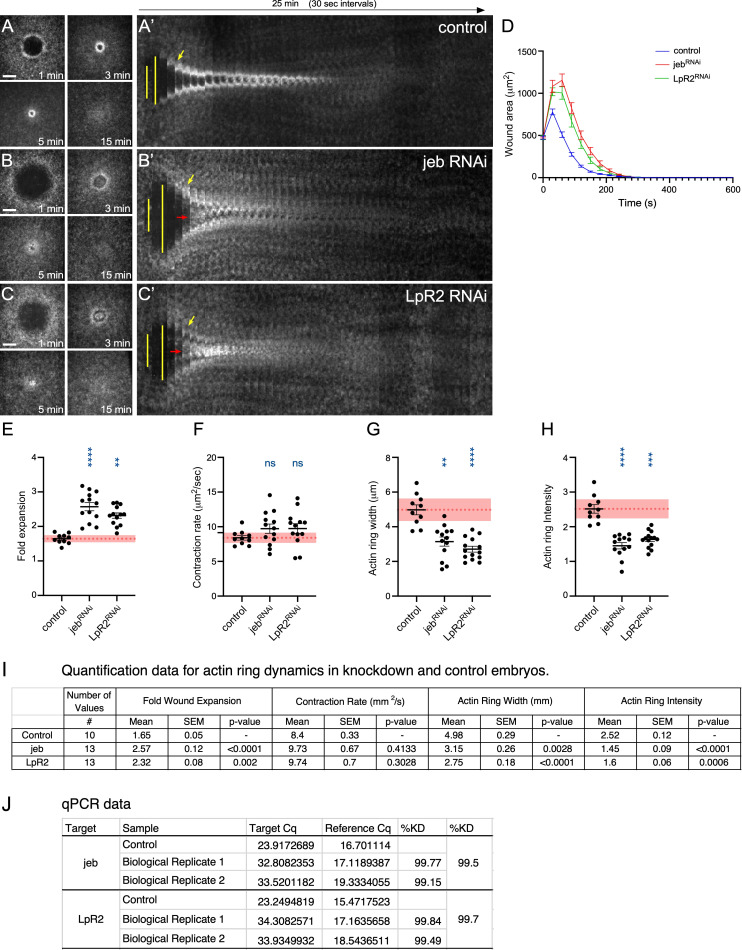 Figure 1
Peer Reviews
No public reviews on file for this paper yet. If you reviewed it on a platform where reviews are public (OpenReview, ICLR, NeurIPS, ICML), you can paste yours below so the community can read it here.
Videos
No videos yet. Explain this paper in a talk, walkthrough, or lecture? Add one.
Taxonomy
TopicsCellular Mechanics and Interactions · Cell Adhesion Molecules Research · Endoplasmic Reticulum Stress and Disease