Single–gene knockout of RNLS or HIVEP2 are insufficient to protect β–cell spheroids from allo– and xeno–rejection
Ismail Can Karaoglu, Arda Odabas, Tamer Önder, Seda Kizilel

TL;DR
Deleting RNLS or HIVEP2 genes in beta cells does not protect them from rejection in mice, suggesting more complex solutions are needed for successful cell therapy in diabetes.
Contribution
Demonstrates that single-gene knockout of RNLS or HIVEP2 is insufficient for immune protection in beta-cell grafts.
Findings
RNLS and HIVEP2 deletions did not prevent allogeneic or xenogeneic rejection in immunocompetent mice.
Allogeneic grafts survived longer than xenogeneic ones, but both were eventually rejected regardless of gene edits.
Functional impairment was only observed in Rnls-deleted murine beta cells.
Abstract
β-Cell replacement therapy offers a potential cure for type 1 diabetes, but its success is limited by rapid graft rejection. While genome-wide CRISPR screens have recently identified RNLS and HIVEP2 as candidate genes capable of protecting β-cells from autoimmune destruction, their efficacy against the distinct mechanisms of allogeneic and xenogeneic rejection remains unknown. This study aimed to test the hypothesis that single-gene ablation of RNLS or HIVEP2 protects β-cell spheroids from allo- and xenorejection in immunocompetent hosts. Murine β-TC-6 and human EndoC-βH1 β-cell lines were genetically edited using CRISPR-Cas9 to knockout RNLS or HIVEP2. Editing efficiencies were confirmed via T7 endonuclease I assay and Tracking of Indels by Decomposition (TIDE) analysis. Cells were aggregated into uniform, size-controlled spheroids using an optimized agarose suspension culture.…
Genes, proteins, chemicals, diseases, species, mutations and cell lines named across the full text — each resolved to its canonical identifier and authoritative record.
Click any figure to enlarge with its caption.
 Figure 1
 Figure 2
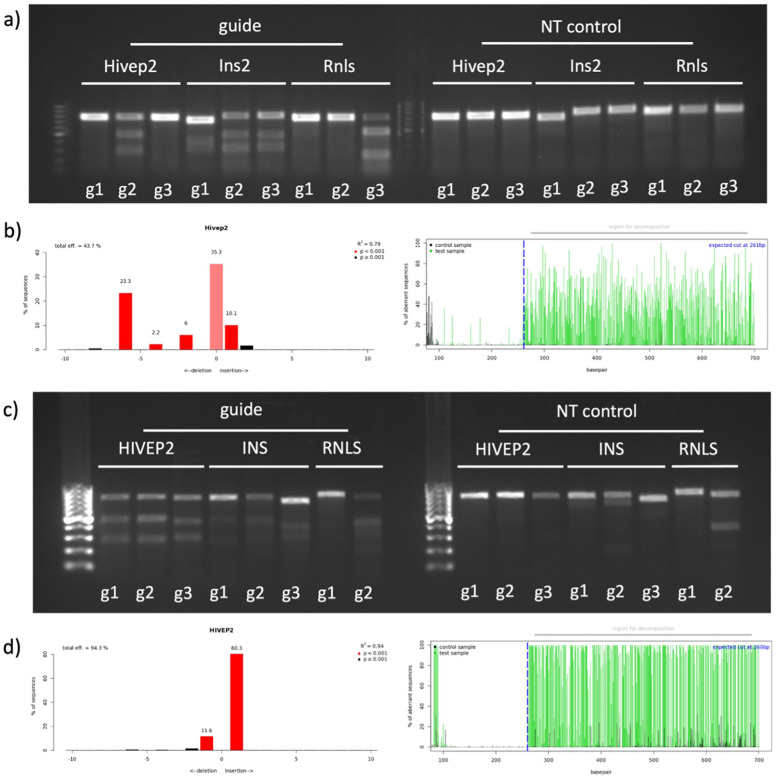 Figure 3
 Figure 4
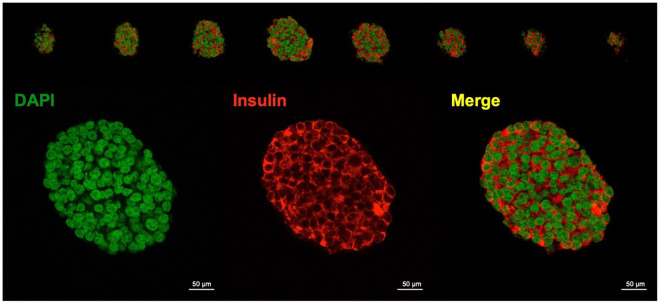 Figure 5
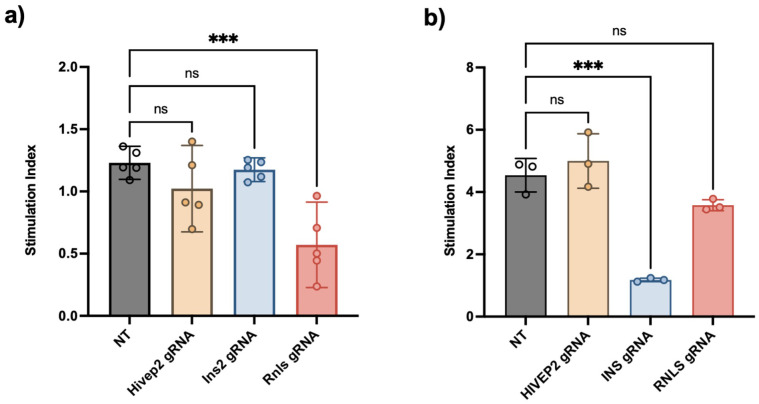 Figure 6
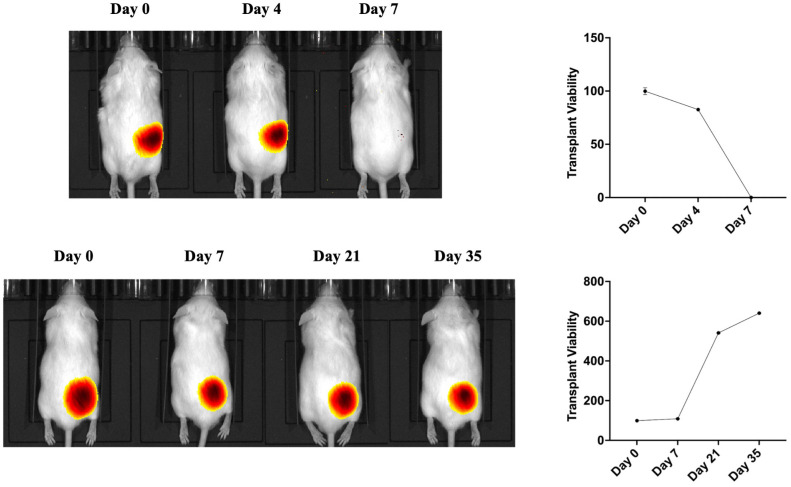 Figure 7
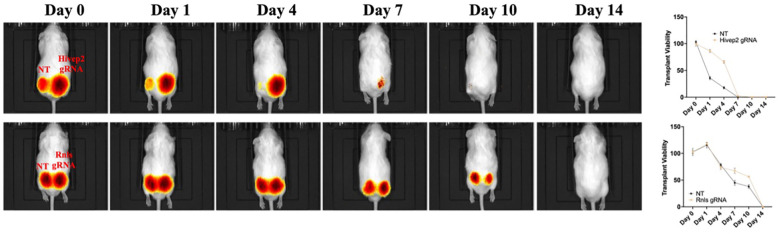 Figure 8
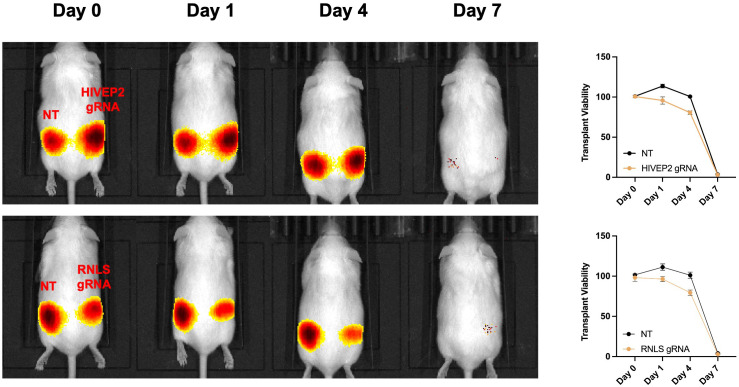 Figure 9
Peer Reviews
No public reviews on file for this paper yet. If you reviewed it on a platform where reviews are public (OpenReview, ICLR, NeurIPS, ICML), you can paste yours below so the community can read it here.
Videos
No videos yet. Explain this paper in a talk, walkthrough, or lecture? Add one.
Taxonomy
TopicsPancreatic function and diabetes · Diabetes and associated disorders · CRISPR and Genetic Engineering