Studies on the functionality of the TC-NER ERCC6-M1097V protein variant frequently found in Louisiana patients with PCa upon UV damage
Oluwatobi Ogundepo, Arrigo De Benedetti

TL;DR
This study investigates how a specific ERCC6 protein variant, M1097V, affects DNA repair and cancer risk in Louisiana African American men with prostate cancer.
Contribution
The paper explores the functional impact of the ERCC6-M1097V variant and proposes a synthetic lethality strategy for prostate cancer treatment.
Findings
The M1097V variant increases cellular tolerance to UV damage, potentially increasing mutagenesis risk.
ERCC6 mutations like S636N may alter DNA repair activity, though their effects are not fully understood.
A synthetic lethality strategy targeting TC-NER and HRR pathways could be effective for treating prostate cancer.
Abstract
ERCC6, also known as CSB (Cockayne Syndrome B), is a key protein involved in transcription-coupled nucleotide excision repair (TC-NER), a DNA repair process that removes lesions blocking RNA polymerase. ERCC6’s multifaceted roles include chromatin remodeling, transcription regulation, oxidative stress response, and coordination with other DNA repair proteins. Mutations in ERCC6 lead to Cockayne Syndrome and other neurodegenerative disorders, but some variants, such as M1097V, have been associated with cancer risk, particularly prostate cancer (PCa) in African Americans (AAs) in Louisiana. Recent studies have explored the functional impact of ERCC6 variants in PCa, especially among AAs, who face higher incidence and more aggressive forms of the disease. A notable finding is that the M1097V variant increases cellular tolerance to UV damage, suggesting not only a possible evolutionary…
Genes, proteins, chemicals, diseases, species, mutations and cell lines named across the full text — each resolved to its canonical identifier and authoritative record.
Click any figure to enlarge with its caption.
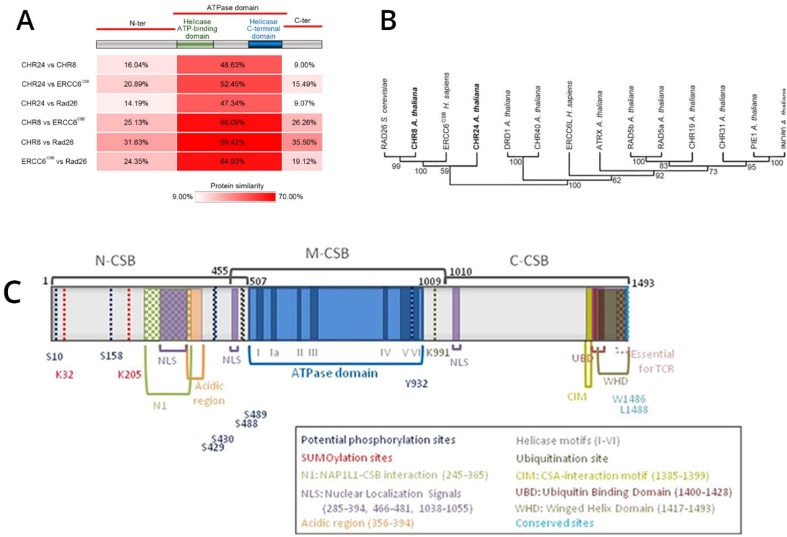 Figure 1
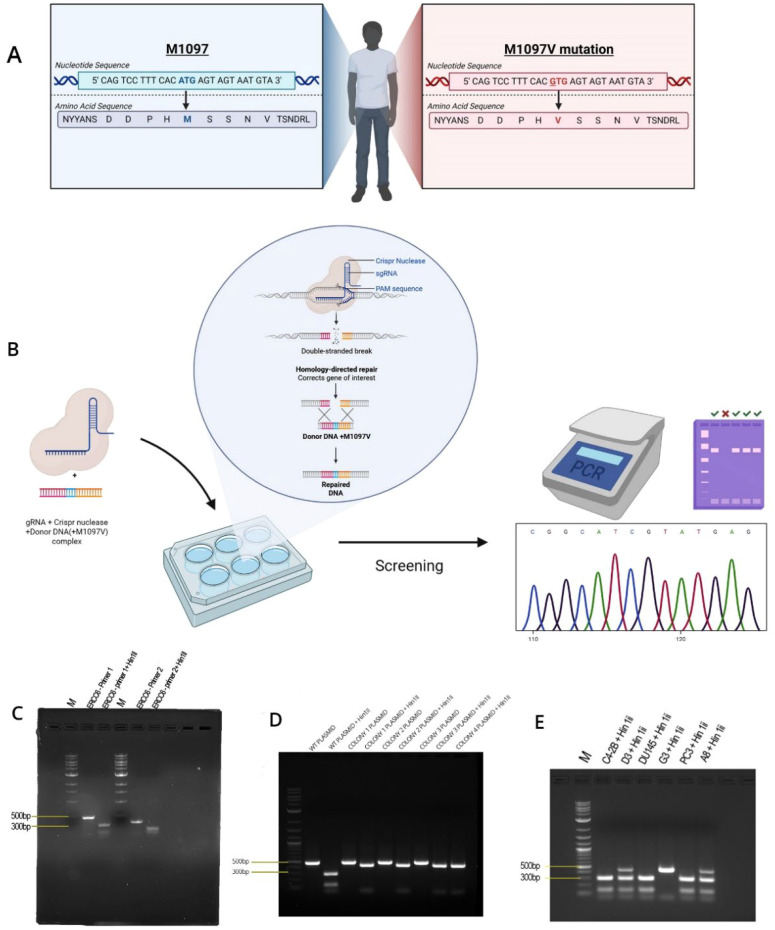 Figure 2
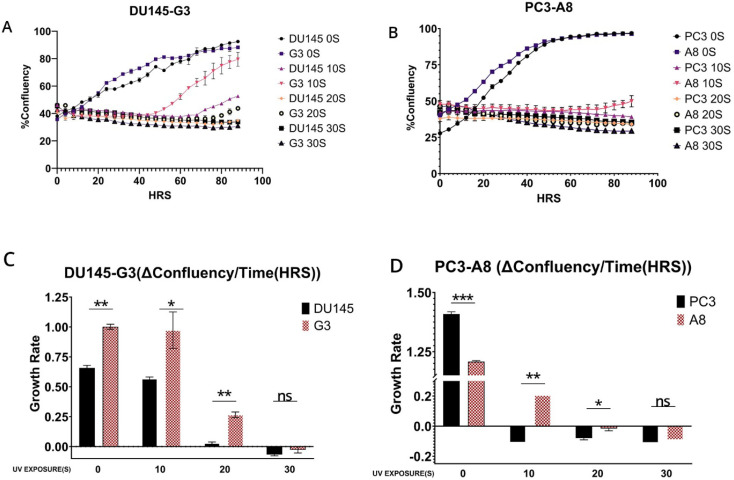 Figure 3
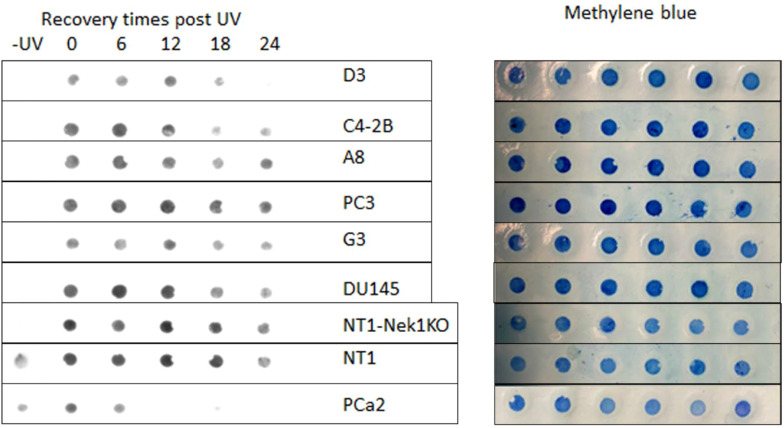 Figure 4
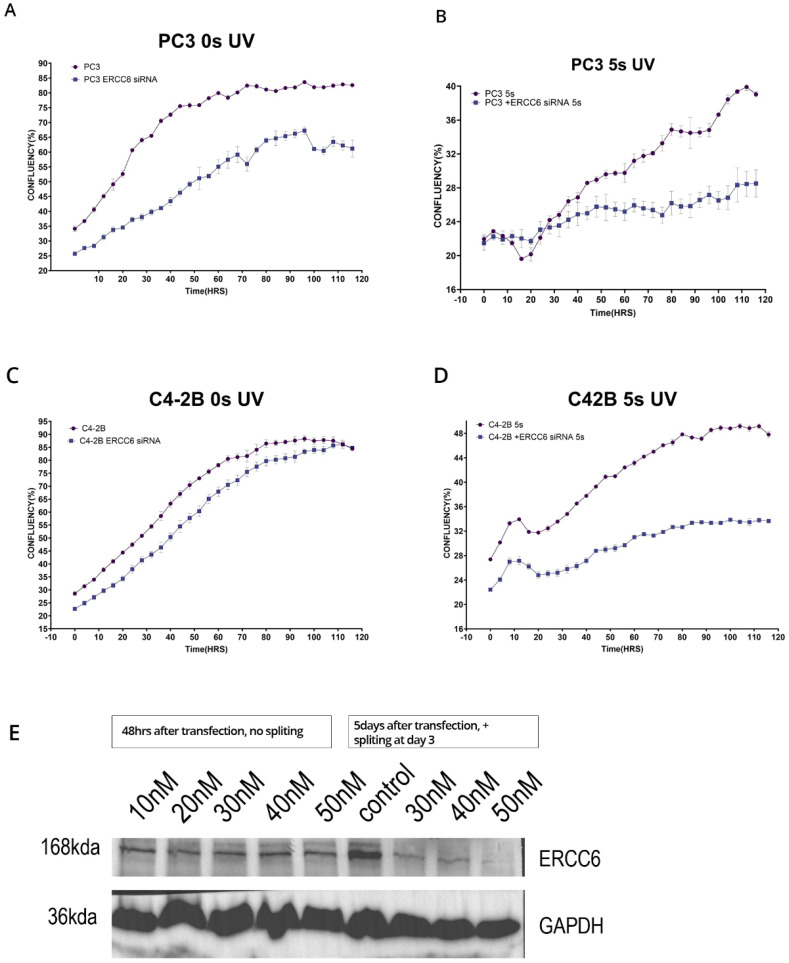 Figure 5
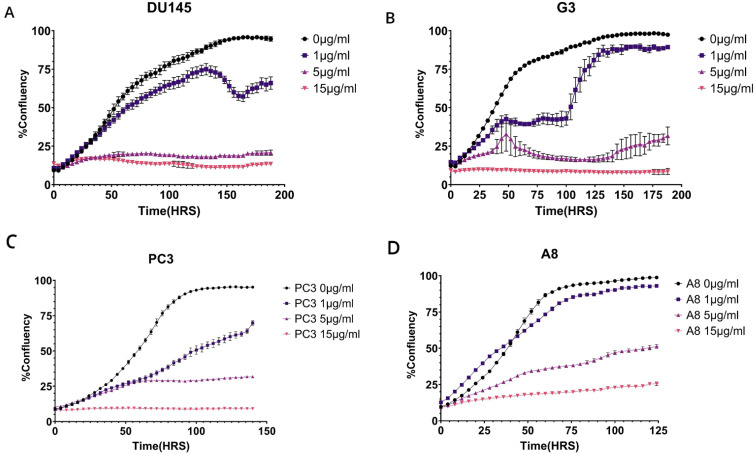 Figure 6
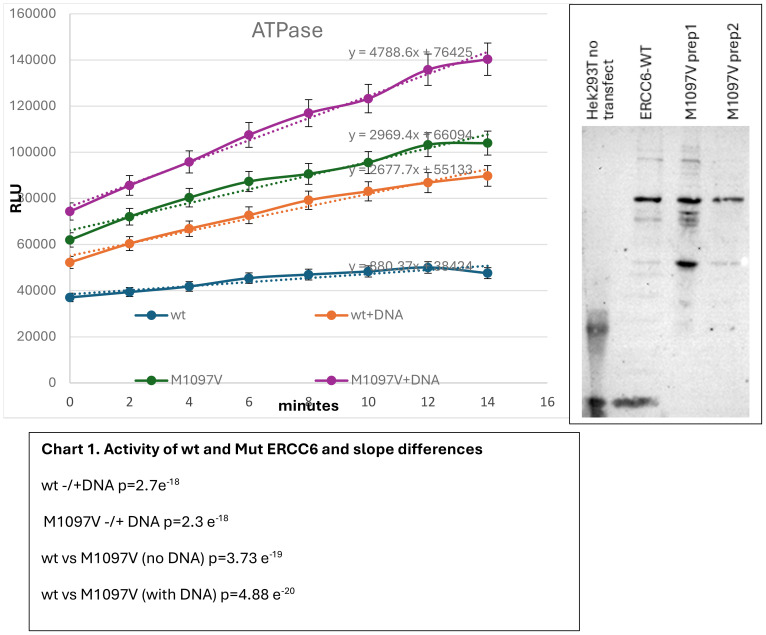 Figure 7
Peer Reviews
No public reviews on file for this paper yet. If you reviewed it on a platform where reviews are public (OpenReview, ICLR, NeurIPS, ICML), you can paste yours below so the community can read it here.
Videos
No videos yet. Explain this paper in a talk, walkthrough, or lecture? Add one.
Taxonomy
TopicsDNA Repair Mechanisms · Genetic factors in colorectal cancer · Prostate Cancer Treatment and Research