Ultra-hypofractionation for node-positive prostate cancer: pushing boundaries and redefining standards
Jennifer Le Guévelou, Mathilde Jeandin, Antonio Angrisani, Davide Giovanni Bosetti, Mohamed Shelan, Thomas Zilli

TL;DR
This paper reviews recent advances in radiotherapy for prostate cancer that has spread to nearby lymph nodes, focusing on ultra-hypofractionated treatment.
Contribution
The paper highlights the role of ultra-hypofractionated radiotherapy as a novel approach in treating node-positive prostate cancer.
Findings
Advances in imaging and radiation therapy have improved treatment standards for node-positive prostate cancer.
Ultra-hypofractionated radiotherapy is emerging as a promising therapeutic option in this context.
Abstract
Radiotherapy is a cornerstone in the management of node-positive prostate cancer. Advances in imaging modalities and radiation therapy techniques have led to the evolution of treatment standards for this patient population. This review aims to explore the therapeutic advancements of the past decade, with a focus on the role of ultra-hypofractionated radiotherapy in node-positive prostate cancer.
Genes, proteins, chemicals, diseases, species, mutations and cell lines named across the full text — each resolved to its canonical identifier and authoritative record.
Click any figure to enlarge with its caption.
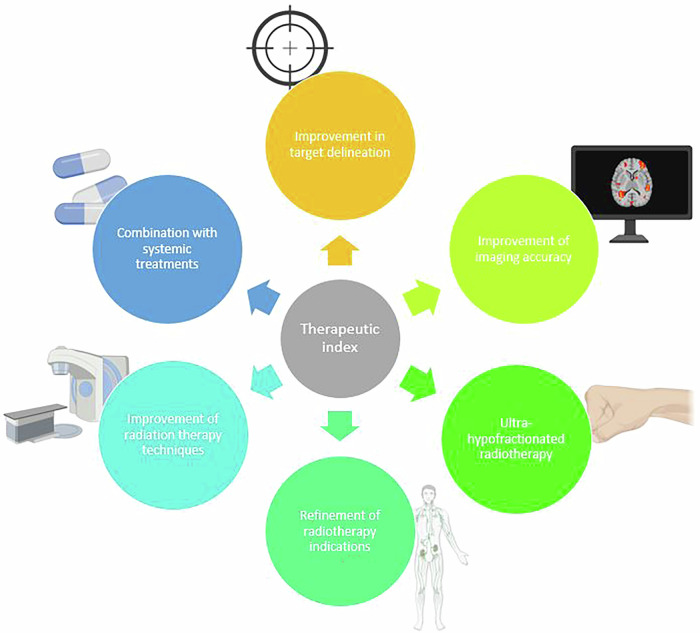 Figure 1
Peer Reviews
No public reviews on file for this paper yet. If you reviewed it on a platform where reviews are public (OpenReview, ICLR, NeurIPS, ICML), you can paste yours below so the community can read it here.
Videos
No videos yet. Explain this paper in a talk, walkthrough, or lecture? Add one.
Taxonomy
TopicsProstate Cancer Diagnosis and Treatment · Prostate Cancer Treatment and Research · Urologic and reproductive health conditions