(Remembering) Vector Coding of Boundaries and Objects in the Subiculum
Colin Lever

TL;DR
This paper reviews how neurons in the hippocampus and subiculum represent spatial information, focusing on boundary and object coding in rodents.
Contribution
The paper introduces vector trace cells, a new type of boundary vector cell with memory capabilities.
Findings
CA1 place cells show geometric responses and discrimination learning.
Subiculum contains boundary vector cells, boundary-off cells, and vector trace cells.
Vector trace cells combine boundary coding with memory.
Abstract
This review offers a personal and historical perspective on spatial representations of the local environment in hippocampal regions CA1 and subiculum, as derived from extracellular electrophysiological recording of neurons in these regions in freely behaving rodents. I focus upon geometric responses and discrimination learning in CA1 place cells, and upon boundary vector cells, boundary‐off cells, and vector trace cells in the subiculum. Vector trace cells are a type of boundary vector cell with an additional memory capability.
Genes, proteins, chemicals, diseases, species, mutations and cell lines named across the full text — each resolved to its canonical identifier and authoritative record.
Click any figure to enlarge with its caption.
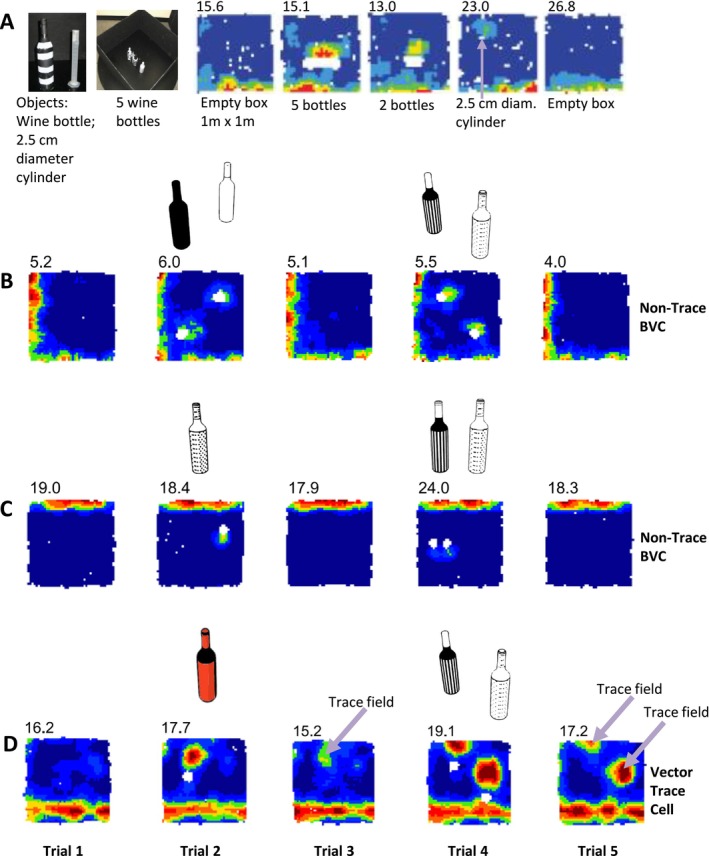 Figure 1
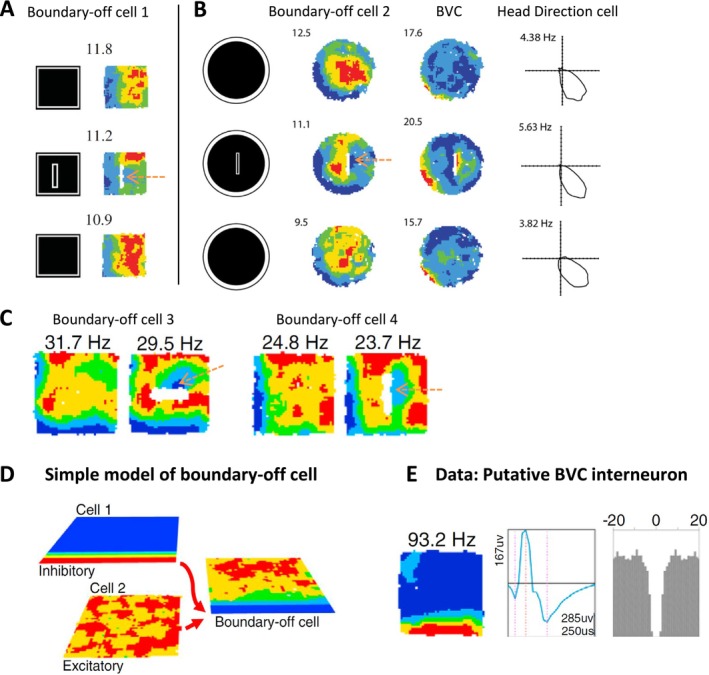 Figure 2
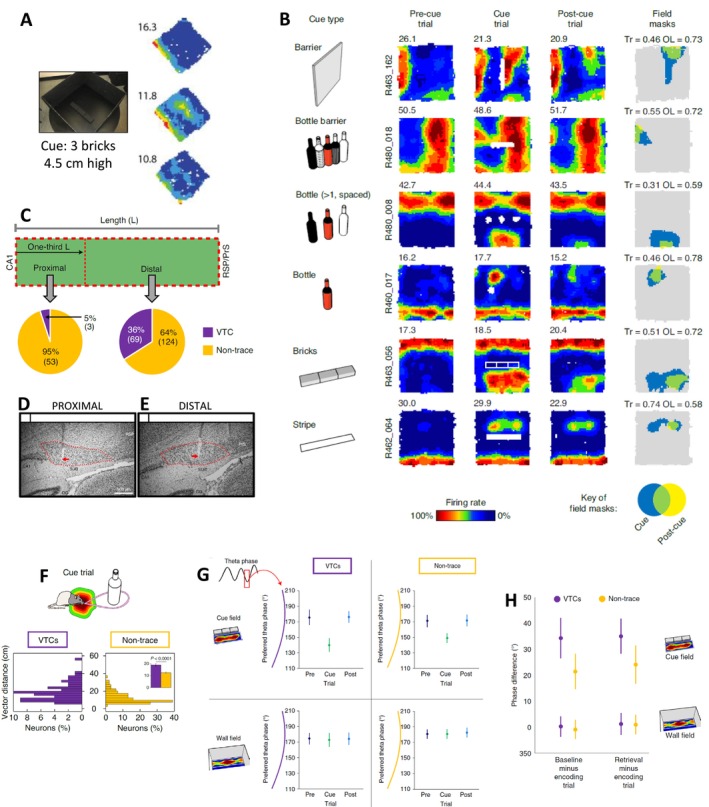 Figure 3
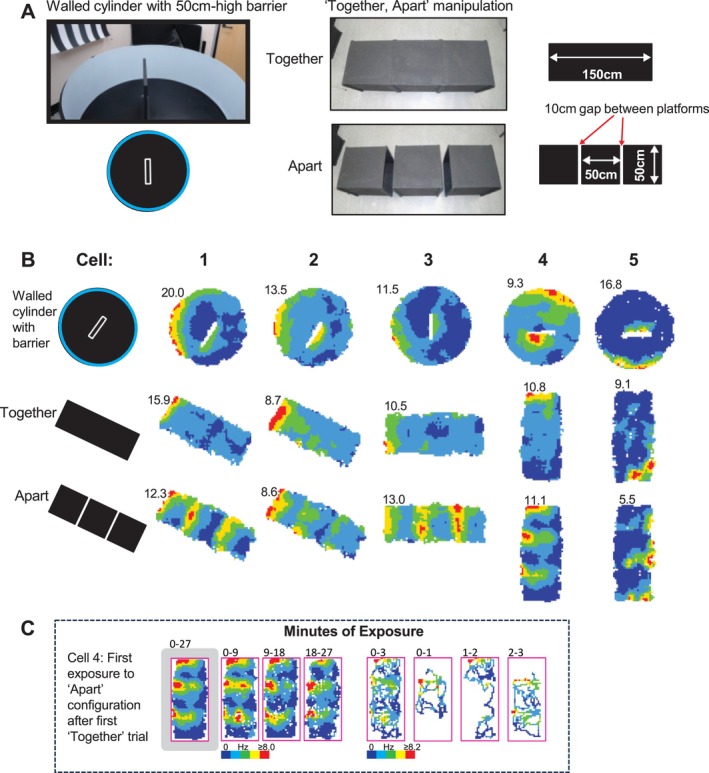 Figure 4
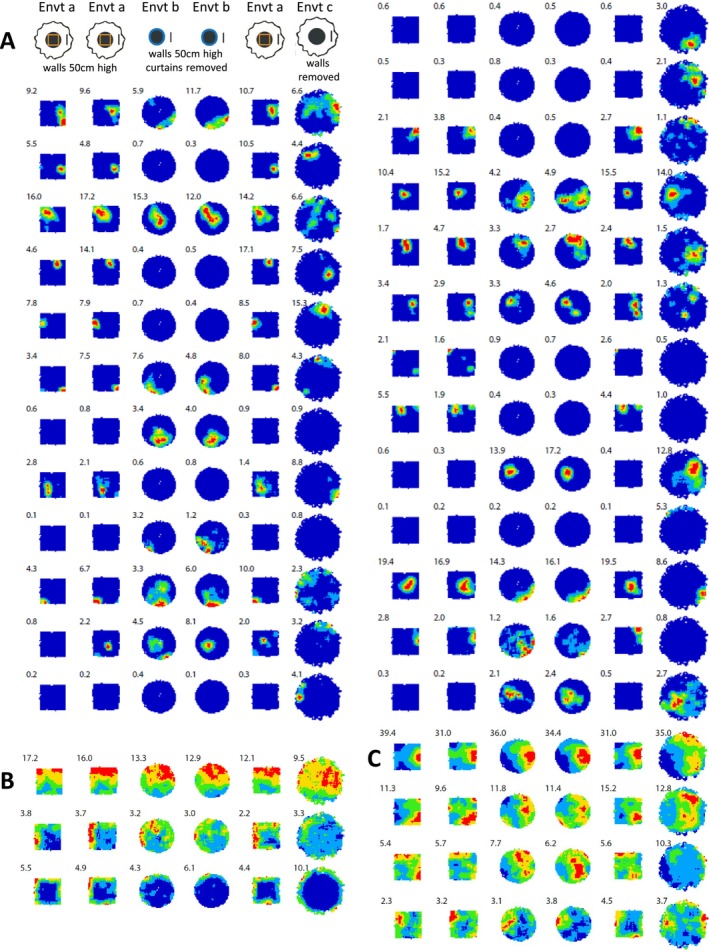 Figure 5
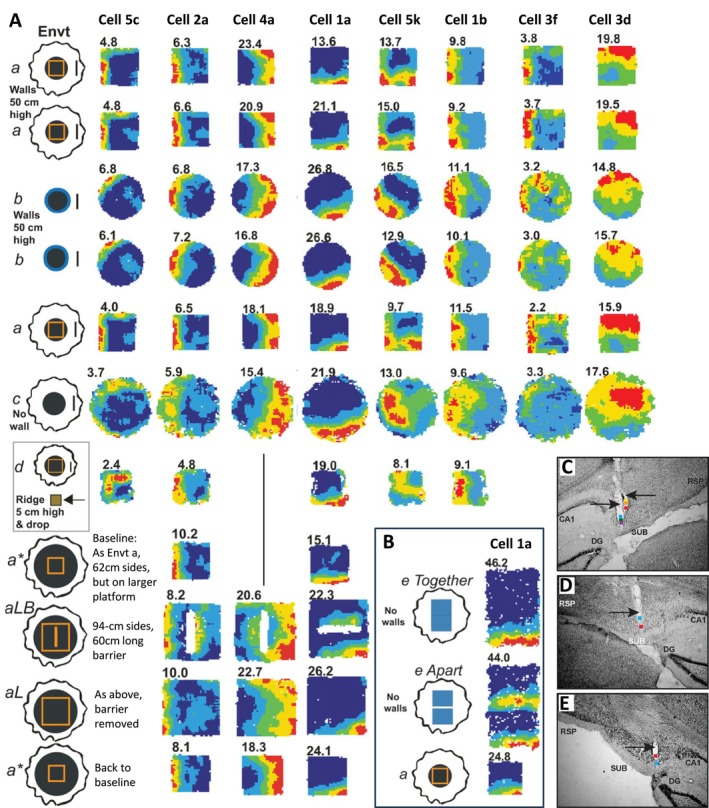 Figure 6
Peer Reviews
No public reviews on file for this paper yet. If you reviewed it on a platform where reviews are public (OpenReview, ICLR, NeurIPS, ICML), you can paste yours below so the community can read it here.
Videos
No videos yet. Explain this paper in a talk, walkthrough, or lecture? Add one.
Taxonomy
TopicsMemory and Neural Mechanisms · Neural dynamics and brain function · Neurogenesis and neuroplasticity mechanisms