Fast vortex dynamics and relaxation times in NbRe-based heterostructures
Francesco De Chiara, Zahra Makhdoumi Kakhaki, Francesco Avitabile, Francesco Colangelo, Abhishek Kumar, Carmine Attanasio, Carla Cirillo

TL;DR
This paper compares vortex dynamics in two types of superconducting heterostructures and finds that one has much faster relaxation times, which could be useful for fast electronic devices.
Contribution
The study reveals significantly shorter quasiparticle energy relaxation times in NbRe/Py bilayers compared to NbRe/Au structures.
Findings
NbRe/Py bilayers exhibit higher critical velocities for vortices compared to NbRe/Au bilayers.
The quasiparticle energy relaxation time is 24 ps in NbRe/Py, much shorter than 150 ps in NbRe/Au.
NbRe/Py bilayers show promise for applications requiring fast relaxation processes.
Abstract
An in-depth analysis of Abrikosov vortex dynamics and flux-flow instabilities was performed in NbRe/Au and NbRe/Py bilayers to compare superconducting/normal metal (S/N) and superconducting/ferromagnetic (S/F) heterostructures based on the same superconducting layer. The heterostructures, fabricated by sputtering, were characterized through electrical transport measurements. The I–V characteristics show that, in the NbRe/Py bilayer, vortices reach higher critical velocities than those observed in the NbRe/Au structure. The analysis of the flux-flow instability within the Larkin–Ovchinnikov framework allows one to extract the quasiparticle energy relaxation time. For external magnetic field values for which edge barrier pinning is dominant and thermal effects are negligible, the relaxation times are about 150 ps and 24 ps for NbRe/Au and NbRe/Py bilayers, respectively. These results…
Genes, proteins, chemicals, diseases, species, mutations and cell lines named across the full text — each resolved to its canonical identifier and authoritative record.
Click any figure to enlarge with its caption.
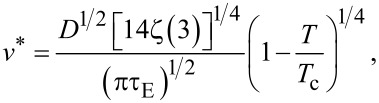 Figure 1
 Figure 2
 Figure 3
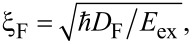 Figure 4
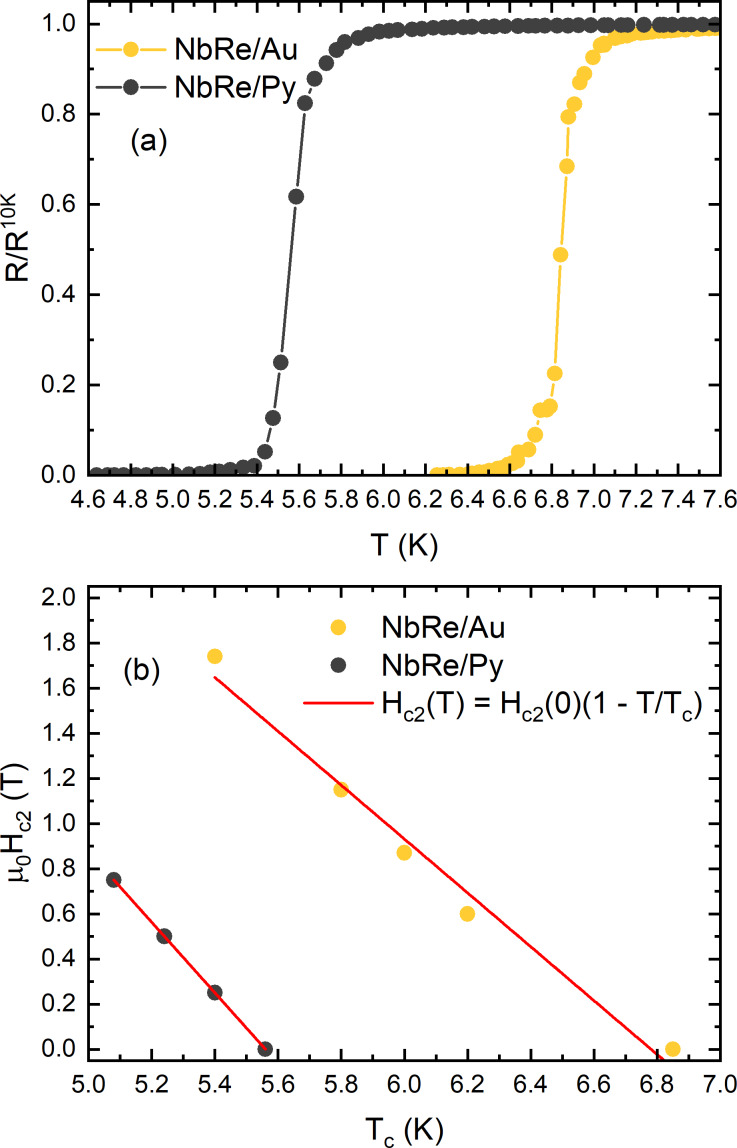 Figure 5
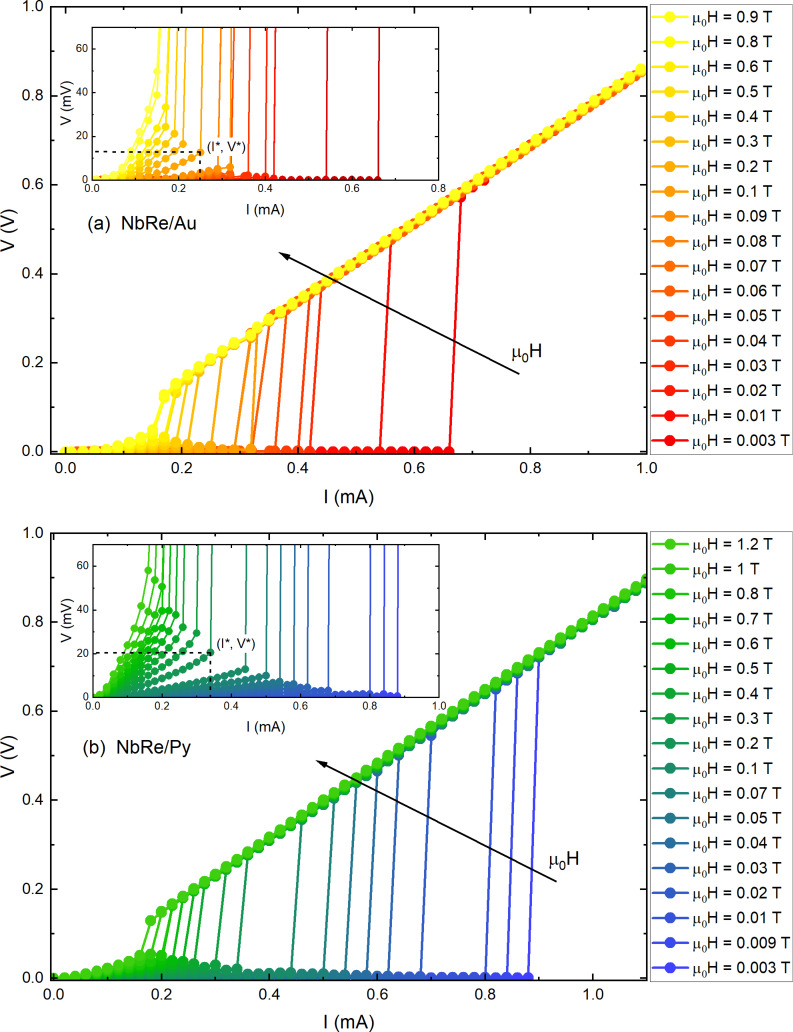 Figure 6
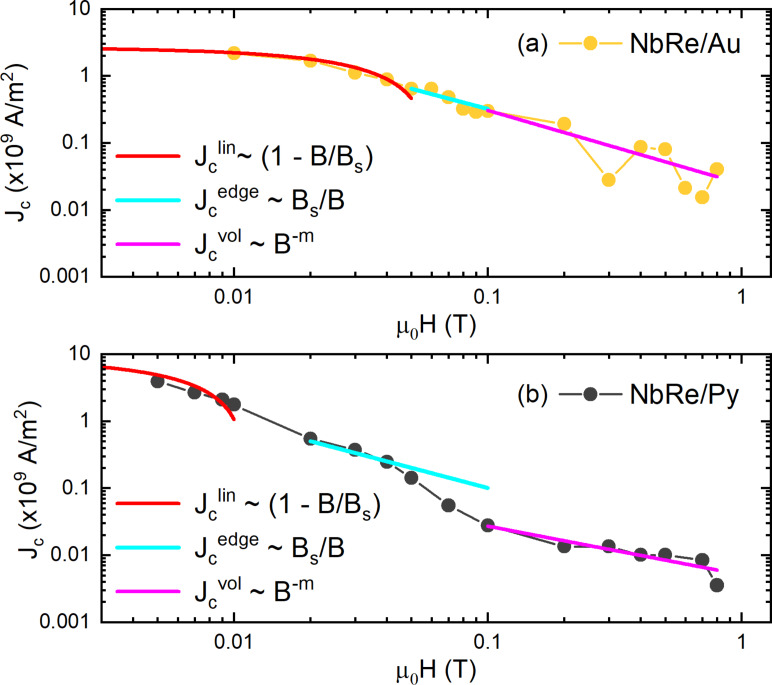 Figure 7
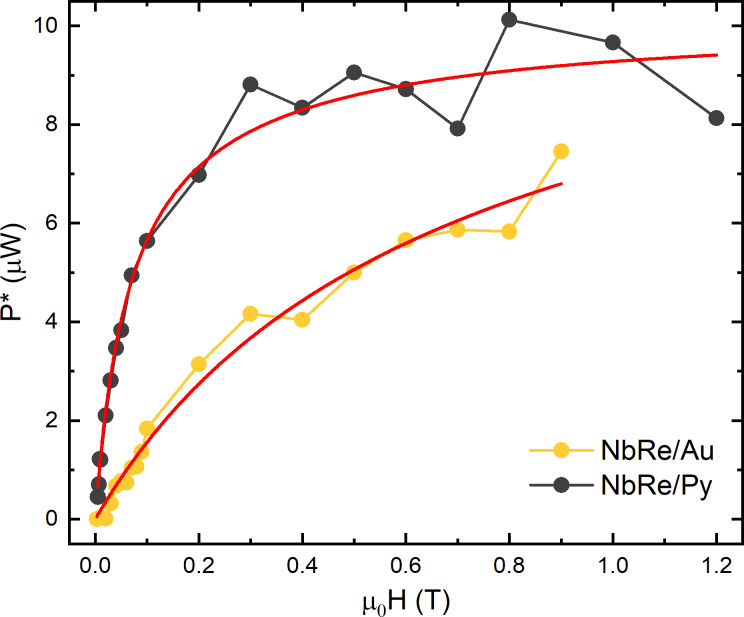 Figure 8
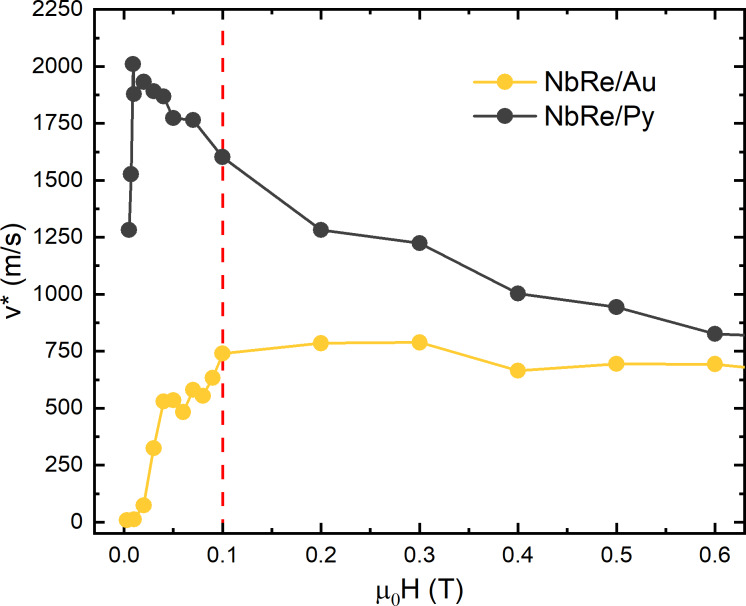 Figure 9
 Figure 10
 Figure 11
 Figure 12
 Figure 13
 Figure 14
 Figure 15
 Figure 16
 Figure 17
 Figure 18
 Figure 19
 Figure 20
 Figure 21
 Figure 22
 Figure 23
 Figure 24
 Figure 25
 Figure 26
 Figure 27
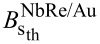 Figure 28
 Figure 29
 Figure 30
 Figure 31
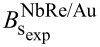 Figure 32
 Figure 33
 Figure 34
 Figure 35
 Figure 36
 Figure 37
 Figure 38
 Figure 39
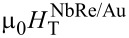 Figure 40
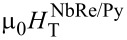 Figure 41
 Figure 42
 Figure 43
 Figure 44
 Figure 45
 Figure 46
 Figure 47
 Figure 48
Peer Reviews
No public reviews on file for this paper yet. If you reviewed it on a platform where reviews are public (OpenReview, ICLR, NeurIPS, ICML), you can paste yours below so the community can read it here.
Videos
No videos yet. Explain this paper in a talk, walkthrough, or lecture? Add one.
Taxonomy
TopicsPhysics of Superconductivity and Magnetism · Superconducting Materials and Applications · Superconducting and THz Device Technology