Ultra-Fast-Track Extubation Within Four Hours Versus Conventional Ventilation After Robotic Coronary Artery Bypass Grafting: A Systematic Review of Intensive Care Unit Stay and Postoperative Atrial Fibrillation Outcomes
Muhammad Farhan, Tirath Patel, Dania Almarouj, Vindhesh Dixit, Mohammed Abdullah, Lamia Bnaian, Reem Imadeldin Ahmed Hamad, Elwy Josey, Aiswariya Anna Alexander, Ashfaq Ahmad, Adekunle E Omole

TL;DR
Ultra-fast-track extubation after robotic heart surgery reduces ICU and hospital stays without increasing complications.
Contribution
This systematic review compares ultra-fast-track extubation to conventional ventilation after robotic coronary surgery.
Findings
UFTE reduced ICU length of stay by nearly half compared to conventional ventilation.
Hospital stays were 1-4 days shorter with UFTE and no increase in adverse outcomes.
Postoperative atrial fibrillation rates were similar or lower with UFTE.
Abstract
Robotic-assisted coronary artery bypass grafting (RA-CABG) is a minimally invasive procedure that can lead to quicker recovery. Ultra-fast-track extubation (UFTE) within four hours post-surgery is a key element of enhanced recovery. This review compared UFTE versus conventional ventilation (>4 hours) on intensive care unit (ICU) stay and postoperative atrial fibrillation (POAF) in adults undergoing RA-CABG. Following the Preferred Reporting Items for Systematic Reviews and Meta-Analyses (PRISMA) guidelines, databases (MEDLINE, Embase, Cochrane Central, and others) were searched until July 2025. Inclusion criteria targeted adults undergoing RA-CABG, with outcomes assessed by ICU length of stay (LOS) and POAF incidence. The risk of bias was assessed using the Cochrane Risk of Bias 2 (ROB 2) tool for randomized controlled trials (RCTs) and the Risk Of Bias In Non-randomized Studies of…
Genes, proteins, chemicals, diseases, species, mutations and cell lines named across the full text — each resolved to its canonical identifier and authoritative record.
Click any figure to enlarge with its caption.
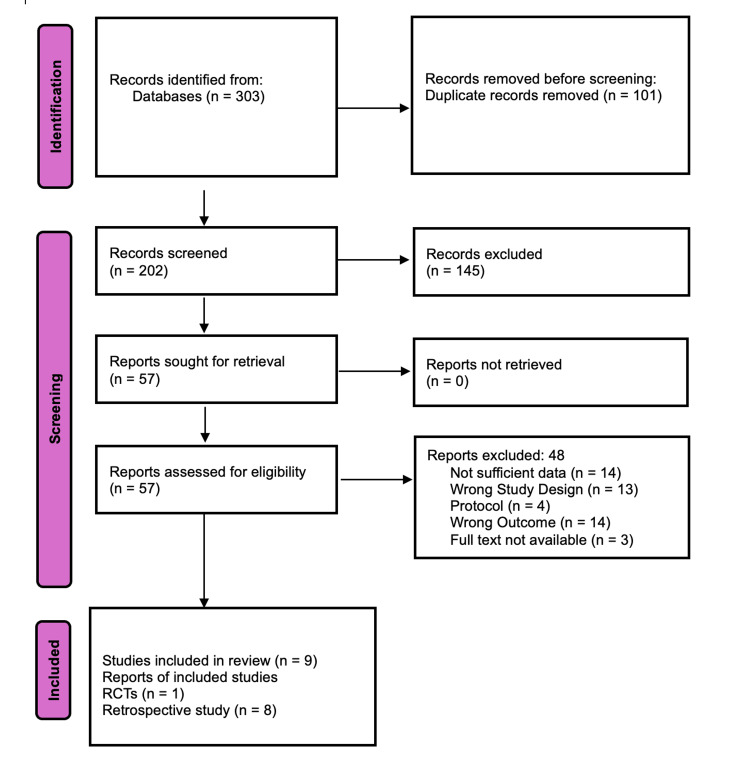 Figure 1
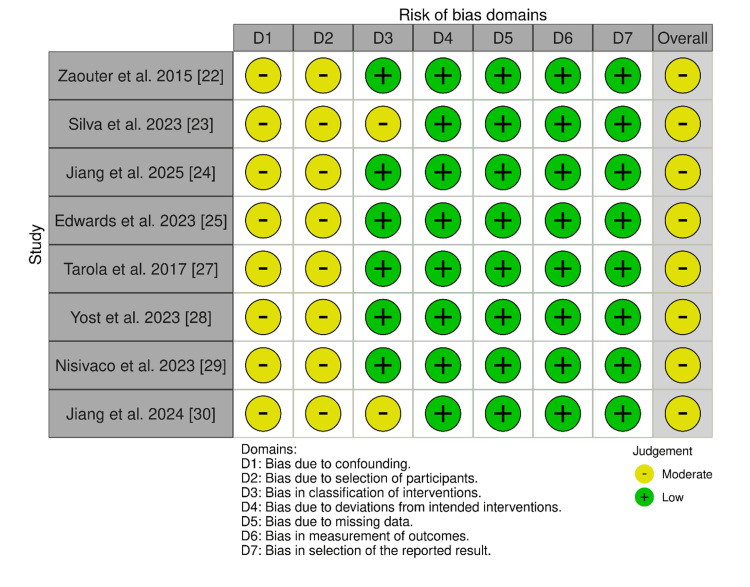 Figure 2
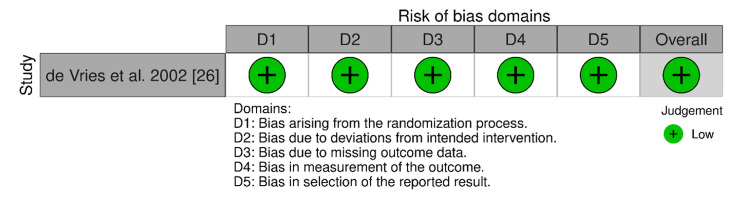 Figure 3
Peer Reviews
No public reviews on file for this paper yet. If you reviewed it on a platform where reviews are public (OpenReview, ICLR, NeurIPS, ICML), you can paste yours below so the community can read it here.
Videos
No videos yet. Explain this paper in a talk, walkthrough, or lecture? Add one.
Taxonomy
TopicsCardiac and Coronary Surgery Techniques · Respiratory Support and Mechanisms · Sepsis Diagnosis and Treatment