Unraveling the difference in aroma characteristics of tomato flesh with different colors using HS-SPME-GC–MS/MS and E-nose combined with multivariate data analysis
Junrong Xu, Yushi Lu, Jing Cui, Yunzhi Liu, Wenjin Yu, Changxia Li

TL;DR
This study identifies 154 volatile compounds in tomatoes of different colors and finds 16 key compounds that may explain flavor differences, using advanced analytical and machine learning techniques.
Contribution
The study combines HS-SPME-GC–MS/MS, E-nose, and LightGBM to identify color-specific aroma compounds in tomatoes, revealing 16 VOCs linked to fruit color.
Findings
154 volatile organic compounds were identified in 16 tomato varieties with four different fruit colors.
Twenty-six VOCs were found to significantly contribute to tomato aroma based on odor activity values.
Multivariate analysis identified 16 VOCs strongly associated with fruit color, aiding flavor evaluation and improvement.
Abstract
Aroma profiles of tomato flesh from 16 tomato varieties with 4 different fruit colors were characterized by headspace-solid phase microextraction coupled with gas chromatography-triple quadrupole mass spectrometry (HS-SPME-GC–MS/MS) and electronic nose (E-nose). A total of 154 volatile organic compounds (VOCs) were qualitatively and semi-quantitatively identified, including 29 aldehydes, 22 hydrocarbons, 21 alcohols, 32 unknown compounds, and others, with aldehydes being the most abundant. Twenty-six characteristic VOCs might be major contributors to tomato flavor by relative odor activity value analysis. The correlation between E-nose sensor responses and GC–MS/MS volatile profiles was also examined. The machine learning models were constructed to show potential for distinguishing the fruit colors of the tomato. Finally, 16 fruit color-indicating VOCs were selected via multivariate…
Genes, proteins, chemicals, diseases, species, mutations and cell lines named across the full text — each resolved to its canonical identifier and authoritative record.
Click any figure to enlarge with its caption.
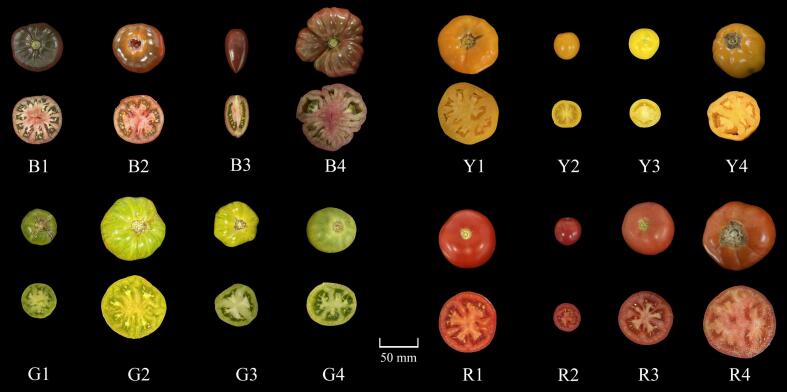 Figure 1
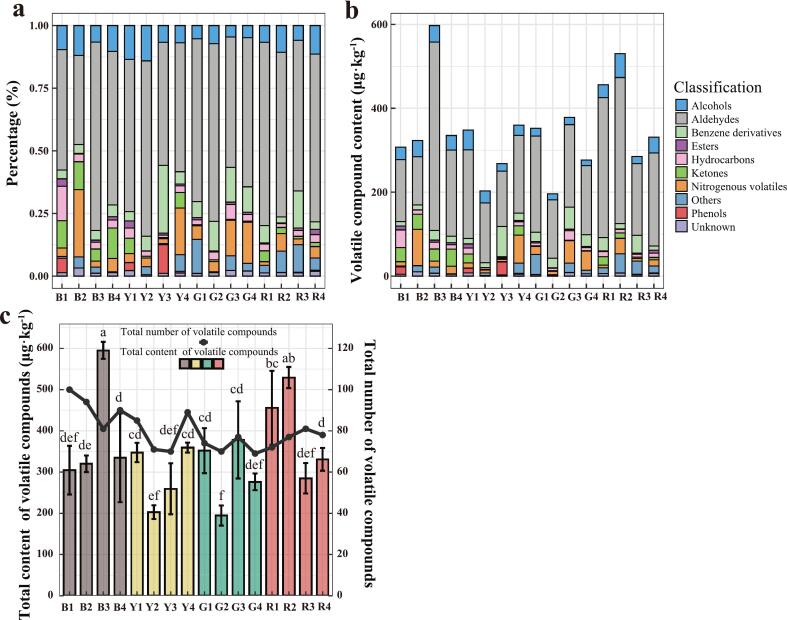 Figure 2
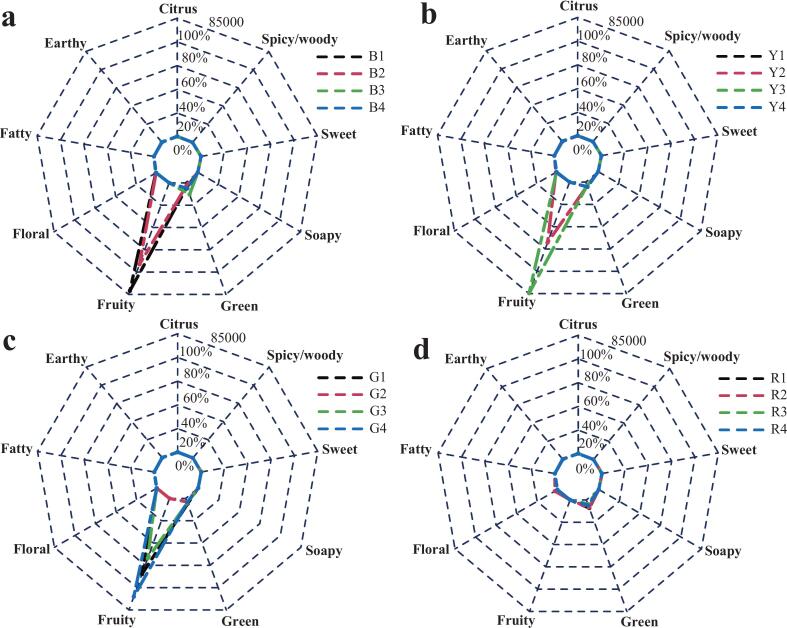 Figure 3
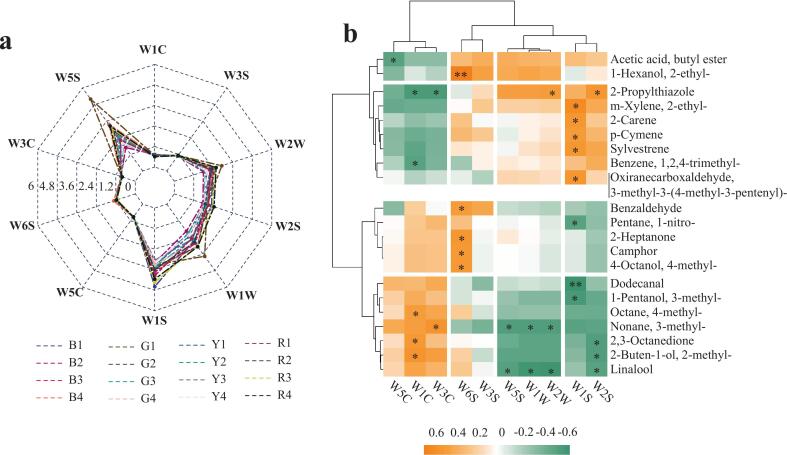 Figure 4
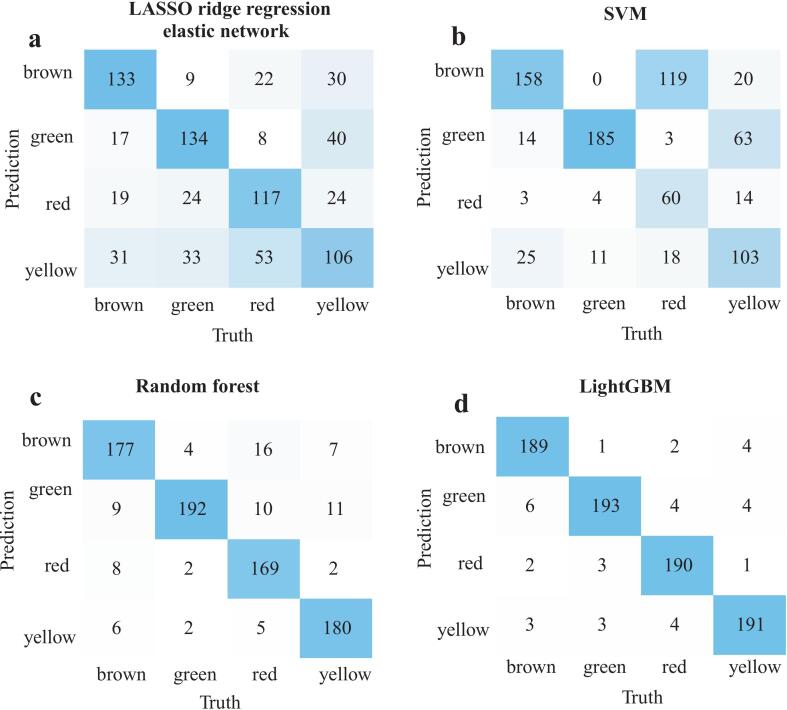 Figure 5
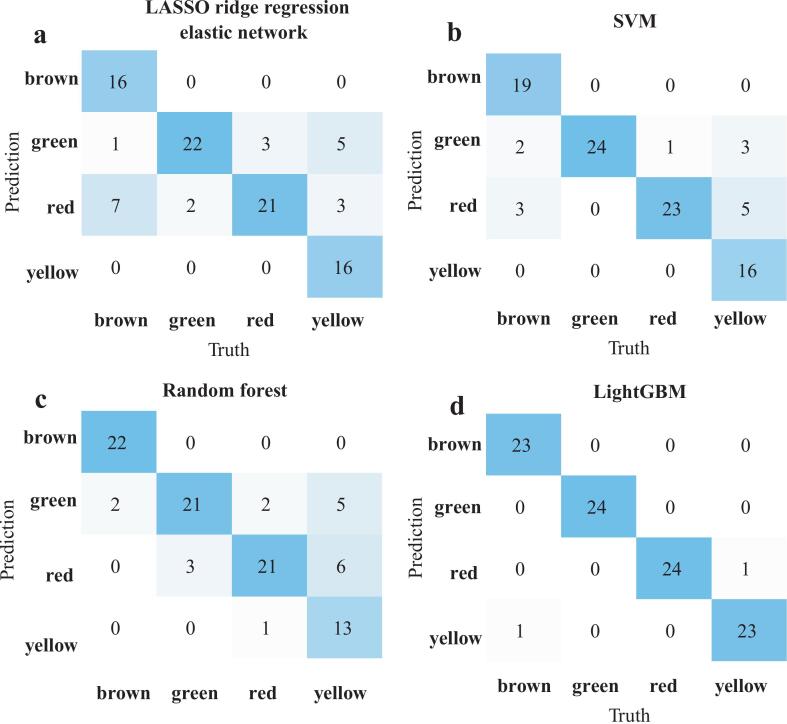 Figure 6
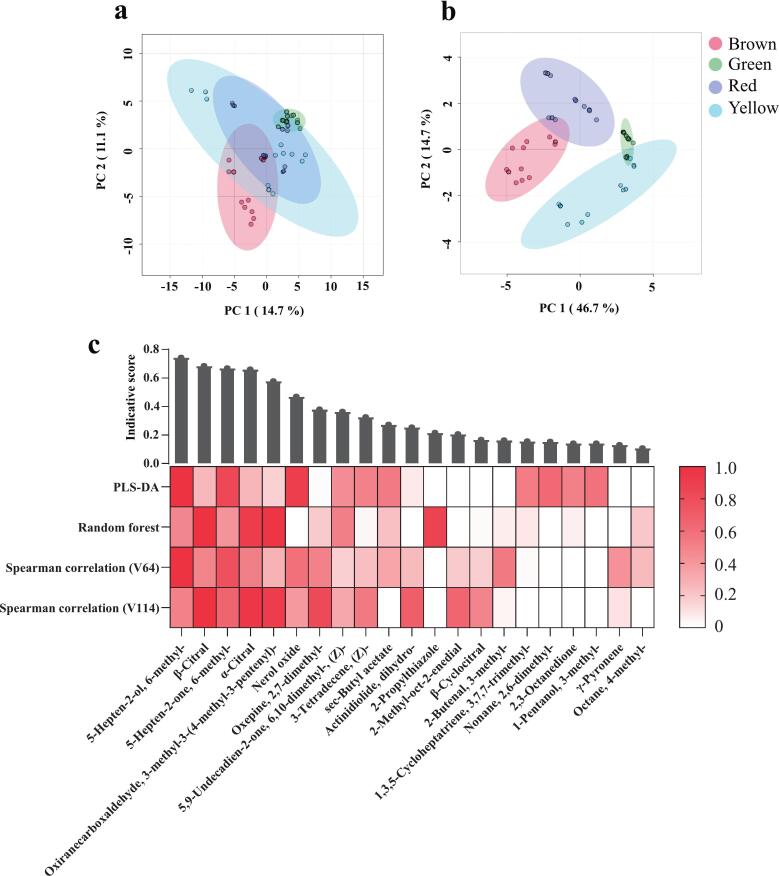 Figure 7
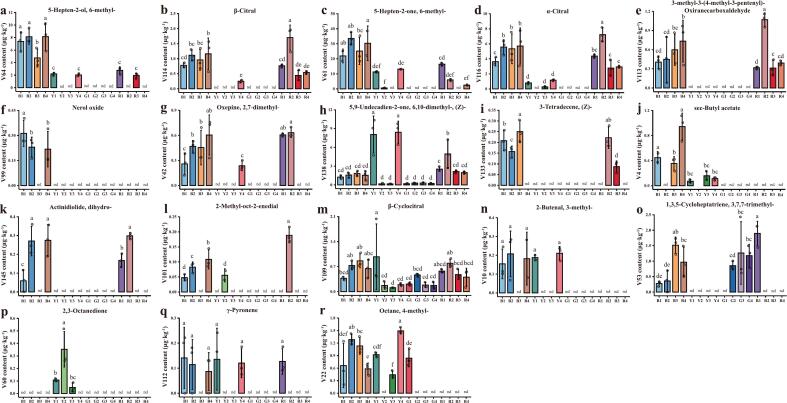 Figure 8
Peer Reviews
No public reviews on file for this paper yet. If you reviewed it on a platform where reviews are public (OpenReview, ICLR, NeurIPS, ICML), you can paste yours below so the community can read it here.
Videos
No videos yet. Explain this paper in a talk, walkthrough, or lecture? Add one.
Taxonomy
TopicsAdvanced Chemical Sensor Technologies · Fermentation and Sensory Analysis · Olfactory and Sensory Function Studies