CFD Mechanistic Modeling of a Monolithic Chromatography System: Challenges and Opportunities
Jamille Coelho Coimbra, Diego Martinez Prata, Raquel Nunes Fernandes, Marcio Arêdes Martins, Luis Antonio Minim

TL;DR
This paper reviews how computer modeling can improve monolithic chromatography systems for better separation efficiency.
Contribution
The paper introduces computer-aided engineering to model and modify monolithic chromatography structures.
Findings
Current models lack detailed morphology integration.
Computer-aided engineering can enhance separation efficiency.
Mathematical models and porous geometries are evolving for chromatography.
Abstract
Monolithic chromatographic supports are part of the fourth generation of chromatographic separation media. A comprehensive knowledge of the transport phenomena described by mechanistic models is important for the purposes of project design for meeting regulatory requirements and optimizing production. Although geometric characteristics influence monolithic support properties, few approaches have incorporated morphology details into the models. Thus, there is a gap for new model developments in complex porous matrices, which may be alternatives to the more classic phenomenological approaches. This review differs from those previously published by demonstrating the utilization of computer-aided engineering to enhance the construction and modification of channel microstructures for the purpose of achieving more effective separation, integrating mathematical models, and constructing porous…
Genes, proteins, chemicals, diseases, species, mutations and cell lines named across the full text — each resolved to its canonical identifier and authoritative record.
Click any figure to enlarge with its caption.
 Figure 1
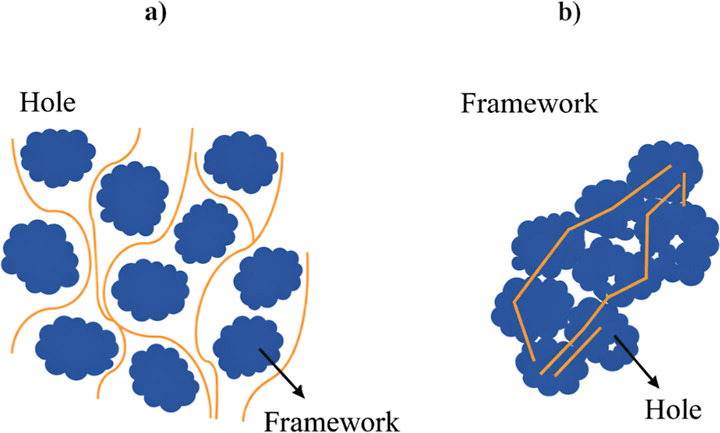 Figure 2
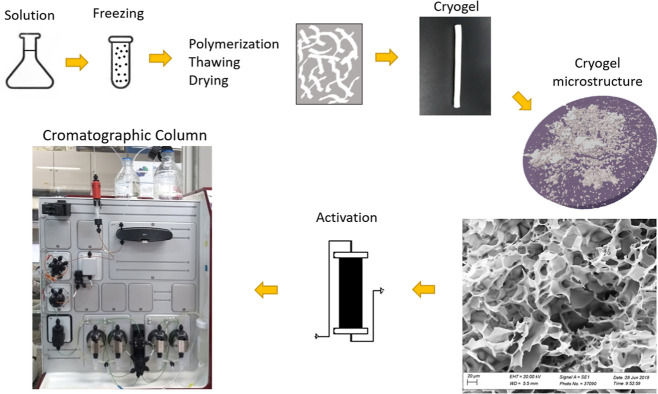 Figure 3
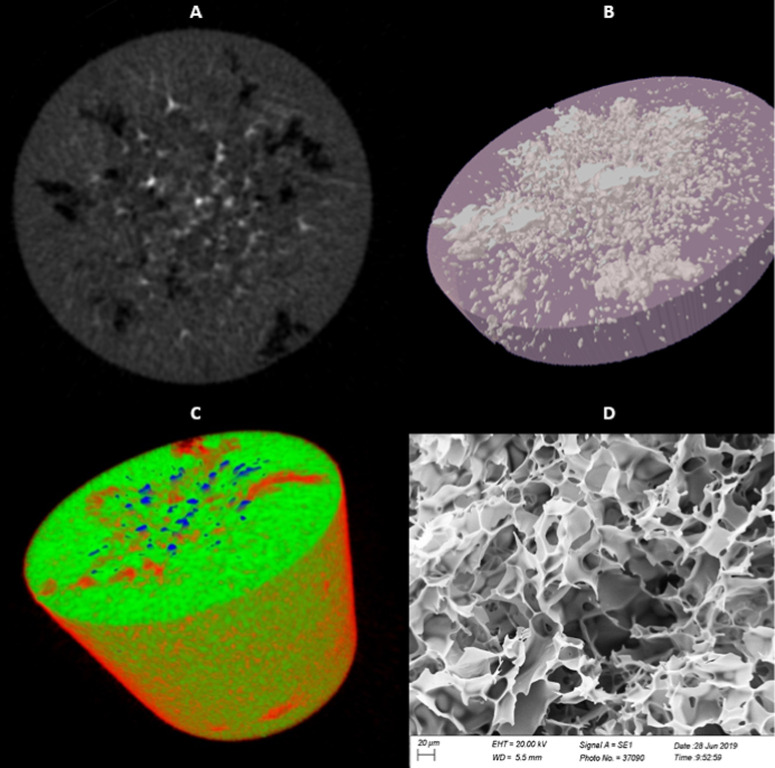 Figure 4
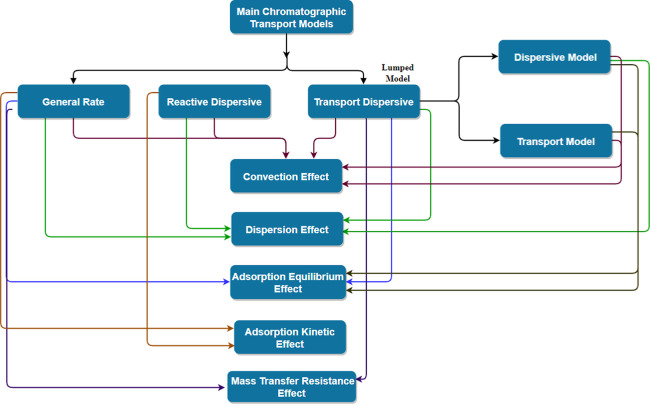 Figure 5
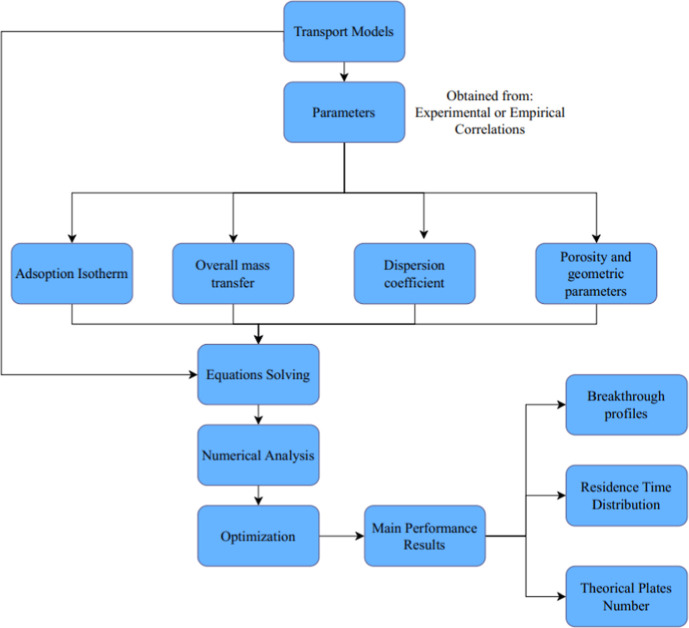 Figure 6
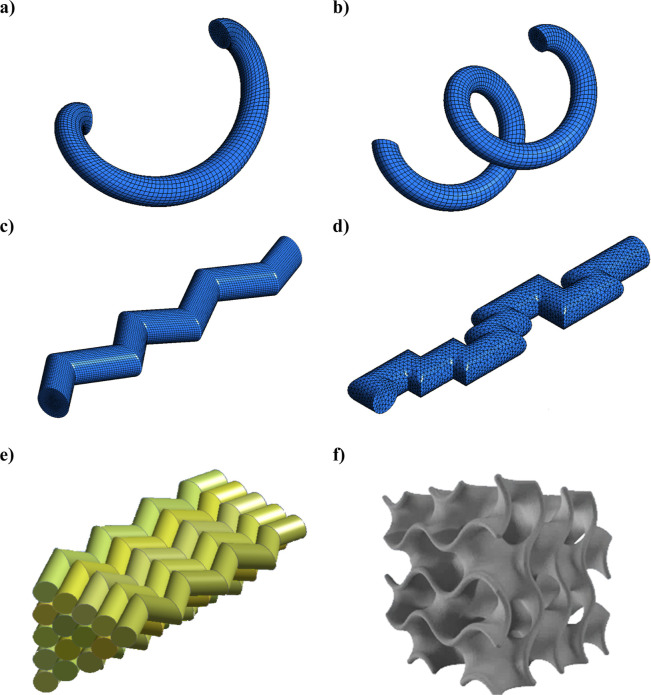 Figure 7
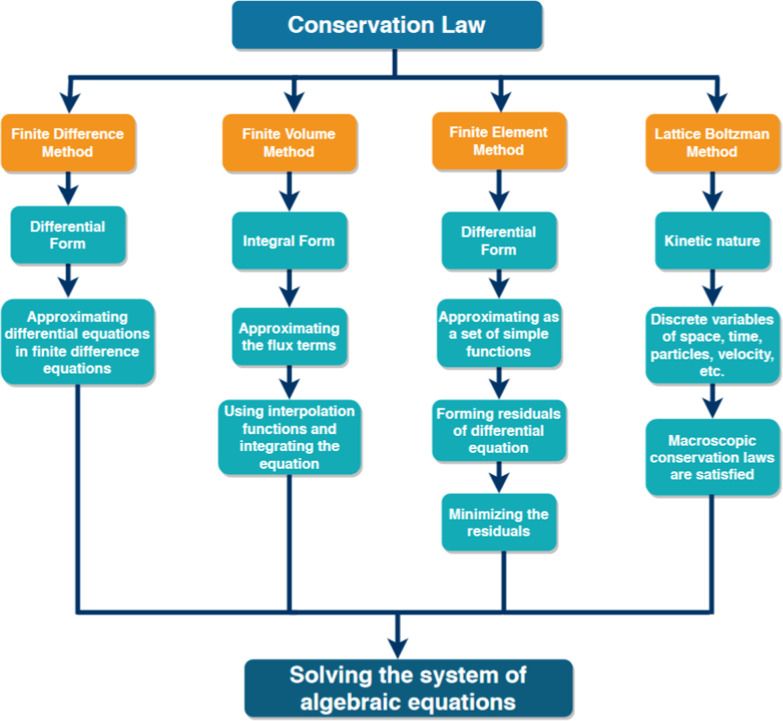 Figure 8
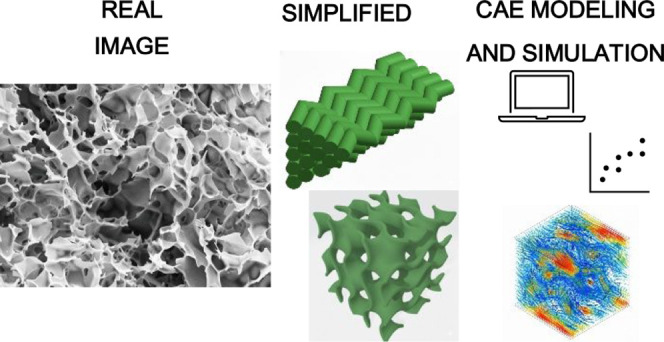 Figure 9
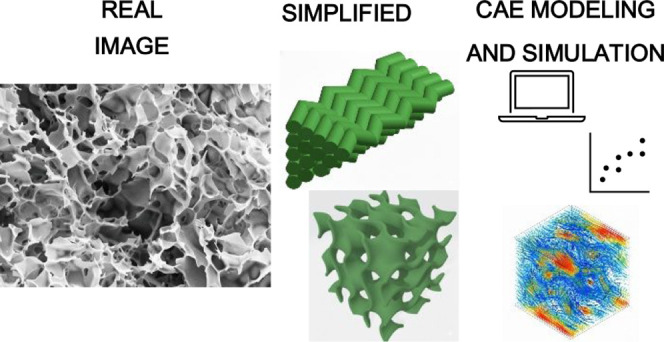 Figure 10
 Figure 11
 Figure 12
 Figure 13
 Figure 14
 Figure 15
 Figure 16
 Figure 17
 Figure 18
 Figure 19
 Figure 20
 Figure 21
 Figure 22
 Figure 23
 Figure 24
 Figure 25
 Figure 26
 Figure 27
 Figure 28
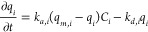 Figure 29
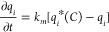 Figure 30
 Figure 31
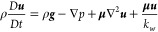 Figure 32
 Figure 33
 Figure 34
 Figure 35
 Figure 36
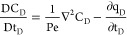 Figure 37
 Figure 38
 Figure 39
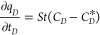 Figure 40
 Figure 41
 Figure 42
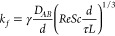 Figure 43
 Figure 44
 Figure 45
 Figure 46
 Figure 47
 Figure 48
 Figure 49
 Figure 50
Peer Reviews
No public reviews on file for this paper yet. If you reviewed it on a platform where reviews are public (OpenReview, ICLR, NeurIPS, ICML), you can paste yours below so the community can read it here.
Videos
No videos yet. Explain this paper in a talk, walkthrough, or lecture? Add one.
Taxonomy
TopicsProtein purification and stability · Analytical Chemistry and Chromatography · Microfluidic and Capillary Electrophoresis Applications