Solidification/stabilization of metallurgical tailings from the zinc process: environmental, microstructural, and mechanical aspects
Fernando Fante, Andrés Lotero, Hugo Carlos Scheuermann Filho, Giovani Jordi Bruschi, Maiki Mafessoli, Maria Alice Piovesan, Paulo Henrique Nogueira Metzker, Eduardo Pavan Korf, Nilo Cesar Consoli

TL;DR
This paper explores using quicklime, cement, and their mix to stabilize zinc process tailings, reducing heavy metal and sulfate leaching while improving mechanical strength.
Contribution
The study introduces a combined stabilization approach using quicklime and cement for enhanced environmental and mechanical performance of zinc tailings.
Findings
Portland cement reduced heavy metal leaching but not sulfates.
Quicklime reduced sulfate and some heavy metal leaching with better mechanical response.
The combination of quicklime and cement provided the best overall stabilization.
Abstract
The management of metallurgical tailings from the zinc process (MTZP) involves a series of hazards due to the presence of heavy metals and sulfates in its composition. An alternative to overcome these difficulties is the use of the solidification/stabilization technique associated with the disposal in dry stacks. For this purpose, it was evaluated the environmental, microstructural, and mechanical properties of compacted metallurgical tailings from the zinc process stabilized with quicklime, Portland cement, and a mixture of both to reduce the potential contamination and increase the mechanical properties, under 7 and 28 days of curing. Analyses such as X-ray fluorescence spectrometry, X-ray diffraction, Fourier transform infrared spectroscopy, and scanning electron microscopy were conducted. Complementarily, mechanical response (unconfined strength and initial shear modulus) and batch…
Genes, proteins, chemicals, diseases, species, mutations and cell lines named across the full text — each resolved to its canonical identifier and authoritative record.
Click any figure to enlarge with its caption.
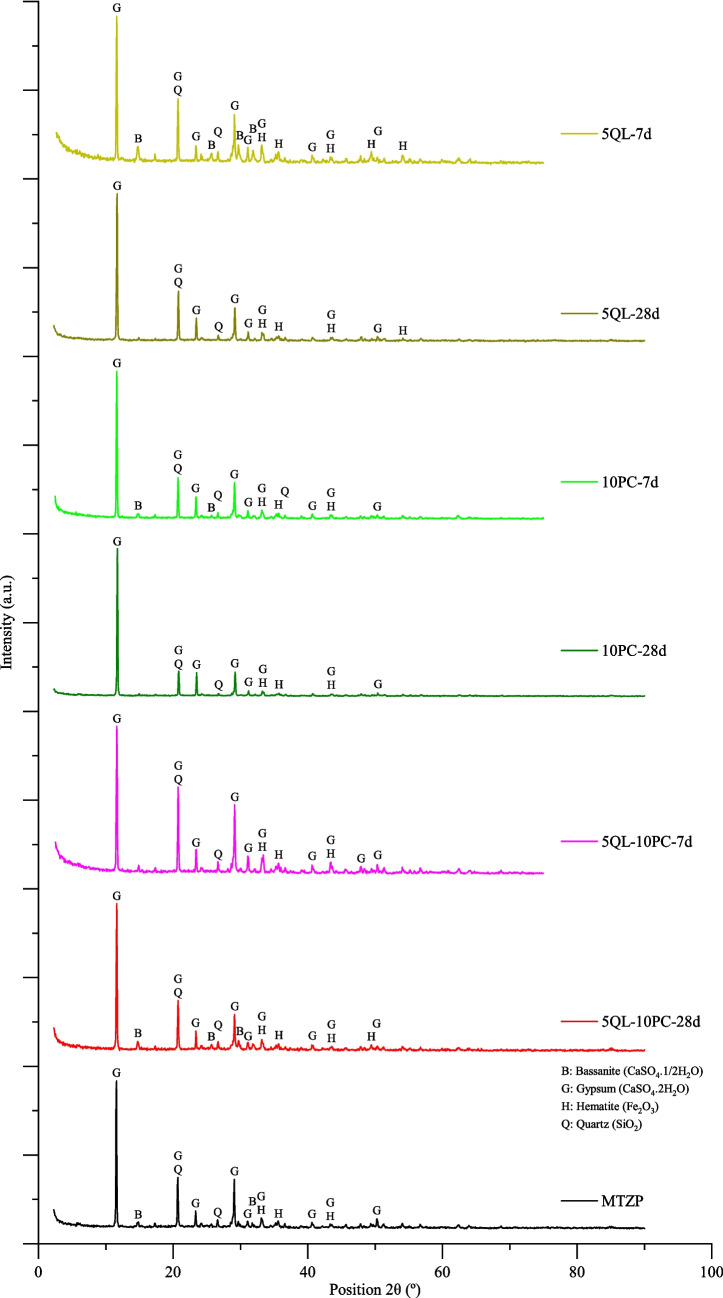 Figure 1
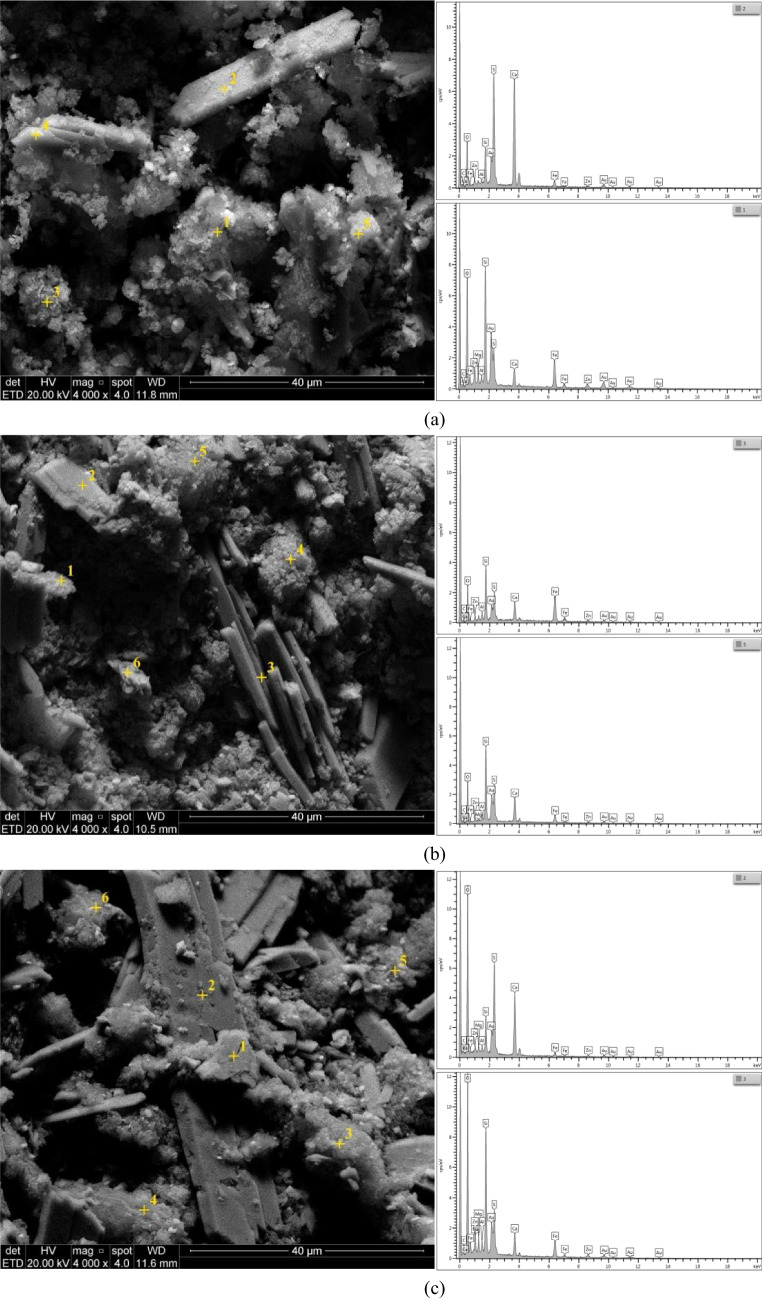 Figure 2
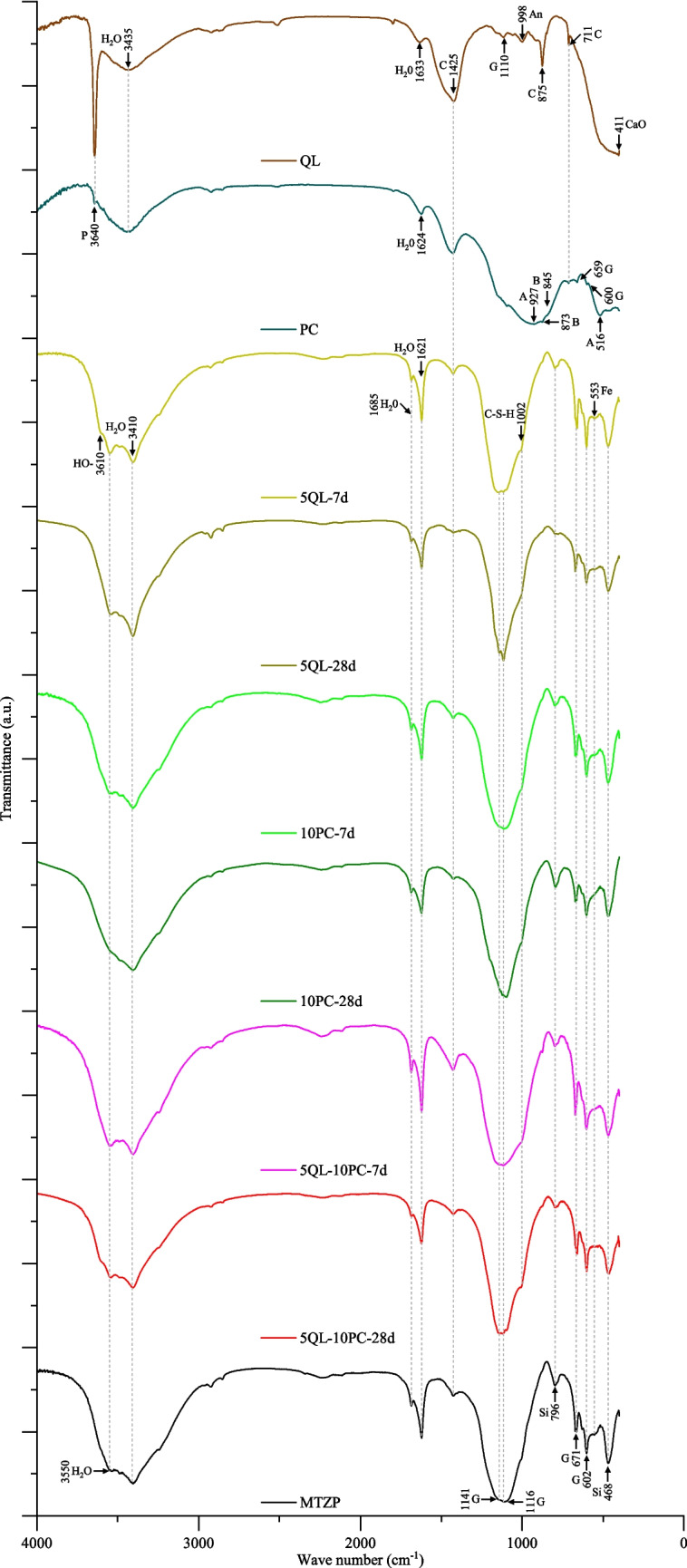 Figure 3
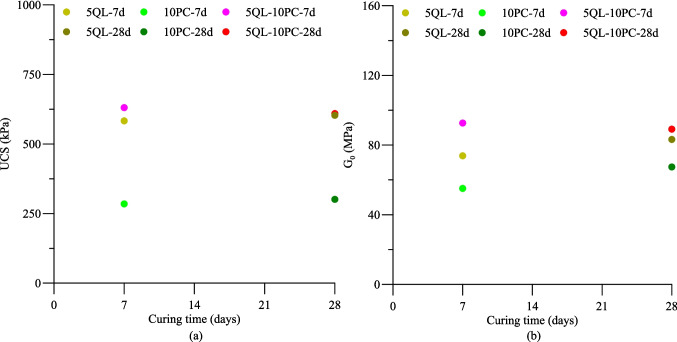 Figure 4
- —http://dx.doi.org/10.13039/501100002322Coordenação de Aperfeiçoamento de Pessoal de Nível Superior
- —http://dx.doi.org/10.13039/501100003593Conselho Nacional de Desenvolvimento Científico e Tecnológico
- —Universidade Federal Da Fronteira Sul
Peer Reviews
No public reviews on file for this paper yet. If you reviewed it on a platform where reviews are public (OpenReview, ICLR, NeurIPS, ICML), you can paste yours below so the community can read it here.
Videos
No videos yet. Explain this paper in a talk, walkthrough, or lecture? Add one.
Taxonomy
TopicsTailings Management and Properties · Metal Extraction and Bioleaching · Magnesium Oxide Properties and Applications
Introduction
Mine waste or mine tailings are generated during a beneficiation process in which the economically valuable component of the ore is separated from the non-valuable component (Piciullo et al. 2022). Due to the potential release of toxic pollutants that can threaten the environment and human health, these materials are generally managed in storage facilities or tailings dams (Rai et al. 2020; Chen et al. 2021, 2022). In this aspect, over the last few decades, attention has been drawn to the failures in tailings dams, which have caused several environmental disasters and human tragedies, with a total of 257 ruptures reported since 1915, with approximately 2650 fatalities and 250 million m^3^ of contaminated waste released into the environment (Piciullo et al. 2022). Two of these major catastrophes occurred in Brazil at the Fundão Dam in Mariana and the Córrego do Feijão Dam in Brumadinho (both in the province of Minas Gerais), which resulted in more than 278 deaths and 54 million m^3^ of tailings released (Do Carmo et al. 2017; Thompson et al. 2020; Silva Rotta et al. 2020). In this regard, dry stacking has been employed in Brazil as a possible solution for reducing the impacts of catastrophic dam failures, being an option for the de-characterization (decommissioning) process or new tailings/waste disposal (Mafessoli et al. 2023). More recently, cementing agents have been incorporated into the tailings/waste before the stacking, to provide an enhancement in the mechanical properties (Mafessoli et al. 2023; Ma et al. 2024; Cai et al. 2025; Khamseh et al. 2025).
Beyond the concerns about the safety of these structures, the release of hazardous contaminants through the leaching of the waste is another crucial aspect to consider (Huang et al. 2023; Wang et al. 2024). Leakage from ore beneficiation and leaching during rainfall events are examples of phenomena that result in the migration of heavy metals from mining areas to the environment (Peng et al. 2022; Wang et al. 2024). This contamination reaches watercourses, which become the main vehicle for the diffusion of the aforementioned pollutants (Desogus et al. 2013; Fei et al. 2017; Lin et al. 2018; Wang et al. 2024). Furthermore, when the sulfate is present in the waste, despite unbalancing the sulfur cycle, its accumulation in rivers may induce the release of toxic sulfides and, consequently, cause adverse impacts on the environment (Ghigliazza et al. 2000; Silva et al. 2002; Benatti et al. 2009). Therefore, the leaching of heavy metals and compounds such as sulfates, can inevitably bring great challenges to public health, as well as several risks to the environment (Bull and Fall 2020; Chen et al. 2021); Guimarães and Leão 2014; Liu et al. 2017; Ye et al. 2017).
The leaching of heavy metals in mining tailings/waste has been verified in several studies in recent years (Ghosh et al. 2011; Liu et al. 2017; Khoeurn et al. 2019; Chen et al. 2022). More specifically for MTZP, elevated levels of contaminants such as SO_4_, Fe, Mg, Ca, Cu, Pb, Ba, Zn, and S were detected (Othmani et al. 2013). Due to the presence of these pollutants and their leachability in the natural state, MTZP is often classified as hazardous solid waste (Luo et al. 2022).
An alternative to overcome this problem is the use of cementing agents (e.g., lime and Portland cement) to neutralize the contaminants through stabilization/solidification (García et al. 2004). Lime has been used alone or in mixtures in the treatment of soils contaminated with heavy metals (Akhter et al. 1990), expansive sulfated soils (Consoli et al. 2019), and gypsum soils (i.e., which have a high concentration of sulfates) (Aldaood et al. 2014a, c, b, 2021). The agent acts by increasing the pH of the medium, reducing the solubility of some heavy metals (Spence and Shi 2005), or retaining it through the products formed by pozzolanic reactions (Hossein 2000). Portland cement has been employed to stabilize contaminants and reduce their leaching, often associated with other agents such as fly ash, lime, bentonite, calcium aluminates, and blast furnace slag (Akhter et al. 1990; Hossein 2000; Spence and Shi 2005; Giergiczny and Król 2008; Barjoveanu et al. 2018; Zhang et al. 2021; Calgaro et al. 2021). The addition of cement creates a mechanical barrier within the matrix, decreasing permeability and preventing contaminants from leaching and being released into the environment (Hossein 2000; Spence and Shi 2005).
Several studies have addressed the stabilization of MTZP based on the use of cementing agents such as Portland cement and metakaolin (Zheng et al. 2018); Portland cement and bentonite (Chen et al. 2022); blast furnace slag and rice husk ash (Wang et al. 2022); Portland cement, lime, and fly ash (Erdem and Özverdi 2011); alkaline cement (Desogus et al. 2013; Wan et al. 2019; Chen et al. 2020); and even organic and inorganic chemical agents (Luo et al. 2022). However, in these studies, the MTZP had little or no sulfate in its composition. In this regard, there is a lack of research focused on the stabilization of metallurgical tailings from the zinc process (highly sulfated), for disposal in stacks. Thus, the present work aims to evaluate the environmental, microstructural, and mechanical properties of compacted metallurgical tailings from the zinc process stabilized with quicklime, Portland cement, and both to reduce the potential contamination and use in cemented piles.
Materials
The waste used in this research was obtained from the hydrometallurgical process for metallic zinc production and was collected in the province of Minas Gerais, Brazil. It is important to note that while global zinc production predominantly relies on sulfide concentrates, whose processing generates significant jarosite residues, the material investigated herein derives from the beneficiation of silicate ores. The material presented a dominance of silt-sized particles (84.2%), in lesser proportions, fine sand (8.3%), clay (7.3%), and medium sand (0.2%). According to the Unified Soil Classification System (ASTM, 2017), the material was classified as a high-plasticity silt (MH). The specific gravity of solids was 2.64. The environmental classification conducted by the procedure of the NBR 10004 (ABNT, 2004a) indicated that the MTZP was classified as a waste class I—hazardous. In this aspect, the concentrations of As, Cd, and Pb exceeded the regulatory limit established by Annex F of NBR 10004 (ABNT, 2004a) as presented in Table 1. Based on the results of the X-ray fluorescence analysis (XRF), the predominant elements in the MTZP were sulfur (25.45%), silicon (17.79%), iron (15.59%), and calcium (14.10%), as can be seen in Table 2. Table 1. Chemical composition of the leached extracts of the MTZP and mixtures (QL-MTZP, PC-MTZP, and QL-PC-MTZP) under 7 and 28 days of curing by the leaching test (mg/L)ElementsMTZP5QL-7d5QL-28d10PC-7d10PC-28d5QL-10PC-7d5QL-10PC-28dNBRCONAMA420EPADLAg0.000.000.000.010.000.040.005.00^a^0.05--Al0.000.000.000.000.000.000.00-^a^3.50--As6.996.130.620.750.043.200.211.00^a^0.010.010.01Ba0.000.000.490.000.000.730.0070.00^a^0.702.000.05Cd8.899.157.561.310.575.190.730.50^a^0.0050.0050.0004Cr0.000.000.000.000.000.000.005.00^a^0.050.100.001Cu0.111.992.140.000.000.000.00-^a^2.001.300.015Fe0.000.000.000.000.000.000.00-^a^2.45--Hg0.000.000.000.000.000.000.000.10^a^0.0010.0020.00005Mn33.2033.0035.5025.359.8736.707.88-^a^0.40--Na0.000.000.000.000.000.000.00-^a^---Pb7.7527.1562.133.171.153.100.501.00^a^0.010.0150.015Se0.180.570.440.000.000.000.001.00^a^0.010.05-Zn439.00589.94471.19288.44145.94342.9499.74-^a^1.05-0.065pH5.124.744.785.125.036.306.08-^a^-6.50–8.50-^a^NBR 10004–Annex FTable 2X-ray fluorescence analysis of the materials (MTZP, quicklime, and Portland cement) and the mixtures (QL-MTZP, PC-MTZP, and QL-PC-MTZP)ElementsMTZPQLPC5QL-7d5QL-28d10PC-7d10PC-28d5QL-10PC-7d5QL-10PC-28dSi17.790.2227.3016.1517.1119.4418.1217.2517.33Al1.090.047.361.000.981.591.451.311.33Tin.dn.dn.dn.dn.d0.010.010.010.01Fe15.590.111.6714.8714.5614.3114.2014.1513.25Mn0.18n.d0.430.190.210.210.200.210.22Mg1.842.326.191.872.042.892.182.392.60Ca14.1082.4549.1116.7416.8315.9617.1119.4019.34Na1.01n.d0.210.880.941.040.860.900.91K0.180.010.320.180.180.220.220.210.21P0.08n.d0.190.080.070.080.080.080.07Cln.dn.dn.dn.dn.d0.010.030.000.01Cu0.05n.dn.dn.dn.dn.dn.dn.dn.dNin.dn.dn.dn.dn.dn.dn.dn.dn.dCon.dn.dn.dn.dn.dn.dn.dn.dn.dCd0.07n.dn.d0.070.080.070.070.070.07Pb2.53n.dn.d2.432.402.302.342.312.19Zn2.21n.d0.032.232.402.112.292.132.22Ba0.19n.dn.d0.190.180.190.190.190.18S25.452.253.1325.4026.4823.7325.4524.5024.87LOI17.6412.603.3517.7915.5015.7815.1714.8615.15n.d. not detected, LOI loss of ignition
From the X-ray diffraction (XRD) analysis (Fig. 1), it was detected some crystalline structures such as bassanite (CaSO_4_·1/2H_2_O), gypsum (CaSO_4_·2H_2_O), hematite (Fe_2_O), and quartz (SiO_2_) in the MTZP, corroborated by the detection of S, Si, Fe, and Ca in the XRF evaluation. Complementarily, from the microstructural analyses (SEM–EDS) performed on MTZP (Fig. 2), it can be observed elongated prismatic structures resembling “sticks” and plate-shaped particles suggesting a sulfate morphology (Seewoo et al. 2004; Chen et al. 2021). This finding was supported by the EDS analysis conducted at point 2 (Fig. 2a), which detected important amounts of Si, Ca, and O. Small clusters of crystals and the existence of iron, oxygen, and silicon identified in the EDS (point 1) indicated the presence of hematite and quartz.Fig. 1XRD for the MTZP and the mixtures (QL-MTZP, PC-MTZP, and QL-PC-MTZP)Fig. 2SEM–EDS, 4.000 times magnification: a MTZP, b 5QL-28d, and c 10PC-28d
The stabilization/solidification of the metallurgical tailings from the zinc process was conducted by the use of quicklime and blast furnace slag Portland cement (type III RS). The XRF carried out in these materials (Table 2) evidenced the presence of calcium, silicon, magnesium, aluminum, and sulfur as the main elements of PC and calcium, magnesium, and sulfur for the QL. The Fourier transform infrared spectroscopy (FT-IR) analysis performed in QL and PC (Fig. 3) indicated a band located at 3640 cm^−1^ that was associated with the stretching vibrations of O–H bonds in portlandite (Zaki et al. 2006; Domínguez et al. 2008; García Lodeiro et al. 2009; Taddei et al. 2009; Jose et al. 2020). The band at 3435 cm^−1^ was attributed to stretching vibrations in O–H bonds and the region between 1624 and 1633 cm^−1^ to bending vibrations in H–O-H, both from water molecules present in the sulfate (Zaki et al. 2006; Król et al. 2016; Bulatović et al. 2017; Moukannaa et al. 2018; Khan et al. 2019; Jose et al. 2020).Fig. 3FT-IR spectra for the materials (MTZP, quicklime, and Portland cement), and the mixtures (QL-MTZP, PC-MTZP, and QL-PC-MTZP). Notes: water (H_2_O), calcite (C), gypsum (G), silicates (Si), iron minerals (Fe), portlandite (P), alite (A), belite (B), anhydrite (An), and calcium oxide (CaO)
The broad band centered at 1425 cm^−1^ and peaks at 875 cm^−1^ and 711 cm^−1^ were characteristic of the stretching of the C-O bonds, due to the formation of calcite through carbonation processes (Yousuf et al. 1993; Lane and Christensen 1997; Reig 2002; Zaki et al. 2006; García Lodeiro et al. 2009; Ji et al. 2009; Pacheco-Torgal et al. 2015; Król et al. 2016; Khan et al. 2019; Saedi et al. 2023). The peak at 1110 cm^−1^ corresponds to the vibration of sulfates (SO_4_) while the absorption bands at 690 cm^−1^, 659 cm^−1^, and 600 cm^−1^ advocate the presence of gypsum or ettringite minerals (Taddei et al. 2009; Bulatović et al. 2017; Khan et al. 2019). The specific phases of the clinker recognized at 927 cm^−1^, 873 cm^−1^, 845 cm^−1^, and 516 cm^−1^ were attributed to silicate ions as alite or tricalcium silicate (C_3_S), and belite or dicalcium silicate (C_2_S) (Yousuf et al. 1993; Domínguez et al. 2008; Taddei et al. 2009; Saedi et al. 2023). On the other hand, intense broadband at 400 cm^−1^ was verified in quicklime, which represents the Ca-O bond (Zaki et al. 2006), while at 998 cm^−1^ it implies the existence of anhydrite (Sarma et al. 1998; Taddei et al. 2009).
Methods
Experimental design
The experimental design was performed with three different mixtures QL-MTZP, PC-MTZP, and QL-PC-MTZP, to elucidate the behavior of these distinguished stabilizers. The stabilizer content was defined based on the literature as 5% for quicklime (Ingles and Metcalf 1973; Mitchell 1981; U.S. U.S. Army Corps of Engineers 1994; Consoli et al. 2019) and 10% for Portland cement (Mitchell 1981; Consoli et al. 2010). These values were consistent with previous studies on the stabilization of lead–zinc mine tailings (Desogus et al. 2013; Chen et al. 2022) and hydrometallurgical zinc waste or jarosite (Mymrin and Vazquez Vaamonde 1999; Gupta and Prasad 2018). Two curing times (7 and 28 days) were utilized for a better understanding of chemical, mineralogic, microstructural, and leaching behavior over time. The moisture content and the dry unit weight were defined based on the results of compaction tests conducted in MTZP under normal effort (wopt = 64% and γ_d_ = 9.20 kN/m fixed for all specimens). Since temperature effects were beyond the scope of this study, it was consequently maintained at 23 °C. Finally, to indicate the mechanical behavior of the mixtures, initial shear modulus and unconfined compression tests were conducted for 7 and 28 days of curing.
Molding and curing
Due to the presence of gypsum, a specific procedure was followed during the material preparation as stated by D2216 (ASTM, 2019), which involves drying the MTZP at 60 ± 2 °C for 48 h. Afterward, the components of the mixture (MTZP, quicklime, Portland cement, and destilled water) were weighed, and the dry constituents were mixed until a homogeneous blend was achieved. The destilled water was then gradually added to the dry blend and mixed until a homogeneous paste was obtained. After that, the mass of each layer was weighed and placed into plastic containers to prevent humidity loss. The specimen was statically compacted in three layers following the undercompaction method (Ladd 1979), into a lubricated, three-part cylindrical mold (50 mm in diameter and 100 mm in height). Immediately after molding, the specimen was extracted, and its weight and dimensions (diameter and height) were measured with accuracies of 0.01 g and 0.1 mm, respectively. Finally, the sample was placed in airtight bags and cured in the humidity room at 23 ± 2 °C and relative humidity of 95%.
Leaching
The leaching tests were conducted following the procedure presented in the Brazilian standard NBR 10005 (ABNT 2004b), the solubility tests by the NBR 10006 (ABNT, 2004c), and the solid waste characterization by the NBR 10004 (ABNT 2004a). For the leaching tests, after reaching the curing time, the specimens were crushed, sieved through a mesh with an opening of 9.5 mm, and exposed to an acetic acid solution with a pH of ~ 2.8 through a solid/liquid ratio of 1:20. Finally, the mixture was agitated in a rotary shaker at a fixed rotation of 30 rpm, for 18 ± 2 h and 23 ± 2 °C. Subsequently, the leachate was kept in a temperature-controlled environment (< 4 °C) for further filtration, pH, and metal determination. A membrane filter with an opening of 0.45 µm was used for filtering the leachate. The metal concentrations were determined by inductively coupled plasma optical emission spectrometry (ICP-OES), executed in a Shimadzu ICP Emission Spectrometer (model ICPE-9800). The standard curves were prepared into a mono-element solution in which elements were diluted in nitric acid HNO_3_.
For the solubility tests, the specimens after achieving the curing time were crushed, sieved through a mesh with an opening of 9.5 mm, and exposed to distilled water through a solid/liquid ratio of 1:4. Finally, the mixture was agitated in a rotary shaker at a low rotation for 5 min. Subsequently, the extract was kept for 7 days in a temperature-controlled environment (< 25 °C) for further filtration, pH, and sulfate determination. A membrane filter with an opening of 0.45 µm was employed for filtering the extract. The turbidimetric analysis (Sheen et al. 1935) through UV–visible spectrometry was employed to evaluate the sulfate concentration. The apparatus consisted of a Kasuaki Spectrophotometer (model IL-592), operating in the UV–visible light range of 195 to 1020 nm, featuring a ± 2 nm bandwidth, single-beam configuration, and silicon photodiode detector. The tests were carried out using a 420-nm wavelength, quartz cuvettes, in duplicate, and following the procedures of APHA, AWWA, and WEF (2017). The pH of the extracts was measured by Hanna pH meter (model HI 2221), glass body, and Ag/AgCl electrode. The element’s concentration was compared with the EPA (USEPA 2009), the Dutch List (VROM 2000), CONAMA 420 (CONAMA 2009), and NBR 10004 (ABNT 2004a).
Microstructural behavior
After the curing time, treated MTZP specimens used to investigate microstructural behavior were crushed, dried, and promptly submitted for analysis. For the cases where a powder material was used in the tests, an additional step of sieving through a #325 mesh was employed. The raw materials (QL, PC, and MTZP) were prepared in a simplified manner, where they were only dried and sieved before analysis. The elemental composition was determined by XRF spectrometry analysis carried out on an RIX 2000 (Rigaku) spectrometer equipped with a Rh tube and refrigerated anode, with tabulated rock pattern calibration curve developed by Geostandars and the sample preparation by pressed powder method. The mineralogical composition was verified by XRD analysis, conducted with a D-5000 (θ−2θ) (Siemens) diffractometer, equipped with a fixed Cu anode tube (λ = 1.5406 Å), operating at 40 kV and 25 mA in the primary beam and curved graphite monochromator in the secondary beam. The samples were analyzed in the angular range of 2.3° to 90° 2θ in a step of 0.05°/1 s. The chemical bonds analysis was conducted through FT-IR, employing Spectrum 1000 (PerkinElmer) FT-IR spectrometer, operating within the range of 4000–400 cm^−1^ and at a resolution of 4 cm^−1^. Finally, the microstructural evaluation was executed by scanning electron microscopy (SEM), performed in a JSM-6610LV (Jeol) microscope, using an electron beam of 20 kV, and gold-coated samples and with magnifications of 4000 times. The qualitative identification of the elements in the microstructural analysis was due to energy-dispersive X-ray spectroscopy (EDS) through a Nano X Flash Detector 5030 (Brucker) energy-dispersive spectrometer coupled to the microscope.
Mechanical response
Assuming the material is elastic, homogeneous, and isotropic, the initial shear modulus can be obtained from elasticity theory relating the shear wave velocity (Vs) and the apparent density (ρ), as presented in Eq. 1 (Mitchell and Soga 2005):
\documentclass[12pt]{minimal} \usepackage{amsmath} \usepackage{wasysym} \usepackage{amsfonts} \usepackage{amssymb} \usepackage{amsbsy} \usepackage{mathrsfs} \usepackage{upgreek} \setlength{\oddsidemargin}{-69pt} \begin{document}$${G}_{0}=\rho \bullet {V}_{s}^{2}$$\end{document}The shear wave velocities were determined by an electronic pulse device that emits shear waves at a constant frequency of 250 kHz. Transducers were attached at the top and bottom of the specimens, employing coupling gel.
The unconfined compression tests were executed following the D2166 (ASTM 2016), through an automatic loading press, operating at a displacement rate of 1.14 mm/min. A 5-kN load cell was attached to the loading press to measure the maximum applied load. Before the tests, the specimens were submerged in water for 24 h to reduce the suction effects (Mafessoli et al. 2023).
Results and discussion
Leaching tests
Table 1 presents the concentration of the metals in the leached extracts of MTZP, QL-MTZP, PC-MTZP, and QL-PC-MTZP mixtures from the batch leaching tests. The concentrations of silver in the MTZP, as well as for the QL-MTZP, PC-MTZP, and QL-PC-MTZP extracts, were below the limits specified by the CONAMA 420 (CONAMA 2009) and NBR 10004 (ABNT 2004a). A small concentration of Ag was detected in MTZP treated with PC, probably as an impurity within the cement, since this metal was not verified in MTZP and in treatments using only QL. Similarly, aluminum was not identified in the MTZP extract and, consequently, was below the established limits of CONAMA 420 (CONAMA, 2009). Unlike ordinary Portland cement which contains a significant amount of tricalcium aluminate (C_3_A), sulfate-resistant cements have low quantities of this compound (Bye 2011). This fact, associated with the non-leaching of aluminum in the mixtures, implies that the small amount present in the stabilizers was consumed in pozzolanic reactions to form calcium aluminate hydrate (C-A-H) gel, a reaction product of Portland cement (Bergado et al. 1996; Taylor 1997) and quicklime (Bergado et al. 1996).
The concentrations of As in MTZP extract were above all the regulatory limits evaluated. After the incorporation of quicklime, Portland cement, and both, the concentrations were reduced at 7 days of curing and again at 28 days of curing. In this aspect, just the 28 days of curing QL-MTZP, PC-MTZP, and QL-PC-MTZP mixtures satisfy the limits of NBR 10004 (ABNT, 2004a). For the studied conditions, the treatment with Portland cement presented a greater effectiveness in the immobilization of As when compared with quicklime. The efficacy of the treatment of As with Portland cement was also verified by other studies (Akhter et al. 1990; Pereira dos Santos et al. 2024). Barium was not detected in the MTZP extract and, consequently, attained all regulatory limits evaluated. It should be noted that when quicklime was added to the MTZP, an increase in metal concentrations in the extract was observed, due to the presence variable of Ba in limestones and clays, which are raw materials for clinker and lime (Vollpracht and Brameshuber 2016; Ferrazzo et al. 2023). From this perspective, only the treatment with Portland cement meets the minimum normative requirements.
Conversely, the Cd concentration in the MTZP extract was above the evaluated regulations. The inclusion of quicklime produced a slight decrease in the concentrations of cadmium, credited to the incorporation of the Cd ion into the portlandite Ca(OH)2 molecule. The consequence is the replacement of Ca, and the formation of a double compound CdCa(OH)4 (Park 2000), or precipitation as Cd(OH)2 (Cartledge et al. 1990). The incorporation of PC decreased the concentration of Cd by encapsulating it within the cemented matrix, specifically by the C-S–H/C-A-S–H gels types (Ferrazzo et al. 2023). For the studied treatments, the PC-MTZP mixture provided greater efficiency in the reduction of leachability of Cd; however, it was not possible to fully meet the regulatory limits of NBR 10004 (ABNT 2004a), CONAMA 420 (CONAMA 2009), EPA (USEPA 2009), and DL (VROM 2000). The presence of Cr, Fe, Hg, and Na was not observed in the MTZP extract, as well as it was not identified after the treatments with quicklime, Portland cement, and both.
The concentration of copper in the extract of MTZP was above the regulatory limits of the Dutch List (VROM 2000). The leaching of the Cu was controlled by the dissolution/precipitation of Cu(OH)2 and CuO, with CuO being an amphoteric oxide (Özkök et al. 2013; Mahedi et al. 2019). This aspect may explain the increase in copper leaching as the pH moves away from neutral, especially for the QL-MTZP. As reported in the literature, Portland cement may encapsulate the Cu in the cement matrix (Pereira dos Santos et al. 2024), which explains the zero value for the treatment with Portland cement. Therefore, the PC-MTZP and QL-PC-MTZP treatments attained the regulatory standards of NBR 10004 (ABNT, 2004a), CONAMA 420 (CONAMA 2009), EPA (USEPA 2009), and DL (VROM 2000). For the Mn, it was noted that its concentration in the extract of MTZP was considerably above the regulatory limit of CONAMA 420 (CONAMA, 2009). The inclusion of QL practically did not change the metal levels, unlike the incorporation of PC which provided a reduction in manganese leaching. It occurred due to the precipitation of Mn in the form of manganese hydroxide Mn(OH)2 (Cetin and Aydilek 2013), providing its encapsulation (Wang et al. 2020, 2023; Han et al. 2023). Despite the reduction in the metal leaching with the PC-MTZP treatment, the CONAMA 420 (CONAMA 2009) standard was not satisfied.
In the case of lead, its concentration in the MTZP was above all the regulatory limits evaluated. The treatment with PC provided a reduction in the leaching due to the replacement of divalent cations as Ca^2+^ by the Pb^2+^ in cement hydrate phases (Spence 1993; Gougar et al. 1996). Moreover, it was reported that Pb presented lower solubility at the range of pH 7.5–10 (Shnorhokian 1996), which explained the increase in leaching observed in the QL-MTZP treatment. Thus, although there was a decrease in the metal concentrations, the regulatory limits were not attained. For selenium, the concentration in the MTZP extract was only below the NBR 10004 (ABNT 2004a) limit. The inclusion of Portland cement provided a reduction of the levels of Se, due to its encapsulation in the cemented matrix (Pereira dos Santos et al. 2024), and as a consequence, attaining the regulatory limits of NBR 10004 (ABNT, 2004a), CONAMA 420 (CONAMA 2009), and EPA (USEPA 2009). The concentration of zinc in the MTZP extract was above the regulatory limits, as was also observed by Sethurajan et al. (2016) in the extract from metallurgical waste from the zinc plant. The treatments with Portland cement decreased the metal leaching for the studied curing times, due to the encapsulation of the contaminant in the cement matrix (Malviya and Chaudhary 2006). Although a reduction in the leaching was noted, the regulatory standards of CONAMA 420 (CONAMA 2009) and DL (VROM 2000) were not met.
Table 3 shows the concentration of sulfate in the solubilized extracts of MTZP, QL-MTZP, PC-MTZP, and QL-PC-MTZP mixtures from the batch tests. It can be noted that a high concentration of sulfate was detected in the MTZP extract, which was above the regulatory limits of NBR 10004 (ABNT 2004a) and EPA (USEPA 2009). A considerable decrease in leaching was observed when the MTZP was stabilized with quicklime. In this regard, the CaO reacts with H_2_O, releasing heat and forming portlandite Ca(OH)2 (Spence 1993; Bergado et al. 1996; Pacheco-Torgal et al. 2015; Ineich et al. 2017). Table 3. Chemical composition of the solubilized extracts of the MTZP and mixtures (QL-MTZP, PC-MTZP, and QL-PC-MTZP) by the leaching test (mg/L)ElementsMTZP5QL-7d5QL-28d10PC-7d10PC-28d5QL-10PC-7d5QL-10PC-28dNBRCONAMA 420EPADLSO_4_5191.972784.12658.696195.255668.532733.942683.77250.00^a^-250.00-pH3.616.437.014.616.116.546.42^a^NBR 10004–Annex G
The portlandite dissociates when it enters in contact with soil water, generating Ca^2+^ and 2(HO)^−^ ions and increasing the pH of the system (Bergado et al. 1996; Pacheco-Torgal et al. 2015). Calcium ions combine with sulfate ions and end up forming gypsum (Bulatović et al. 2017). Due to the excess of calcium ions common to calcium sulfate ions (i.e., common ion effect), there is a reduction in solubility due to precipitation in the form of gypsum (Benatti et al. 2009; Deng et al. 2013; Roy and Bhattacharya 2015; Ineich et al. 2017; Nariyan et al. 2018). In other words, a solid precipitate/crystal is formed when a solute exceeds its solubility in an aqueous solution. Therefore, the precipitation process in the form of gypsum is the main way of controlling sulfate dissolution (McGregor et al. 1998; Doye 2004; Astrup et al. 2006; Romero et al. 2007; Nehdi and Tariq 2007). On the other hand, when only Portland cement was added to the system, there was not sufficient Ca^2+^ to produce the common ion effect which precipitated the gypsum. Therefore, the Portland cement did not provide a reduction in sulfate leaching. This aspect was supported by the QL-PC-MTZP results, in which it can be seen that the decrease in sulfate leaching is of the same order of magnitude as that of the treatment QL-MTZP.
The batch leaching tests revealed that Portland cement was generally more effective than quicklime in reducing the leachability of most metals (As, Cd, Cu, Mn, Pb, Se, and Zn), although not all final concentrations achieved regulatory standards. In this aspect, the PC stabilizes the heavy metals primarily through the encapsulation within the C-S–H gel (Chen et al. 2009). This is also corroborated by the microstructural analysis, which confirmed the formation of this gel. On the other hand, quicklime showed limited or even adverse effects on metal leaching, attributed to pH changes and potential impurities. Nevertheless, quicklime stabilizes sulfates through the gypsum precipitation driven by the common ion effect. The combined use of Portland cement and quicklime provides a synergistic effect through the encapsulation of heavy metals within the C-S–H gel and the stabilization of the sulfate due to the common-ion effect and gypsum formation.
Microstructural behavior and mechanical response
Table 2 presents the XRF analysis performed in the QL-MTZP, PC-MTZP, and QL-PC-MTZP mixtures at distinct curing times. According to the results, the chemical composition of QL-MTZP, PC-MTZP, and QL-PC-MTZP mixtures was similar to the MTZP, with high concentrations of sulfur, calcium, silicon, and iron. The inclusion of quicklime and Portland cement provoked an increase in the calcium content because of its presence in the composition of the stabilizers. The low sulfur content in quicklime and Portland cement resulted in little variations in QL-MTZP, PC-MTZP, and PC-MTZP mixtures. Remarkably, heavy metals such as barium, zinc, lead, and cadmium were observed in the mixtures; however, their presence was attributed to MTZP.
XRD analysis performed in the MTZP and the mixtures QL-MTZP, PC-MTZP, and PC-MTZP under different curing times are exhibited in Fig. 1. Some crystalline structures such as bassanite (CaSO_4_·1/2H_2_O), gypsum (CaSO_4_·2H_2_O), hematite (Fe_2_O), and quartz (SiO_2_) were identified in the QL-MTZP, PC-MTZP, and QL-PC-MTZP mixtures in all curing times, with their presence being credited to the MTZP. This aspect was in agreement with the data obtained in the XRF analysis, where a relevant amount of calcium, sulfur, iron, and silicon were detected (see Table 2). Some peaks from the MTZP were maintained in the stabilized material, demonstrating that these minerals were not dissolved and remained within their original structures throughout the studied curing times. Peaks like 14.75° and 25.72° attributed to the bassanite mineral disappear over time, indicating that phase was consumed during the cementitious reactions.
FT-IR analysis executed in the MTZP and for the mixtures QL-MTZP, PC-MTZP, and PC-MTZP under different curing times is presented in Fig. 3. It is important to mention that some stretching bands in the mixtures were also identified in the MTZP, which implies that they are derived from the same material. The stretching bands at 3550, 3410, 1685, 1621, 1141, 1116, 671, and 602 cm^−1^ were credited to sulfate (Estep et al. 1968; Yousuf et al. 1993; Taddei et al. 2009; Kamel et al. 2015; Hu et al. 2017; Mechri et al. 2017; Bulatović et al. 2017; Ye et al. 2017; Khan et al. 2019; Jose et al. 2020). The stretching bands at 3610, 3550, and 3410 cm^−1^ were associated with the vibrations of the O–H bonds, whereas the bands located at 1685 and 1621 cm^−1^ were characteristic of the bend vibrations of H–O-H bonds. In both cases, the vibrations were attributed to the water molecules within the sulfate structure (Yu et al. 1999; Zaki et al. 2006; Pacheco-Torgal et al. 2015; Król et al. 2016; Moukannaa et al. 2018; Jose et al. 2020), or the manifestation of the hemihydrate form of the sulfate (bassanite), more specifically at 3610 and 3550 cm^−1^ (Estep et al. 1968; Mechri et al. 2017). The vibrations located at 3610, 3550, 3410, 1685, and 1621 cm^−1^ reduced their intensities during the curing. It can be attributed to the dehydration of bassanite (consumption of H_2_O) during the hydration reactions. This aspect followed the XRD results, which also demonstrated a decrease in the peak intensity of bassanite over the curing period. The vibration at 1425 cm^−1^ corresponded to the stretching vibration of the C-O bond, which suggested the formation of calcite (CaCO_3_) through the carbonation process (Yu et al. 1999; García Lodeiro et al. 2009; Pacheco-Torgal et al. 2015; Król et al. 2016; Saedi et al. 2023). Through the setting time, there was a decrease in the intensity of the band, caused by the reduction of the calcite due to hydration reactions (Jose et al. 2020). Additionally, low-intensity peaks were identified at 553 cm⁻^1^ which referred to the stretching of Fe–O bonds characteristic of iron oxides (Fischer 1975; Sidhu 1988; Vempati 1990; Hofmeister et al. 2001).
Moreover, the identification of a shoulder at the wavenumber 1002 cm⁻^1^ in all mixtures and curing times suggested the formation of cementing compounds. This finding was supported by the literature, where the wavenumbers 1002 and 1090 cm⁻^1^ were frequently associated with stretching vibrations of silicates (Si–O or Si–O-Si) observed in the C-S–H gel (Yu et al. 1999; Criado et al. 2007; Ahmari and Zhang 2013; Sáez del Bosque et al. 2014; Yaseri et al. 2019; Saedi et al. 2023). Throughout the curing time, variations in the relative intensities at 796 and 468 cm^−1^ were observed. Since these vibrations were credited to the silicate groups (Si–O and Si–O-Si), it may indicate a probable reorganization and formation of C-S–H (Zhang et al. 2016; Jose et al. 2020).
This aspect was manifested in the mechanical response through the unconfined compressive strength (UCS) and initial shear modulus (G_0_), as shown in Fig. 4. An increase in compressive strength and the initial shear modulus when compared with the MTZP was observed. For the three tested mixtures, the UCS exceeded the 200 kPa threshold suggested by Daniel and Wu (1993) for liners and verified by Ribeiro et al. (2026) and Viana da Fonseca et al. (2024) for application on cemented berms. In this regard, the improvement in mechanical properties is particularly advantageous for low-height tailings piles (< 30 m) or in cemented berms, preventing local slope failures.Fig. 4. Mechanical behavior of QL-MTZP, PC-MTZP, and QL-PC-MTZP mixtures under 7 and 28 days of curing: a unconfined compression strength, and b initial shear modulus
The enhancement in strength and stiffness can be attributed to the formation of cementitious materials, specifically calcium silicate hydrate (C-S–H) (Taylor 1997; Prusinski and Bhattacharja 1999), as demonstrated in the FT-IR analysis. Likewise, the UCS and G_0_ essentially do not vary with the curing time for all tested mixtures. The findings indicated that most of the strength and stiffness gains occurred at early ages, with the QL-PC-MTZP treatment exhibiting a more favorable response. Nevertheless, the difference in the mechanical response between the QL-PC-MTZP and QL-MTZP mixtures is practically negligible and may be associated with the content of Ca in the system, as will be addressed below.
There are two different types of reactions that can be observed when dealing with a lime-stabilized material: modification (including hydration, cation exchange, and agglomeration/flocculation) and stabilization (pozzolanic reactions and carbonation) (Rogers and Glendinning 2000; Nicholson 2015; Aldaood et al. 2021). The increase in strength of the stabilized material was developed to the pozzolanic reactions that led to the formation of reaction products such as calcium silicate hydrates (C-S–H) and calcium aluminate hydrates (C-A-H) (Bergado et al. 1996; Aldaood et al. 2021). Such products depend on a source of silica and alumina, which can be found in the clay fraction of the soil (Bergado et al. 1996; Pacheco-Torgal et al. 2015). As mentioned above, the quicklime reacts with water releasing heat and forming portlandite (Spence 1993; Bergado et al. 1996; Pacheco-Torgal et al. 2015; Ineich et al. 2017). The portlandite dissociates into Ca^2+^ and 2(HO)^−^ ions when exposed to water, raising the pH, which, in turn, leads to the dissolution of silica from the clay minerals (Bergado et al. 1996; Pacheco-Torgal et al. 2015). The calcium from the quicklime (portlandite) combined with the dissolved silica and formed calcium silicate (Transportation Research Board 1987).
The consumption of portlandite due to the formation of calcium silicate is evidenced in the FT-IR analysis. A close examination of the quicklime spectrum in Fig. 3 revealed a stretching vibration at 3640 cm^−1^ that can be attributed to the O–H bonds of portlandite (Zaki et al. 2006; Domínguez et al. 2008; García Lodeiro et al. 2009; Taddei et al. 2009; Jose et al. 2020). Despite its presence in the quicklime, the absence of this band in the QL-MTZP or QL-PC-MTZP mixtures indicated that it was consumed through the pozzolanic reactions with the minerals in the tailings (Spence and Shi 2005). As part of the available calcium was previously consumed during the precipitation of sulfate (SO₄) as calcium sulfate (CaSO₄) due to the common ion effect (Table 3), only the remaining Ca formed the reaction products. Therefore, since sulfate precipitation precedes pozzolanic reactions, the products can encapsulate the calcium sulfate within the cementitious matrix, as can be seen in Fig. 2b for QL-MTZP under 28 days of curing. The presence of sulfates was supported by the verification of an elongated, rod-shaped particle morphology (Seewoo et al. 2004; Chen et al. 2021) associated with the existence of calcium, sulfur, and oxygen which was observed in the EDS analysis at point 3. The rod-shaped particles were surrounded by a spongy morphology (formed by Ca, Si, and O as identified in the EDS analysis conducted at point 5), which was evidence of the formation of reaction products as calcium silicate hydrates. For that reason, the enhancement in the mechanical properties of the stabilized MTZP was limited to the available Ca.
On the other hand, when a material was stabilized with Portland cement, a different series of reactions arise. Initially, when the water comes in contact with cement occurs the hydration, followed by the dissolution; release of Ca^2+^, Al^+3^, and SiO^−^ ions; formation of hydrated compounds as C-S–H and C-A-H; liberation of excess Ca(OH)2; and hardening of the mixture (Firoozi et al. 2017; Ferrazzo et al. 2023). Then the reactions accelerate, leading to increased strength and the growth of hydration products. Subsequently, the rate of reaction product growth decelerates, initiating the construction of the microstructure which remains in formation over time (Mindess et al. 2003). The FT-IR analysis (Fig. 3) illustrates the dissolution of specific clinker phases in Portland cement. A closer examination of the spectra revealed a stretching band at 927 cm^−1^ which was attributed to alite (tricalcium silicate), and at 873 and 845 cm^−1^ to belite (dicalcium silicate) (Yousuf et al. 1993; Domínguez et al. 2008; Taddei et al. 2009; Saedi et al. 2023). As the stretching vibrations were limited to the stabilizer and were not found in the PC-MTZP and QL-PC-MTZP mixtures, it suggests that they were consumed during the cement hydration process. Moreover, the stretching vibration at 3640 cm^−1^ attributed to the O–H bonds of portlandite (Zaki et al. 2006; Domínguez et al. 2008; García Lodeiro et al. 2009; Taddei et al. 2009; Jose et al. 2020) presented a lower intensity in Portland cement when compared with quicklime. This aspect clarifies the lower efficacy of solely using Portland cement for the treatment of sulfates. Due to the reduced amount of portlandite in PC, there was limited free calcium available to combine with sulfate to form calcium sulfate. Consequently, the levels of sulfates in the treatment with only Portland cement were higher than in the mixture containing solely quicklime, leading to the deterioration of the cement matrix and reduced strength. The observation of the microstructural aspects (Fig. 2c) revealed the presence of rod-shaped particles associated with the detection of Ca, S, and O, in the EDS analysis (point 2), which was evidence of the sulfate (Seewoo et al. 2004; Chen et al. 2021). It was evolved by a spongy morphology, composed of Ca, Si, and O as shown in EDS analysis (point 3), that was attributed to the reaction products as calcium silicate hydrates. However, in contrast to the QL-MTZP, the PC-MTZP mixture exhibited a smaller amount of these spongy morphologies surrounding the sulfate particles and a structure with a greater level of porosity. It was consistent with the mechanical response, where a lower strength and stiffness were observed in the PC-MTZP mixture.
The addition of both QL and PC to the MTZP produced a minimal enhancement in the mechanical response and a slight minor deviation in sulfate leaching. As discussed previously, the stabilization of the MTZP was greatly dependent on the available Ca in the system. Since the inclusion of PC does not provide a great increase in calcium in the system (the stretching vibration at 3640 cm^−1^ presented a reduced intensity), the results were similar to the treatment solely with QL. Although the incorporation of PC did not contribute to a significative enhancement in mechanical and environmental performance, it did lead to a decrease in the leaching of heavy metals as previously stated. The advantage of using both stabilizers was associated with reducing the leaching of sulfate through the action of QL and the encapsulation of the heavy metals by the PC. Despite not meeting all the regulatory thresholds, the application of both stabilizers effectively mitigates the risks associated with the disposal of the MTZP. Therefore, this treatment, when combined with strategies that diminish the contact of the treated material and water, offers a reduced potential for environmental contamination.
The combined microstructural, chemical, and mechanical analyses demonstrated that both quicklime and Portland cement promoted important changes in the MTZP material, though with distinct roles. Quicklime effectively contributed to sulfate immobilization through gypsum precipitation and supported the formation of cementitious products via pozzolanic reactions, improving strength at early ages. Portland cement, in turn, enhanced heavy metal stabilization by encapsulating contaminants within the cementitious matrix and promoting the formation of C-S–H and C-A-H gels. Despite the formation of reaction products and improvements in mechanical performance, the mechanical gains plateaued early, and overall strength and stiffness were still limited by calcium availability, especially when quicklime and cement were combined. While the dual treatment (QL and PC) offered advantages by simultaneously reducing sulfate and heavy metal leaching, the improvements in mechanical and environmental performance were modest, and some regulatory limits were not fully achieved. Nevertheless, this combined stabilization strategy represents a promising approach to mitigating environmental risks associated with MTZP disposal, especially when complemented by additional barriers to limit water contact.
Finally, it is important to mention that these findings should be interpreted within the context of certain limitations. The presented results apply to the early curing period, and long-term testing should be considered in future work to assess potential effects like carbonation, cracking, and wetting–drying. The stabilization efficacy reported herein is specific to the sulfate-resistant cement and the MTZP from silicate ore tested. The application of alternative cement types requires further validation studies to assess chemical compatibility, particularly regarding the potential risk of ettringite formation and the generation of brittle matrices associated with the presence of aluminate in the binders.
Conclusions
This study aimed to evaluate the environmental, microstructural, and mechanical properties of metallurgical tailings from the zinc process from silicated ore stabilized with quicklime and blast furnace slag Portland cement (type III RS) to reduce the potential contamination, and some aspects were highlighted:
- Portland cement demonstrated high effectiveness in the stabilization of heavy metals, due to the encapsulation of the contaminants in the C-S–H gel.
- Quicklime stabilized the sulfates due to the common ion effect and the gypsum precipitation. Complementary, quicklime has a more pronounced effect on mechanical improvement in comparison with Portland cement.
- The combination of quicklime and Portland cement produced a synergistic effect. The combination of these binders provides a balanced enhancement of both environmental and mechanical stability.
- The presented results apply to the early curing period, and long-term testing should be considered in future work.