MRI-based patient selection for active surveillance in prostate cancer using U-Found: a generalized deep learning model
Noah C. Lowry, Adrian L. Breto, Veronica Wallaengen, Ahmad Algohary, Nicolas Tapia-Stoll, Sandra M. Gaston, Nachiketh S. Prakash, Pedro F. S. Freitas, Oleksandr N. Kryvenko, Patricia Castillo, Joel Saltz, Tahsin Kurc, Chad R. Ritch, Bruno Nahar, Mark L. Gonzalgo, Dipen J. Parekh

TL;DR
This study shows that a deep learning model called U-Found can help predict prostate cancer progression by capturing gland-level features from MRI scans, improving patient selection for active surveillance.
Contribution
U-Found is a generalized self-supervised model that captures prostate macro-environment features for predicting cancer progression.
Findings
U-Found detected cancer in an independent dataset with an AUC of 0.79.
A model combining U-Found embeddings with clinical and radiomics features achieved an AUC of 0.86.
U-Found embeddings showed clear associations with radiomics features.
Abstract
Current MRI prostate cancer risk assessment methods focus mainly on detecting tumor lesions, ignoring the prostate gland macro-environment which may also impact disease progression. A generalized deep-learning model for prostate may help capture these gland-level characteristics through deep embeddings which can be used for a variety of downstream tasks. This study aims to assess whether U-Found, a generalized multiparametric (mp)MRI-based model, offers added value in predicting histopathological progression in active surveillance (AS) patients. The prostate macro-environment, captured in U-Found embeddings, is hypnotized to play a significant role in differentiating patients who progress to definitive treatment from those whose tumor is kept at bay. U-Found was trained on a dataset comprising over 3000 mpMRIs from in-house and public sources using self-supervised learning. Axial…
Genes, proteins, chemicals, diseases, species, mutations and cell lines named across the full text — each resolved to its canonical identifier and authoritative record.
Click any figure to enlarge with its caption.
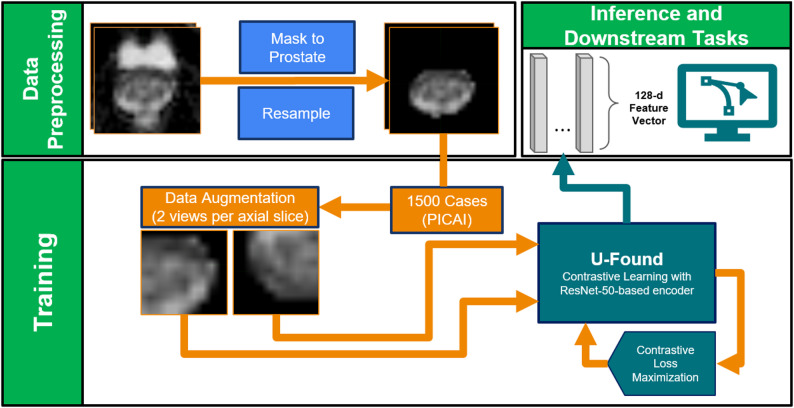 Figure 1
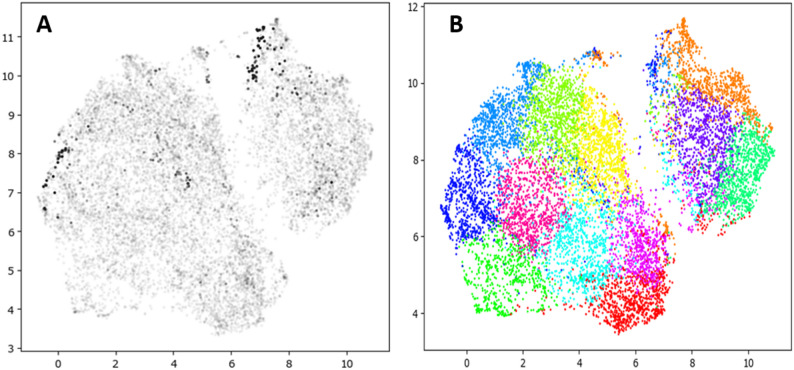 Figure 2
 Figure 3
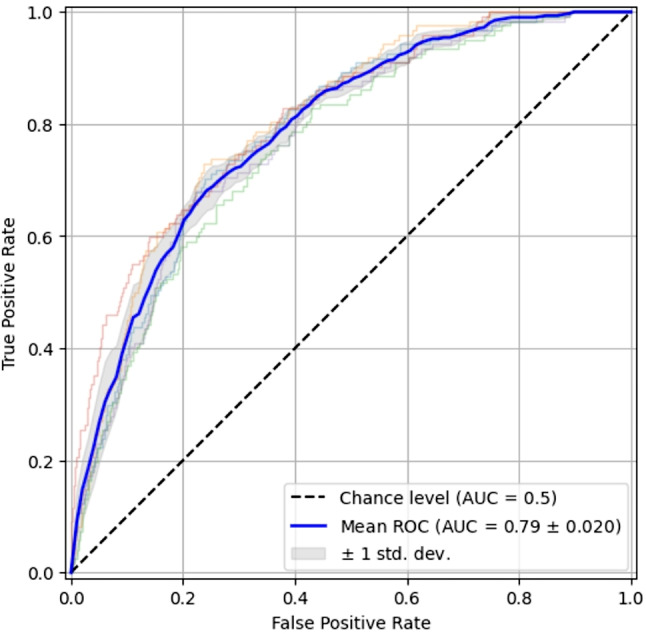 Figure 4
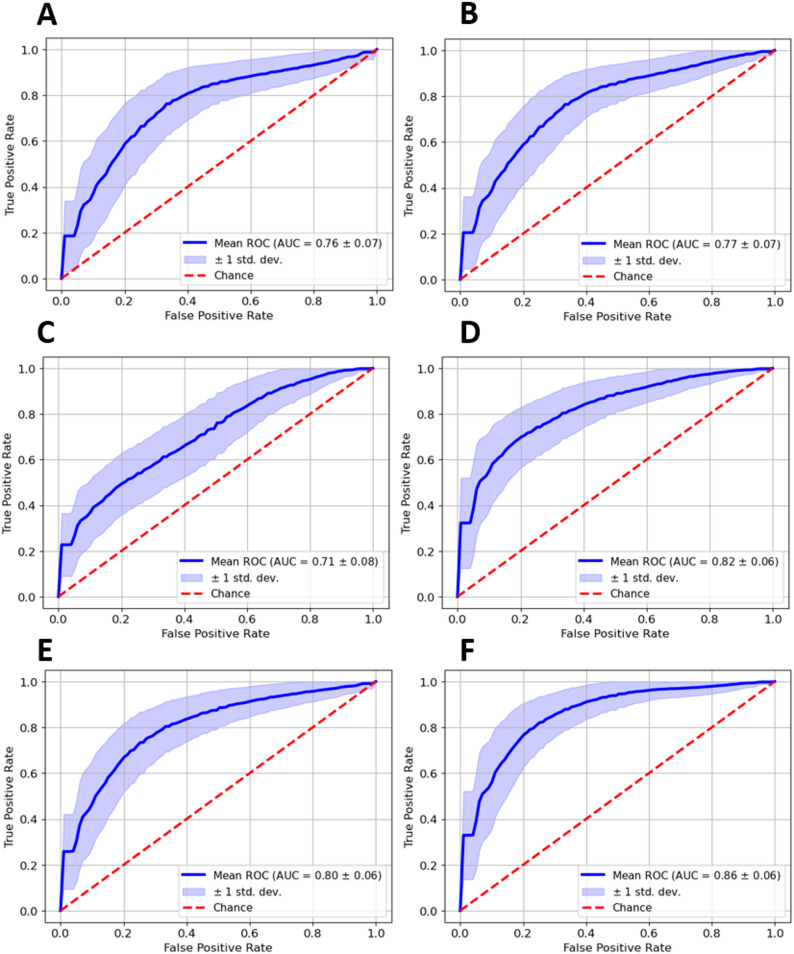 Figure 5
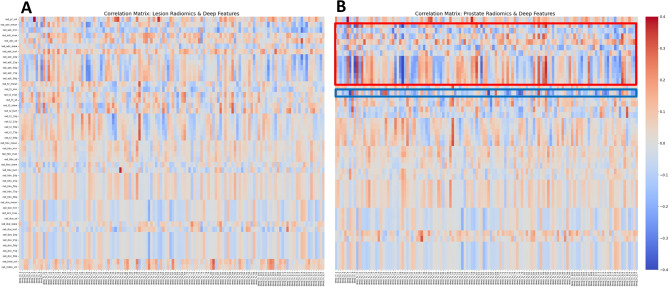 Figure 6
Peer Reviews
No public reviews on file for this paper yet. If you reviewed it on a platform where reviews are public (OpenReview, ICLR, NeurIPS, ICML), you can paste yours below so the community can read it here.
Videos
No videos yet. Explain this paper in a talk, walkthrough, or lecture? Add one.
Taxonomy
TopicsProstate Cancer Diagnosis and Treatment · Radiomics and Machine Learning in Medical Imaging · Advanced Radiotherapy Techniques