CRISPR screens identify PRMT7 as a therapeutic target to enhance T cell-mediated killing in breast cancer
Wei Shi, Yi Luo, Yizhuo Wang, Jacqueline M. Burrows, Debra Black, Andrew Civitarese, Laura Perlaza-Jimenez, Ping Zhang, Murray Manning, Natasha Tuano, Miguel E. Rentería, Christos Xiao, Siok-Keen Tey, Joseph Rosenbluh, Corey Smith, Georgia Chenevix-Trench, Jonathan Beesley

TL;DR
This study uses CRISPR screens to identify PRMT7 as a potential target to improve T cell-based cancer therapies for breast cancer.
Contribution
The study identifies PRMT7 as a novel therapeutic target that enhances T cell-mediated killing in breast cancer.
Findings
PRMT7 inhibition increases sensitivity of breast cancer cells to T cell killing in vitro.
PRMT7 expression is negatively correlated with CD8+ T cell infiltration and patient survival in breast cancer.
Prmt7-deficient tumors show reduced growth and increased T cell infiltration in mice.
Abstract
Genome-wide association studies (GWAS) have identified more than 220 loci associated with breast cancer susceptibility, yet identifying effector genes, their modes of action and prioritising therapeutic targets remains a significant challenge. To address this, we performed pooled CRISPR knockout and inhibition screens to identify genes at risk loci that influence cytotoxic T lymphocyte (CTL) killing of MCF7 breast cancer cells in co-culture. These screens uncovered 33 candidate modulating genes, of which we validated six by single gene editing in two cell lines. Deletion of IRF1, ATF7IP, and CASP8 conferred resistance to CTL killing, while disruption of CFLAR, CREBBP and PRMT7 enhanced sensitivity. Analysis of clinical data showed that PRMT7 expression is negatively correlated with CD8+ infiltration and survival in breast cancer patient cohorts. Pharmacological inhibition of PRMT7…
Genes, proteins, chemicals, diseases, species, mutations and cell lines named across the full text — each resolved to its canonical identifier and authoritative record.
Click any figure to enlarge with its caption.
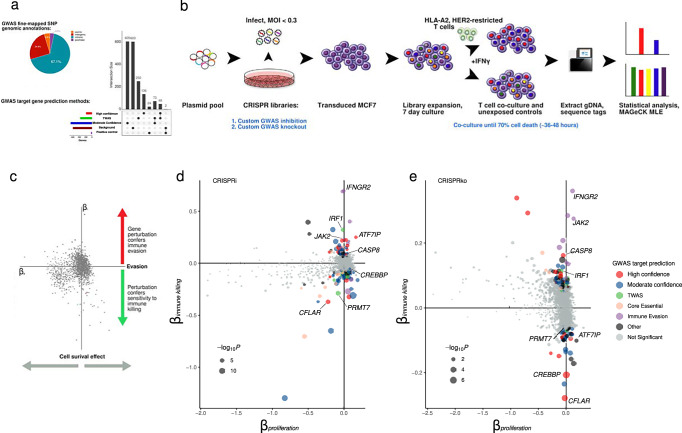 Figure 1
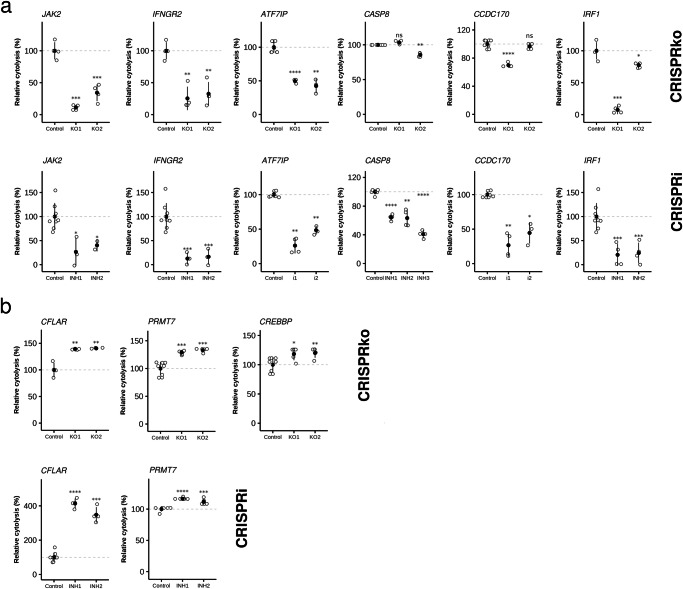 Figure 2
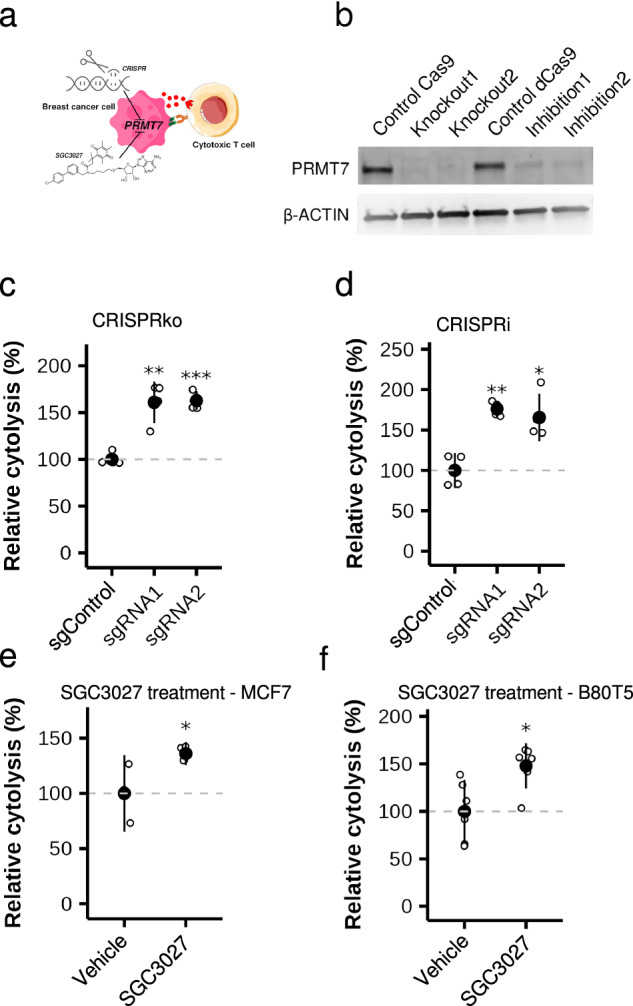 Figure 3
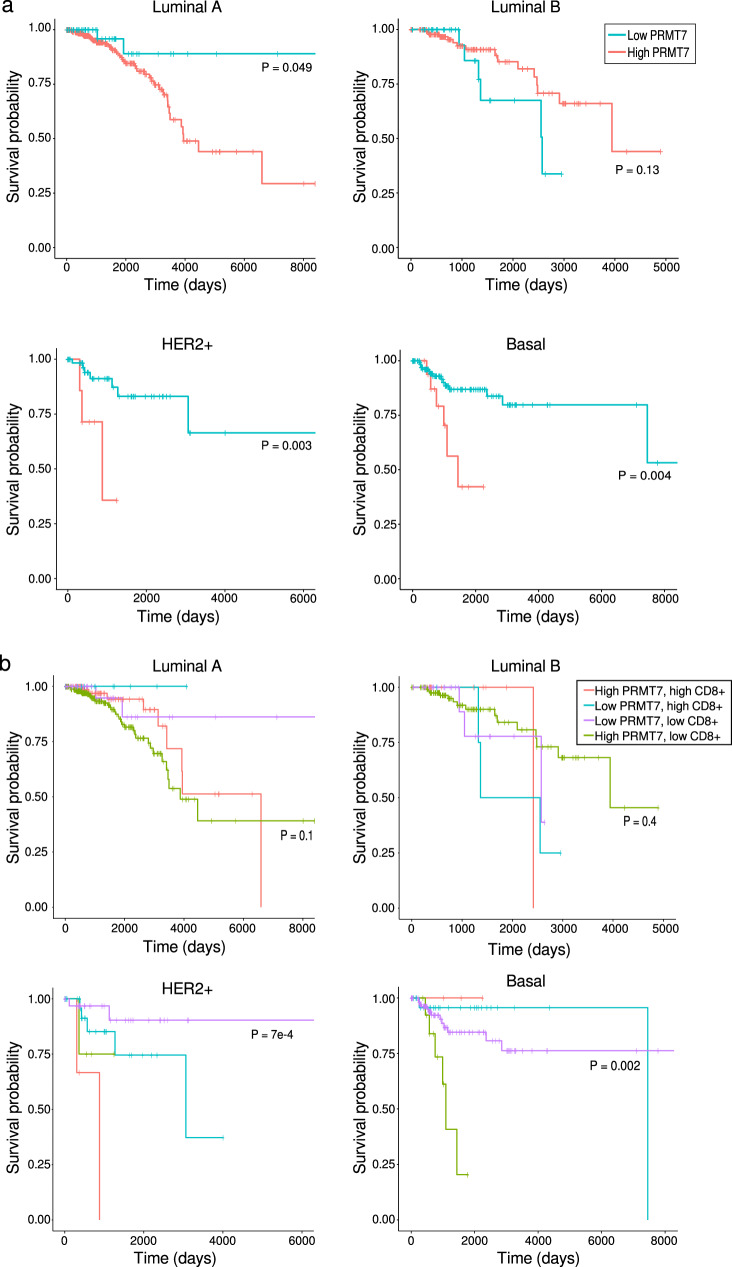 Figure 4
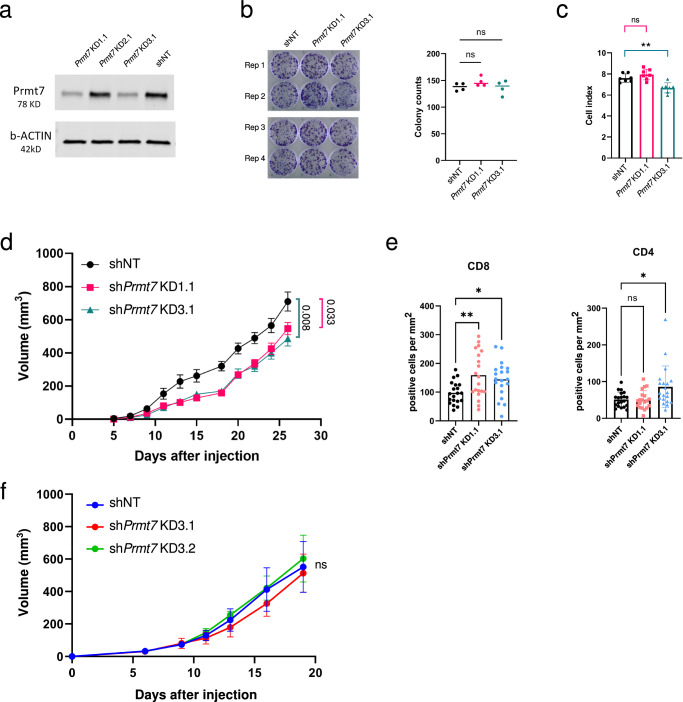 Figure 5
Peer Reviews
No public reviews on file for this paper yet. If you reviewed it on a platform where reviews are public (OpenReview, ICLR, NeurIPS, ICML), you can paste yours below so the community can read it here.
Videos
No videos yet. Explain this paper in a talk, walkthrough, or lecture? Add one.
Taxonomy
TopicsCancer-related gene regulation · Wnt/β-catenin signaling in development and cancer · Connective Tissue Growth Factor Research