Preparation, immunological and pharmacological effects of flavonoids in Scutellariae radix: a review
Haixia Chen, Yumin Wei, Jing Song, Yue Yang, Yanli Chen, Jiteng Sun, Daoming Bai, Zhiqiang Sun, Mingze Wu, Xiaomei Liu, Yanru Lin, Shaoping Wang, Long Dai, Yanan Li

TL;DR
This review explores the properties and effects of flavonoids in Scutellariae radix, a traditional Chinese medicine, and their potential in modern pharmacology.
Contribution
The paper systematically summarizes recent advances in flavonoid research from Scutellariae radix, including novel formulations and pharmacological effects.
Findings
Flavonoids from Scutellariae radix show immune modulation, antiviral, and anti-inflammatory effects.
Novel formulations like nanomedicines improve the stability and bioavailability of these flavonoids.
The review covers metabolism, toxicity, and extraction methods of flavonoids in detail.
Abstract
In traditional Chinese medicine theory, Scutellaria baicalensis Georgi [Lamiaceae; Scutellariae radix] (SR) is bitter and cold in nature. It enters the lung, gallbladder, spleen, large intestine, and small intestine meridians. It clears heat and dries dampness, purges fire and detoxifies, stops bleeding, and stabilizes pregnancy. It excels at clearing lung fire and upper-body heat. Flavonoids, the primary active compound of SR, undergo metabolism in vivo through Phase I and Phase II reactions as well as intestinal flora-mediated processes. Modern pharmacological research indicates that flavonoid compounds exhibit diverse biological activities in immune modulation, antiviral, anti-inflammatory, antibacterial, and antitumor effects. In recent years, novel formulations such as nanomedicines and liposomes have garnered increasing attention to enhance their stability and bioavailability.…
Genes, proteins, chemicals, diseases, species, mutations and cell lines named across the full text — each resolved to its canonical identifier and authoritative record.
Click any figure to enlarge with its caption.
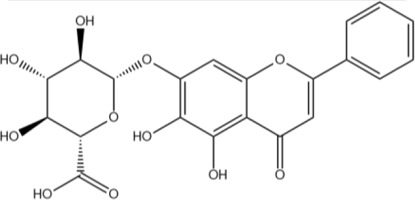 Figure 1
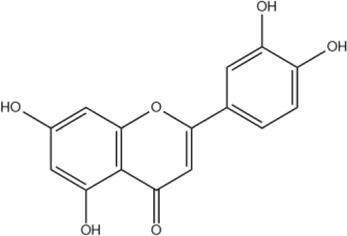 Figure 2
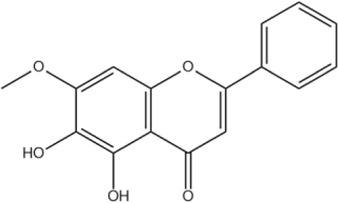 Figure 3
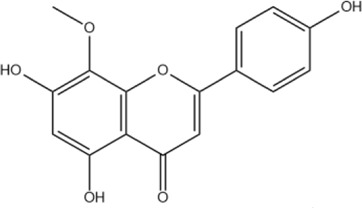 Figure 4
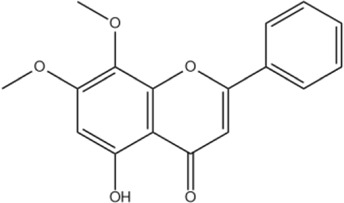 Figure 5
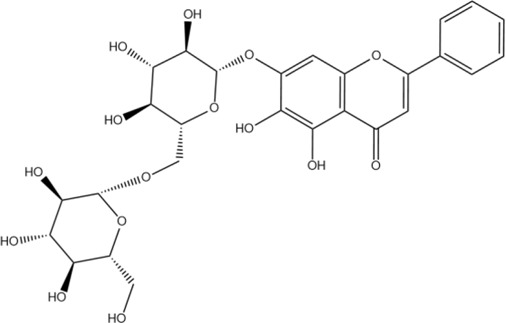 Figure 6
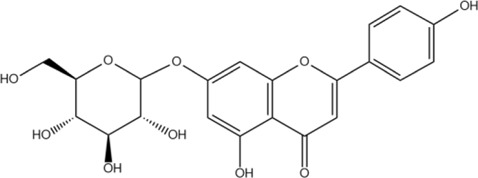 Figure 7
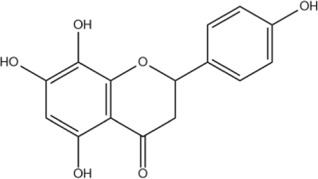 Figure 8
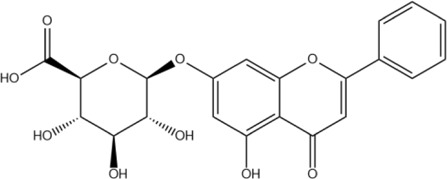 Figure 9
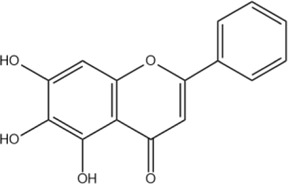 Figure 10
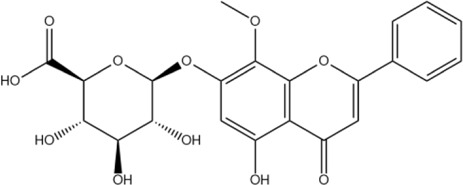 Figure 11
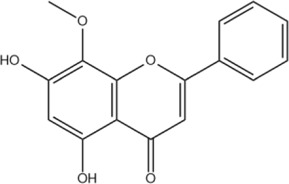 Figure 12
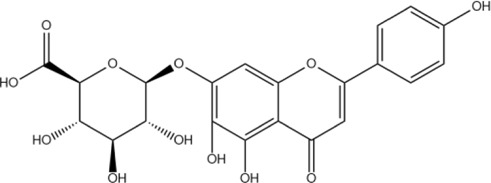 Figure 13
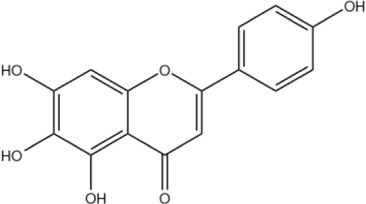 Figure 14
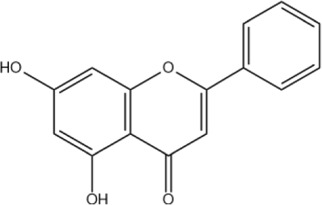 Figure 15
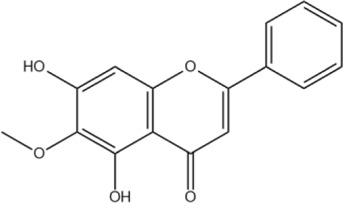 Figure 16
 Figure 17
 Figure 18
 Figure 19
 Figure 20
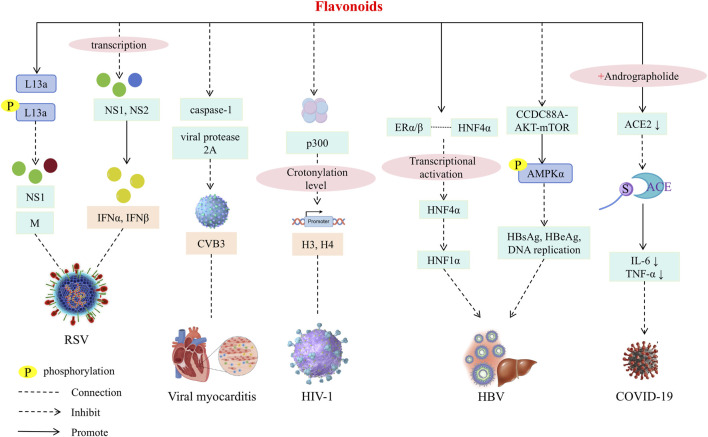 Figure 21
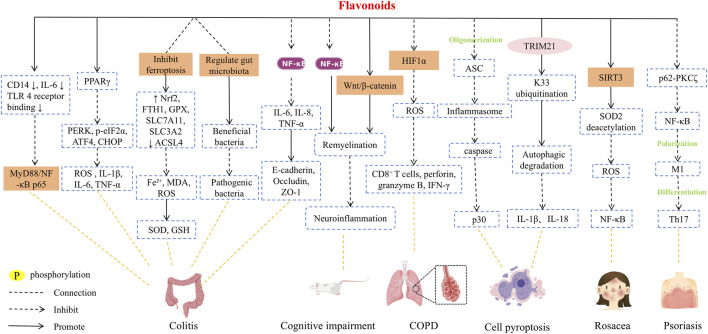 Figure 22
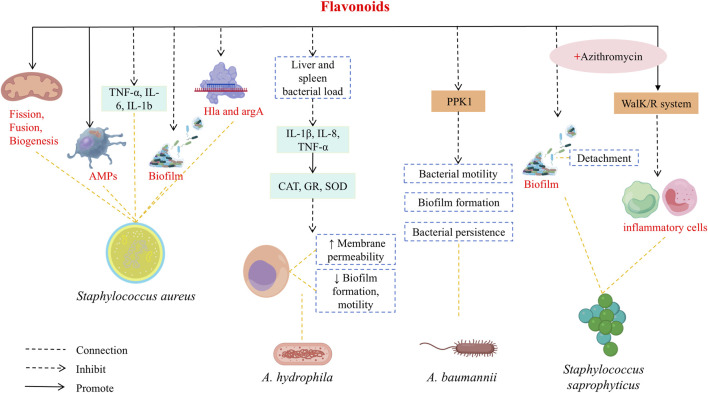 Figure 23
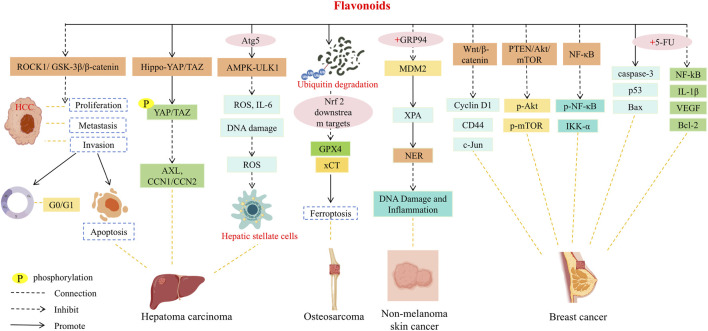 Figure 24
 Figure 25
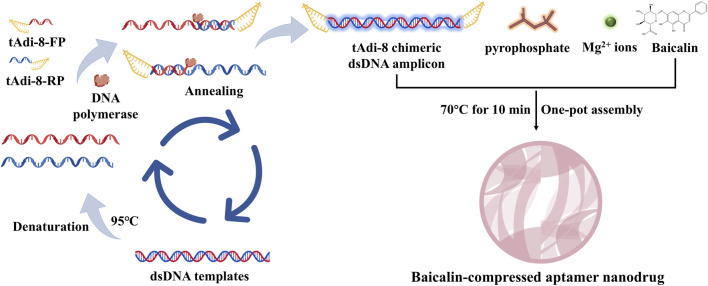 Figure 26
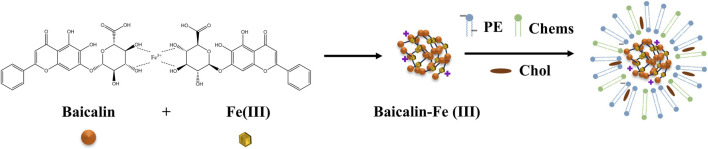 Figure 27
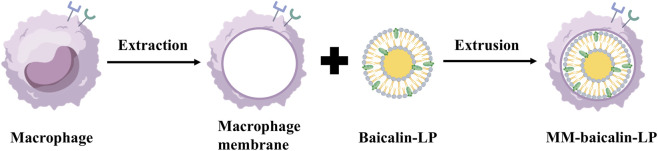 Figure 28
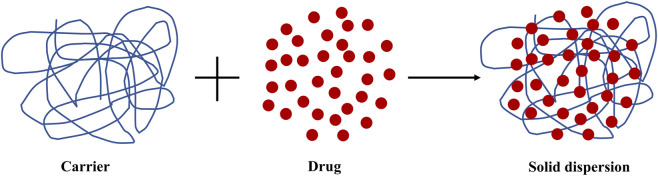 Figure 29
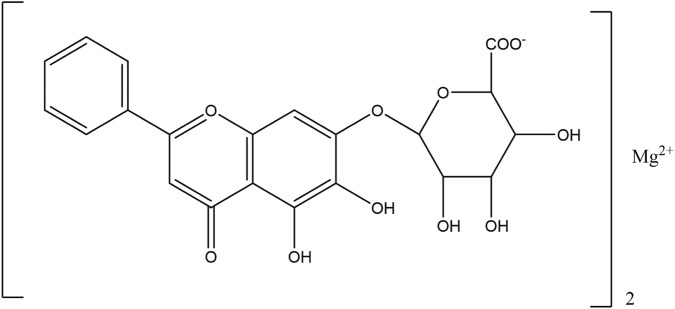 Figure 30
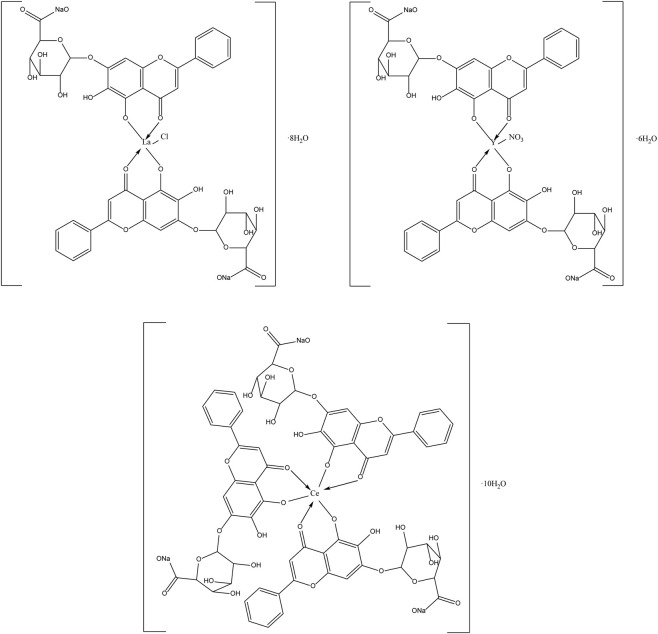 Figure 31
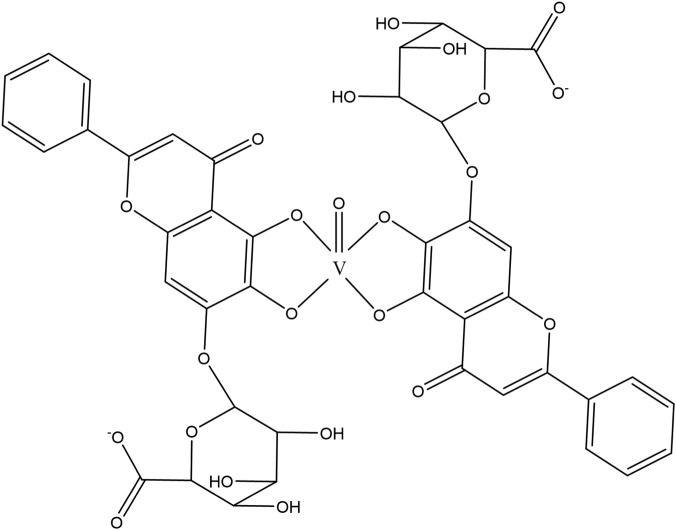 Figure 32
Peer Reviews
No public reviews on file for this paper yet. If you reviewed it on a platform where reviews are public (OpenReview, ICLR, NeurIPS, ICML), you can paste yours below so the community can read it here.
Videos
No videos yet. Explain this paper in a talk, walkthrough, or lecture? Add one.
Taxonomy
TopicsFlavonoids in Medical Research · Pharmacological Effects of Natural Compounds · Ginkgo biloba and Cashew Applications