A brief review of chikungunya fever: From molecular virology to countermeasures
Xin Zhang, Xiaoxi Li, Tianjun Jiang, Junliang Fu

TL;DR
This paper reviews chikungunya fever, covering its causes, symptoms, diagnosis, and treatment, and suggests future research directions.
Contribution
The paper integrates findings from various studies to propose new research and intervention strategies for chikungunya fever.
Findings
Chikungunya fever is a growing global health concern due to its increasing spread and severity.
Current research highlights gaps in vaccine development and treatment strategies for CHIKF.
Future directions include improved diagnostics and targeted therapies based on molecular virology insights.
Abstract
Chikungunya fever (CHIKF), resulting from the chikungunya virus infection, has become a major global health issue in recent years. This review summarizes the epidemiology, virology, pathogenesis, clinical manifestations, diagnosis, vaccine development and treatment strategies of the CHIKF. And by integrating the findings from various studies, an attempt is made to propose future research directions and intervention strategies. Image, graphical abstract
Genes, proteins, chemicals, diseases, species, mutations and cell lines named across the full text — each resolved to its canonical identifier and authoritative record.
Click any figure to enlarge with its caption.
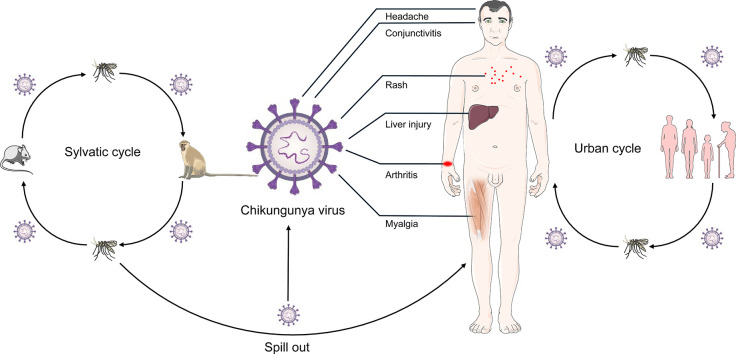 Figure 1
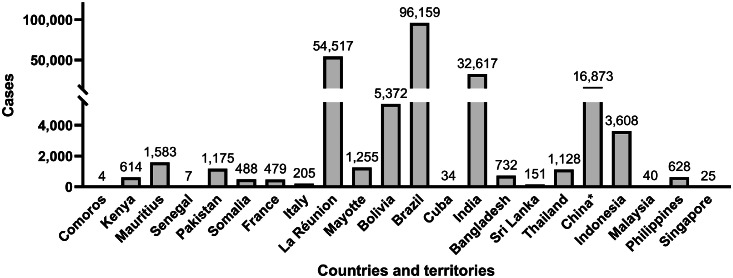 Figure 2
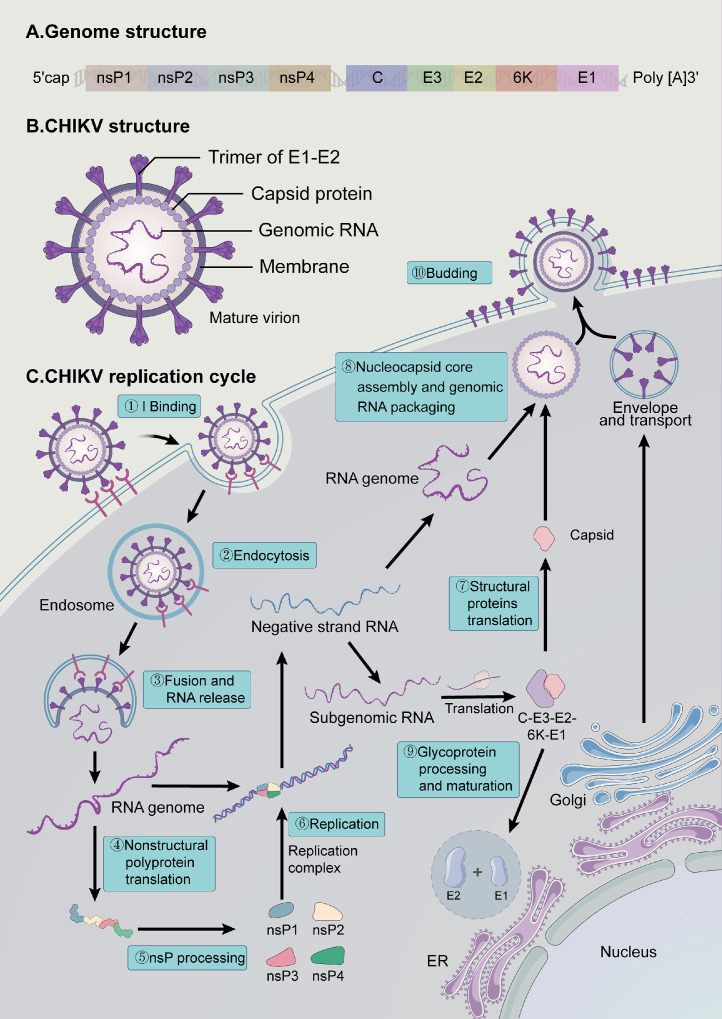 Figure 3
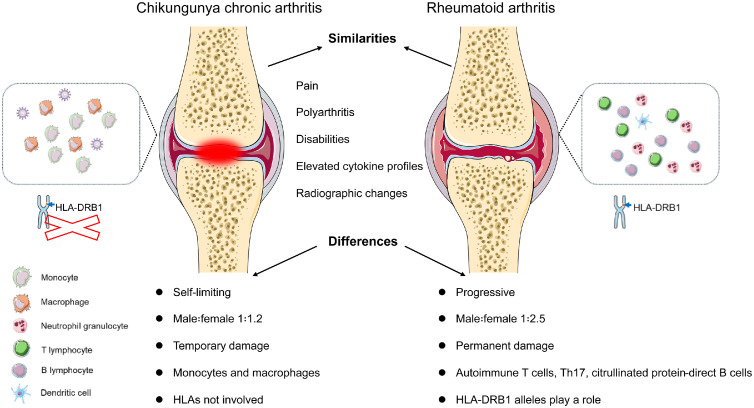 Figure 4
Peer Reviews
No public reviews on file for this paper yet. If you reviewed it on a platform where reviews are public (OpenReview, ICLR, NeurIPS, ICML), you can paste yours below so the community can read it here.
Videos
No videos yet. Explain this paper in a talk, walkthrough, or lecture? Add one.
Taxonomy
TopicsMosquito-borne diseases and control · Viral Infections and Outbreaks Research · Biological Research and Disease Studies