Unveiling aucubin-mediated inhibition of PANoptosis in lower limb ischemia-reperfusion injury with a near-infrared H2O2 fluorogenic probe
Tang Deng, Zhanli Peng, Jinxi Liang, Qinghui Kan, Jin Peng, Zhihao Zhou, Lin Huang, Heng Liu, Guiyun Jin, Chen Yao

TL;DR
A new tool detects hydrogen peroxide in real-time, revealing how aucubin from a plant can reduce tissue damage in leg injuries.
Contribution
A novel near-infrared probe enables real-time H2O2 imaging and identifies aucubin as a first anti-PANoptosis compound from Plantago depressa.
Findings
BFP-H2O2 is a near-infrared probe that detects H2O2 during PANoptosis in cell and mouse models.
Aucubin was identified as a potent natural inhibitor of PANoptosis in lower limb ischemia-reperfusion injury.
Aucubin reduces oxidative stress and attenuates PANoptosis in muscle tissues affected by LL-IRI.
Abstract
Although reactive oxygen species (ROS)-mediated PANoptosis plays a pivotal role in the pathological dysfunction of lower limb ischemia/reperfusion injury (LL-IRI), its exact mechanism remains unclear. Real-time detection of H2O2 will help to reveal the complicated relationship between ROS, PANoptosis and LL-IRI. In this work, we designed and synthesized a novel near-infrared fluorogenic (NIRF) probe, BFP-H2O2, which exhibited a pronounced fluorescence-enhanced response to H2O2 at 650 nm. BFP-H2O2 was successfully applied to a TAK1i/LPS-induced PANoptosis cell model, revealing up-regulation of H2O2 during PANoptosis. To the best of our knowledge, there were no suitable chemical tools available for high-throughput screening of anti-PANoptosis compounds from Plantagodepressa Willd (PW). Leveraging BFP-H2O2, aucubin (AU) from PW was identified for the first time as the most promising…
Genes, proteins, chemicals, diseases, species, mutations and cell lines named across the full text — each resolved to its canonical identifier and authoritative record.
Click any figure to enlarge with its caption.
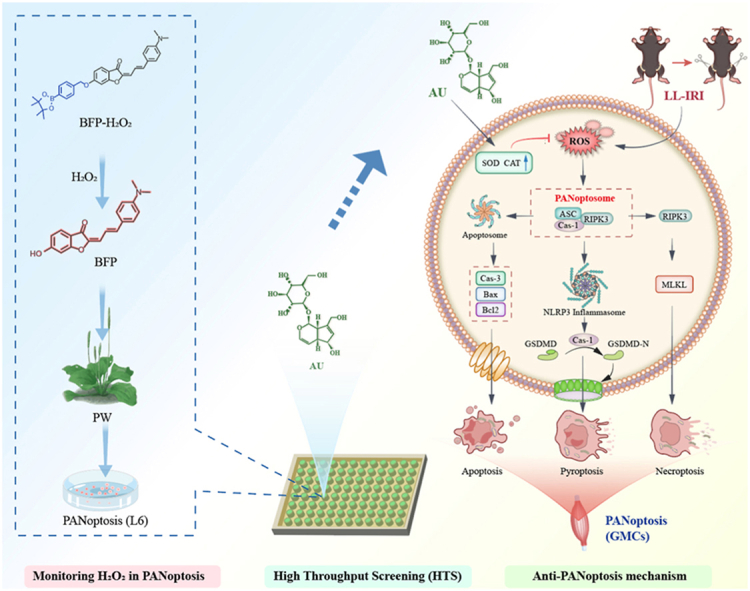 Figure 1
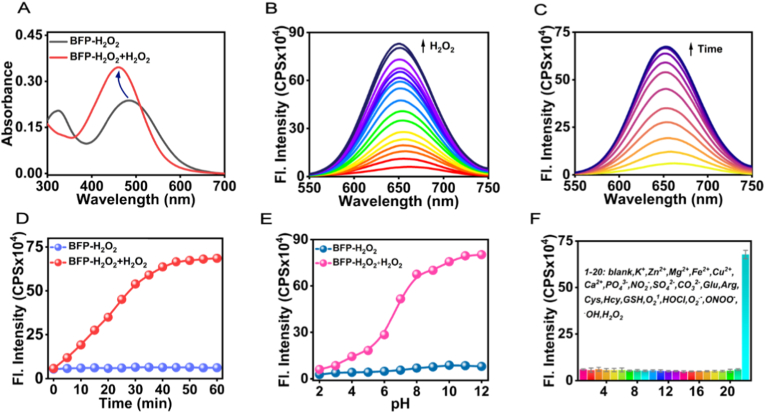 Figure 2
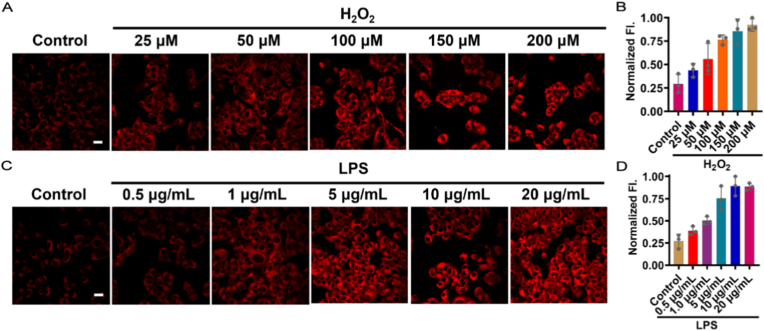 Figure 3
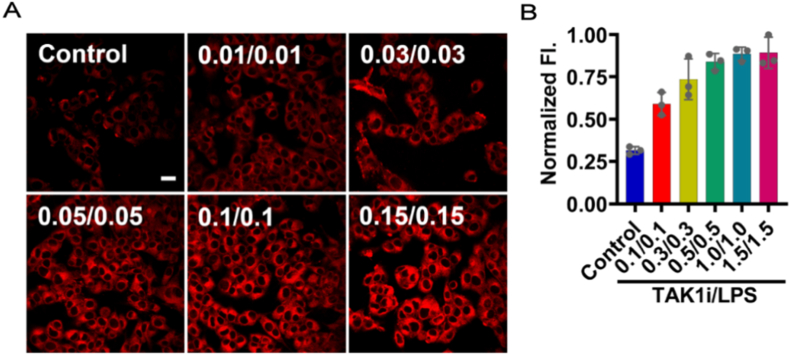 Figure 4
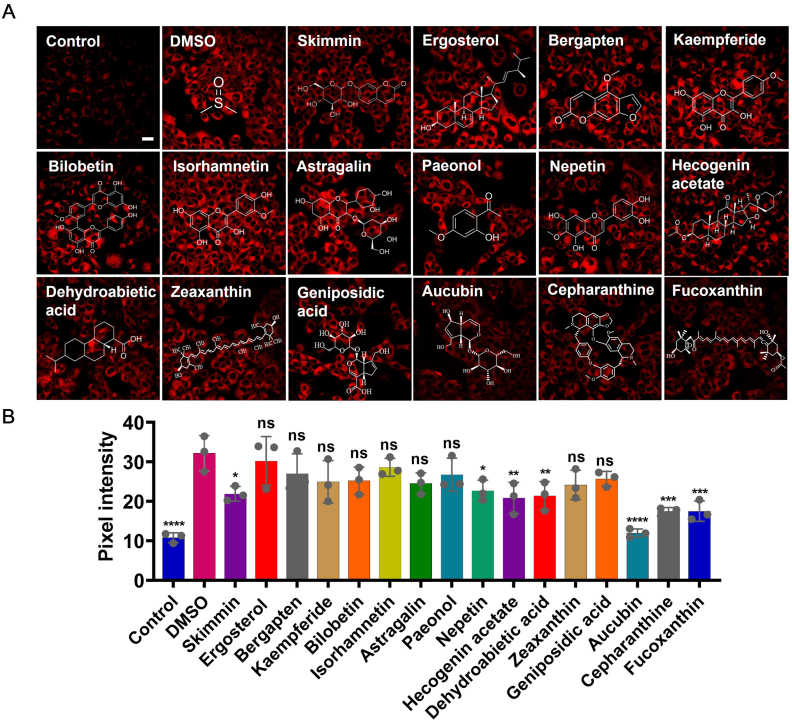 Figure 5
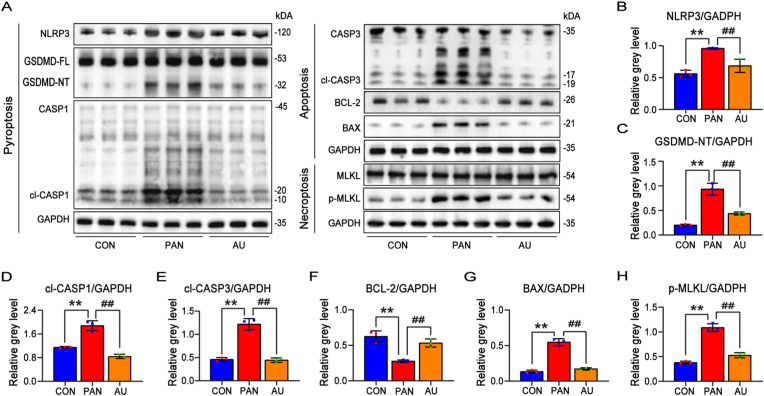 Figure 6
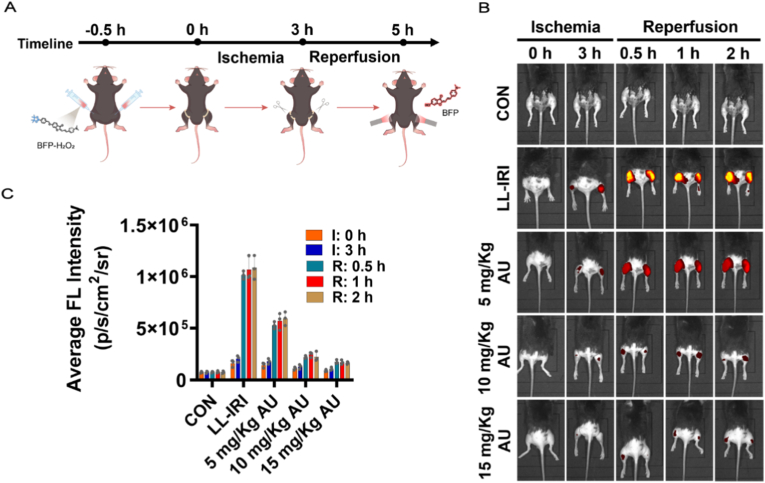 Figure 7
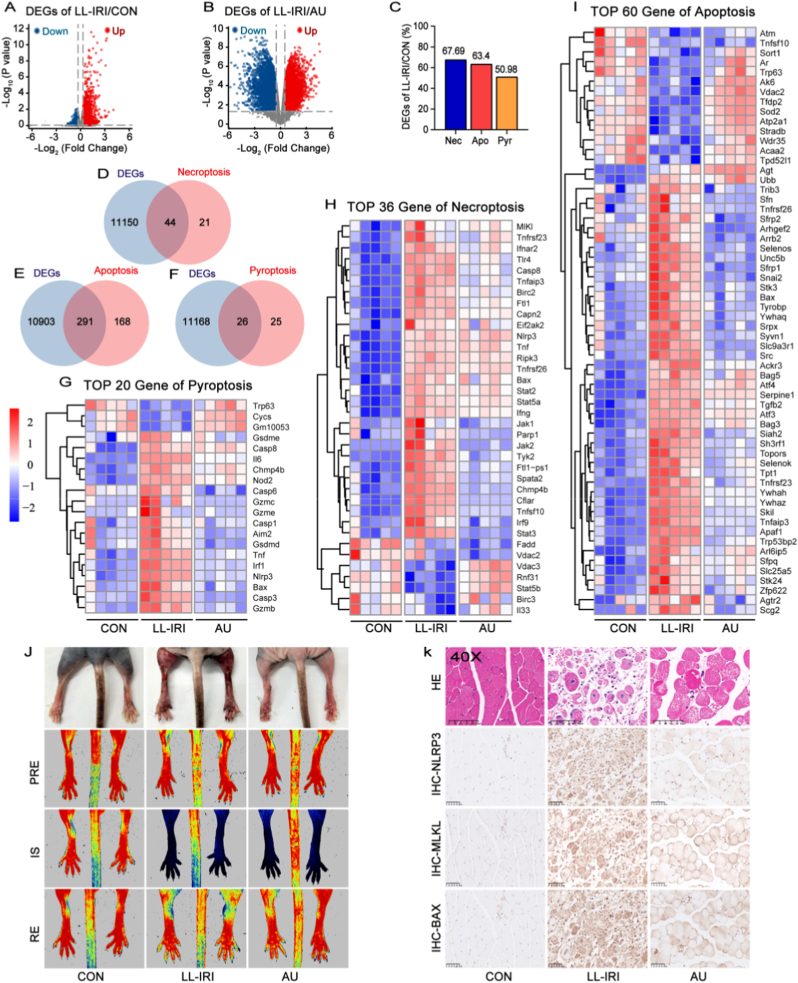 Figure 8
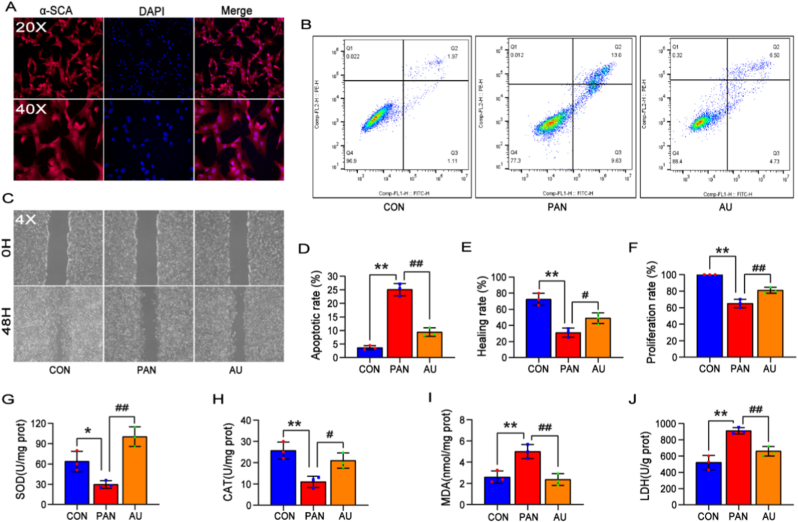 Figure 9
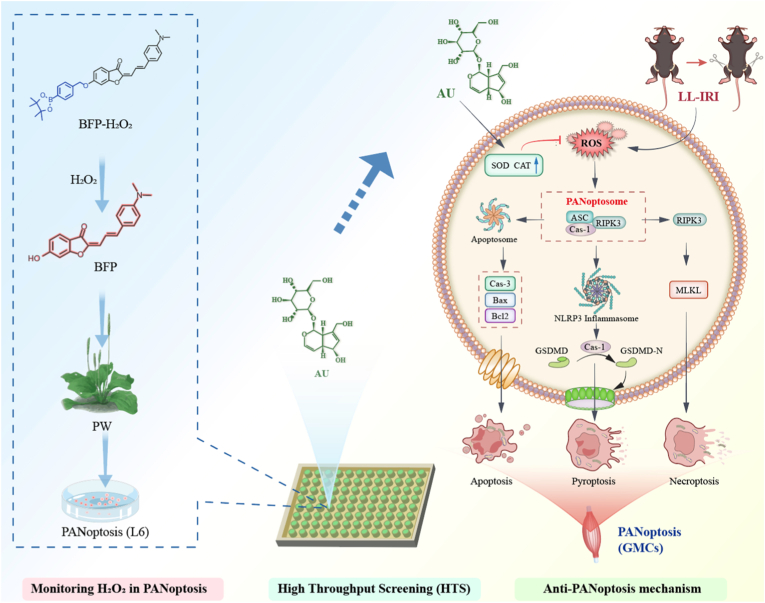 Figure 10
Peer Reviews
No public reviews on file for this paper yet. If you reviewed it on a platform where reviews are public (OpenReview, ICLR, NeurIPS, ICML), you can paste yours below so the community can read it here.
Videos
No videos yet. Explain this paper in a talk, walkthrough, or lecture? Add one.
Taxonomy
TopicsPeripheral Artery Disease Management · Advanced Nanomaterials in Catalysis · Bioactive Compounds in Plants