Disturbances of paraventricular thalamic nucleus neurons in bipolar disorder revealed by single-nucleus analysis
Masaki Nishioka, Mie Sakashita-Kubota, Kouichirou Iijima, Yukako Hasegawa, Mizuho Ishiwata, Kaito Takase, Ryuya Ichikawa, Naguib Mechawar, Gustavo Turecki, Tadafumi Kato

TL;DR
This study identifies significant changes in paraventricular thalamic neurons in bipolar disorder patients, suggesting a key role in the disease's pathology.
Contribution
The study reveals novel transcriptional abnormalities in the paraventricular thalamic nucleus specific to bipolar disorder.
Findings
PVT neurons showed the largest number of differentially expressed genes and a ~50% reduction in cell count in BD patients.
Synaptic and ion channel-related genes like SHISA9, CACNA1C, and KCNQ3 were significantly downregulated in BD PVT neurons.
Disrupted interactions between thalamic excitatory neurons and microglia were observed in bipolar disorder.
Abstract
Bipolar disorder (BD) is a major global health burden, and its treatment challenges highlight the need for pathology-based therapeutic development. Emerging evidence suggests that the thalamus, particularly the paraventricular thalamic nucleus (PVT), is a key region in mood regulation. We performed single-nucleus RNA sequencing on 82 thalamic and cortical samples from 21 patients with BD and 20 controls to compare transcriptional pathology. PVT neurons showed the most striking abnormalities, including the largest number of differentially expressed genes and ~50% fewer cells in BD, whereas cortical alterations were comparatively modest. PVT neurons exhibited marked downregulation of synaptic and ion channel-related genes such as SHISA9, CACNA1C, and KCNQ3, which are linked to BD risk and serve as central nodes in downregulated networks. We also observed disrupted interactions between…
Genes, proteins, chemicals, diseases, species, mutations and cell lines named across the full text — each resolved to its canonical identifier and authoritative record.
Click any figure to enlarge with its caption.
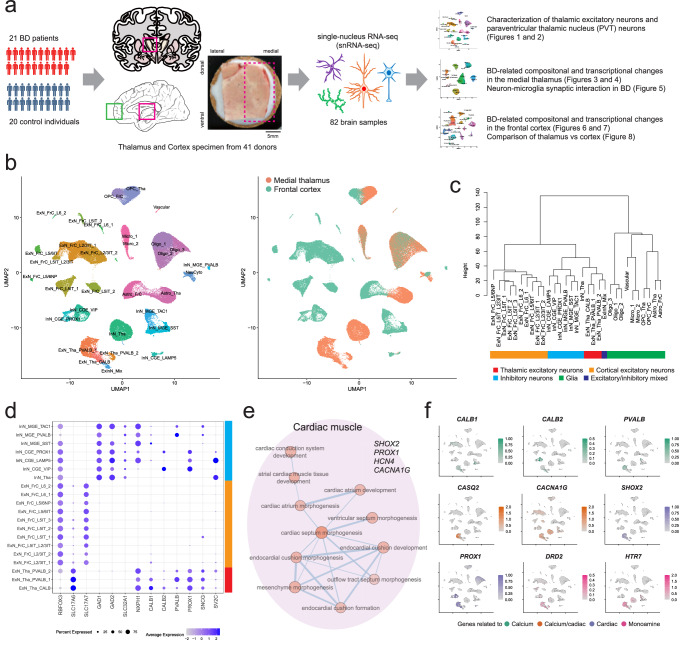 Figure 1
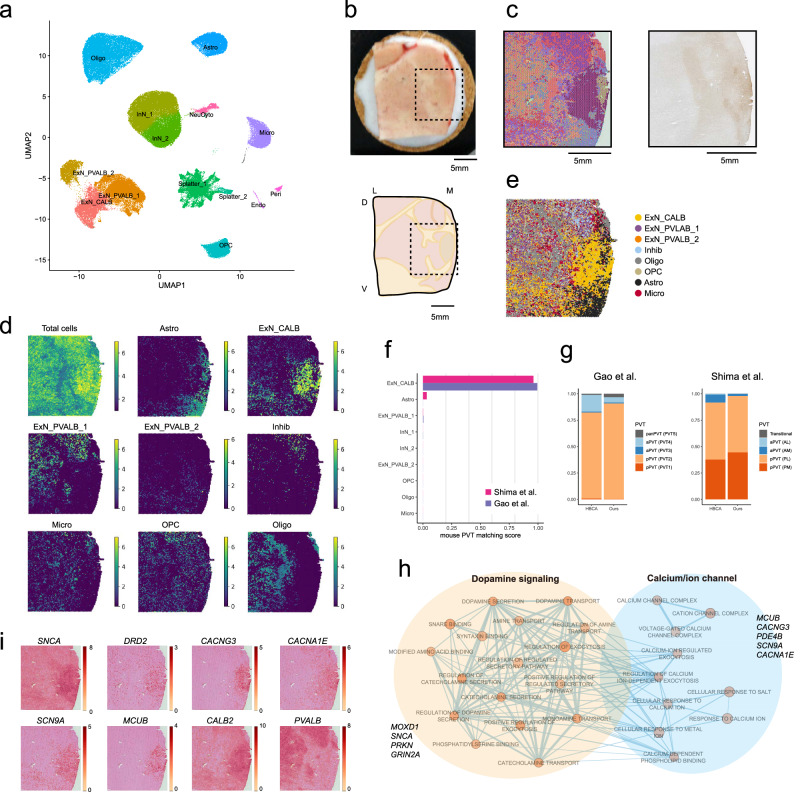 Figure 2
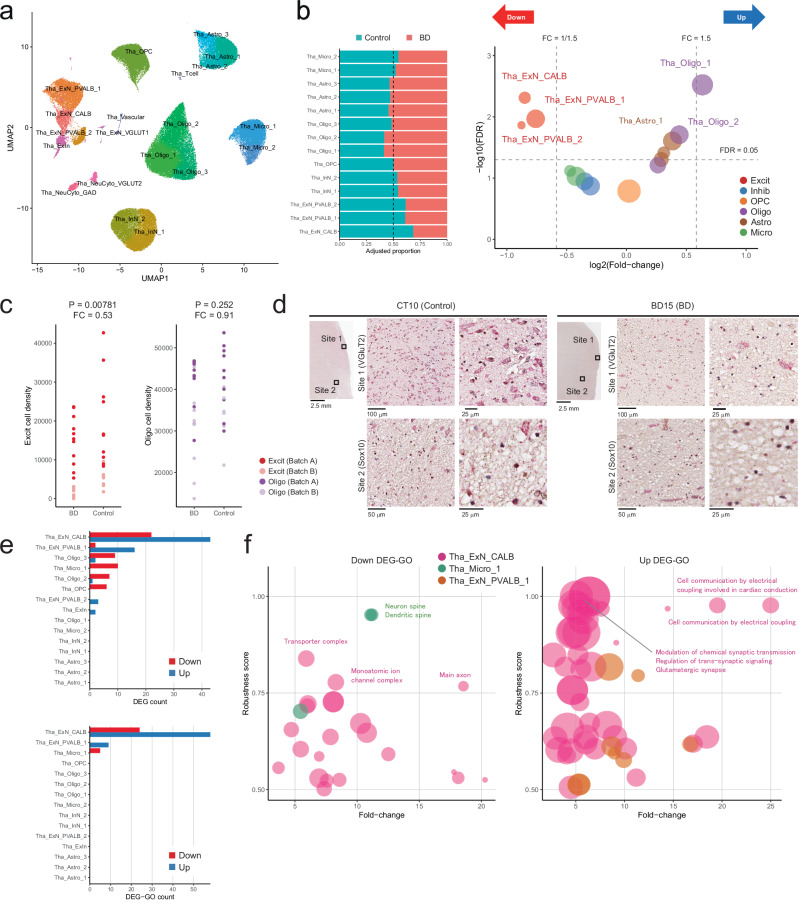 Figure 3
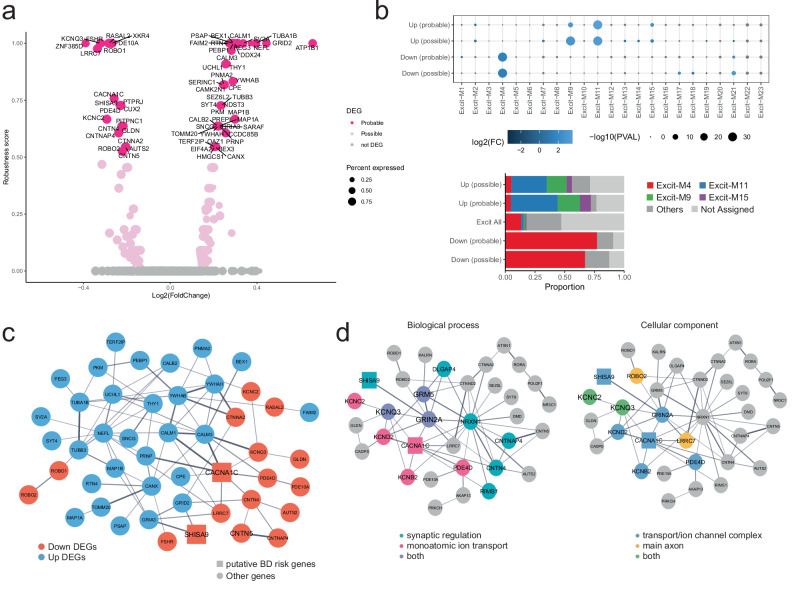 Figure 4
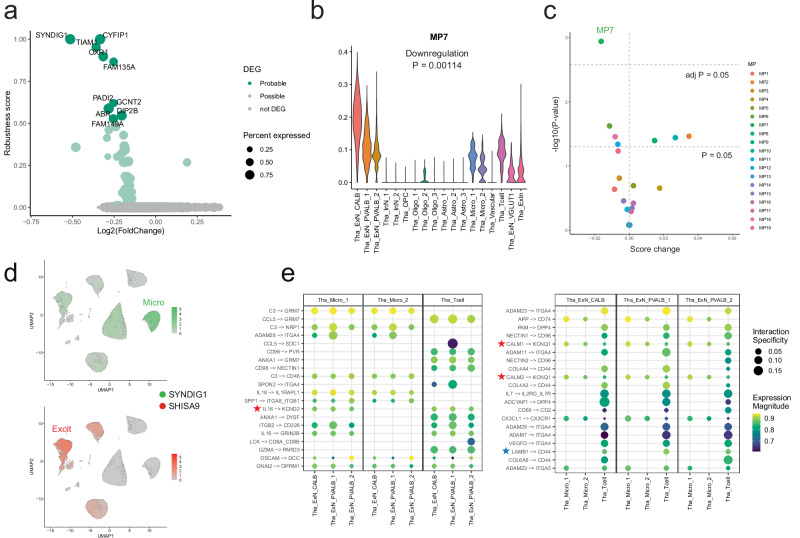 Figure 5
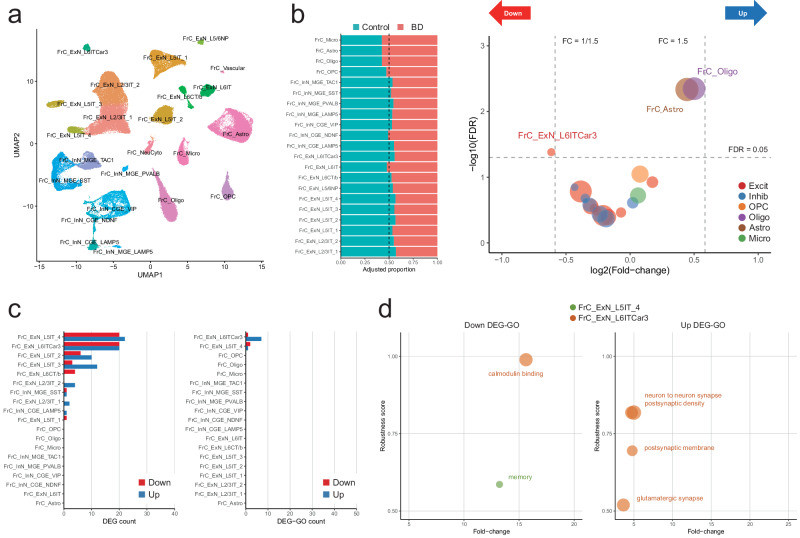 Figure 6
 Figure 7
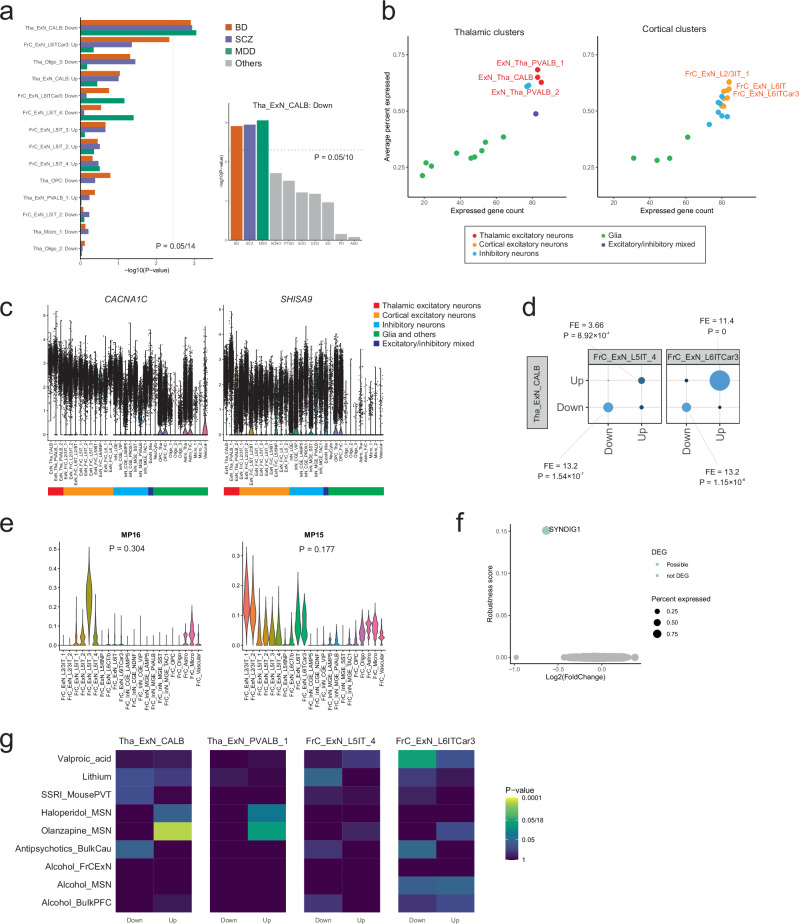 Figure 8
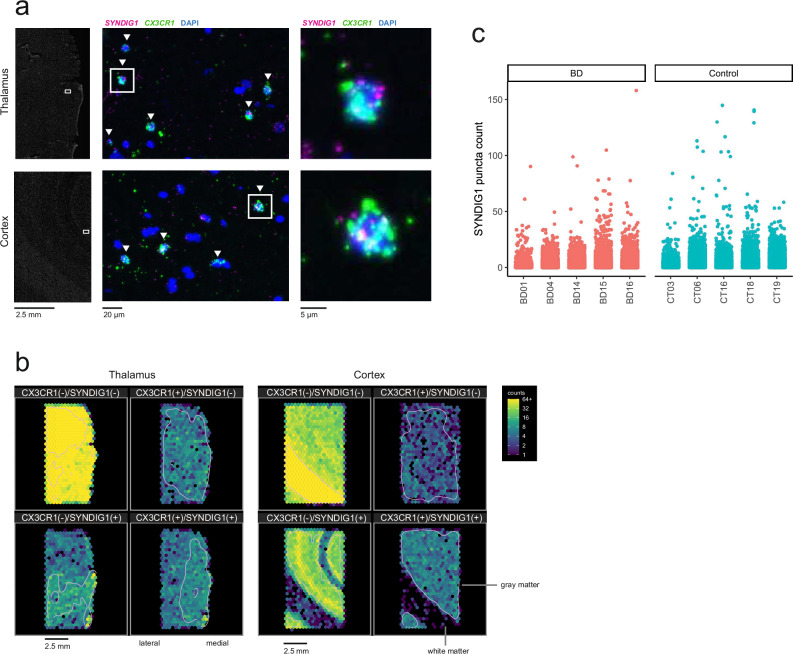 Figure 9
Peer Reviews
No public reviews on file for this paper yet. If you reviewed it on a platform where reviews are public (OpenReview, ICLR, NeurIPS, ICML), you can paste yours below so the community can read it here.
Videos
No videos yet. Explain this paper in a talk, walkthrough, or lecture? Add one.
Taxonomy
TopicsBipolar Disorder and Treatment · Genetics and Neurodevelopmental Disorders · Neural dynamics and brain function