Identification of CTHRC1 as a novel candidate for neurodevelopmental disorders
Jie Xu, Yuan He, Zhao Li, Wenrong Zhou, Chunjian Huang, Lu Lu, Akhilesh K. Bajpai, Min Li

TL;DR
CTHRC1 is a newly identified gene linked to cognitive function and Alzheimer's disease, showing potential as a therapeutic target.
Contribution
CTHRC1 is newly identified as a candidate gene for neurodevelopmental and neurodegenerative disorders.
Findings
CTHRC1 is upregulated in Alzheimer's patients and 5xFAD mice, with significant statistical support.
CTHRC1 expression correlates with 22 cognition-related phenotypes and AD-related traits through genetic and phenotypic analyses.
CTHRC1 interacts with key AD genes and modulates tau degradation when overexpressed in cells.
Abstract
Cognitive dysfunction affects over 50 million individuals worldwide, with Alzheimer’s disease (AD) representing two-thirds of cases. We identified CTHRC1 (Collagen Triple Helix Repeat Containing 1) as a novel candidate associated with cognitive function and neurodegeneration. Human proteomic analysis revealed CTHRC1 as highly upregulated in AD patients (~5-fold increase, adj. p = 0.05), with corresponding elevation in 5xFAD mice. Single-cell RNA sequencing showed predominant astrocyte and oligodendrocyte progenitor expression. Using BXD mice, systems genetics analysis revealed associations between hippocampal CTHRC1 expression and 22 cognition-related phenotypes. PheWAS, ePheWAS, and GWAS analyses confirmed links to nervous system and AD-related traits. eQTL mapping identified CTHRC1 as cis-regulated in hippocampus, and correlating with protein transport, transcription, and…
Genes, proteins, chemicals, diseases, species, mutations and cell lines named across the full text — each resolved to its canonical identifier and authoritative record.
Click any figure to enlarge with its caption.
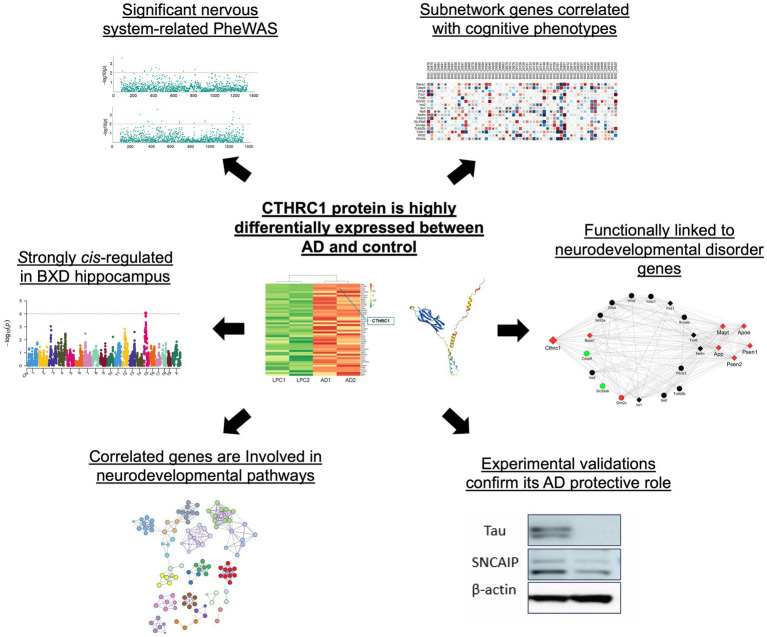 Figure 1
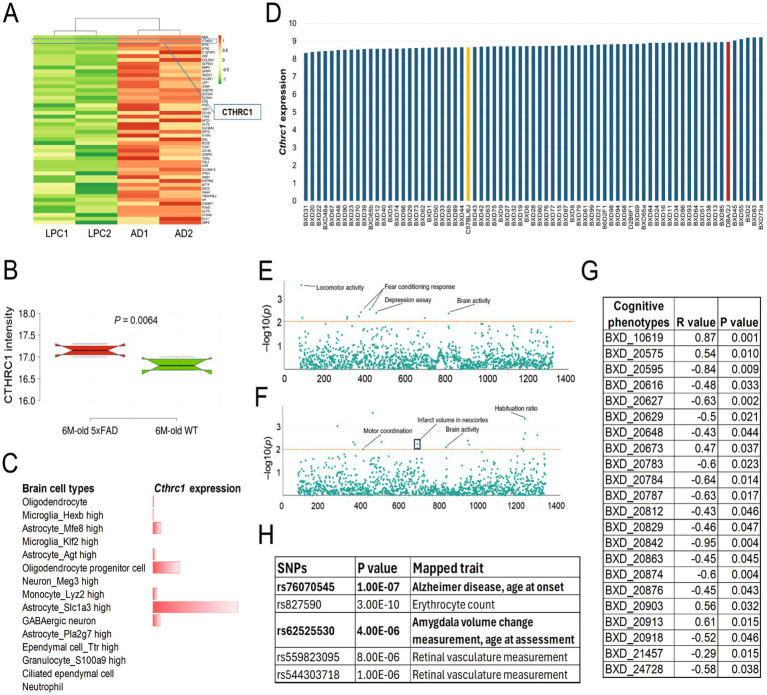 Figure 2
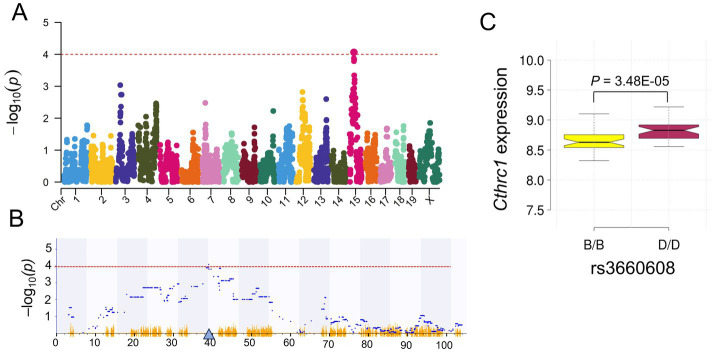 Figure 3
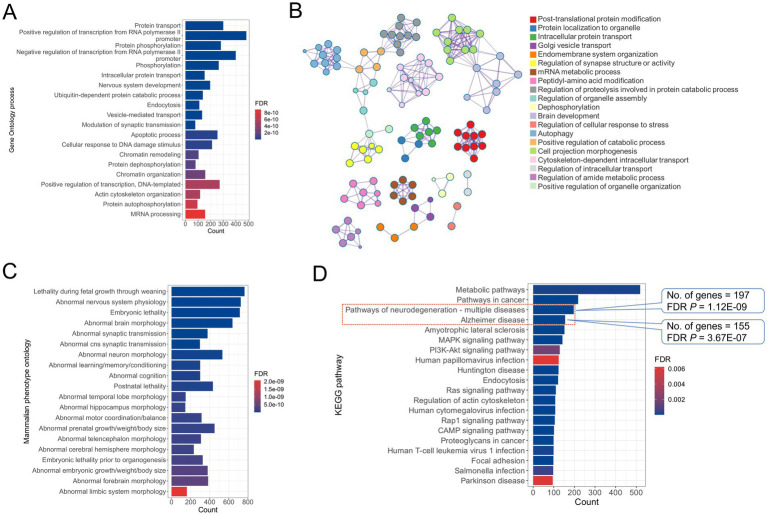 Figure 4
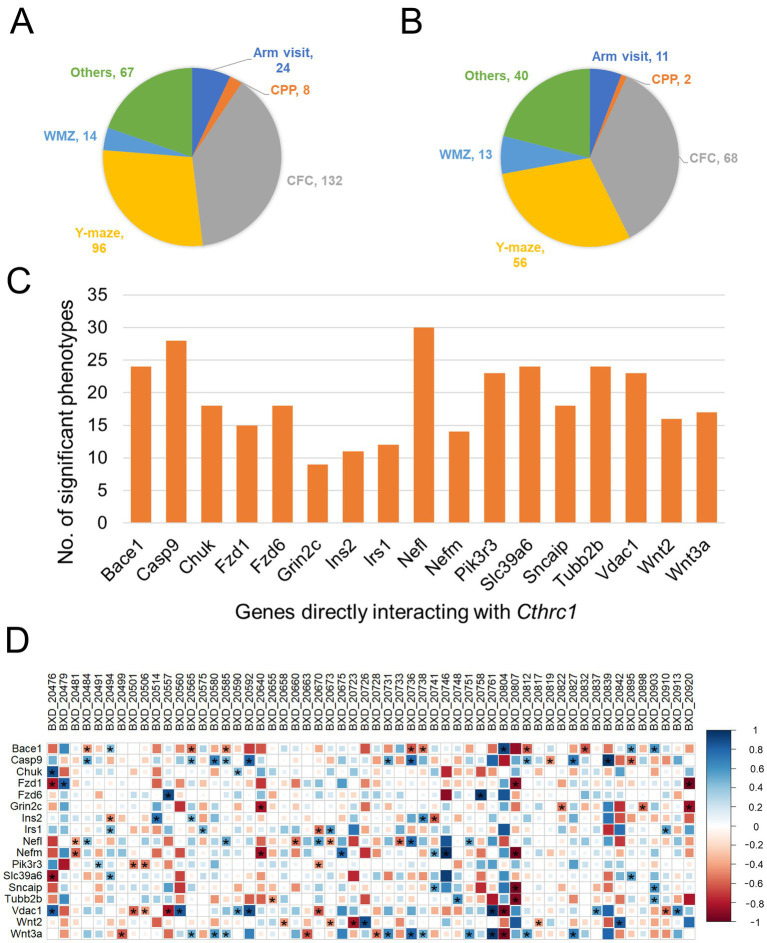 Figure 5
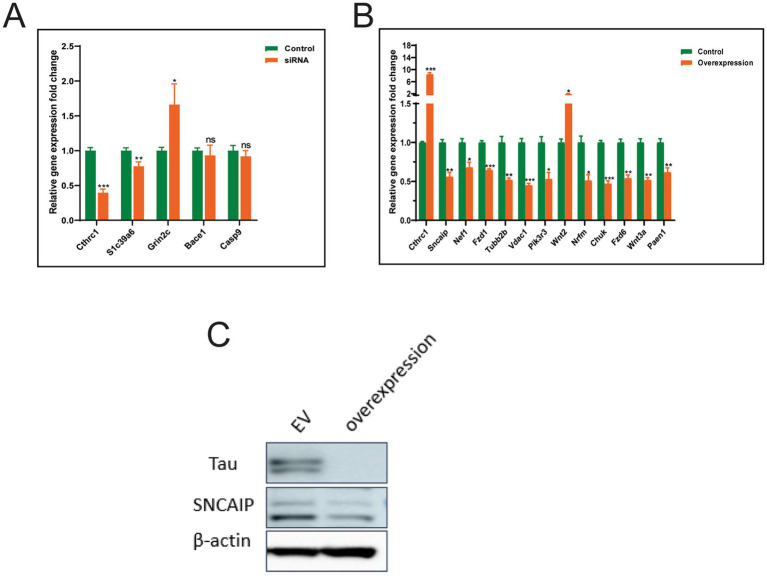 Figure 6
Peer Reviews
No public reviews on file for this paper yet. If you reviewed it on a platform where reviews are public (OpenReview, ICLR, NeurIPS, ICML), you can paste yours below so the community can read it here.
Videos
No videos yet. Explain this paper in a talk, walkthrough, or lecture? Add one.
Taxonomy
TopicsSingle-cell and spatial transcriptomics · Neurogenesis and neuroplasticity mechanisms · Alzheimer's disease research and treatments