Computational Predictive Modeling of Surgical Outcomes in Total Anomalous Pulmonary Venous Connection: Assessing the Impact of Pulmonary Venous Confluence Size on Preoperative Planning
Jie Jin, Zhuo Shi, Qiang Gao, Jing Yu, Irina Jin, Jiawei Liang, Xiangming Fan

TL;DR
This paper presents a computational model to predict optimal anastomosis sizing in TAPVC surgery, emphasizing the importance of pulmonary venous confluence size for accurate preoperative planning.
Contribution
The study introduces a patient-specific fluid–structure interaction model that incorporates pulmonary venous confluence size to improve surgical outcome predictions.
Findings
A strong positive correlation was found between flow velocity and the ratio of body weight to anastomosis length and PVC circumference.
Including PVC size in the model significantly improved predictive accuracy.
Predicted and measured flow velocities showed no significant difference.
Abstract
To develop a predictive model for optimal anastomosis sizing in TAPVC surgery, focusing on the role of pulmonary venous confluence (PVC) size. A patient-specific fluid–structure interaction (FSI) model simulated blood flow through various anastomosis sizes. Key variables included body weight, anastomosis length, and PVC size. The model's predictions were validated against postoperative echocardiographic measurements from nine TAPVC cases. A strong positive correlation was found between flow velocity and the ratio of body weight to anastomosis length and PVC circumference. Including PVC size significantly improved predictive accuracy. No significant difference was observed between predicted and measured velocities. PVC size is a critical factor for planning TAPVC surgery. Incorporating it into computational models enhances the prediction of flow dynamics and supports personalized…
Genes, proteins, chemicals, diseases, species, mutations and cell lines named across the full text — each resolved to its canonical identifier and authoritative record.
Click any figure to enlarge with its caption.
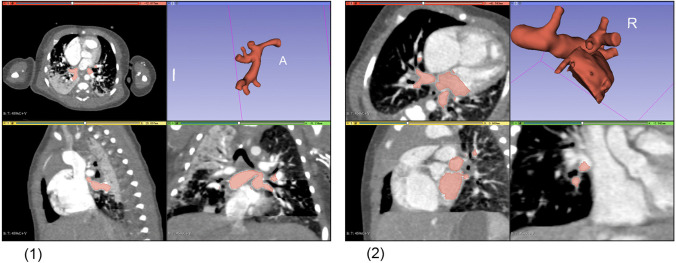 Figure 1
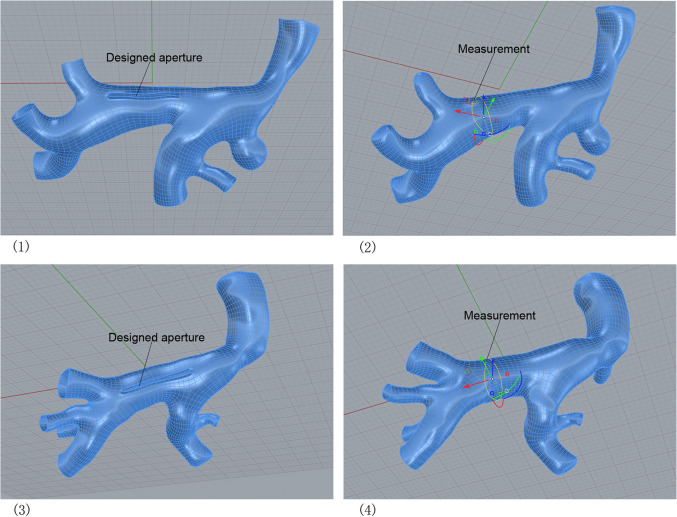 Figure 2
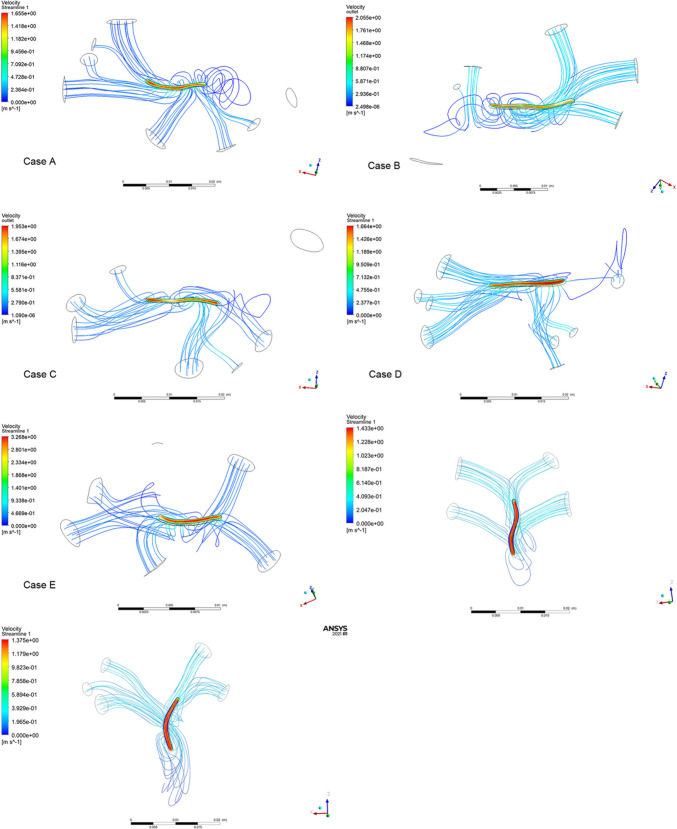 Figure 3
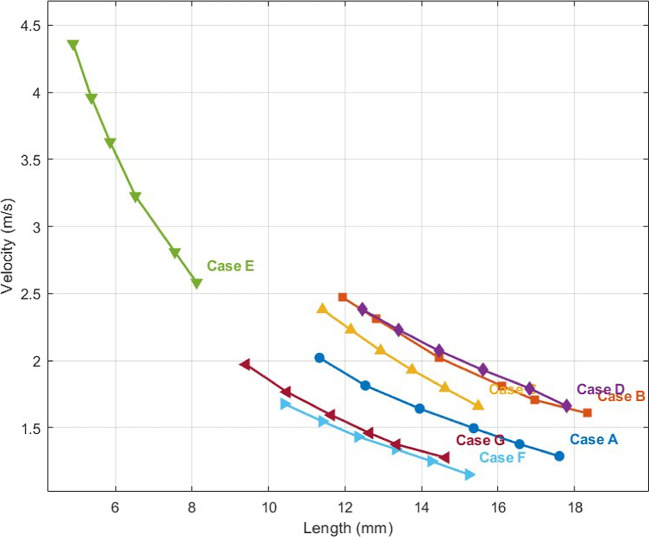 Figure 4
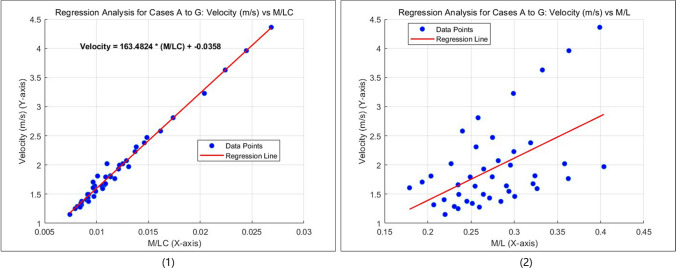 Figure 5
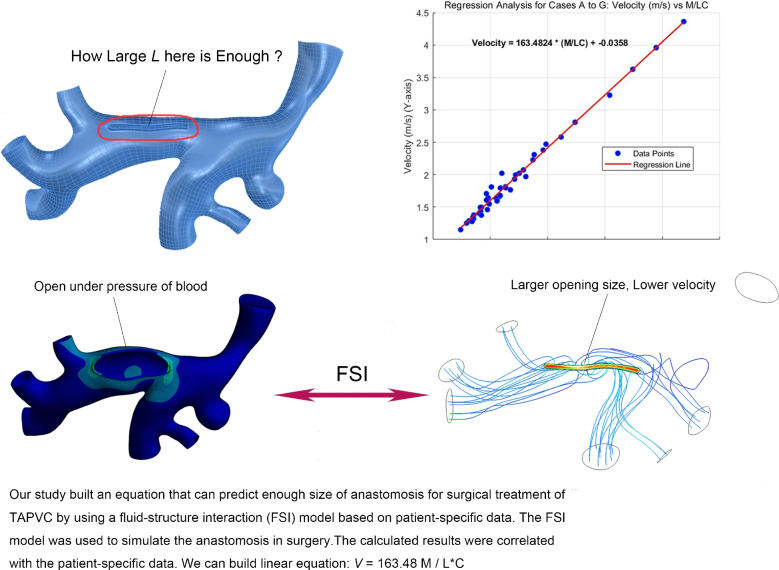 Figure 6
Peer Reviews
No public reviews on file for this paper yet. If you reviewed it on a platform where reviews are public (OpenReview, ICLR, NeurIPS, ICML), you can paste yours below so the community can read it here.
Videos
No videos yet. Explain this paper in a talk, walkthrough, or lecture? Add one.
Taxonomy
TopicsCongenital Heart Disease Studies · Hemodynamic Monitoring and Therapy · Central Venous Catheters and Hemodialysis