Investigating the effect of augmented reality-based virtual patient training on occupational therapy students’ clinical decision-making: A quasi-experimental study
Farshid Chahartangi, Nahid Zarifsanaiey, Manoosh Mehrabi, Bahareh Zeynalzadeh Ghoochani, Nahid Sharifzadeh

TL;DR
This study shows that using augmented reality-based virtual patients improves clinical decision-making skills in occupational therapy students.
Contribution
The study introduces and evaluates an augmented reality-based virtual patient model for occupational therapy education.
Findings
The intervention group showed a 7.34 times higher probability of correct responses post-test compared to pre-test.
The intervention group had a 3.75 times higher likelihood of correct responses than the control group.
The VPAR model is effective in enhancing clinical decision-making skills in occupational therapy students.
Abstract
Technology-enhanced education is an essential element of modern universities, improving clinical decision-making, and student performance. This study aimed to design and evaluate an augmented reality-based virtual patient (VPAR) educational model to enhance clinical decision-making in upper limb nerves among occupational therapy students. This quasi-experimental study conducted from January to April 2025 with 44 occupational therapy students from Shiraz and Arak Universities of Medical Sciences. Classes were assigned by pre-existing cluster allocation to the intervention group (VPAR, n = 24) or the control group (traditional education, n = 20). Clinical decision-making skills were assessed before and one month after a three-week VPAR program using a researcher-developed questionnaire. Data were analyzed using R software (version 4.3.3) and the Generalized Estimating Equations (GEE)…
Genes, proteins, chemicals, diseases, species, mutations and cell lines named across the full text — each resolved to its canonical identifier and authoritative record.
Click any figure to enlarge with its caption.
 Figure 1
 Figure 2
 Figure 3
 Figure 4
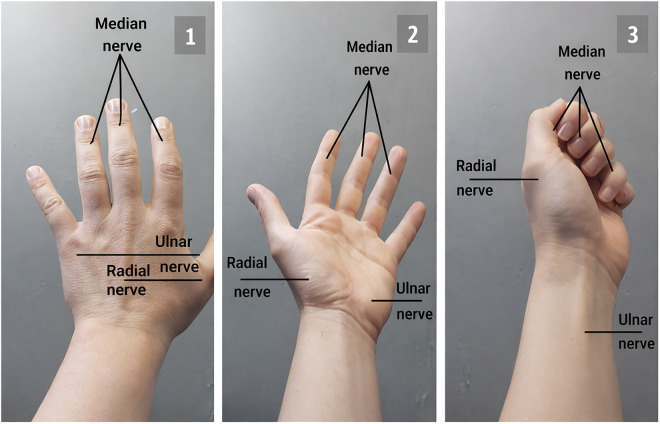 Figure 5
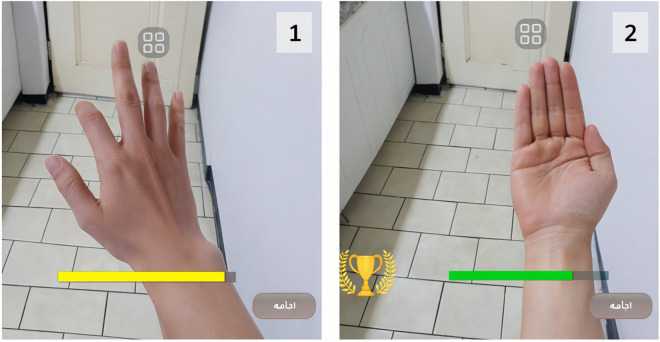 Figure 6
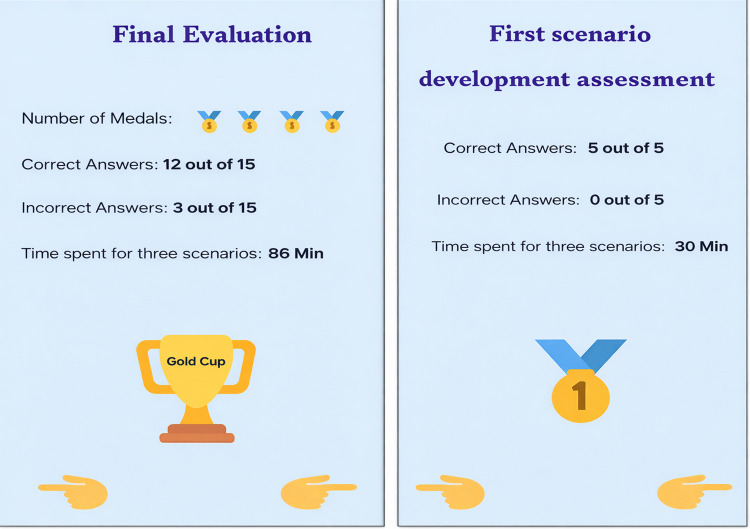 Figure 7
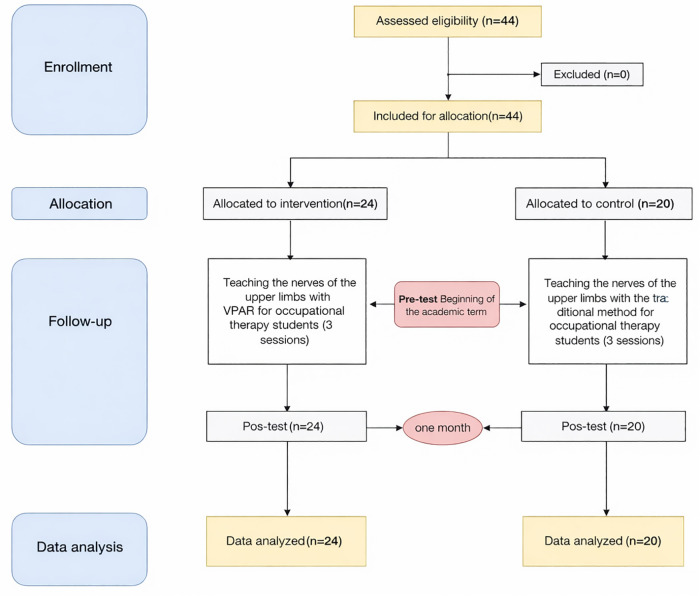 Figure 8
 Figure 9
 Figure 10
 Figure 11
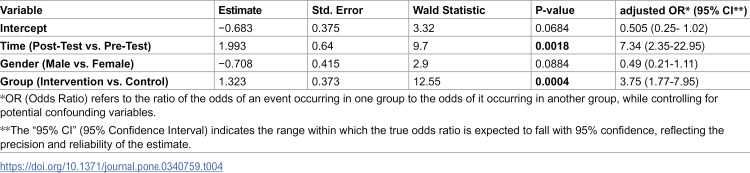 Figure 12
Peer Reviews
No public reviews on file for this paper yet. If you reviewed it on a platform where reviews are public (OpenReview, ICLR, NeurIPS, ICML), you can paste yours below so the community can read it here.
Videos
No videos yet. Explain this paper in a talk, walkthrough, or lecture? Add one.
Taxonomy
TopicsSurgical Simulation and Training · Simulation-Based Education in Healthcare · Virtual Reality Applications and Impacts