Chemical and Biological Properties of Hymenaea courbaril L.: A Review
Cicera Alane Coelho Gonçalves, Geane Gabriele de Oliveira Souza, Ana Maria Fernandes Duarte, Joice Barbosa do Nascimento, Fázia Fernandes Galvão Rodrigues, José Galberto Martins da Costa, Fabíola Fernandes Galvão Rodrigues

TL;DR
This review summarizes the chemical composition and biological effects of Hymenaea courbaril, a plant used in traditional medicine for various health conditions.
Contribution
The paper provides a comprehensive overview of the phytochemicals and validated biological activities of Hymenaea courbaril, highlighting areas for future research.
Findings
Hymenaea courbaril contains bioactive compounds like flavonoids, terpenes, phenols, and coumarins.
It exhibits antibacterial, antifungal, antiviral, anti-inflammatory, antioxidant, and antiproliferative effects.
Low acute toxicity was observed in in vivo studies, supporting its potential for medicinal use.
Abstract
Hymenaea courbaril L., commonly known as jatobá, is a plant traditionally used by native populations for medicinal purposes, in addition to providing edible fruits and durable wood for construction. In Brazilian traditional medicine, products from this species are employed to treat wounds, inflammations, bacterial infections, rheumatism, anemia, respiratory and gastric disorders, bronchitis, and prostate conditions. This review aimed to summarize the phytochemical composition and biological activities of H. courbaril L., establishing a foundation for future studies. The species is rich in bioactive compounds, including flavonoids, terpenes, phenols, and coumarins present in its leaves, fruits, bark, and resin. Scientifically validated bioactivities include antibacterial, antifungal, antiviral, anti‐inflammatory, antioxidant, muscle‐relaxant, and antiproliferative effects. Low acute…
Genes, proteins, chemicals, diseases, species, mutations and cell lines named across the full text — each resolved to its canonical identifier and authoritative record.
Click any figure to enlarge with its caption.
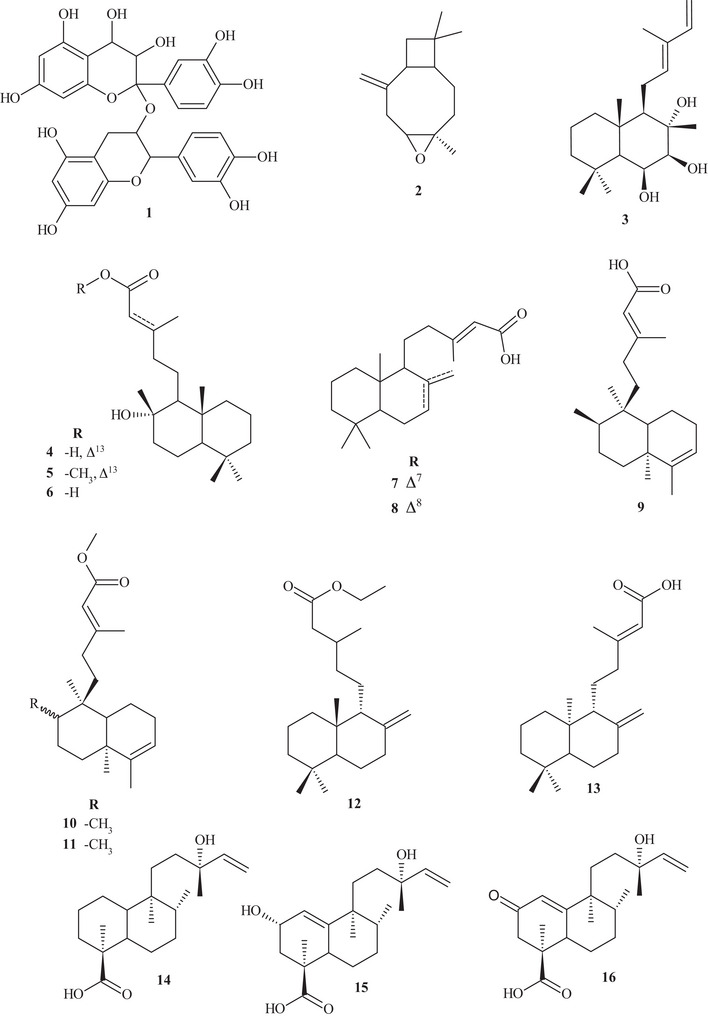 Figure 1
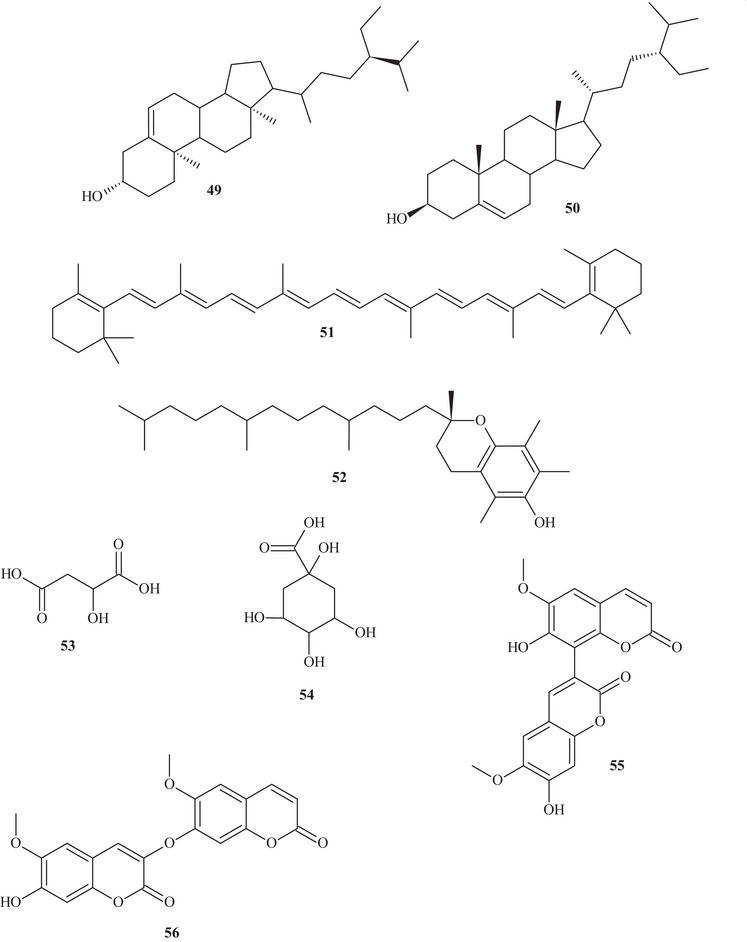 Figure 2
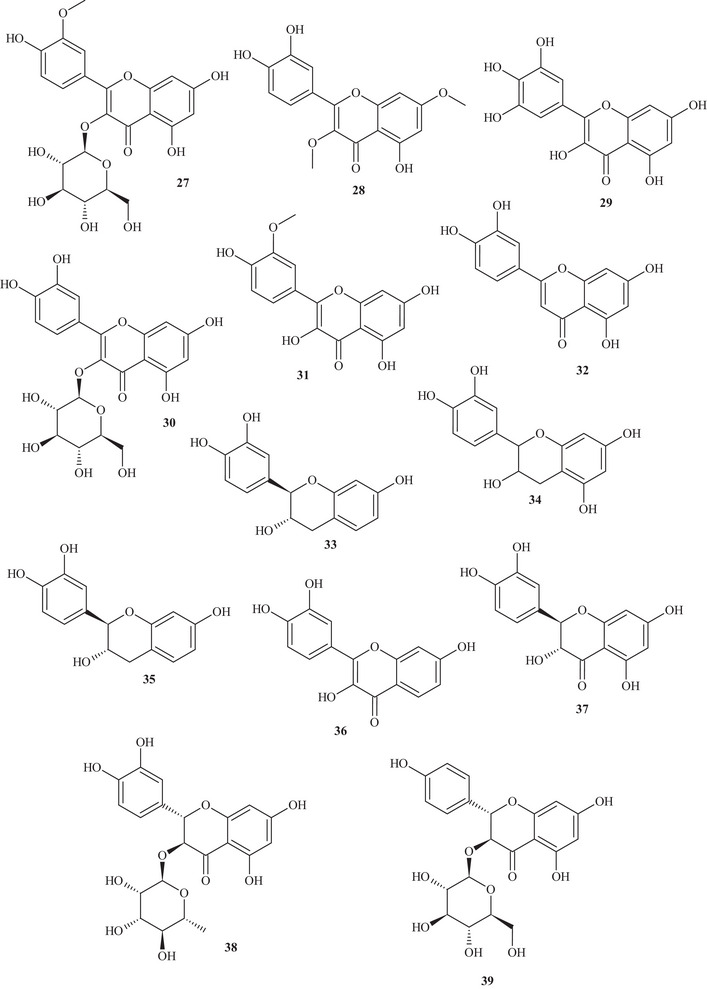 Figure 3
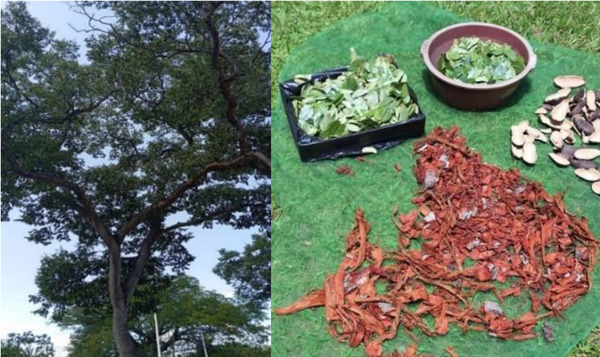 Figure 4
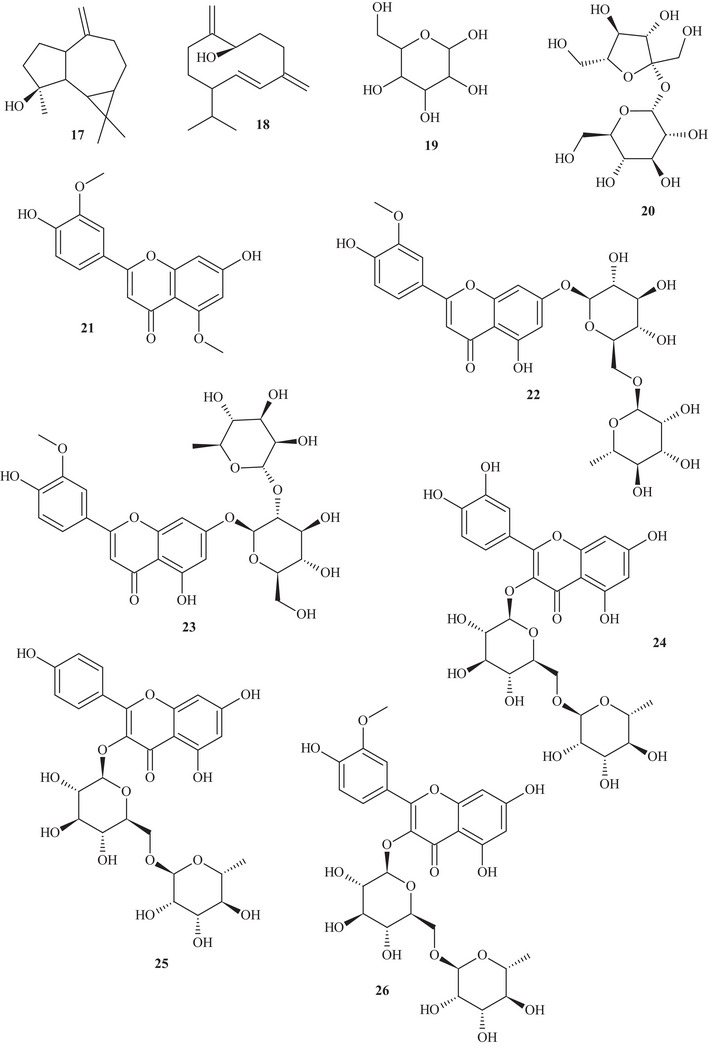 Figure 5
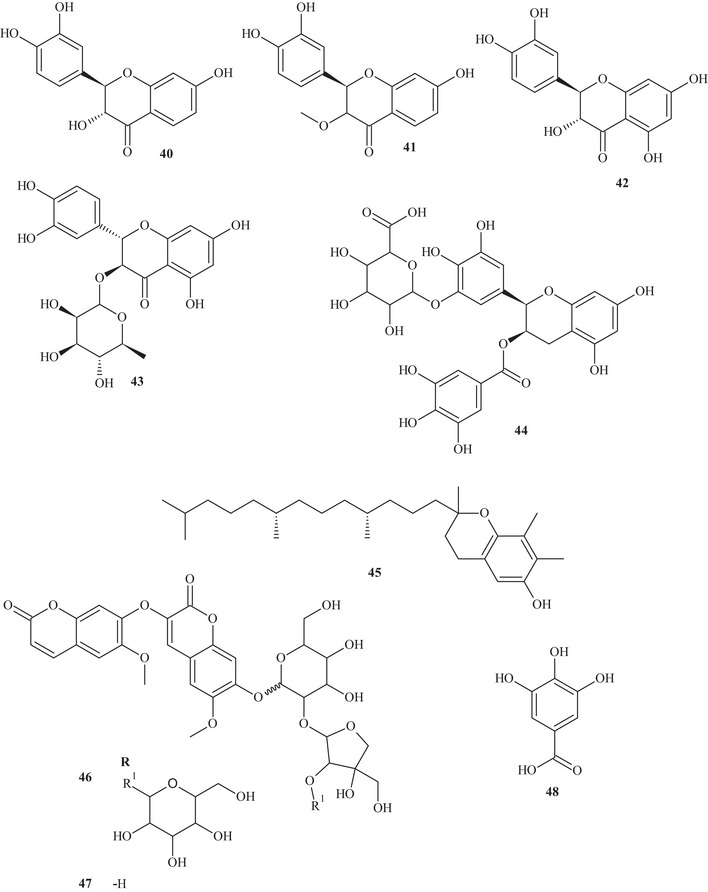 Figure 6
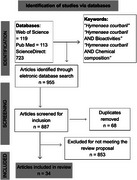 Figure 7
Peer Reviews
No public reviews on file for this paper yet. If you reviewed it on a platform where reviews are public (OpenReview, ICLR, NeurIPS, ICML), you can paste yours below so the community can read it here.
Videos
No videos yet. Explain this paper in a talk, walkthrough, or lecture? Add one.
Taxonomy
TopicsPhytochemistry Medicinal Plant Applications · Agricultural and Food Sciences · Phytochemical compounds biological activities