A novel, non-invasive cnidarian venom extraction device
Phillip J. Robinson, Steven A. Trim, Carol M. Trim

TL;DR
A new non-invasive device was developed to extract venom from cnidarians, enabling better research into their potentially therapeutic toxins.
Contribution
The novel device allows non-invasive venom extraction from cnidarians, overcoming previous sampling limitations.
Findings
The device successfully collected venom from 12 cnidarian species across three taxonomic groups.
Venom activity was preserved using cold acetone precipitation.
Phospholipase A2 inhibitory activity was first observed in cnidarian venoms.
Abstract
Cnidaria represent one of the most ancient venomous lineages with thousands of extant species and their toxins have long been known to signify a source of therapeutic potential. Despite this recognition, cnidarian toxin research has progressed relatively slowly when compared to other taxa. One of the major factors for this slow development pertains to the difficulties involved with obtaining samples, particularly from benthic species which are sessile, where dissected tissues have historically been required. Additionally, the instability of marine venoms has further hindered progression of cnidarian venom research. The research presented aimed to address these issues through the design and development of a novel, non-invasive, venom extraction device that works on a range of cnidarian species. The device functioned underwater at depths ranging from 50 mm down to 5 m whilst scuba diving…
Genes, proteins, chemicals, diseases, species, mutations and cell lines named across the full text — each resolved to its canonical identifier and authoritative record.
Click any figure to enlarge with its caption.
 Figure 1
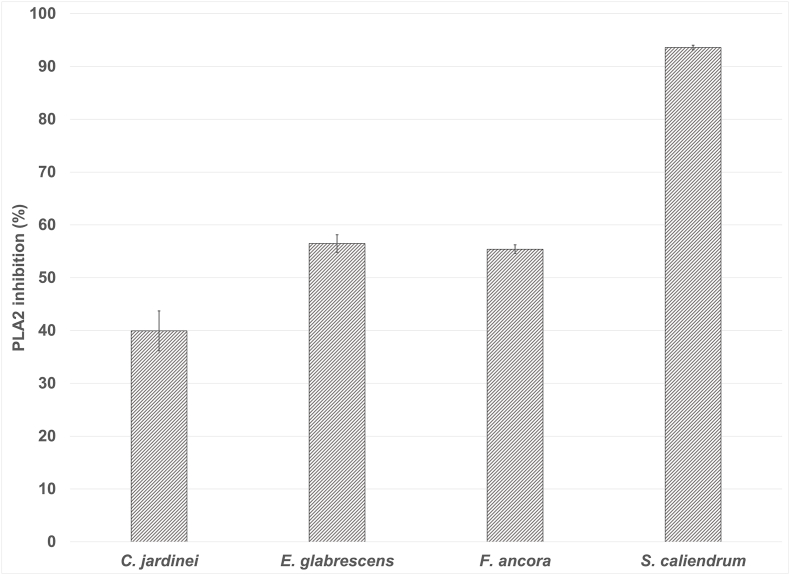 Figure 2
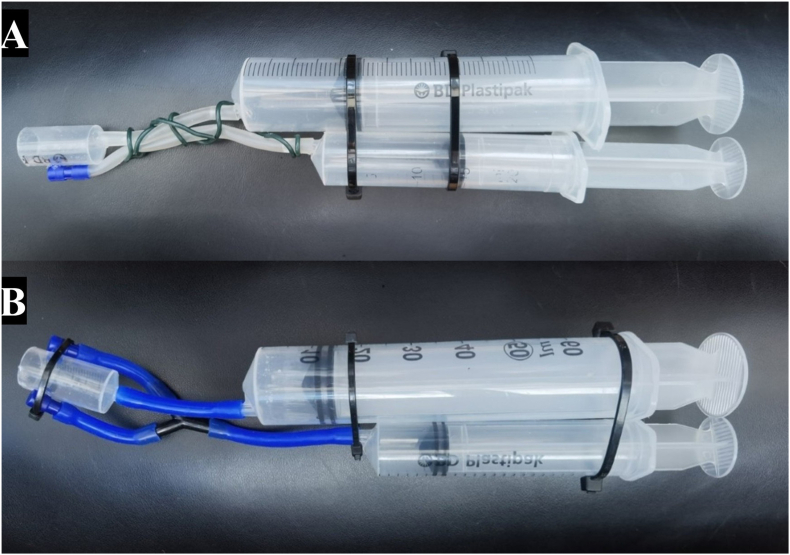 Figure 3
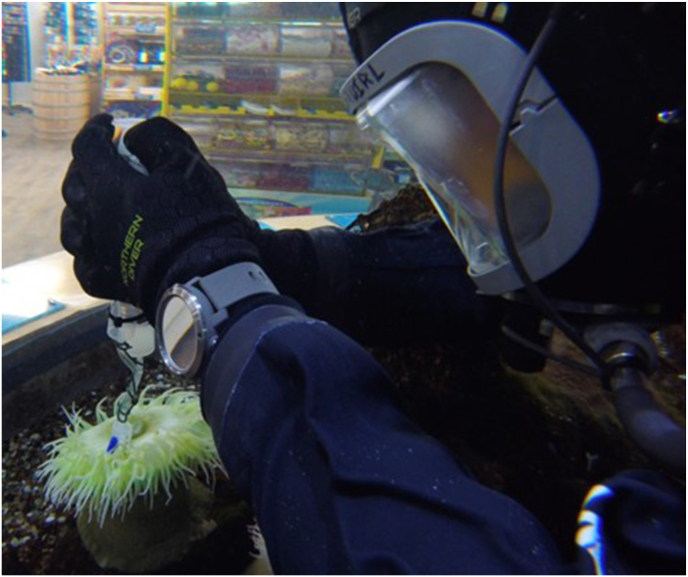 Figure 4
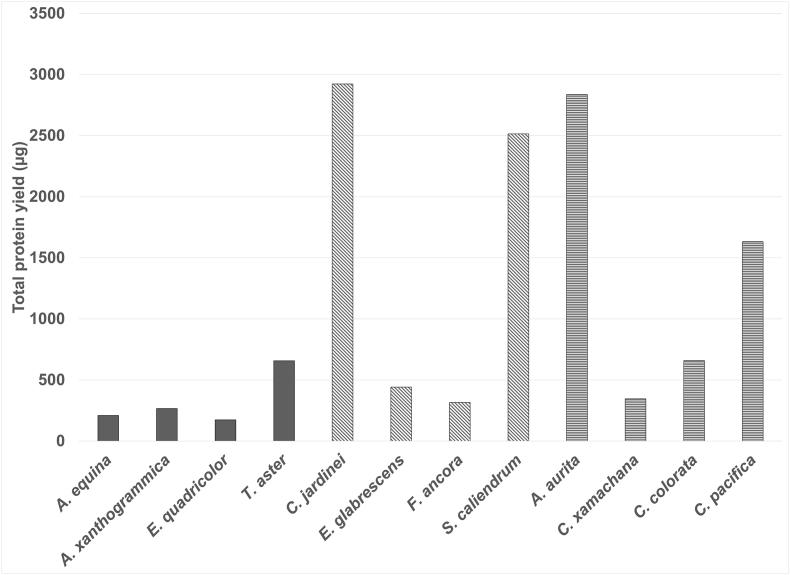 Figure 5
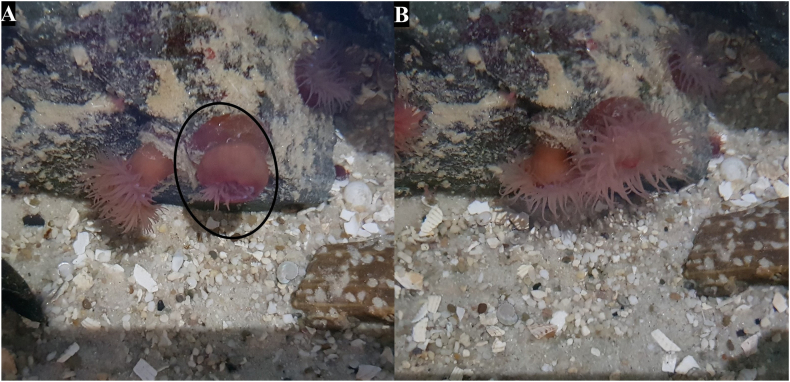 Figure 6
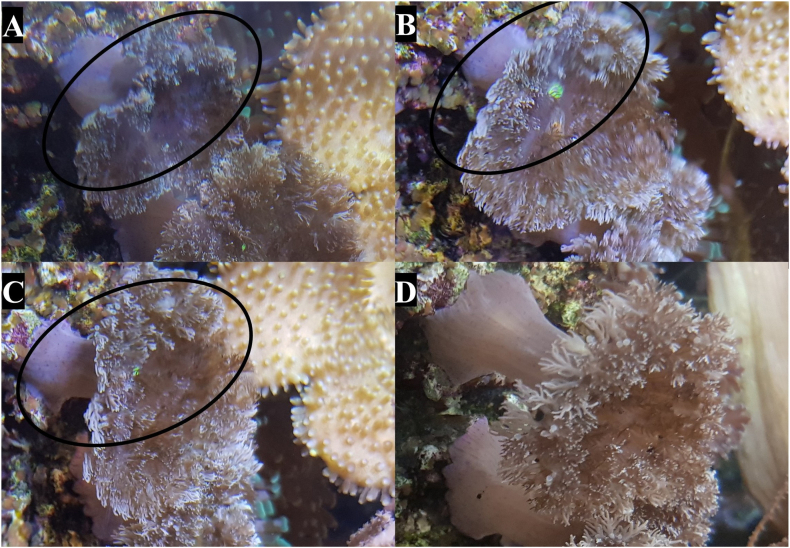 Figure 7
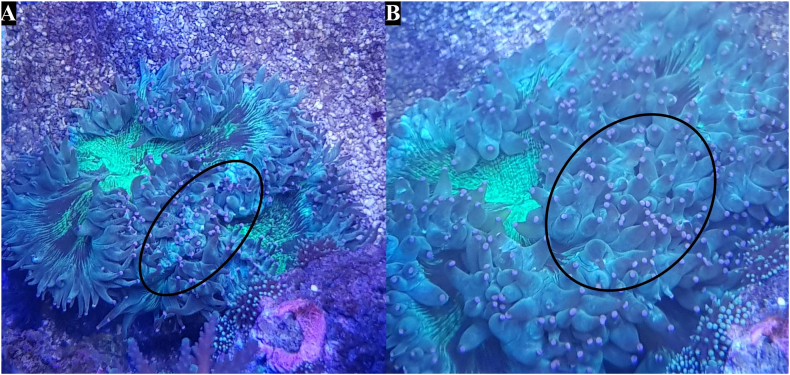 Figure 8
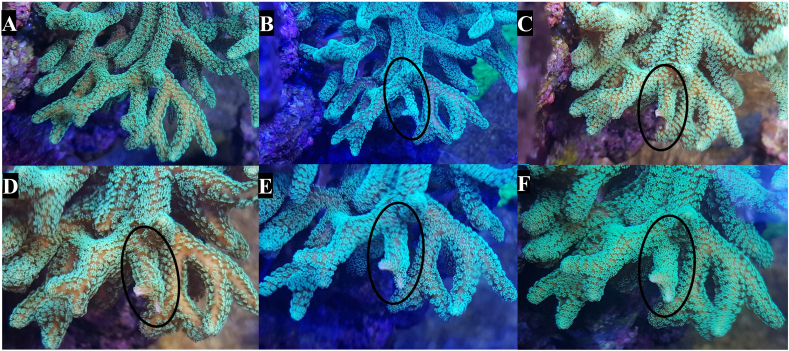 Figure 9
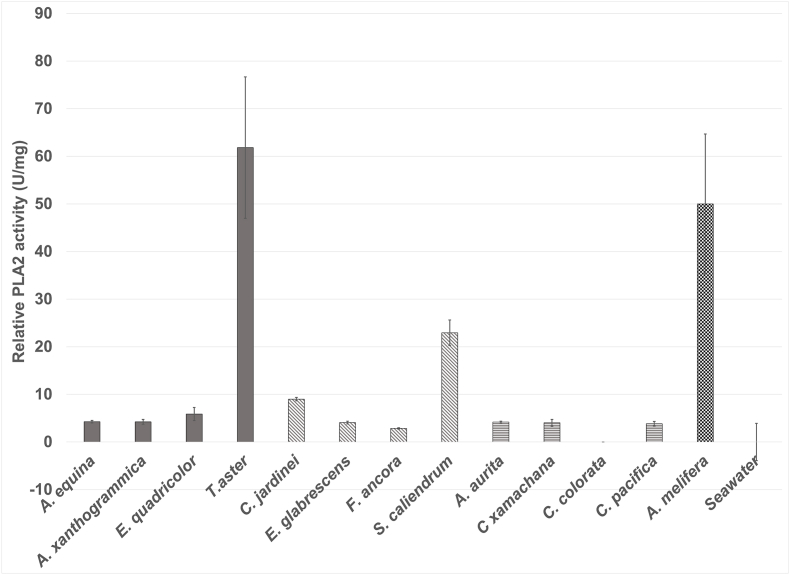 Figure 10
Peer Reviews
No public reviews on file for this paper yet. If you reviewed it on a platform where reviews are public (OpenReview, ICLR, NeurIPS, ICML), you can paste yours below so the community can read it here.
Videos
No videos yet. Explain this paper in a talk, walkthrough, or lecture? Add one.
Taxonomy
TopicsMarine Invertebrate Physiology and Ecology · Venomous Animal Envenomation and Studies · Marine Sponges and Natural Products