Modelling severe COVID-19 in TLR3-mutated hiPSCs-derived lung organoids
Andrea Latini, Paola Spitalieri, Federica Centofanti, Barbara Rizzacasa, Donatella Amatore, Giorgia Grilli, Riccardo De Santis, Lorenzo Vaccaro, Vito Luigi Colona, Giulio Puleri, Anna Maria Nardone, Michela Biancolella, Elena Campione, Loredana Sarmati, Paola Rogliani

TL;DR
This study uses patient-derived lung organoids to model severe COVID-19 caused by a TLR3 mutation, showing how genetic factors influence disease severity.
Contribution
A novel patient-specific lung organoid model is developed to study the impact of TLR3 mutations on SARS-CoV-2 infection and disease severity.
Findings
TLR3-mutated lung organoids showed reduced TLR3 and downstream gene expression.
Infection increased fibrinogen gene expression, linked to severe COVID-19.
TLR3 expression was still inducible despite the loss-of-function mutation.
Abstract
Clinical variability in COVID-19 is partly explained by host genetic factors, including inborn errors of immunity. We investigated a patient with a heterozygous nonsense mutation in the TLR3 gene (p.Trp769*) by generating human-induced pluripotent stem cells (hiPSCs) and differentiating them into lung organoids (hLORGs). TLR3-mutated hLORGs showed reduced basal expression of TLR3 and downstream signaling genes. Following infection with a pseudotyped SARS-CoV-2 virus and live SARS-CoV-2, RNA-Seq and qPCR analyses revealed significant upregulation of fibrinogen genes (FGA, FGG), which are associated with severe COVID-19. Interestingly, TLR3 expression remained inducible upon infection, despite the loss-of-function mutation. Our patient-derived hLORG model recapitulates the pathophysiological features of the patient and provides a platform to investigate host–virus interactions and test…
Genes, proteins, chemicals, diseases, species, mutations and cell lines named across the full text — each resolved to its canonical identifier and authoritative record.
Click any figure to enlarge with its caption.
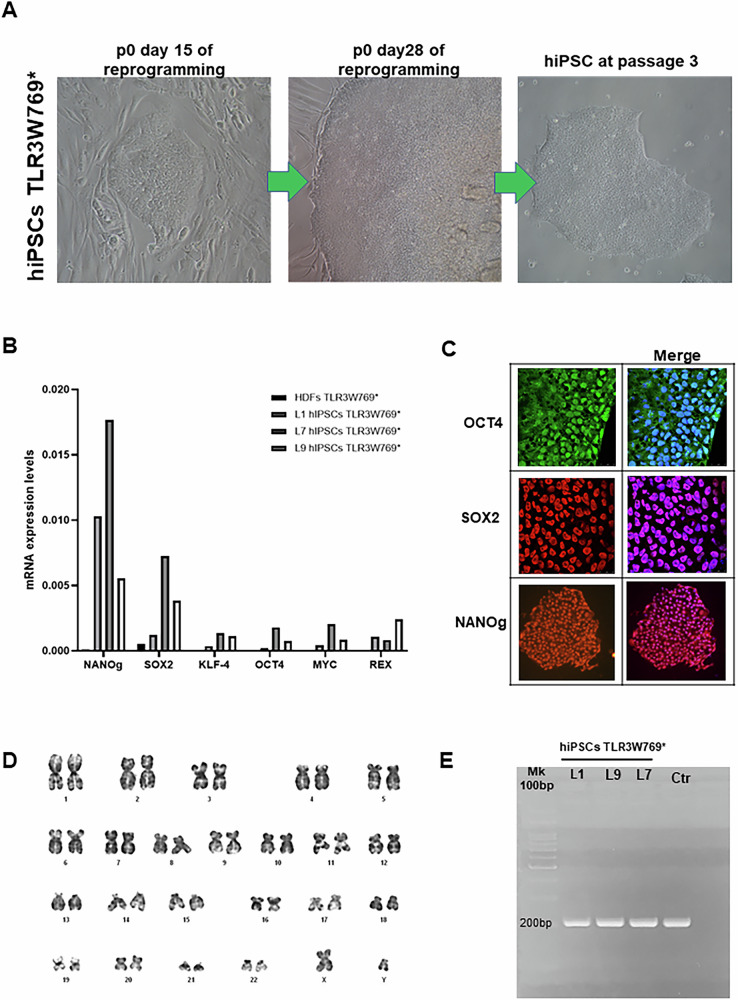 Figure 1
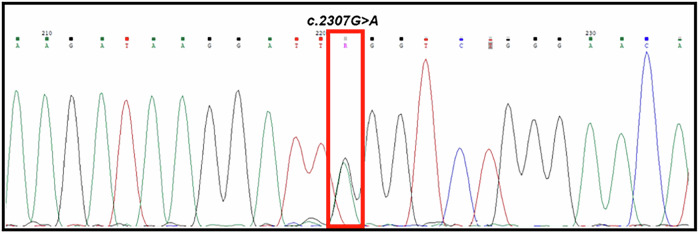 Figure 2
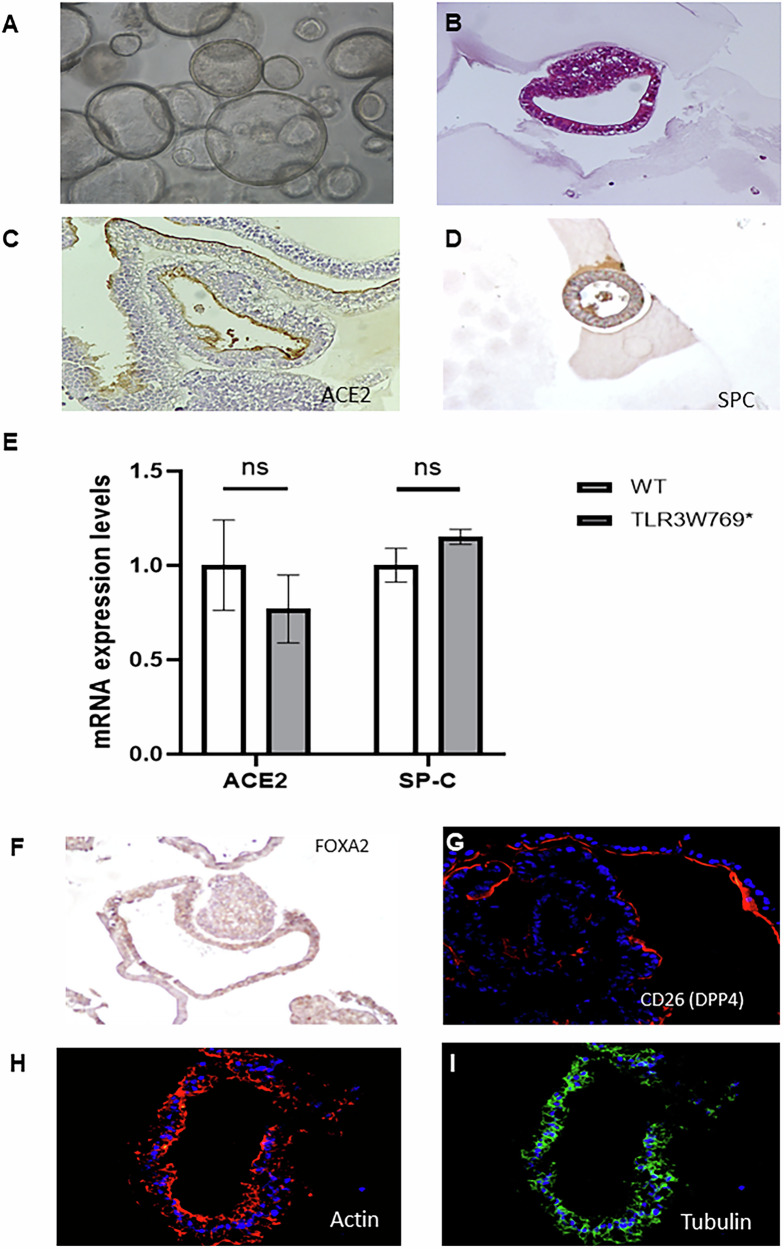 Figure 3
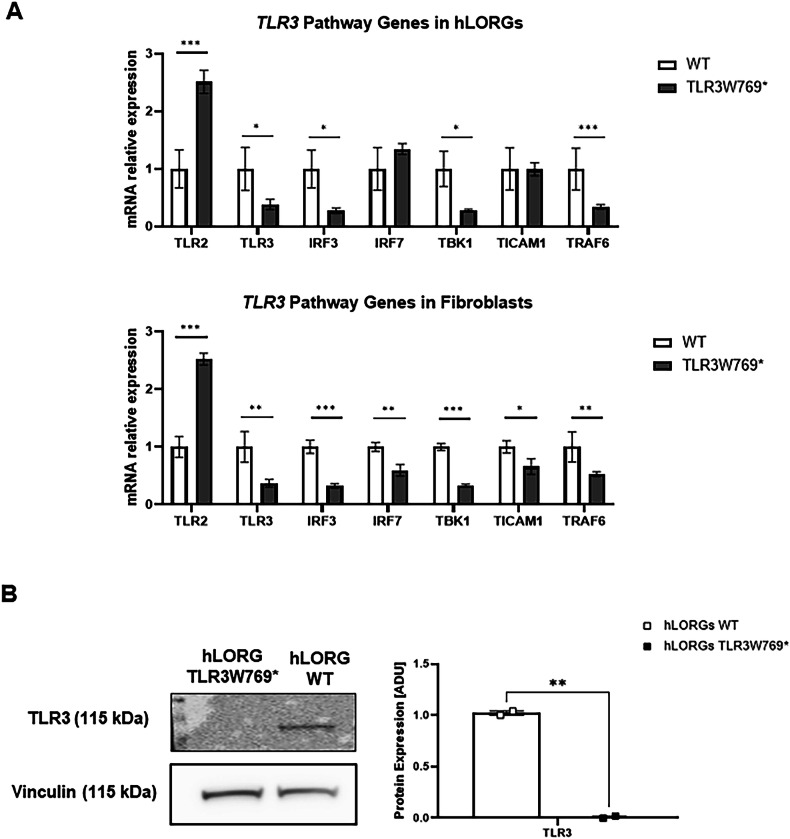 Figure 4
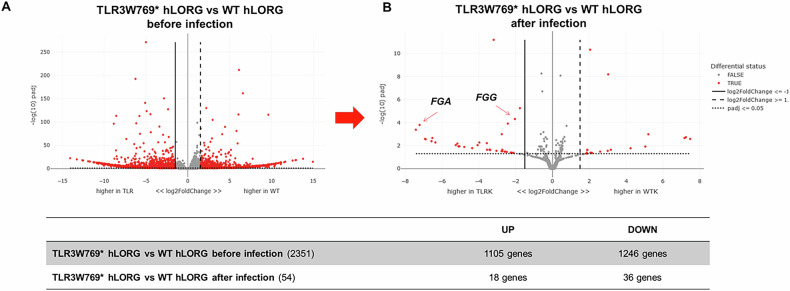 Figure 5
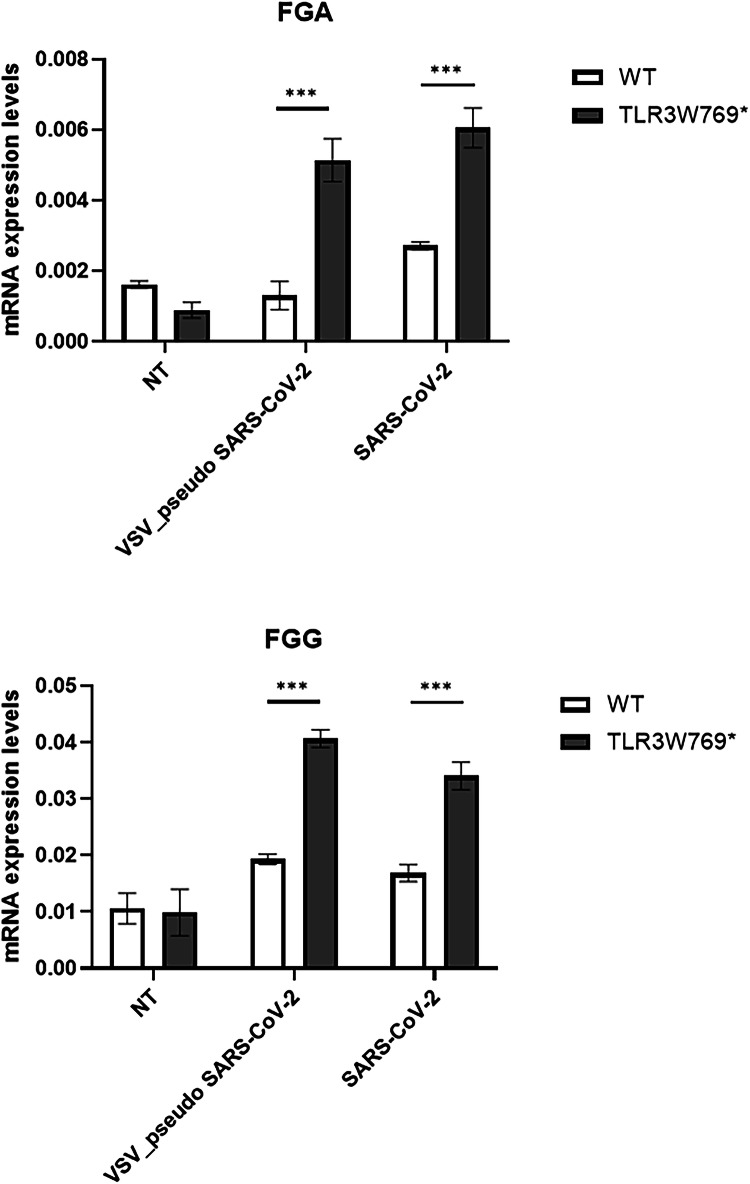 Figure 6
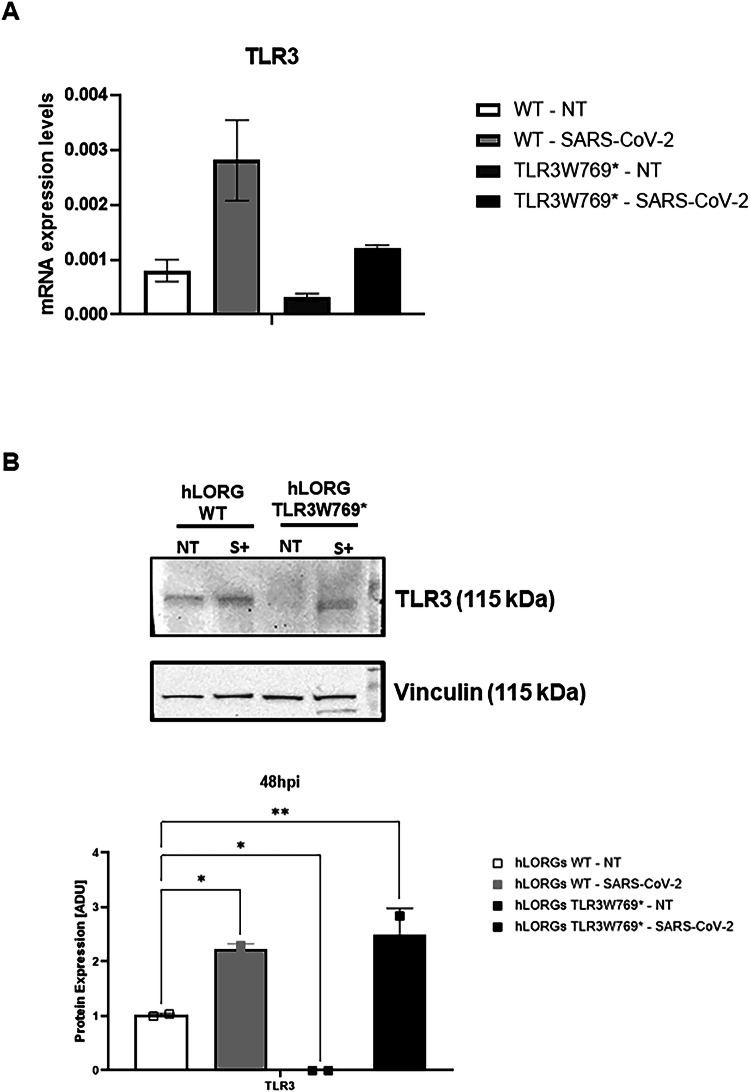 Figure 7
Peer Reviews
No public reviews on file for this paper yet. If you reviewed it on a platform where reviews are public (OpenReview, ICLR, NeurIPS, ICML), you can paste yours below so the community can read it here.
Videos
No videos yet. Explain this paper in a talk, walkthrough, or lecture? Add one.
Taxonomy
TopicsRespiratory viral infections research · Neonatal Respiratory Health Research · Immune responses and vaccinations