Functional characterisation of Target of Rapamycin (TOR) signalling in Physcomitrella
Elie Saliba, Sebastian N. W. Hoernstein, Nico van Gessel, Alexander Sentimenti, Karoline M. V. Höß, Juliana Parsons, Eva L. Decker, Pitter F. Huesgen, Henrik Toft Simonsen, Ralf Reski

TL;DR
This study explores how TOR signaling affects growth and development in the moss Physcomitrella, revealing its role in chloroplast function, protein synthesis, and cell cycle.
Contribution
The study functionally characterizes TOR signaling in the non-vascular plant Physcomitrella, identifying key components and effects of TOR inhibition.
Findings
TOR inhibition in Physcomitrella delays cell-cycle progression and development.
Rapamycin and AZD8055 induce chlorosis and inhibit photosynthesis in Physcomitrella.
PpLST8 can substitute its yeast homolog to support cell growth.
Abstract
The evolutionary conserved TOR kinase positively controls growth and development of the moss Physcomitrella, development and function of its chloroplasts, its protein synthesis, and cell-cycle progression. Target of Rapamycin (TOR) is a conserved protein kinase and an important signalling hub in eukaryotes. The moss Physcomitrella (Physcomitrium patens) is a model organism for plant physiology, development, and evolution. However, little is known about TOR signalling in non-vascular plants, including Physcomitrella. Here, we report the effects of inhibiting TOR signalling in Physcomitrella. We identified and characterised Physcomitrella 12-kDa FK506-binding protein (FKBP12), which binds TOR in the presence of rapamycin. Whereas the growth of wild-type protonema is unaffected by rapamycin, overexpressing endogenous FKBP12 rendered the plant susceptible to the inhibitor in a…
Genes, proteins, chemicals, diseases, species, mutations and cell lines named across the full text — each resolved to its canonical identifier and authoritative record.
Click any figure to enlarge with its caption.
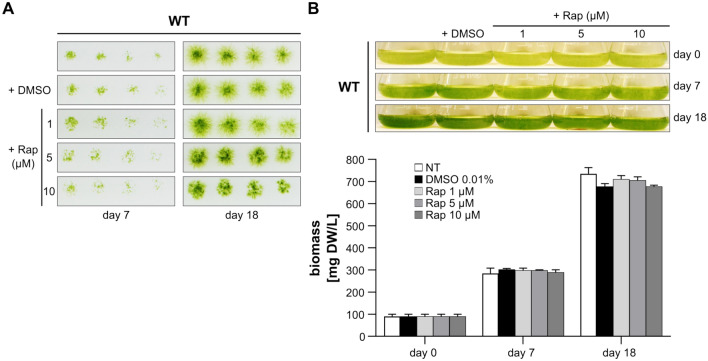 Figure 1
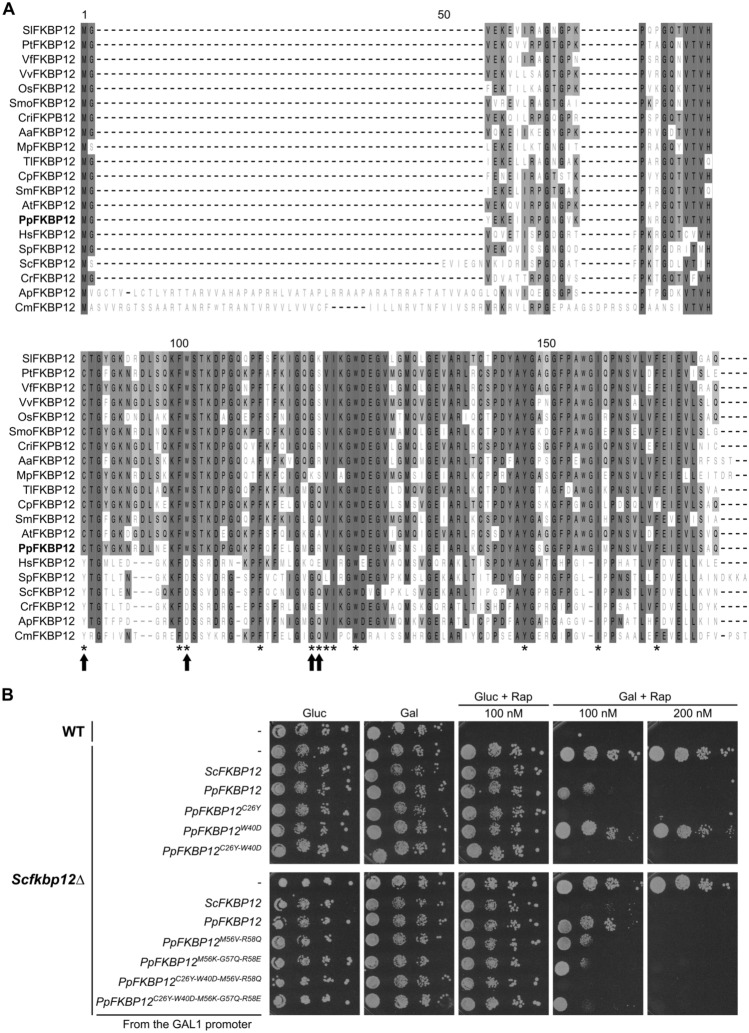 Figure 2
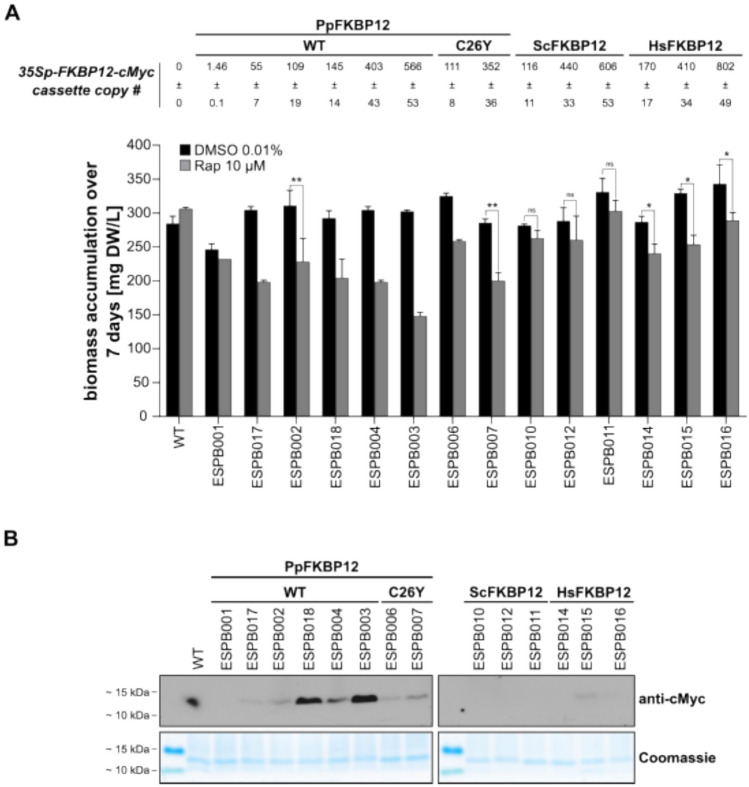 Figure 3
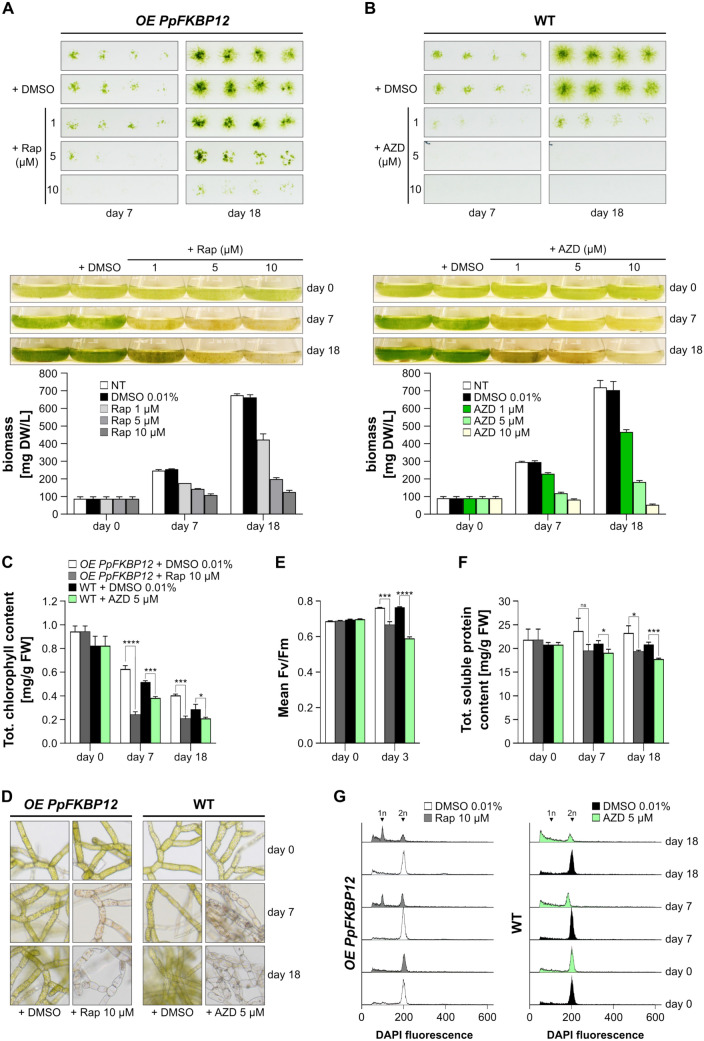 Figure 4
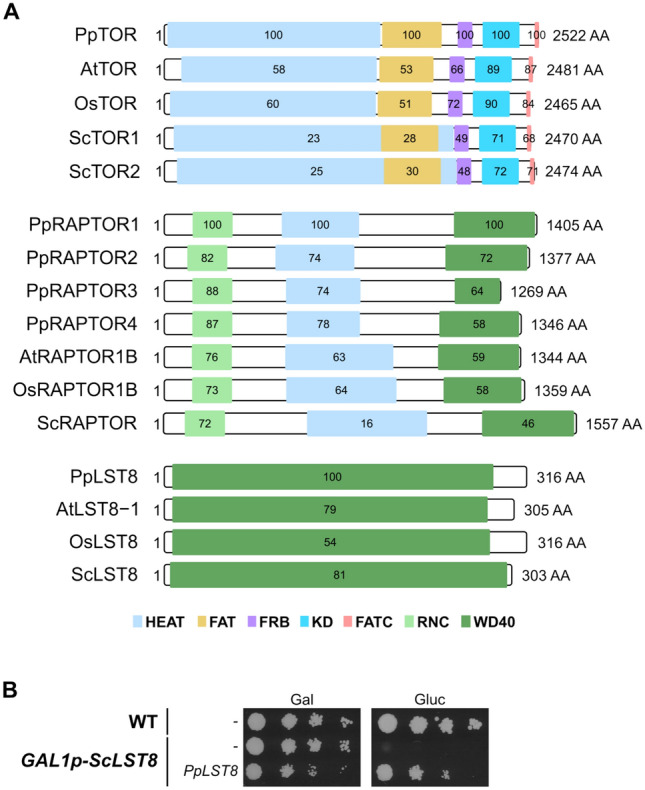 Figure 5
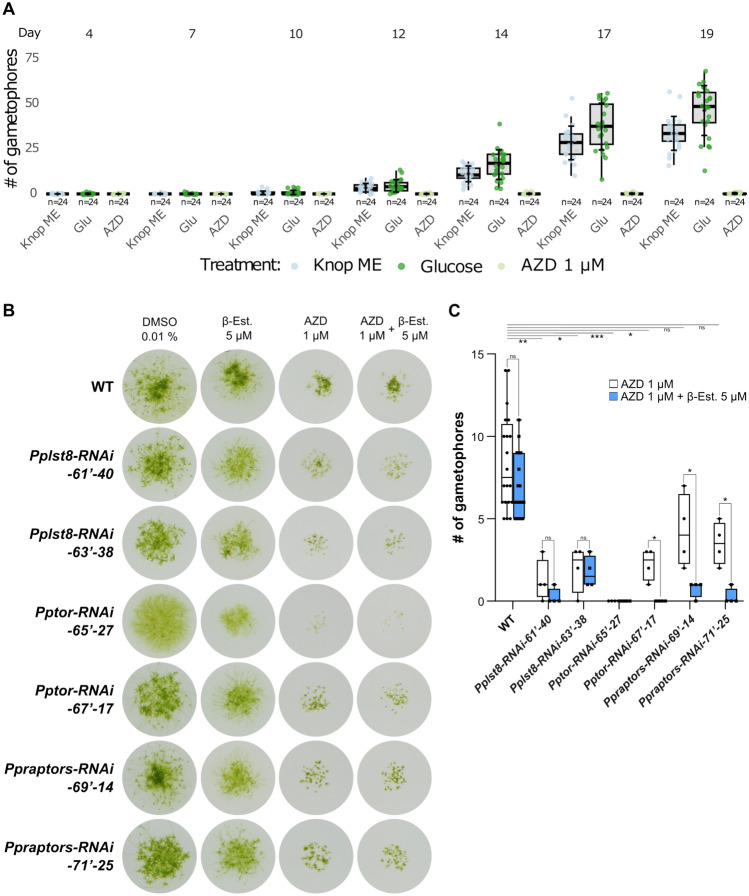 Figure 6
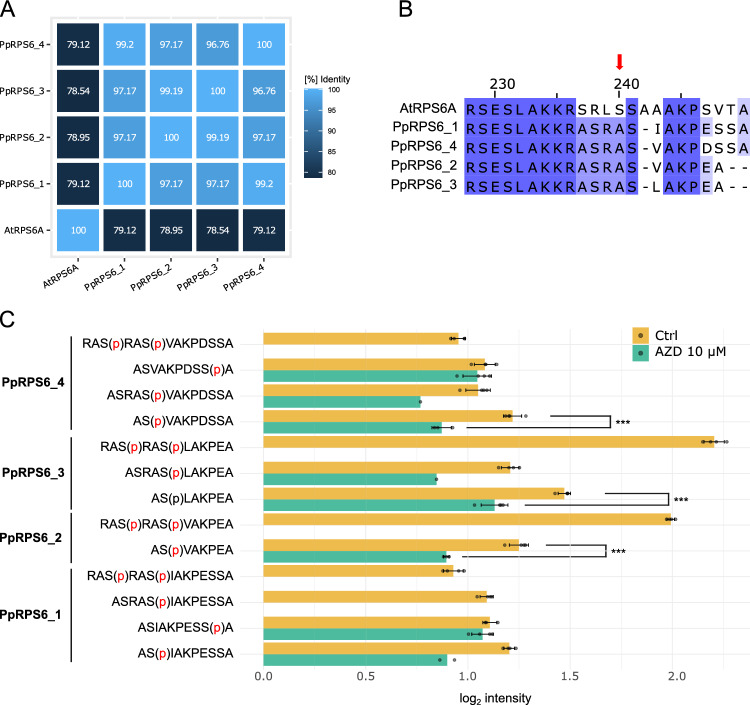 Figure 7
Peer Reviews
No public reviews on file for this paper yet. If you reviewed it on a platform where reviews are public (OpenReview, ICLR, NeurIPS, ICML), you can paste yours below so the community can read it here.
Videos
No videos yet. Explain this paper in a talk, walkthrough, or lecture? Add one.
Taxonomy
TopicsPI3K/AKT/mTOR signaling in cancer · Microtubule and mitosis dynamics · Light effects on plants