Transcriptomic dataset of RAW264.7 murine macrophages pretreated with 9-methoxycanthin-6-one under poly(I:C)-TLR3 stimulation
Trang Thu Tran, Huyen Minh Thi Ta, Duc Hoang Le, Duong Huy Nguyen, Nam Trung Nguyen

TL;DR
This study provides RNA sequencing data from mouse macrophages treated with a natural compound before viral-mimicking stimulation, helping to understand immune responses.
Contribution
The study introduces a novel transcriptomic dataset of RAW264.7 macrophages treated with 9-methoxycanthin-6-one under TLR3 stimulation.
Findings
The dataset includes normalized RNA-seq expression matrices and differential gene expression profiles.
Pathway enrichment analysis reveals genes and pathways responsive to the compound under immune activation.
The dataset supports comparative studies of antiviral transcriptional responses and macrophage activation markers.
Abstract
This dataset presents RNA sequencing (RNA-seq) data from RAW264.7 murine macrophages pretreated with 9-methoxycanthin-6-one, a canthin-6-one–type alkaloid isolated from Eurycoma longifolia Jack, and subsequently stimulated with polyinosinic:polycytidylic acid [poly(I:C)], a synthetic double-stranded RNA analog that activates TLR3-mediated antiviral signaling. RAW264.7 cells were pretreated with 9-methoxycanthin-6-one (30 µM) for 30 min and then exposed to poly(I:C) (20 µg/mL) for 6 h. Total RNA was extracted, quality-checked, and sequenced on the Illumina platform to generate paired-end reads. Differential expression analysis and functional annotation were performed to profile genes responsive to 9-methoxycanthin-6-one treatment under poly(I:C) stimulation. The dataset includes normalized expression matrices, lists of upregulated and downregulated genes, and pathway enrichment outputs…
Genes, proteins, chemicals, diseases, species, mutations and cell lines named across the full text — each resolved to its canonical identifier and authoritative record.
Click any figure to enlarge with its caption.
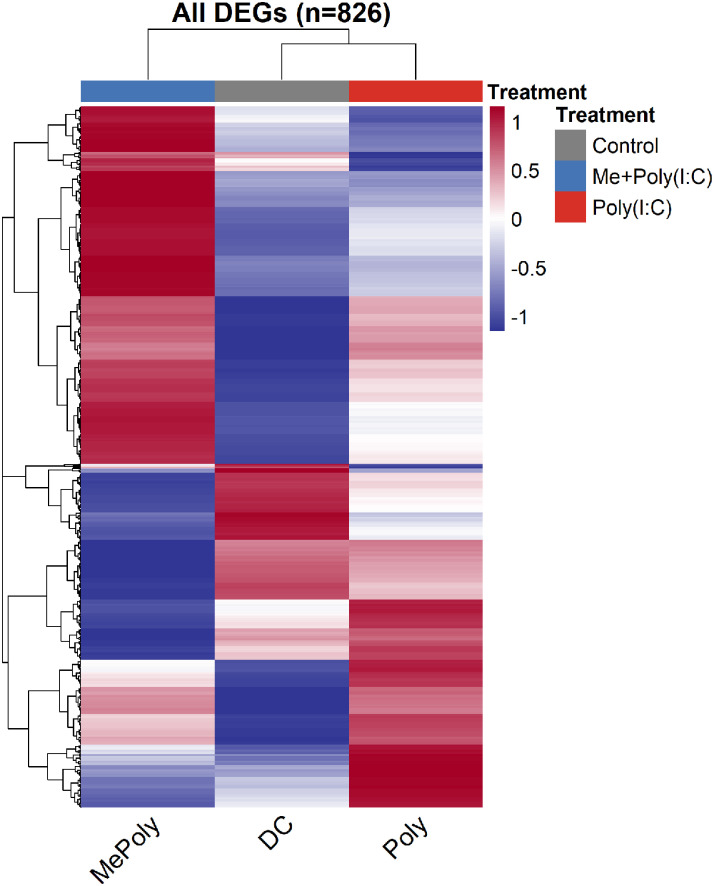 Figure 1
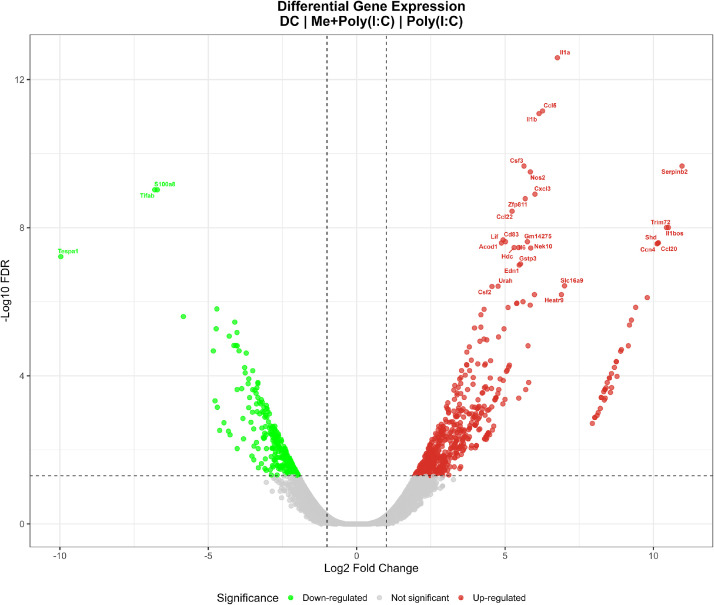 Figure 2
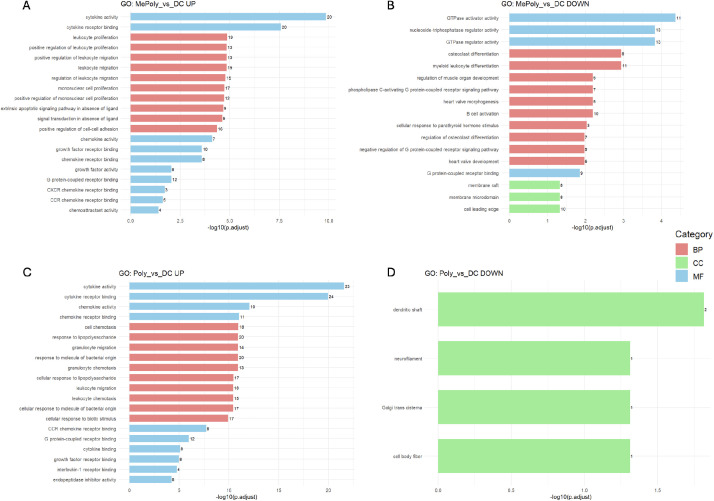 Figure 3
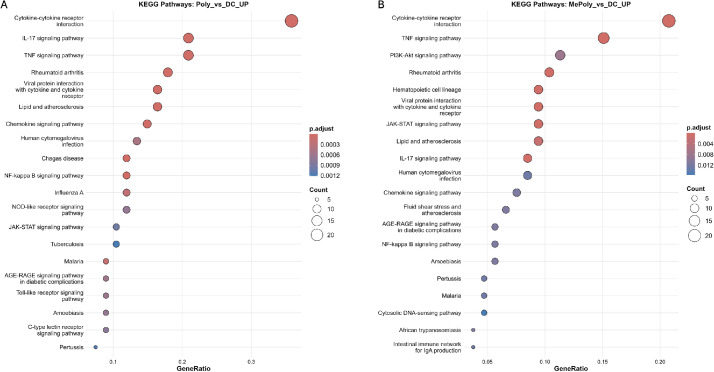 Figure 4
Peer Reviews
No public reviews on file for this paper yet. If you reviewed it on a platform where reviews are public (OpenReview, ICLR, NeurIPS, ICML), you can paste yours below so the community can read it here.
Videos
No videos yet. Explain this paper in a talk, walkthrough, or lecture? Add one.
Taxonomy
TopicsPhytochemical compounds biological activities · Traditional and Medicinal Uses of Annonaceae · Cell death mechanisms and regulation