Hierarchical Mechanistic Modeling of Complex Toxicity Endpoints from Public Concentration–Response Data
Elena Chung, Daniel P. Russo, Lauren M. Aleksunes, Genoa R. Warner, Hao Zhu

TL;DR
This paper introduces a new framework that organizes and interprets high-throughput screening data to predict toxicity outcomes and understand biological pathways.
Contribution
A hierarchical mechanistic modeling framework that integrates HTS data with biological pathways to predict toxicity and enhance interpretability.
Findings
Integrated 455 PubChem assays with 216 protein targets and 103 biological pathways.
Generated pathway-level toxicity scores for five in vivo toxicity endpoints.
Linked chemical bioactivity to adverse outcomes for compound ranking and hazard prediction.
Abstract
High-throughput screening (HTS) programs have generated abundant data on numerous chemicals, supporting the discovery of toxicity mechanisms and advancing understanding of adverse outcome pathways (AOPs) in chemical toxicity. However, organizing and interpreting these data for predictive modeling remain challenging due to inconsistent repository formats, varied program objectives, heterogeneous assay targets, and differences in experimental protocols, including concentration ranges. To address these limitations, we developed a hierarchical mechanistic modeling framework that systematically structures and interprets concentration response HTS data. The model integrated curated data sets by mapping metadata from 455 PubChem assays to 216 protein targets and 103 biological pathways in WikiPathways. Assay-level concentration–response data were organized within a biologically layered…
Genes, proteins, chemicals, diseases, species, mutations and cell lines named across the full text — each resolved to its canonical identifier and authoritative record.
Click any figure to enlarge with its caption.
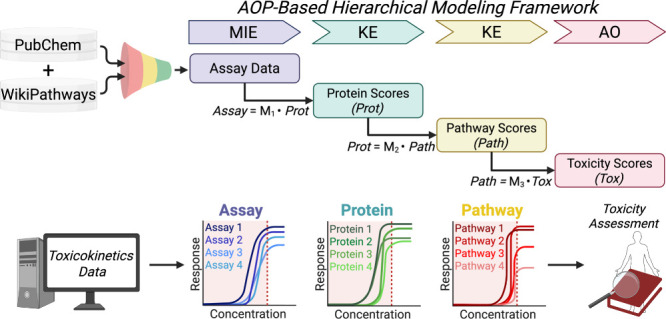 Figure 1
 Figure 2
 Figure 3
 Figure 4
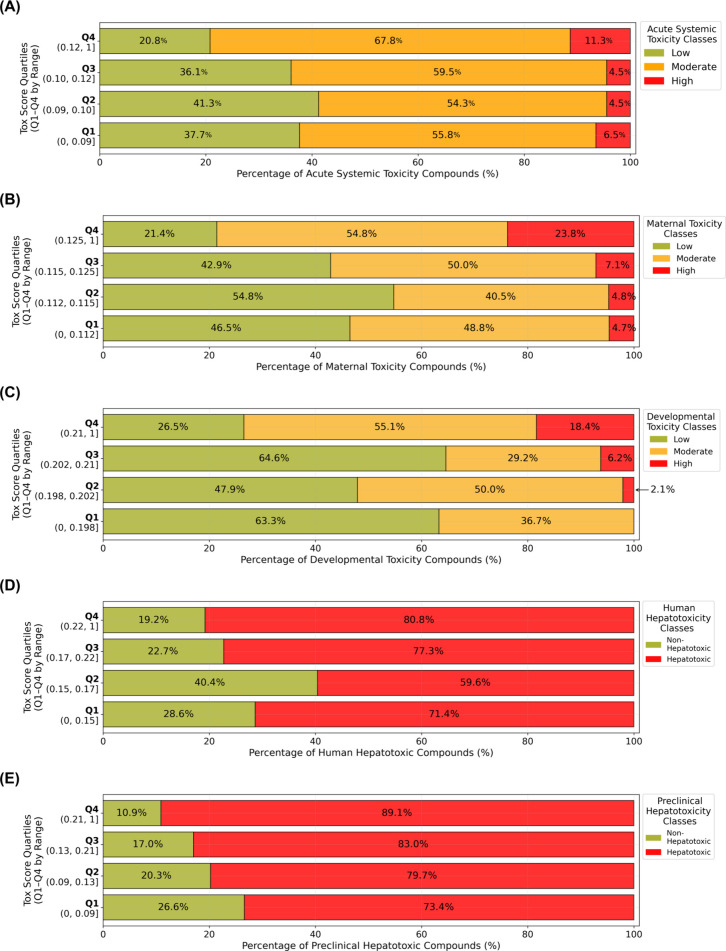 Figure 5
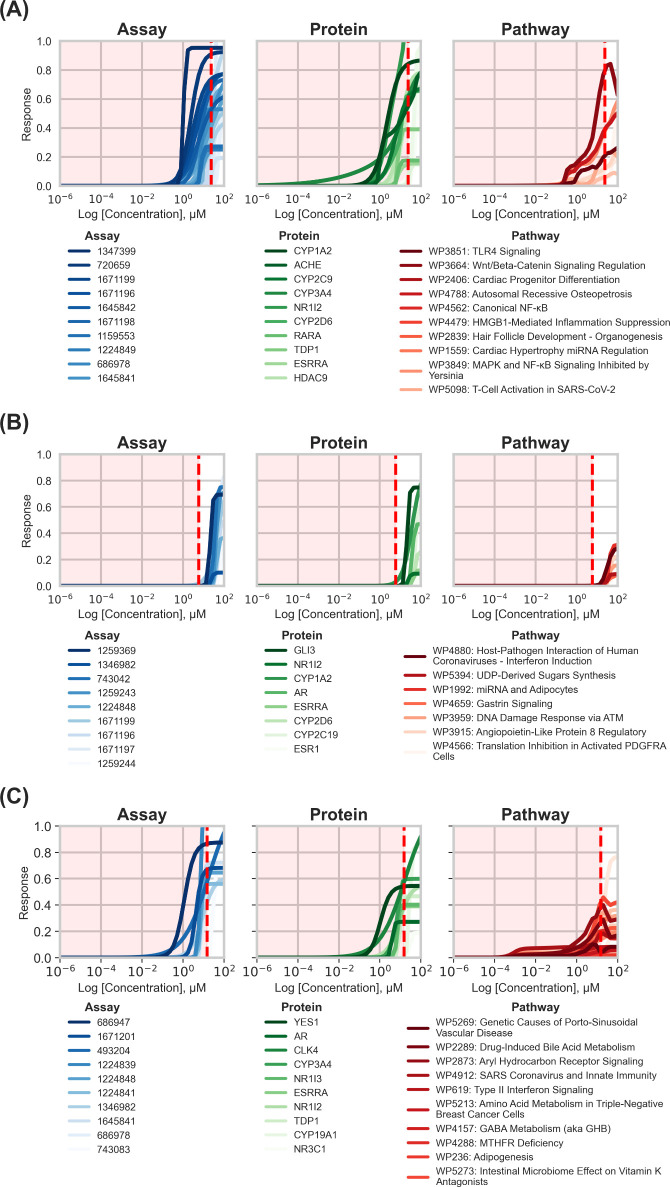 Figure 6
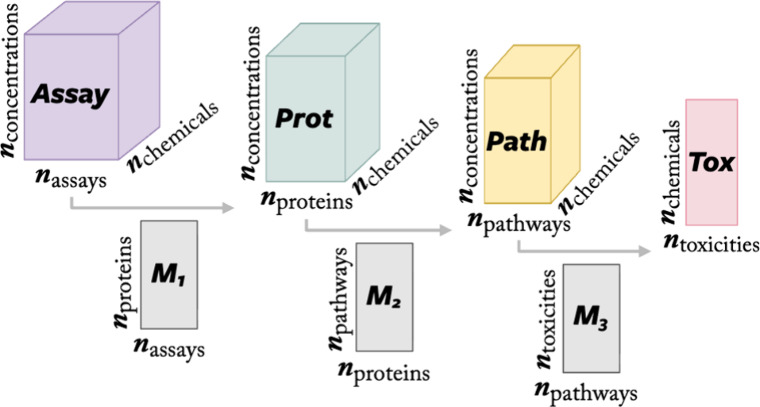 Figure 7
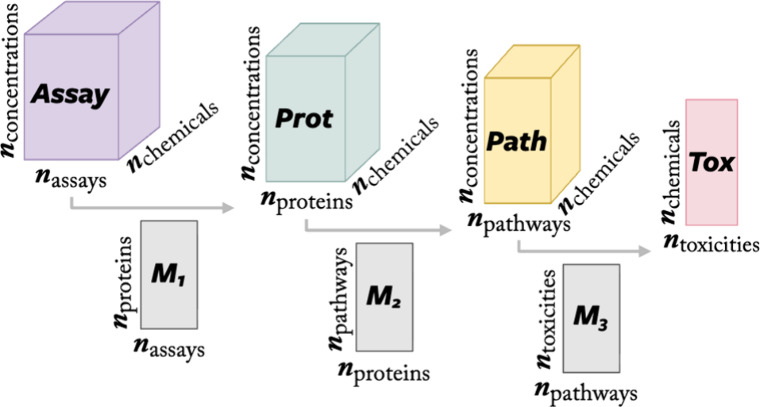 Figure 8
 Figure 9
 Figure 10
 Figure 11
 Figure 12
 Figure 13
Peer Reviews
No public reviews on file for this paper yet. If you reviewed it on a platform where reviews are public (OpenReview, ICLR, NeurIPS, ICML), you can paste yours below so the community can read it here.
Videos
No videos yet. Explain this paper in a talk, walkthrough, or lecture? Add one.
Taxonomy
TopicsComputational Drug Discovery Methods · Cholinesterase and Neurodegenerative Diseases · Effects and risks of endocrine disrupting chemicals