Aberrant skeletal muscle morphogenesis and myofiber differentiation characterize equine myotonic dystrophy
Stephanie J. Valberg, Zoë J. Williams, Elizabeth G. Ames, James R. Mickelson, Yvette S. Nout-Lomas, Gabriele Landolt, Macarena Sanz, Keri Gardner

TL;DR
Equine myotonic dystrophy (eMD) is a muscle disorder in horses with unique molecular causes that differ from human myotonic dystrophy, affecting muscle development and function.
Contribution
The study identifies distinct molecular mechanisms in eMD that impact muscle morphogenesis and gene regulation, differing from human DM1 and DM2.
Findings
eMD muscle shows upregulated genes and proteins related to muscle morphogenesis and embryonic myosin expression.
Trinucleotide and tetranucleotide repeat expansions in DMPK and CNBP, common in human DM, were not found in eMD.
CLCN1 fetal exon 7 was present in equal frequency in eMD and control muscles, and ATP2A1 exon 22 splicing was not altered.
Abstract
Equine myotonic dystrophy (eMD) is a rare neuromuscular disorder of undetermined origin marked by muscle hypertrophy and stiffness, dystrophic muscle histopathology, and myotonic discharges. In humans, myotonic dystrophy (DM) arises from trinucleotide repeat expansions in dystrophia myotonica protein kinase (DMPK) (DM1) or tetranucleotide expansions in cellular nucleic acid-binding protein (CNBP) (DM2), which disrupt mRNA processing and induce embryonic splicing patterns across multiple genes. In 6 eMD Quarter Horse types, (2–36 months-of-age) and 8 control Quarter Horses we determined: (1) fiber type composition of triceps, gluteal, and semimembranosus muscles; (2) differential gene (DEG) and protein (DEP) expression using transcriptomic and proteomic analyses; (3) presence of repeat expansions in transcripts of DMPK or CNBP and (4) exon 7 retention in CLCN1 or exon 22 splicing in…
Genes, proteins, chemicals, diseases, species, mutations and cell lines named across the full text — each resolved to its canonical identifier and authoritative record.
Click any figure to enlarge with its caption.
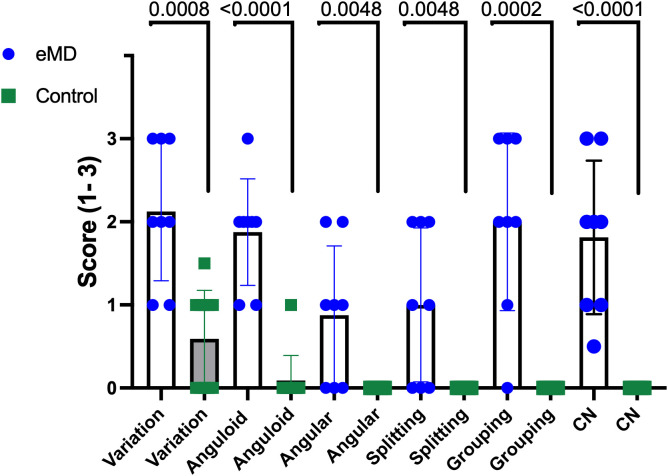 Figure 1
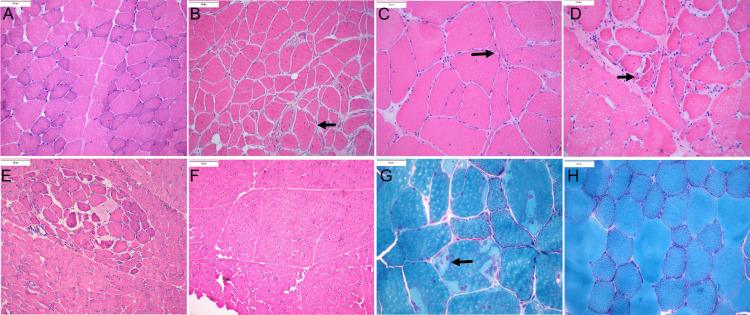 Figure 2
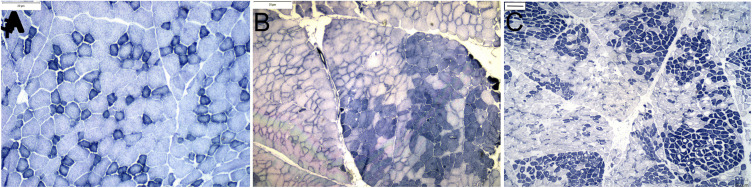 Figure 3
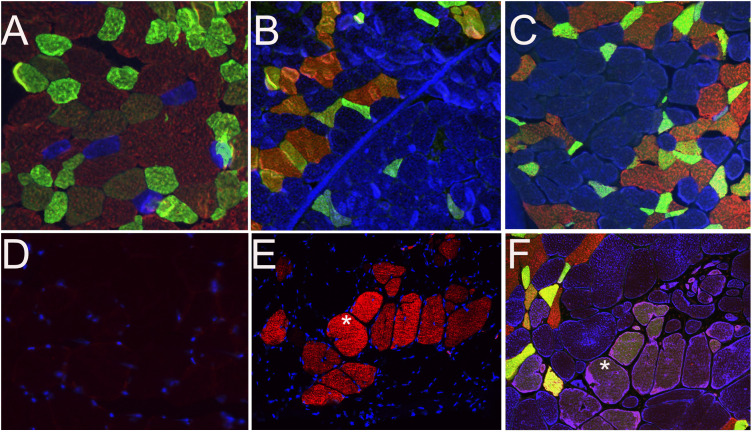 Figure 4
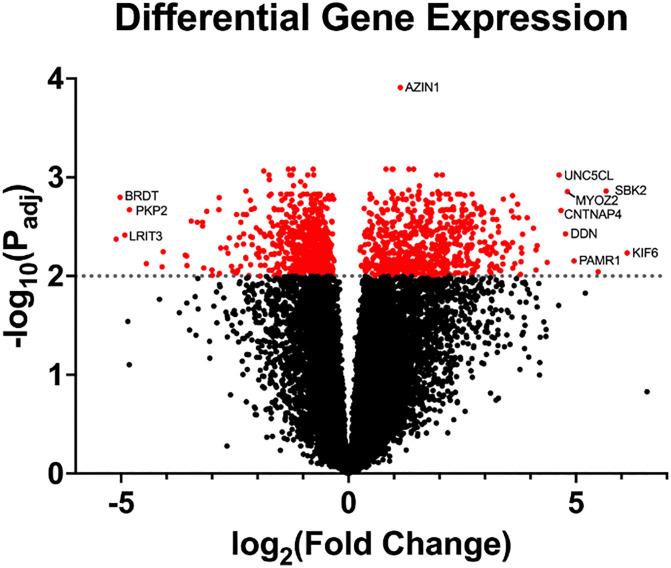 Figure 5
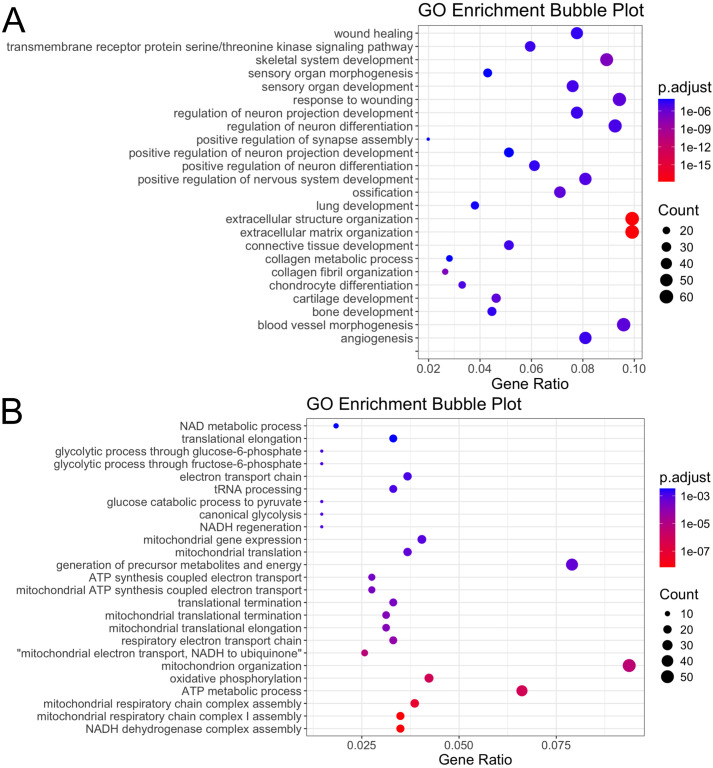 Figure 6
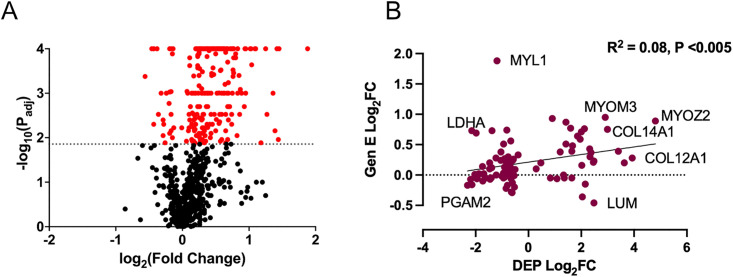 Figure 7
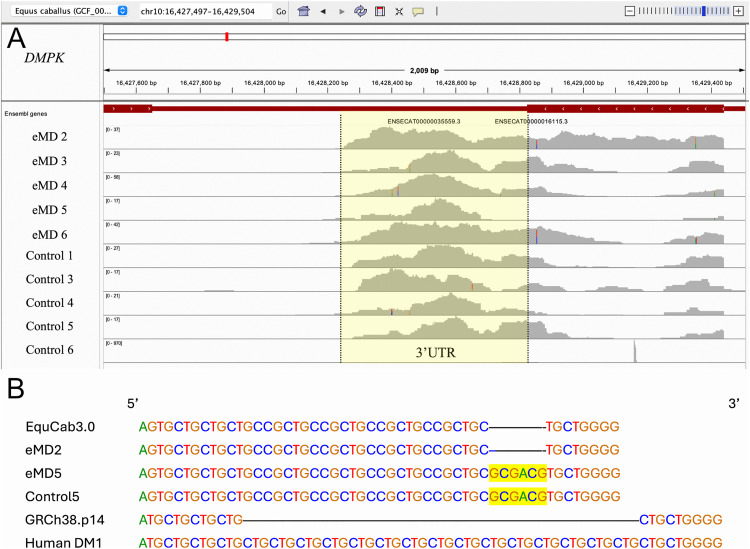 Figure 8
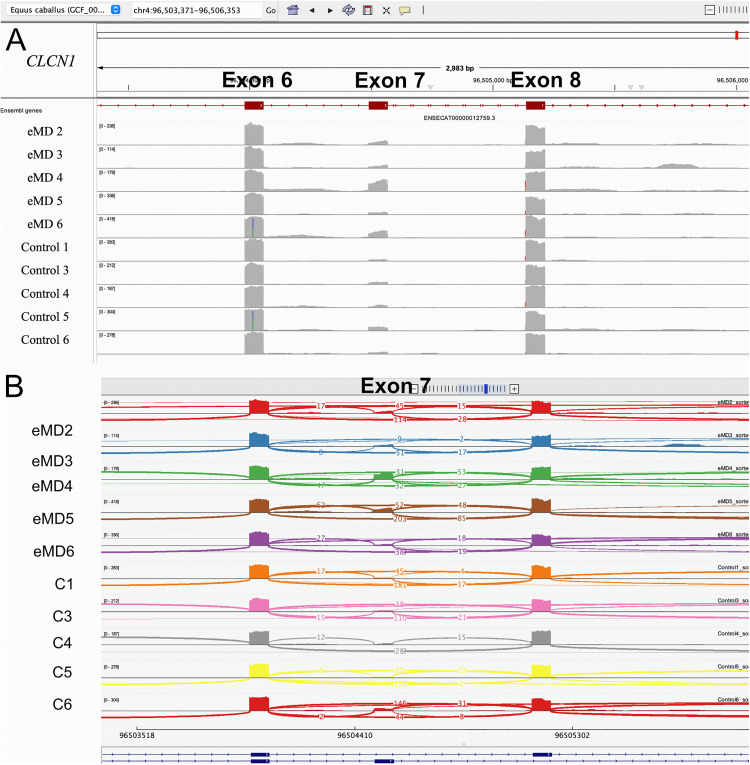 Figure 9
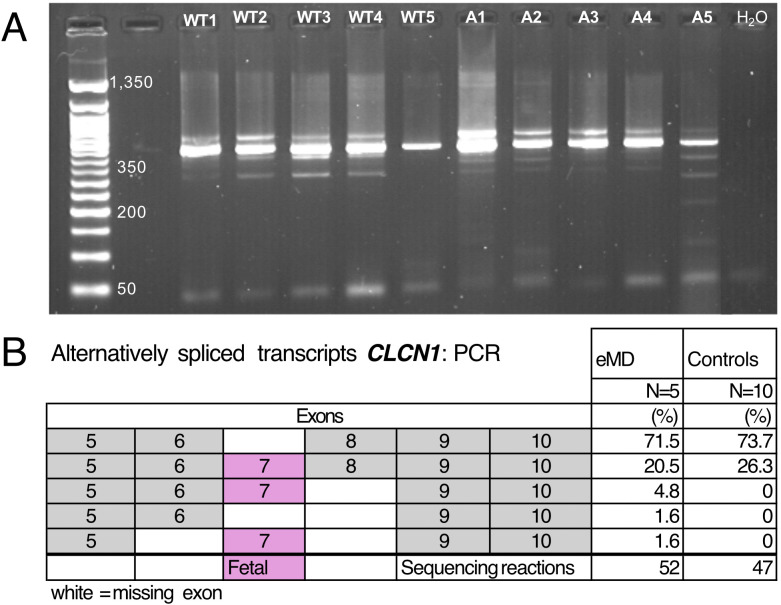 Figure 10
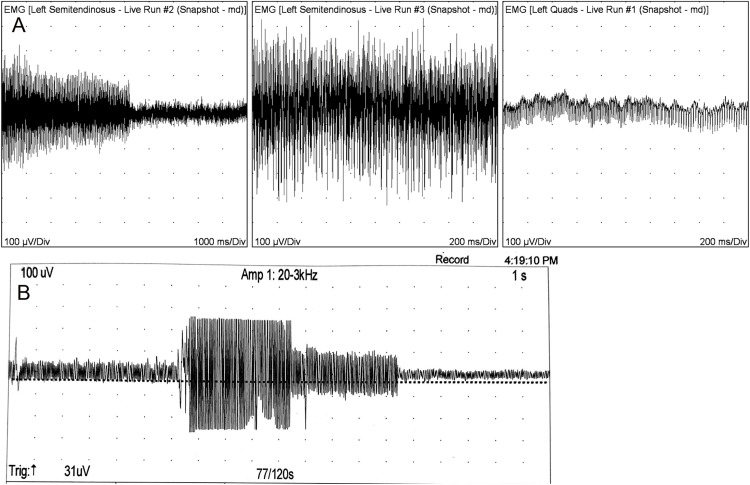 Figure 11
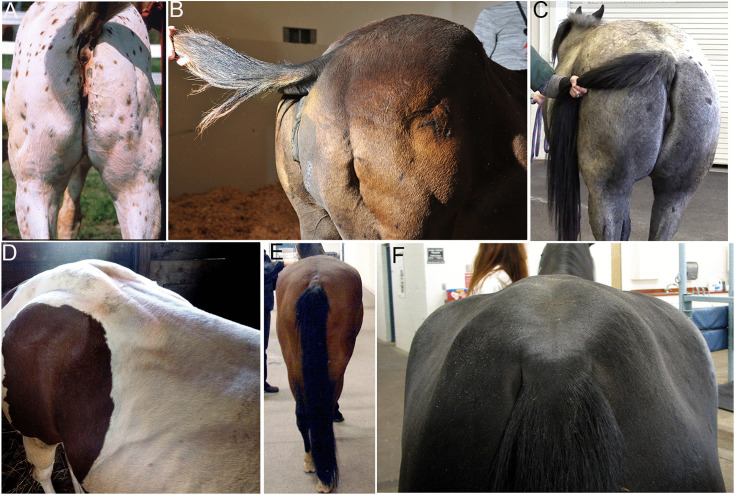 Figure 12
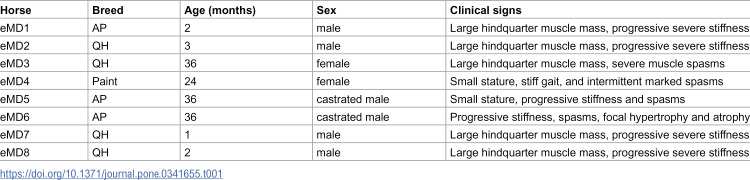 Figure 13
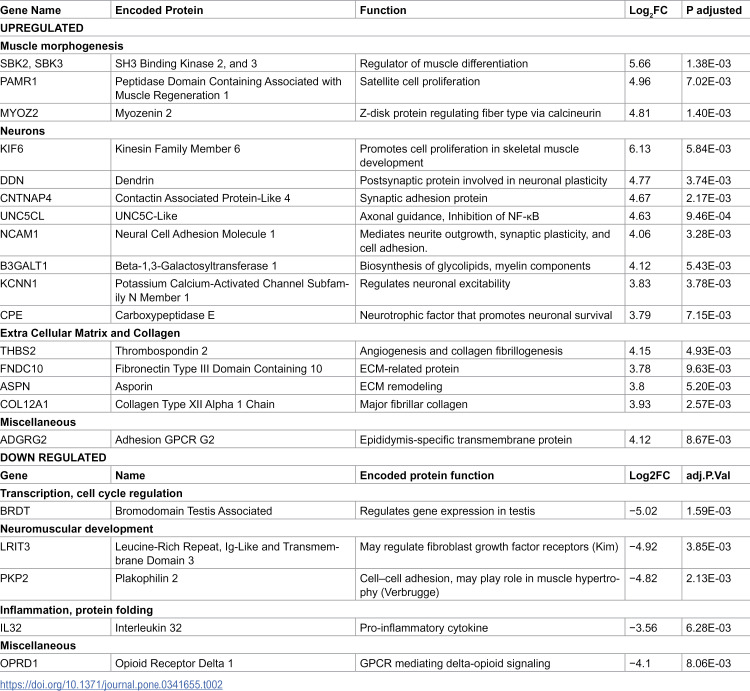 Figure 14
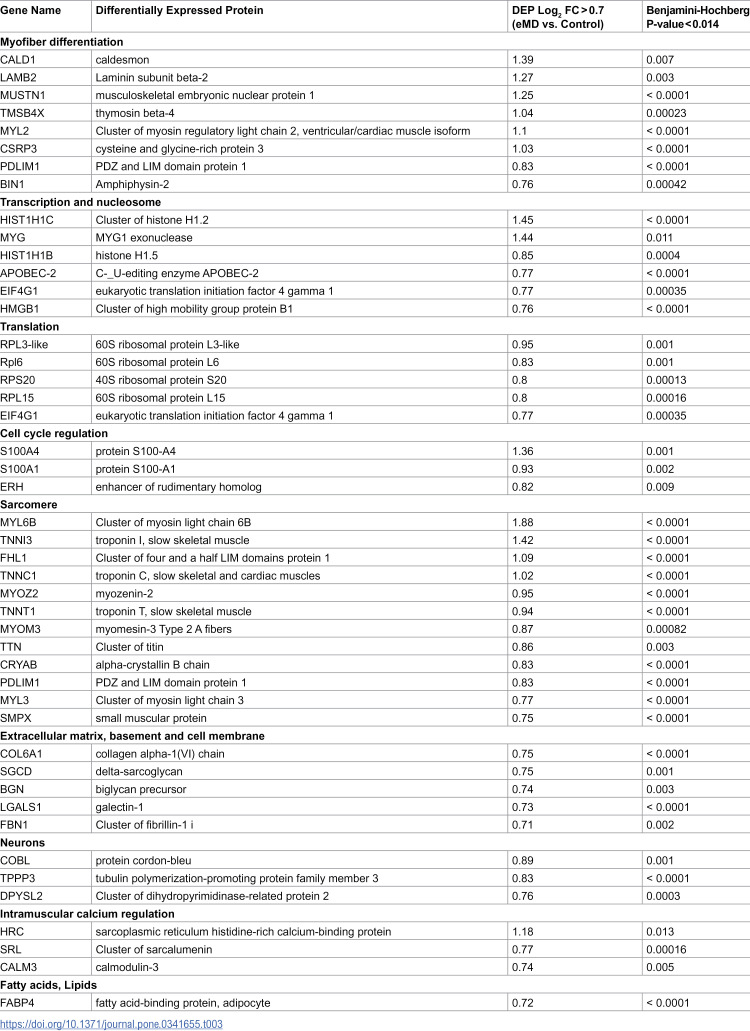 Figure 15
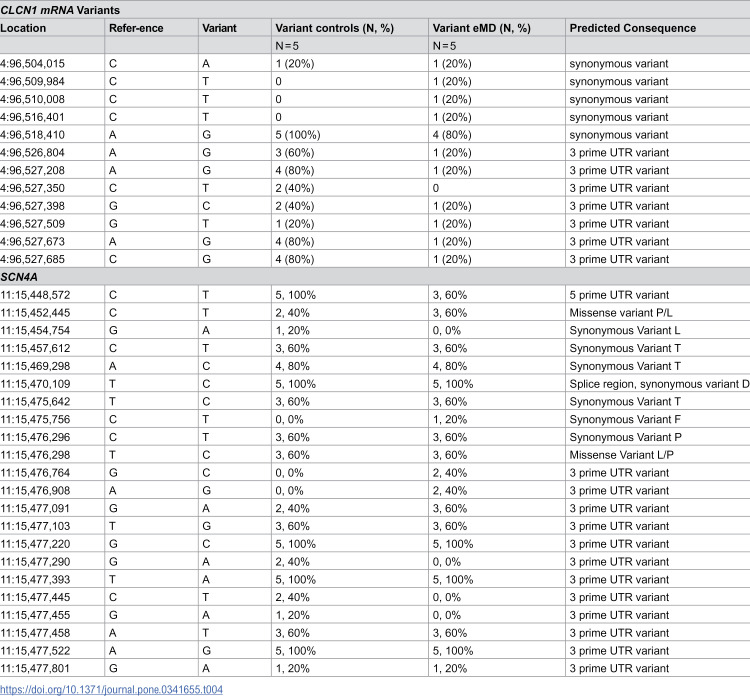 Figure 16
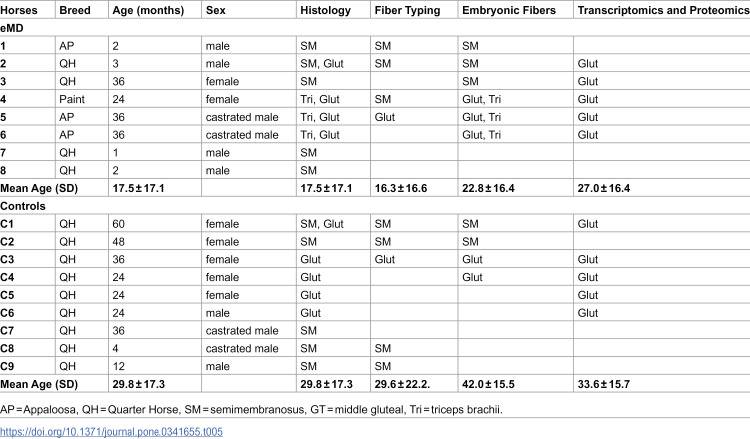 Figure 17
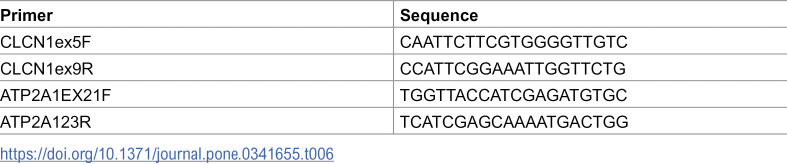 Figure 18
Peer Reviews
No public reviews on file for this paper yet. If you reviewed it on a platform where reviews are public (OpenReview, ICLR, NeurIPS, ICML), you can paste yours below so the community can read it here.
Videos
No videos yet. Explain this paper in a talk, walkthrough, or lecture? Add one.
Taxonomy
TopicsGenetic Neurodegenerative Diseases · Amyotrophic Lateral Sclerosis Research · Biochemical and Molecular Research