“My childhood affected my ability to be resilient in both good and bad ways”: A mixed methods examination on the links between adverse childhood experiences, resilience, and transactional sex among young South African women
Deborah Baron, Nisha Gottfredson O’Shea, Alexandra Lightfoot, Caroline Kuo, Sheri Lippman, F. Xavier Gómez-Olivé, Kathleen Kahn, Audrey Pettifor, Suzanne Maman

TL;DR
This study explores how childhood trauma affects resilience and transactional sex among young South African women, finding that resilience plays a complex role in their lives.
Contribution
The study uniquely combines quantitative analysis with photovoice narratives to examine resilience in the context of adverse childhood experiences and transactional sex.
Findings
Women with more adverse childhood experiences had significantly higher odds of engaging in transactional sex.
Resilience measures did not statistically moderate the relationship between adverse childhood experiences and transactional sex.
Photovoice narratives revealed that resilience was perceived as both a protective and enabling factor in transactional sex relationships.
Abstract
South African women are disproportionately impacted by HIV. Among these women, adverse childhood experiences (ACEs) are common and have been linked to HIV risk behaviors, including transactional sex (TS). Resilience—or multi-level processes related to overcoming adversity—provides a strengths-based lens that may buffer effects between ACEs and TS. We conducted a convergent mixed methods study among women aged 18–25 years in Mpumalanga, South Africa. We used logistic regression to assess the association between ACEs and TS; and tested moderation effects of five resilience scales across social-ecological levels hypothesized to dampen the effect of ACEs on TS. In parallel, we conducted a photovoice study that utilized participant-generated images and narratives, and thematic and sequence analysis to explore how women exposed to ACEs perceive and use resilience to navigate TS…
Genes, proteins, chemicals, diseases, species, mutations and cell lines named across the full text — each resolved to its canonical identifier and authoritative record.
Click any figure to enlarge with its caption.
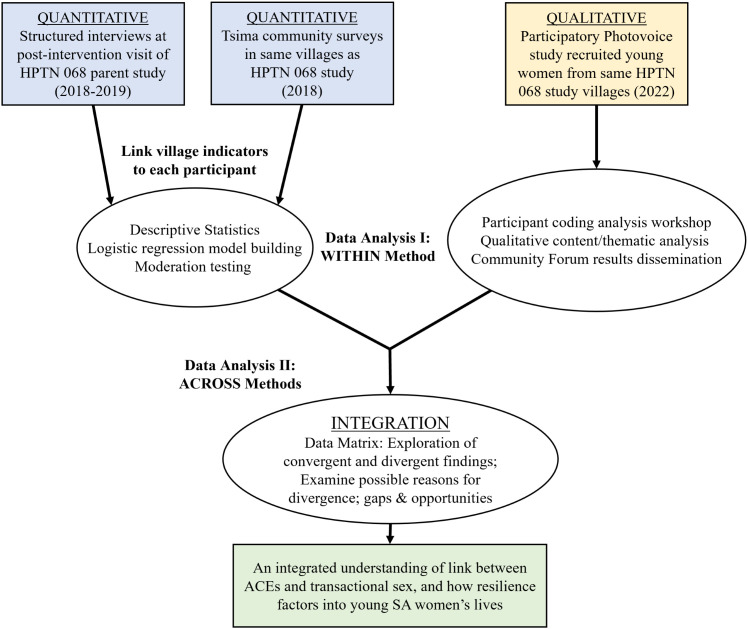 Figure 1
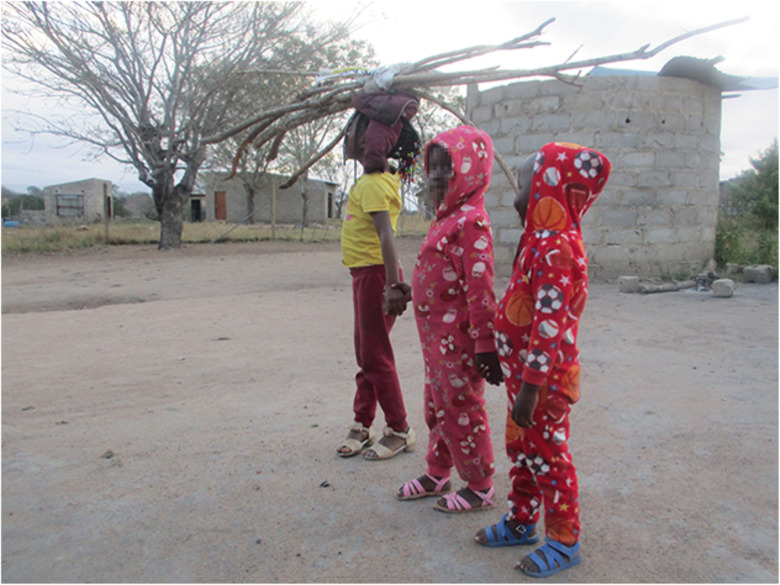 Figure 2
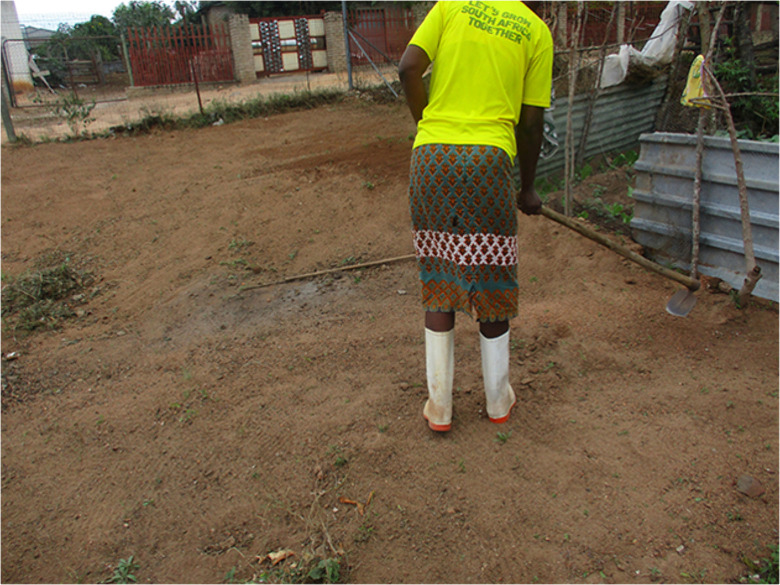 Figure 3
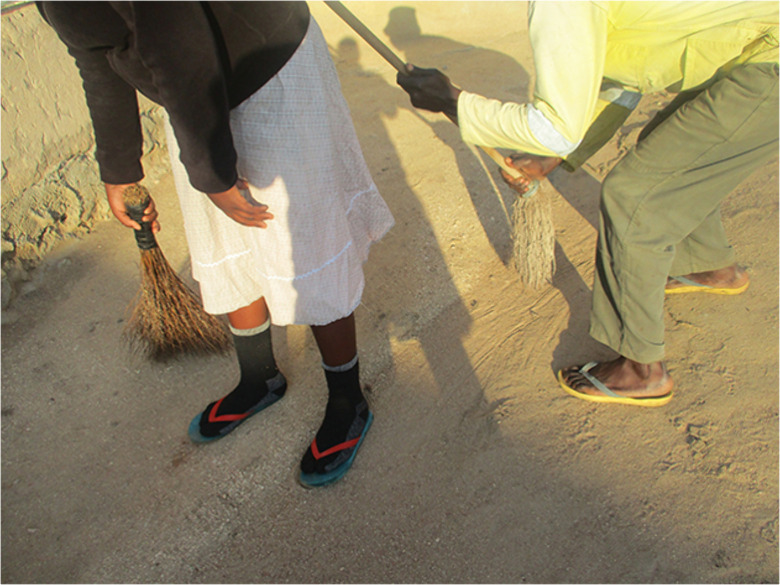 Figure 4
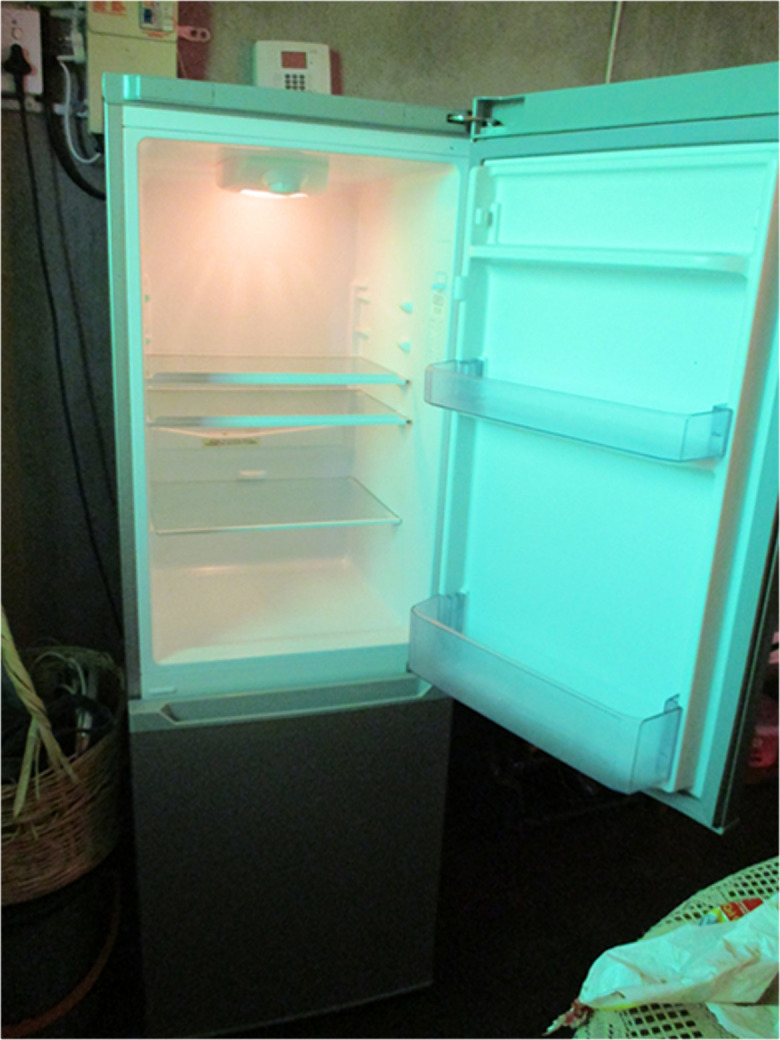 Figure 5
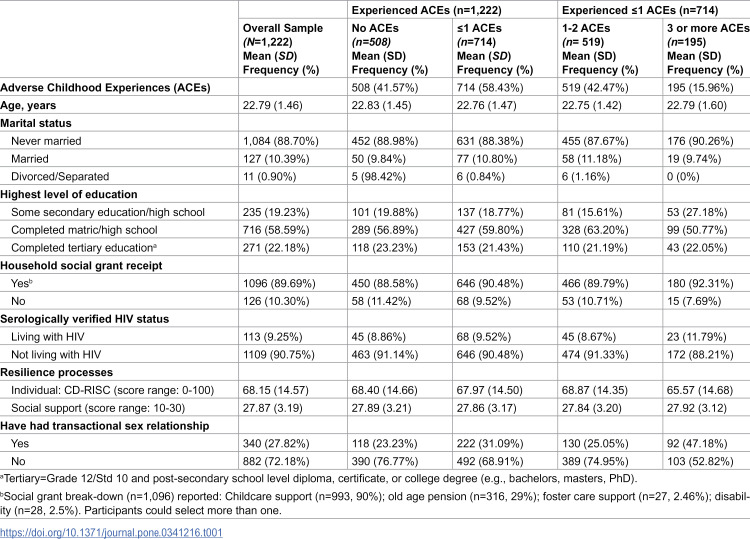 Figure 6
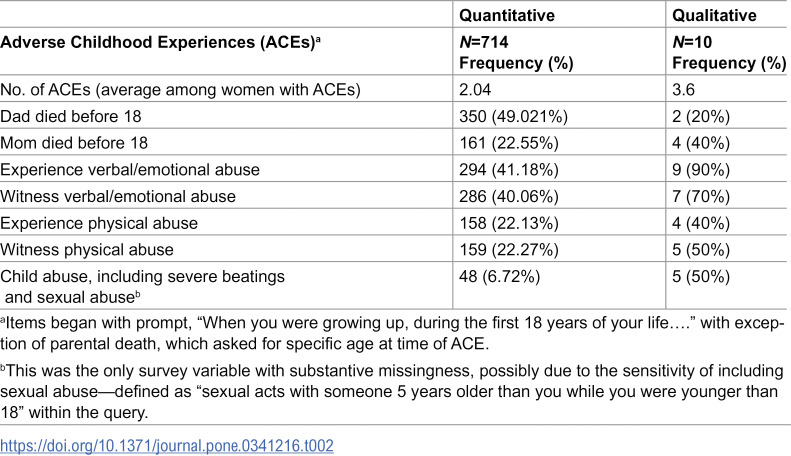 Figure 7
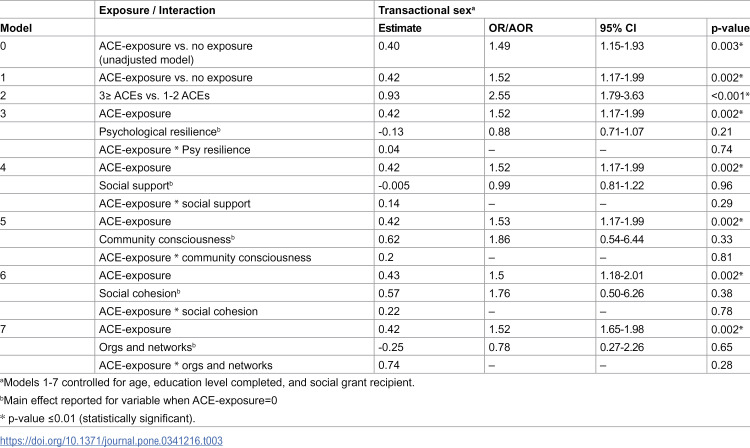 Figure 8
Peer Reviews
No public reviews on file for this paper yet. If you reviewed it on a platform where reviews are public (OpenReview, ICLR, NeurIPS, ICML), you can paste yours below so the community can read it here.
Videos
No videos yet. Explain this paper in a talk, walkthrough, or lecture? Add one.
Taxonomy
TopicsChild Abuse and Trauma · Adolescent Sexual and Reproductive Health · HIV/AIDS Research and Interventions