Scientific opinion on the amendment of the specifications for vegetable carbon (E 153) as a food additive
Laurence Castle, Monica Andreassen, Gabriele Aquilina, Maria Lourdes Bastos, Polly Boon, Biagio Fallico, Rex FitzGerald, Maria Jose Frutos Fernandez, Bettina Grasl‐Kraupp, Ursula Gundert‐Remy, Rainer Gürtler, Eric Houdeau, Marcin Kurek, Henriqueta Louro, Patricia Morales

TL;DR
This paper evaluates new data on vegetable carbon (E 153) to update its safety specifications, focusing on impurities and particle characteristics.
Contribution
The paper provides updated safety assessments and recommends revised EU specifications for E 153 based on new analytical data.
Findings
Toxic element data supports revised EU limits for arsenic, cadmium, mercury, lead, and the introduction of an aluminium limit.
PAH4 and benzo[a]pyrene risk assessments suggest lowering current limits for these contaminants.
Particle data is insufficient for full characterisation, but nanoparticles are present and require nanoscale risk assessment.
Abstract
The food additive vegetable carbon (E 153) was re‐evaluated by the EFSA ANS Panel in 2012. During that re‐evaluation, data gaps were identified, in particular with respect to impurities and particle characterisation. Following a European Commission call for data to address these gaps, one interested business operator (IBO) submitted analytical data on toxic elements, polycyclic aromatic hydrocarbons (PAHs) and particle size distribution of commercial samples of E 153. The present opinion deals with the assessment of the data provided by the IBO in response to the European Commission call. Based on the analytical data provided, the Panel concluded that the information on toxic elements supports a revision of the current EU specification limits for arsenic, cadmium, mercury and lead, and the introduction of a limit for aluminium. Regarding PAHs, the Panel assessed the risks associated…
Genes, proteins, chemicals, diseases, species, mutations and cell lines named across the full text — each resolved to its canonical identifier and authoritative record.
Click any figure to enlarge with its caption.
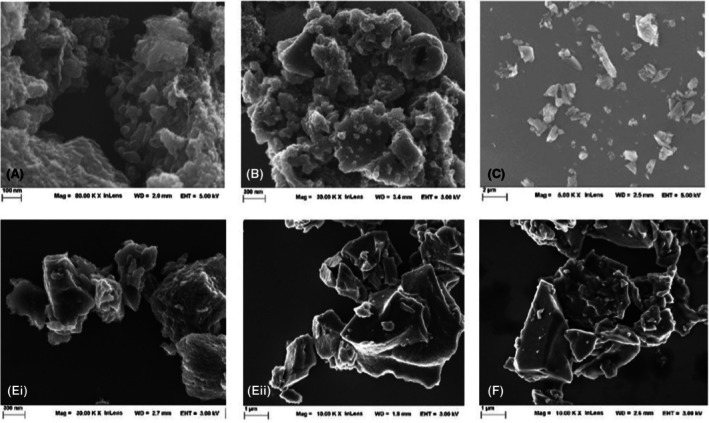 FIGURE 1
| Commission Regulation (EU) No 231/2012 | |
|---|---|
|
| Vegetable black |
|
| Vegetable activated carbon is produced by the carbonisation of vegetable material such as wood, cellulose residues, peat and coconut and other shells. The activated carbon thus produced is milled by a roller mill and the resulting highly activated powdered carbon is treated by a cyclone. The fine fraction from the cyclone is purified by hydrochloric acid washing, neutralised and then dried. The resulting product is what is known traditionally as vegetable black. Products with a higher colouring power are produced from the fine fraction by a further cyclone treatment or by extra milling, followed by acid washing, neutralising and drying. It consists essentially of finely divided carbon. It may contain minor amounts of nitrogen, hydrogen and oxygen. Some moisture may be adsorbed on the product after manufacture. |
| Colour Index No. | 77266 |
| Einecs | 231‐153‐3 |
| Chemical Name | Carbon |
| Chemical Formula | C |
| Atomic weight | 12.01 |
| Assay | Content not less than 95% of carbon calculated on an anhydrous and ash‐free basis |
| Loss on Drying | Not more than 12% (120°C 4 h) |
|
| Black, odourless powder |
|
| |
| Solubility | Insoluble in water and organic solvents |
| Burning | When heated to redness it burns slowly without a flame |
|
| |
| Ash (total) | Not more than 4.0% (ignition temperature: 625°C) |
| Arsenic | Not more than 3 mg/kg |
| Lead | Not more than 2 mg/kg |
| Mercury | Not more than 1 mg/kg |
| Cadmium | Not more than 1 mg/kg |
| Polycyclic aromatic hydrocarbons | Benzo(a)pyrene less than 50 μg/kg in the extract obtained by extraction of 1 g of the product with 10 g pure cyclohexane in a continuous extraction |
| Alkali soluble matte | The filtrate obtained by boiling 2 g of the sample with 20 mL N sodium hydroxide and filtering shall be colourless |
| Element | Technique | No of samples analysed | Non‐quantified reported values in mg/kg (number of samples) | Quantified reported values in mg/kg (number of samples) | IBO proposal for limits of toxic elements |
|---|---|---|---|---|---|
|
| ICP‐MS | 260 |
< LOQ (0.025) (42) < 0.1 (7) < 0.5 (1) < 1 (33) | 0.029–0.46 (177) | 1 mg//kg |
| ICP‐OES | 3 | ND (2) | 1.53 (1) | ||
| GF‐AAS | 10 | – | 0.17–0.43 (10) | ||
| Not reported | 5 | – | 0.03–0.37 (5) | ||
|
| ICP‐MS | 41 |
< 0.5 (1) < 1 (2) | 0.3–1.6 (38) | 2 mg/kg |
| ICP‐OES | 3 | – | 0.00024–0.00051 (3) | ||
| GF‐AAS | 10 | – | 0.2–1.3 (10) | ||
| HG‐AAS | 219 | < LOQ (0.3) (196) | 0.4–1.1 (23) | ||
| Not reported | 5 | – | 0.15–0.82 (5) | ||
|
| ICP‐MS | 40 |
< 0.025 (1) < 0.05 (1) < 0.1 (32) | 0.001–0.004 (6) | 0.5 mg/kg |
| ICP‐OES | 3 | ND (3) | – | ||
| GF‐AAS | 10 | < 0.005 (10) | – | ||
| HG‐AAS | 216 | < LOQ (0.3) (216) | – | ||
| Not reported | 5 | – | 0.005–0.01 (5) | ||
|
| ICP‐MS | 41 |
< 0.1 (38) < 0.25 (1) < 0.5 (2) | – | 1 mg/kg |
| ICP‐OES | 3 | ND (2) | 0.13 (1) | ||
| GF‐AAS | 10 | < 0.01 (4) | 0.01–0.02 (6) | ||
| AAS | 219 | < LOQ (1) (219) | |||
| Not reported | 5 | – | 0.05–0.13 (5) | ||
|
| ICP‐MS | 36 | – | 115–790 (36) | 1000 mg/kg |
| ICP‐OES | 13 | – | 116–990 (13) | ||
| AAS | 16 | – | 21–112 (16) | ||
| Not reported | 5 | – | 19–309 (5) |
| Analyte | LOQ (μg/kg) | Minimum (μg/kg) | Maximum (μg/kg) |
|---|---|---|---|
| Benzo[c]fluorene | 0.090 | < LOQ | 0.146 |
|
|
|
|
|
| Cyclopenta[cd]pyrene | 0.110 | < LOQ | 2.826 |
|
|
|
|
|
| 5‐Methylchrysene | 0.053 | < LOQ | 7.312 |
|
|
|
|
|
| Benzo[k]fluoranthene | 0.020 | < LOQ | 23.468 |
| Benzo[j]fluoranthene | 0.020 | < LOQ | 42.101 |
|
|
|
|
|
| Indeno[1,2,3‐cd]pyrene | 0.090 | < LOQ | 61.038 |
| Dibenzo[a,h]anthracene | 0.037 | < LOQ | 118.863 |
| Benzo[ghi]perylene | 0.063 | < LOQ | 37.898 |
| Dibenzo[a,l]pyrene | 0.063 | < LOQ | 24.221 |
| Dibenzo[a,e]pyrene | 0.063 | < LOQ | 13.777 |
| Dibenzo[a, i]pyrene | 0.063 | < LOQ | 2.053 |
| Dibenzo[a,h]pyrene | 0.063 | < LOQ | 0.626 |
|
| – | 1.633 | 615.089 |
|
| – | 0.898 | 288.205 |
| No. companies | Benzo[a]pyrene | PAH4 |
|---|---|---|
| 3 | 5 μg/kg | 20 μg/kg |
| 1 | 20 μg/kg | 100 μg/kg |
| 1 | 10 or 20 μg/kg | 100 μg/kg |
| 1 | 10 or 20 μg/kg | 50 μg/kg |
| Sample | A | B | B | C | E(i) | E(ii) | F |
|---|---|---|---|---|---|---|---|
| Morphology as reported by the IBO | Only reported as ‘particles forming aggregates’ | Various morphologies, angular morphology and round morphology, ‘surface texture’ | Various morphologies (polyhedral), ‘surface texture’ | Angular morphology, ‘surface texture’ | Angular morphology | Platelet | Angular morphology |
| Mean particle size (nm) | 261 | 570 | 154 | 394 | 673 | 320 | 257 |
| D10 particle size (nm) | 113 | 126 | 49 | 140 | 82 | 69 | 63 |
| Median particle size (D50) (nm) | 211 | 310 | 113 | 311 | 410 | 150 | 183 |
| % of particles < 500 nm | 92 | 73 | 97 | 76 | 60 | 89 | 88 |
| % of particles < 250 nm | 66 | 55 | 88 | 46 | 42 | 82 | 73 |
| % of particles < 100 (nm) | 6% | 6 | not reported by the IBO | 4 | 12 | 24 | 24 |
| Minimum particle size (nm) | 57 | 53 | 16 | 46 | 20 | 32 | 30 |
| Maximum particle size (nm) | 1707 | 9758 | 883 | 2465 | 8696 | 5435 | 2449 |
| VSSA (m2/cm3) | 2374 | 2315 | 3108 | 3959 | 1863 | 464 | |
| Infants (12 weeks‐11 months) | Toddlers (12–35 months) | Children (3–9 years) | Adolescents (10–17 years) | Adults (18–64 years) | The elderly (≥ 65 years) | |
|---|---|---|---|---|---|---|
|
| ||||||
| Mean | 0.1–6.6 (14) | 2.5–29.5 (17) | 2.7–21.3 (21) | 0.9–8.2 (23) | 0.4–3.7 (23) | 0.1–3.5 (25) |
| 95th percentile | 0.2–34.7 (13) | 11.7–64.3 (16) | 11.4–59.6 (21) | 5.5–26.7 (22) | 2.1–12.7 (23) | 0.2–9.5 (24) |
| Impurity/constituent/HBGV/RP | Basis/reference |
|---|---|
| Lead (Pb)/0.5 mg/kg bw per day (BMDL01) |
The reference point is based on a study demonstrating perturbation of intellectual development in children with the critical response size of 1 point reduction in IQ. The EFSA CONTAM Panel mentioned that a 1 point reduction in IQ is related to a 4.5% increase in the risk of failure to graduate from high school and that a 1 point reduction in IQ in children can be associated with a decrease of later productivity of about 2%. A risk cannot be excluded if the exposure exceeds the BMDL01 (MOE lower than 1). EFSA CONTAM Panel ( |
| Inorganic mercury (iHg)/4 mg/kg bw per week (TWI) |
The HBGV was set using kidney weight changes in male rats as the pivotal effect. Based on the BMDL10 of 0.06 mg/kg bw per day, expressed as mercury, and an uncertainty factor of 100 to account for inter‐ and intra‐species differences, with conversion to a weekly basis and rounding to one significant figure, a TWI for inorganic mercury of 4 μg/kg bw per week, expressed as mercury was established. EFSA CONTAM Panel ( |
| Cadmium (Cd)/2.5 mg/kg bw per week (TWI) |
The derivation of the reference point is based on a meta‐analysis to evaluate the dose–response relationship between selected urinary cadmium and urinary beta‐2‐microglobulin as the biomarker of tubular damage recognised as the most useful biomarker in relation to tubular effects. A group‐based BMDL5 of 4 μg Cd/g creatinine for humans was derived. A chemical‐specific adjustment factor of 3.9 was applied to account for human variability in urinary cadmium within each dose‐subgroup in the analysis resulting in a reference point of 1.0 μg Cd per g creatinine. In order to remain below 1 μg Cd/g creatinine in urine in 95% of the population by age 50, the average daily dietary cadmium intake should not exceed 0.36 μg Cd/kg bw, corresponding to a weekly dietary intake of 2.5 μg Cd/kg bw. EFSA CONTAM Panel ( |
| Inorganic arsenic (iAs)/0.06 μg/kg bw per day (BMDL05) |
The reference point is based on a benchmark dose lower confidence limit (BMDL05) of 0.06 μg/kg bw per day identified for skin cancer. The reference point is considered to cover lung cancer, bladder cancer, skin lesions, ischaemic heart disease, chronic kidney disease, respiratory disease, spontaneous abortion, stillbirth, infant mortality and neurodevelopmental effects. An MOE of 1 would correspond to the exposure level that is associated with a 5% increase relative to the background incidence for skin cancer, based on the available data. An MOE of 1 raises a health concern. Because there are no precedents in EFSA for identification of an MOE of low concern, when using a BMDL derived from human cancer data the CONTAM Panel decided not to determine a value for an MOE of low concern. EFSA CONTAM Panel ( |
| Aluminium (Al)/1000 μg/kg bw per week (TWI) |
The HBGV is based on the combined evidence from several studies in mice, rats and dogs that used dietary administration of aluminium compounds. In these studies, the lowest no‐observed‐adverse‐effect levels (NOAELs) for effects of neurotoxicity, embriotoxicity and on testes, were reported at 30, 27, and 100, and for effects on the developing nervous system, between 10 and 42 mg aluminium/kg bw per day, respectively. Based on the combined evidence from the above‐mentioned studies, the EFSA AFC Panel established a TWI of 1000 μg Al/kg bw per week. EFSA ( |
| Benzo[a]pyrene/70 μg/kg bw per day (BMDL10) |
Benzo[a]pyrene is a genotoxic and carcinogenic polycyclic hydrocarbon (PAH). Since decades, it was considered as the indicator for PAHs. The reference point is based on a carcinogenicity study by Culp et al. ( EFSA ( |
| PAH4/340 μg/kg bw per day (BMDL10) |
The reference point is based on a carcinogenicity study by Culp et al. ( EFSA ( |
| Toxic elements concentrations in E 153 | Pb | As | Hg | Cd | Al |
|---|---|---|---|---|---|
| (i) Current limit in the EU specification for E 153 (mg/kg) | 2 | 3 | 1 | 1 | none |
| (ii) Limit as proposed by the IBO (mg/kg) | 1 | 2 | 0.5 | 1 | 1000 |
| (iii) Rounded up 90th percentile of the occurrence data (mg/kg) as calculated by the Panel | 1.0 | 0.8 | 0.1 | 0.2 | 550 |
| i) Considering the presence of toxic elements at the current EU specifications limits | |||||
|---|---|---|---|---|---|
| Exposure to E 153 (mg/kg bw/day) | MOE for Pb at 2 mg/kg | % of the TWI for Hg at 1 mg/kg | % of the TWI for Cd at 1 mg/kg | MOE for As at 3 mg/kg | % of the TWI for Al ‐ |
| 30 | 8 | 5% | 8% | < 1 | – |
| 64 | 4 | 11% | 18% | < 1 | – |
| MOE for benzo[a]pyrene considering that it is present at: | ||
|---|---|---|
|
|
|
|
| 30 | 46,667 | 116,667 |
| 64 | 21,875 | 54,688 |
|
| ||
|
|
|
|
| 30 | 566,667 | 113,333 |
| 64 | 265,625 | 53,125 |
Peer Reviews
No public reviews on file for this paper yet. If you reviewed it on a platform where reviews are public (OpenReview, ICLR, NeurIPS, ICML), you can paste yours below so the community can read it here.
Videos
No videos yet. Explain this paper in a talk, walkthrough, or lecture? Add one.
Taxonomy
TopicsAgricultural safety and regulations · Effects and risks of endocrine disrupting chemicals · Pesticide Residue Analysis and Safety
INTRODUCTION
1
The re‐evaluation of vegetable carbon (E 153) as a food additive was completed by EFSA in 2012 (EFSA ANS Panel, 2012b). The ANS Panel issued several recommendations regarding the specifications of the food additive.
The data gaps and uncertainties identified by the ANS Panel required a follow‐up by the European Commission by means of a call for additional data.1
As the scientific guidance in the field of nanoscience and nanotechnologies in food has evolved since the publication of the EFSA ANS Panel opinion in 2012, the European Commission call for data made explicit reference to the requirement for the analytical data on particle size and particle size distribution for the food additive vegetable carbon (E 153) to be in line with the then applicable ‘EFSA guidance on the risk assessment of the application of nanoscience and nanotechnologies in the food and feed chain: Part 1, human and animal health’ (EFSA Scientific Committee, 2018). The European Commission call for data, moreover, referred to the EFSA ‘Guidance on technical requirement for regulated food and feed product applications to establish the presence of small particles including nanoparticles’ (EFSA Scientific Committee, 2021a), in that moment still in public consultation stage, as a source of information to be considered.
The present opinion deals with the assessment of data provided by an interested business operator (IBO) in reply to the European Commission call for data and supporting an amendment of the EU specifications for vegetable carbon (E 153).
Background and Terms of Reference as provided by the requestor
1.1
Background
The use of food additives is regulated under the European Parliament and Council Regulation (EC) No. 1333/2008 on food additives.^1,^ 2 Only food additives that are included in the Union list, in particular in Annex II to that Regulation, may be placed on the market and used in foods under the conditions of use specified therein. Moreover, food additives shall comply with the specifications as referred to in Article 14 of that Regulation and laid down in Commission Regulation (EU) No 231/2012.3
Vegetable carbon (E 153) is authorised for use as a food additive in the Union. Since vegetable carbon (E 153) was permitted in the Union before 20 January 2009, it belongs to the group of food additives which are subject to a new risk assessment by the European Food Safety Authority (EFSA), according to Commission Regulation (EU) No 257/2010,4 and in line with the provisions of Regulation (EC) No 1333/2008.
EFSA completed the re‐evaluation of vegetable carbon (E 153) as a food additive and published a scientific opinion on 27 April 2012.5 In that opinion, EFSA concluded that vegetable carbon (E 153) at the reported uses and use levels is not of safety concern. However, EFSA made some recommendations concerning the specifications for E 153.
Consequently, the European Commission published on 15 December 2020 a call for data^1^ requesting business operators to submit data addressing the recommendations from the EFSA re‐evaluation of vegetable carbon (E 153) as a food additive. In particular, the call for data requested:
- Data on impurities such as toxic elements and PAHs;
- Data on particle size and particle size distribution for the food additive vegetable carbon (E 153). The call specified that the data on particle size and particle size distribution had to be in line with the ‘EFSA guidance on the risk assessment of the application of nanoscience and nanotechnologies in the food and feed chain: Part 1, human and animal health’.6 In addition, the call mentioned that the latest indications from the EFSA ‘Draft Guidance on technical requirements for regulated food and feed product applications to establish the presence of small particles including nanoparticles’, published in July 2020 for public consultation,7 may be considered. However, the final Guidance on technical requirements8 only became available in August 2021.
Terms of reference
In accordance with Article 29(1)(a) of Regulation (EC) No 178/2002,^9^ the European Commission requests the European Food Safety Authority (EFSA) to provide a scientific opinion
- to confirm that the technical data provided by IBOs adequately support an amendment of the specifications of the food additive vegetable carbon (E 153) in line with the recommendations made by EFSA during the re‐evaluation of the safety of this food additive;
- in line with the EFSA ‘Guidance on technical requirements for regulated food and feed product applications to establish the presence of small particles including nanoparticles’, EFSA should also consider whether or not the material, or a fraction of it, does require specific assessment of properties at the nanoscale.
Background information
1.2
Summary of the EFSA re‐evaluation of vegetable carbon (E 153) used as a food additive
1.2.1
Vegetable carbon (E 153) was re‐evaluated by the EFSA ANS Panel (EFSA ANS Panel, 2012a) in the frame of Regulation (EU) No. 257/2010. In its opinion, the ANS Panel noted that ‘the available toxicological database on vegetable carbon is sparse’ and therefore considered that it could not derive an acceptable daily intake (ADI). The Panel, however, concluded that vegetable carbon (E 153) at the reported uses and use levels was not of safety concern considering:
-
the lack of absorption of vegetable carbon in the gastrointestinal tract;
-
the consideration that vegetable carbon is not of concern with respect to genotoxicity and carcinogenicity, provided that the material of commerce contains less than 1.0 μg/kg of residual carcinogenic PAHs expressed as benzo[a]pyrene, using a validated analytical method of appropriate sensitivity;
-
the history of safe use in medicine showing the absence of toxicologically relevant effects upon exposure to vegetable carbon or comparable carbon preparations for pharmaceutical use at levels 18–300 times higher than the mean estimated dietary exposure to vegetable carbon resulting from its use as a food colour;
-
the margins of exposure for PAHs resulting from the use of vegetable carbon as a food colour that are much greater than those estimated for PAHs from the diet. The EFSA ANS Panel (2012a) did not issue recommendations; however, it noted that specifications for the food additive may need to be amended to include:
-
a requirement for residual carcinogenic PAHs expressed as benzo[a]pyrene using a validated analytical method of appropriate sensitivity (e.g. with a limit of detection (LOD) of 0.1 μg/kg);
-
a maximum limit of aluminium and revision of the existing one for lead;
-
a restriction of the particle size (below 100 nm) in order to exclude the presence of nanoparticles. In this respect, the ANS Panel further considered that should the particle size distribution of vegetable carbon change appreciably to include a significant content of particles below 275 nm, its use as a food additive would require re‐evaluation.
Other scientific assessments
1.2.2
Information from the assessment of activated carbon (EFSA CEF Panel, 2014) and carbon black (SCCS, 2015) in the EU after the EFSA re‐evaluation of vegetable carbon (E 153) (EFSA ANS Panel, 2012a) is presented in Appendix A.
METHODOLOGIES AND DATA
2
Methodologies
2.1
This opinion was formulated following the principles described in the EFSA Guidance of the Scientific Committee on transparency with regard to scientific aspects of risk assessment (EFSA Scientific Committee, 2009) and following the relevant existing Guidance documents from the EFSA Scientific Committee. The current ‘Guidance for submission for food additive evaluation’ (EFSA ANS Panel, 2012b) has also been followed.
Terms and definitions related to nanomaterials used in this document are as described by the European Commission's Joint Research Centre (Rauscher et al., 2023).
The Panel noted that, in the data submitted, the IBO used various terms to describe the morphology of vegetable carbon particles (Data provided to EFSA No. 2). According to ECHA Guidance (ECHA, 2022), particles with one external dimension that is significantly smaller than the other two external dimensions and for which the smaller external dimension is the thickness of the particle fall under the shape category ‘platelets’. Examples of shapes covered under this category are discs, plates, etc. Particles with an aspect ratio of up to 3:1 and thus approximately ‘equiaxial’ particles fall under the ‘spheroidal’ shape category. Shapes included in this category are, for example, spherical, pyramidal, cubic, polyhedral, etc. For the sake of harmonisation and clarity, the Panel used the ECHA terminology for the shape of nanoparticles (ECHA, 2022) to describe the morphology of E 153 particles in this assessment. However, when presenting data as originally submitted, the terminology used by the IBO has been retained.
To address the proposed revision of the specifications with respect to the limits of impurities (toxic elements and PAHs), and taking into account the changes in the methodology applied to the calculation of dietary exposure since the last assessment of 2012, the Panel considered it appropriate to update the dietary exposure to vegetable carbon (E 153). Furthermore, the food consumption data gathered by EFSA have also substantially changed since the time of the re‐evaluation of E 153 in 2012.
The methodology to assess the dietary exposure is described in the 2017 ANS Panel statement on the ‘Approach followed for the refined exposure assessment as part of the safety assessment of food additives under re‐evaluation’ (EFSA ANS Panel, 2017) and in the EFSA Guidance ‘Use of the EFSA Comprehensive European Food Consumption Database in Exposure Assessment’ (EFSA, 2011). In addition, to calculate the dietary exposure to food additives, nomenclature from the FoodEx2 classification system (EFSA, 2015) was linked to the food categorisation system of Annex II to Regulation (EC) No 1333/2008, part D.
Uncertainties in the exposure assessment were identified and discussed (see Section 3.5.4).
Data
2.2
The Panel based its assessment on:
- Information submitted by an IBO in response to the public call for data issued by the European Commission (Documentation provided to EFSA No. 1) and additional information provided during the assessment process in response to follow‐up requests from EFSA (Documentation provided to EFSA No. 2, 3). Clarifications on the data submitted by the IBO were also provided in a technical hearing held on 19 March 20259 during the 17th meeting of the FAF Panel Working Group on Food Additives Re‐evaluation and Follow‐up.
- Food consumption data from the EFSA Comprehensive European Food Consumption Database (Comprehensive Database10) and use levels in different food categories as reported in the 2012 ANS Panel opinion (EFSA ANS Panel, 2012a, 2012b), which were used to estimate the dietary exposure to vegetable carbon (E 153).
- Information from Mintel's Global New Products Database (GNPD)11 to identify the use of vegetable carbon (E 153) in food and beverage products and food supplements.
ASSESSMENT
3
Identity and specifications
3.1
Specifications for vegetable carbon (E 153) have been defined in Commission Regulation (EU) No. 231/2012 as described in Table 1.
Technical data submitted in response to the call for data
3.2
The following was requested in the European Commission call for data:12
- Analytical data, if possible supported by certificate of analysis, on current levels of aluminium, arsenic, lead, mercury and cadmium in commercial samples of the food additive;
- The lowest technologically achievable level for aluminium, arsenic, lead, mercury and cadmium in order to adequately propose maximum limits in the specifications;
- Analytical data, if possible supported by certificate of analysis, on current levels of benz[a]anthracene, benzo[b]fluoranthene, benzo[j]fluoranthene, benzo[k]fluoranthene, benzo[ghi]perylene, benzo[a]pyrene, chrysene, cyclopenta[cd]pyrene, dibenz[a,h]anthracene, dibenzo[a,e]pyrene, dibenzo[a,h]pyrene, dibenzo[a, i]pyrene, dibenzo[a,l]pyrene, indeno[1,2,3‐cd]pyrene, 5‐methylchrysene and benzo[c]fluorene in commercial samples of the food additive, using a validated analytical method, preferably based on mass spectrometry, of appropriate sensitivity (LOD of 0.1 μg/kg per individual PAH);
- The lowest technologically achievable level for the above‐listed 16 priority PAHs in order to adequately propose maximum limits in the specifications at least for benzo(a)pyrene, as well as for the sum of benzo(a)pyrene, benz(a)anthracene, benzo(b)fluoranthene and chrysene (PAH4);
- Detailed and comprehensive proposed specifications for the characterisation of the fraction of nanoparticles present in the food additive vegetable carbon (E 153) should be submitted. Information on particle size and particle size distribution for the food additive vegetable carbon (E 153) supported by analytical data, in line with the ‘EFSA guidance on the risk assessment of the application of nanoscience and nanotechnologies in the food and feed chain: Part 1, human and animal health’, is requested. In addition, the latest indications from the EFSA ‘Draft Guidance on technical requirement for regulated food and feed product applications to establish the presence of small particles including nanoparticles’, published recently for public consultation, may be considered. The information provided should allow the establishment of parameters in the EU specifications for vegetable carbon (E 153) that fully characterise the material used as a food additive. Data on different commercialised products of E 153 have been submitted to EFSA on behalf of an IBO being an association of natural food colours producers (NATCOL); six companies generated the data.
The Panel noted that all analysed samples were activated vegetable carbon.
Characterisation of E 153
3.2.1
The IBO reported that vegetable carbon is an amorphous solid material without any crystalline structure, indicating that this is ‘a property it shares with all other steam activated carbons’ (Documentation provided to EFSA n. 2).
Manufacturing process
3.2.2
The IBO provided a description of the manufacturing process of six products of vegetable carbon (E 153) (A, B, C, E(i), E(ii), F) provided by five companies (Documentation provided to EFSA No. 2). The IBO reported that vegetable carbon (E 153) is manufactured from a broad range of lignin/cellulose‐rich starting materials such as wood (e.g. pine, oak), coconut shells, bamboo, peat and pulverised wood in pellet form.
The IBO explained that the first step consists of the carbonisation of the starting material; the resulting charcoal is subjected to various steps, but the sequence of them may differ from one manufacturing process to another. These steps include granulation/grinding/ultra‐grinding, steam activation, washing with hydrochloric acid, neutralisation and drying. An additional grinding step may be included before or after drying. Carbonisation conditions will depend on the starting material and may vary with respect to temperature (450–1300°C, based on information provided by three companies) and time (range not specified).
The IBO further explained that some companies also purchase already carbonised material. Steam activation conditions are generally at temperatures above 800°C lasting for one to several hours. Activation may also be achieved by treatment with phosphoric acid. The washing step always uses hydrochloric acid. In most cases, neutralisation is performed washing with water, though sodium‐based neutralising agents in water may be used. Grinding is done with appropriate mills, in distinct steps to achieve the ultrafine particle size required. The IBO explained that drying conditions are not always specified by the manufacturers but will assure that the final material is a ‘fine and dry powder’ (Documentation provided to EFSA n. 2).
Impurities
3.2.3
Toxic elements
The IBO submitted information on results of the analysis of lead (Pb), arsenic (As), mercury (Hg), cadmium (Cd) and aluminium (Al) in samples of E 153 from six companies (samples from one company accounted for 78% of the data) (Documentation provided to EFSA No. 1). The analyses were performed with different analytical techniques including inductively coupled plasma mass spectrometry (ICP‐MS), inductively coupled plasma‐optical emission spectrometry (ICP‐OES) and atomic absorption spectroscopy (AAS), and with different sample preparation methods. The Panel noted that the provided information did not allow to differentiate the separate effects (if any) of analytical techniques and extraction methods (e.g. hydrochloric acid, nitric acid, sulfuric acid) on the results. For the majority of the measurements, no LOD and/or limit of quantification (LOQ) was provided.
The summary of the analysis is reported in Table 2. Values reported as below ‘<’ a certain value were assumed to be a reporting limit where no LOQ value was provided.
The Panel noted that the LOQ of 1 mg/kg reported for Cd is not adequate to support any proposed revised maximum limits in the specifications as this value equals the current limit set for Cd in the EU specifications for E 153.
The Panel considered one set of values reported for As (0.00024–0.00051 mg/kg) as not reliable since they are too low for the sensitivity of the analytical technique employed for the analysis (ICP‐OES).
The IBO provided a proposal for the maximum limits of toxic elements in vegetable carbon (E 153) as presented in table. The IBO stated that the presence of the inorganic impurities in vegetable carbon (E 153) depends on their levels in the starting material. According to the IBO, the presence of inorganic impurities can be reduced during, e.g. acid washing (hydrochloric acid); however, not all impurities can be removed to the same extent (Documentation provided to EFSA No.1). The Panel noted that no data were provided to support this statement.
The Panel noted that the highest aluminium level (990 mg/kg) is close to the IBO's proposed limit of 1000 mg/kg and that the highest lead level (1.53 mg/kg) exceeds the proposed limit of 1 mg/kg.
PAHs
In line with the call for data, the IBO provided information on the results of the analysis of 16 individual PAHs in 22 samples of E 153 from six companies (Documentation provided to EFSA No. 1). All samples were analysed in the same laboratory with the same method following the same sample preparation (extraction with toluene). The content of PAHs was determined by applying the Grimmer method which is based on a stable isotope dilution (using up to 10 deuterated PAHs and indeno[1,2,3‐cd]fluoranthene as internal standards) and performing the final instrumental quantification by gas chromatography–mass spectrometry in selected ion monitoring mode GC–MS(SIM) (Biu‐Grimmer et al., 1997).
The results among the samples vary widely with in general over two orders of magnitude between minimum and maximum levels reported and up to four orders of magnitude for some specific PAHs. The Panel noted that all 22 analysed samples comply with the current maximum level 50 μg/kg set in the EU specifications for E 153 for benzo[a]pyrene.
The companies represented by the IBO proposed different maximum limits for benzo[a]pyrene and PAH4 in the specifications for E 153 as summarised in Table 4 (Documentation provided to EFSA No. 1). The IBO further explained that there is a significant difference in the levels of PAHs between products from the same company and between companies.
The Panel noted that, based on the data provided, four out of 22 analysed samples exceeded (at 116–288 μg/kg) the highest limit proposed for the sum of PAH4 (i.e. 100 μg/kg), and one of these four samples also exceeded (at 37 μg/kg) the highest limit proposed for benzo(a)pyrene (i.e. 20 μg/kg).
Particle size distribution and morphology
3.2.4
In response to the European Commission call for data, the IBO provided information on the particle size distribution of nine samples provided by five companies (A, B, C, D, E), measured by laser diffraction (LD) (Documentation provided to EFSA No. 1). The Panel noted that the LD method is not considered suitable to investigate the presence of nanosized particles as this method does not allow to accurately measure the size of the constituent particles as required by the Guidance on Particle‐TR (EFSA Scientific Committee, 2021a) and Guidance on nano RA (EFSA Scientific Committee, 2018, 2021b) and is prone to bias for polydisperse materials, undersampling the small particles (Mech, Rauscher, et al., 2020; Mech, Wohlleben, et al., 2020; Rauscher et al., 2019).
In response to a request for additional data in line with the requirements of the Guidance on Particle‐TR (EFSA Scientific Committee, 2021a), the IBO provided information on particle size and morphology of six different products of vegetable carbon used as E 153, provided by five companies (A, B, C, E, F), based on quantitative SEM analysis. The method of analysis was described; quantitative data on particle size were provided and statistical analyses performed (Documentation provided to EFSA No. 2). The SEM analysis was complemented with energy‐dispersive X‐ray (EDX) spectroscopy, confirming that the particles visualised in the electron micrograph contained carbon and a minimal amount of oxygen (Documentation provided to EFSA n. 2).
Samples were quantitatively analysed after dispersion in isopropanol. The IBO stated that all the analysed dispersions were sonicated (Documentation provided to EFSA No. 3). However, the Panel noted that this information was specified in the laboratory reports for only two samples (see Table 5) (Documentation provided to EFSA No. 2). In addition, one sample was also analysed after dispersion in neutral water using bath sonication (Documentation provided to EFSA No. 2). No replicates were performed.
Data on the minimal external dimension, measured as the minimal Feret diameter, and on the maximal external dimension, measured as the maximal Feret diameter, were provided. For the quantitative analysis, the IBO provided the annotated images used for the determination of particle size distributions taken at magnifications varying from 1000 to 15,000 for the majority of the images and for one image taken at 30,000. The % of the particles below 500 nm (by number) and the calculated % of particles < 250 nm (by number) within this fraction, as required in the EFSA Guidance on particle‐TR (EFSA Scientific Committee, 2021a), have been reported. No standard deviations were reported. The Panel noted that the IBO used the term ‘particle’ without distinguishing constituent particles, aggregates and agglomerates.
The detailed results provided are summarised in Table 5.
The IBO stated that despite not all companies applying the same manufacturing steps, and irrespective of the raw material used and the sequence of production steps, the resulting products are comparable with respect to their specific surface area and particle size.
Examples of the SEM images provided by the IBO are shown in Figure 1.
SEM micrographs taken at high magnifications, selected by the Panel from IBO reports, illustrating the various morphologies of E 153 samples as reported by the IBO: A—particles forming aggregates, B—after water dispersion; various morphologies, C—angular morphology, E(i)—angular morphology, E (ii)—platelets and F—angular morphology (Documentation provided to EFSA No. 2).
Information on the morphology of the analysed samples, as reported by the IBO, is presented in Table 5. Notably, the IBO reported that no elongated particles were observed in any of the samples. The Panel noted that, in all but one sample, particles have spheroidal morphology with a shape of irregular polyhedrons, while in one sample particles showed more platelet‐like morphology.13 All samples analysed displayed high polydispersity in size with maximum‐to‐minimum particle size ratios ranging from approximately 30 to over 430, as calculated by the Panel for each sample from maximum and minimum size values in Table 5.
In the laboratory reports submitted (Documentation provided to EFSA No. 2) conclusions regarding the shape of the particle size distribution curve (monomodal, bimodal, multimodal) were reported, which were not substantiated by the data. The Panel noted that the observation of peaks or shoulders in the PSD profile might be artificial and can result from the selection of a too narrow bin width.
The Panel noted that contradicting information was reported in the provided data regarding the presence of small particles forming aggregates/agglomerates in the analysed samples. The IBO stated that ‘due to the nature of the source material and the milling process, the vegetable carbon does not consist of aggregates of smaller particles’ (Documentation provided to EFSA No. 2). However, sample A was reported, in the laboratory report, to contain ‘particles forming aggregates a few micrometres in size’ regardless of the use of sonication (Documentation provided to EFSA No. 2). The Panel noted that, despite a request for clarification regarding the analysis of agglomerates and aggregates was issued, the IBO did not provide any additional data (Documentation provided to EFSA No. 2 and 3).
Furthermore, the IBO stated that, based on SEM analysis, ‘most of the larger particles that form the mass of the additive are true particles and neither aggregates nor agglomerates. Only a small number of smaller particles may be attached to larger particles non‐covalently which could be discussed as representing agglomerates. But such agglomerates are not constituting the main part of the materials and are not characteristic for steam activated vegetable carbon’. (Documentation provided to EFSA No. 2). The Panel observed that, although small particles including nanoparticles in E 153 represent only a small fraction of the mass, their fraction (by number) is considerable, as shown in Table 5 by ‘% particles < 250 nm’ ranging from 40% to 87%.
In relation to the sample preparation method applied for the SEM analysis, the IBO stated that ‘no deep study for the optimization of the sample was done’. In order to achieve dispersion, a test on one sample (sample B) with different media (isopropanol, water at pH 7 and water at pH 3) with or without sonication was performed. The sample was also analysed in dry form. The influence of the dispersion method was assessed qualitatively. The IBO noted that a better dispersion was observed on samples in solution (more discernible particles) than in the dry powder. The dispersion in aqueous solution at pH 7 with sonication was chosen for quantitative analysis of the sample (sample B), using as a justification that the ‘primary’ particles were most distinguishable in this condition. Additionally, the IBO compared the quantitative results of the analysis of sample B in water at pH 7 and isopropanol and concluded that ‘the differences observed in the particle size distributions in water and isopropanol may be due to the greater degree of agglomeration in isopropanol, which makes it impossible to clearly identify the primary particles. In both cases, the majority of particles were smaller than 250 nm.’ The quantitative analyses of other samples were performed in isopropanol (Table 5).
The individual laboratory reports for each sample acknowledged that more than 10% of the particles from the fraction of small particles (< 500 nm) are smaller than 250 nm (Documentation provided to EFSA No. 2).
The assessment of the data submitted is hindered by methodological shortcomings identified by the Panel:
- Sample preparation: No optimised sample preparation protocol has been applied in contrast with the recommendations of the EFSA Guidance on Particle‐TR (Section 3.2 (p.19)) (EFSA Scientific Committee, 2021a). Specifically, the choice of the dispersion medium, the method for deagglomeration (e.g. sonication) and the stabilisation of the dispersion were not suitably taken into account in the design/performance of the measurements. This might have resulted in an underestimation of the fraction of small particles including nanoparticles. Overall, the applied dispersion procedure resulted in an insufficiently dispersed sample, which prevents representative measurement of the smallest particles present, as required by the EFSA Guidance on Particle‐TR.
- Imaging: The magnifications used in the SEM images reported by the IBO were not selected based on the smallest particles observed in the samples. This approach does not align with the EFSA Guidance on Particle‐TR requirements (Section 3.4.2.1) or with established criteria for accurate particle measurement (Merkus, 2009) and may have biased the particle size distribution towards larger particles. When requested to provide information on the magnification, resolution and the limits of detection and quantification (lowest limit of detection (LOD), lowest level of quantification (LLOQ) and upper limit of quantification (ULOQ)), the IBO indicated that these parameters could not be provided because the relevant data had not been recorded during the SEM imaging (Documentation provided to EFSA No 3). However, based on the provided scale bars and image dimensions, the Panel could estimate the pixel size and corresponding LLOQ and ULOQ, and considered that, at the applied magnification, particles in the nanoscale range (1–100 nm) could not be accurately measured.In response to the EFSA request, an explanation but no examples of (annotated) SEM images taken at magnifications allowing to accurately analyse particles in the nano‐range were provided (Documentation provided to EFSA No. 3).Furthermore, for quantitative analysis, no systematic approach for the selection of images and magnifications was applied, which does not align with the EFSA Guidance on particle‐TR (EFSA Scientific Committee, 2021a). The Panel noted that the selection of imaged regions and magnifications as performed by the IBO can introduce subjectivity and operator‐dependent bias (Documentation provided to EFSA No. 3).
- Analysis and Reporting: No replicate analyses showing the variation of measurements nor measurement uncertainties were reported. This makes it difficult to interpret observed differences between sample preparation conditions (e.g. isopropanol vs. water or sonication vs. no sonication) and products (Documentation provided to EFSA No. 2 and 3). Furthermore, in the response to the EFSA additional data request, the IBO did not provide relevant information on the parameters of the analysis in accordance with the EFSA Guidance on Particle‐TR, Section 3.4.2.3 and ANNEX C. This did not allow a complete evaluation of the data provided. Despite the fact that the sample preparation and imaging conditions were considered unsuitable for accurate determination of particle size distribution, the Panel concluded that all E 153 samples analysed contained a fraction of small particles including nanoparticles. All samples contained a percentage of particles with one dimension less than 250 nm that was higher than 10% (Table 5) as also indicated in each laboratory report.
For all samples analysed with SEM, the IBO provided additional information on the volume specific surface area (VSSA) determined using the BET method. The Panel noted that the BET method is not considered suitable to investigate the presence of nanosized particles as this method does not allow to accurately measure the size of the constituent particles as required by the Guidance on Particle‐TR (EFSA Scientific Committee, 2021a) and Guidance on nano RA (EFSA Scientific Committee, 2021b) and is prone to bias for polydisperse materials (Mech, Rauscher, et al., 2020; Mech, Wohlleben, et al., 2020; Rauscher et al., 2019, 2023). However, the VSSA does provide important information on the porosity of the materials. Considering that E 153 is characterised by its high porosity, this information has been included in Table 5 (Documentation provided to EFSA No. 2). The Panel noted that the high VSSA of the materials, up to circa 4000 m^2^/cm^3^ reflecting the porosity, indicates that the materials are nanostructured.
Proposed specifications by the IBO
The IBO proposed specifications for describing the particle size of vegetable carbon used as E 153 as follows (Documentation provided to EFSA No. 2 and 3):
- D10: Not less than 0.7 μm by LD;
- D50: Not less than 2.2 μm by LD. To support the proposal, the IBO provided a correlation study conducted between D10 and D50 values (volume based) obtained from LD and the mean particle size (number based) obtained from SEM analysis (for the same sample) based on six data points. To that end for all samples analysed with SEM (see Section 3.2.4), information on particle size distribution determined using the LD method with different methods of sample preparation spanning from dry powder to dispersion in water were provided (Documentation provided to EFSA No. 2). The LD method was described, the quantitative data based on particle size volume were provided and statistical analyses performed. For all samples, the D10, D50 and D90 values determined by LD ranged from 730 nm to 2126 nm, 2220 nm to 8762 nm and 4800 nm to 16,778 nm, respectively. The IBO concluded that the correlation of the size measurements, determined by the two methods, is linear (Documentation provided to EFSA No. 2).
The Panel noted that the specifications proposed by the IBO are based on the smallest determined D10 and D50 in the samples analysed by LD (sample F).
The Panel noted that the IBO did not provide an explanation why D10 (volume based) from LD and mean particle size (number based) from SEM analysis were used for the correlation.
The Panel reiterated that the LD method is not considered suitable to investigate the presence and the characterisation of nanosized particles and is prone to bias for polydisperse materials. The Panel noted several limitations in the applicant's proposal based on LD. First, the resolution of LD does not cover the nano‐range (1–100 nm), and it does not allow the detection of constituent particles in aggregated or agglomerated materials. In addition, the results presented demonstrated a considerable polydispersity in size for E 153. Due to its principles, LD cannot accurately measure the fraction of smaller particles in the presence of larger ones, introducing a systematic bias that leads to overestimation of particle size in polydisperse samples. Furthermore, in the case of particles with irregular shapes, the determined particle size is further overestimated. The Panel noted that the IBO proposal does not ensure that, for a given (high) LD signal intensity, originating from large particles, no smaller particles (undetectable by LD) are present.
The Panel considered that the limitations in LD analysis indicated above, and the choice of the correlated parameters does not support the correlation proposal between LD and SEM size measurements as proposed by the IBO. Consequently, the Panel considered that the proposed specifications are inadequate.
In response to the additional data request, the IBO did not propose amendments to the EU specifications for vegetable carbon used as E 153 regarding particle size and morphology, including the characterisation of the nanoparticle fraction, using electron microscopy methods, as outlined in the EFSA Guidance on Particle‐TR (Documentation provided to EFSA No. 3).
Authorised uses and use levels
3.3
Maximum levels of vegetable carbon (E 153) have been defined in Annex II to Regulation (EC) No 1333/200814 on food additives, as amended. In this document, these levels are called maximum permitted levels (MPLs).
Currently, vegetable carbon (E 153) is an authorised food additive in the EU in three food categories (FCs) at quantum satis (QS) as set by Annex II to Regulation (EC) No 1333/2008 (Appendix B). Additionally, vegetable carbon (E 153) is included in Group II of food colours authorised at QS, resulting in authorisation in 42 additional food categories.
Exposure data
3.4
Use levels in foods
3.4.1
Vegetable carbon (E 153) is authorised at QS in all food categories (see Appendix B). To assess the dietary exposure to this food additive, concentration data (use levels and/or analytical data) are required.
Data on use levels of vegetable carbon (E 153) in food and beverages were collected at the time of its re‐evaluation by the ANS Panel (EFSA ANS Panel, 2012a) and used in the exposure assessment as reported in that opinion (see Annex A, Table A1).
Summarised data extracted from the Mintel's Global New Products Database
3.4.2
According to Mintel's GNPD, between June 2020 and June 2025, vegetable carbon (E 153) was labelled on 1238 products (covering 50 food subcategories according to Mintel's GNPD food classification).
Annex A, Table A2 lists the percentage of the food and beverage products labelled with E 153 out of the total number of food and beverage products per food subcategory according to Mintel's GNPD food classification. The percentages ranged from less than 0.1% in many food subcategories to 41% in Mintel's GNPD food subcategory ‘Liquorice’, followed by Mixed assortments' with 28% and ‘Lollipops' with 9.6%. The average percentage of foods labelled to contain vegetable carbon (E 153) was 1.7%. However, these percentages do not consider the market share of the products listed per food subcategory.
The Panel noted that alcoholic beverages are not, in general, required to provide full ingredient declarations, including the disclosure of vegetable carbon (E 153). Consequently, the presence of E 153 in such products may be under‐represented or inconsistently captured in Mintel GNPD.
Dietary exposure estimates
3.5
Food consumption data for infants, toddlers, children, adolescents, adults and the elderly in the Comprehensive Database were used for the exposure assessment. Food consumption data were available from 46 different dietary surveys carried out in 23 European countries15. Details of the population groups considered and the countries with food consumption surveys available are presented in Annex A, Table A3.
Food categories considered for the exposure assessment of vegetable carbon (E 153)
3.5.1
Use levels as reported in the re‐evaluation (EFSA ANS Panel, 2012a, 2012b) have been matched to the current food categories (FCs) (see Annex A, Table A1).
Foods belonging to the food categories for which use levels of vegetable carbon (E 153) were available were selected from the nomenclature of the Comprehensive Database (FoodEx2 classification system), at the most detailed level possible (up to FoodEx2 Level 7) (EFSA, 2015). FoodEx2 facets were used to consider the restrictions/exceptions as set in Annex II to Regulation No 1333/2008 as they allow to further identify the foods to be included in the exposure assessment.
Twelve food categories (FCs 01.6.3, 01.7.5, 01.7.6, 04.2.4.1, 04.2.5.3, 09.2, 09.3, 12.2.2, 12.6, 14.2.3, 14.2.4 and 14.2.6) with restrictions/exceptions were included in the assessment. For all these food categories, the restrictions/exceptions are not accurately referenced in the Comprehensive database.
Therefore, foods within these food categories, in which E 153 should not be present due to the restriction/exceptions, could not be excluded. Due to this, the exposure to vegetable carbon (E 153) may have been overestimated.
The Panel noted that use levels for 10 food categories (FCs 01.5, 01.7.1, 01.7.4, 01.8, 06.3, 06.5, 06.6, 06.7, and 12.7, 13.4) were not reported in the ANS 2012 opinion and hence not included in the present exposure assessment. This may have resulted in an underestimation of the exposure to vegetable carbon (E 153). The potential underestimation of the exposure was considered negligible as only one product (for each FCs 01.7.1 and 06.3) or no foods were labelled to contain vegetable carbon (E 153) in the relevant Mintel subcategories.
Overall, 30 food categories were included in the exposure assessment (Annex A, Table A1).
Exposure estimates
3.5.2
A new exposure assessment to vegetable carbon (E 153) was performed taking into account the changes in the methodology to calculate the dietary exposure to food additives since the last assessment of 2012 and because food consumption data gathered by EFSA have changed substantially since the time of the re‐evaluation of E 153. Moreover, at the time of the 2012 re‐evaluation, dietary exposure was limited to two age groups (adults and children 1–14 years).
For the present assessment, the exposure to vegetable carbon (E 153) was estimated based on maximum use levels as reported in the ANS re‐evaluation from 2012 (defined as the maximum level exposure assessment scenario). No refined exposure (e.g. brand‐loyal and non‐brand‐loyal exposure) to E 153 was assessed because only the maximum use level was available for the food categories.
In Annex A, Table A1 summarises the concentration levels of vegetable carbon (E 153) used in the exposure assessment.
Dietary exposure to vegetable carbon (E 153)
3.5.2.1
A summary of the estimated exposure to vegetable carbon (E 153) from its use as a food additive in six population groups, according to the maximum level exposure assessment scenario, is provided in Table 6. Detailed results per population group and survey are presented in Annex A, Table A4.
Main food categories contributing to exposure to vegetable carbon (E 153) using the maximum level exposure assessment scenario
3.5.3
The main contributing food categories in the maximum level exposure assessment scenario were
- FC 01.4 ‘Flavoured fermented milk products’ in all population groups but adolescents;
- FC 05.2 ‘Other confectionery including breath freshening microsweets’ in adolescents, and second in children, adults and elderly; and.
- FC 16 ‘Desserts excluding products covered in category 1, 3 and 4’ second in infants and toddlers.
Detailed results, per population group and per country, survey and population group, are presented in Annex A, Tables A5 and A6, respectively.
Uncertainty analysis
3.5.4
In accordance with the guidance provided in the EFSA opinion related to uncertainties in dietary exposure assessment (EFSA, 2007), the sources of uncertainties have been considered and summarised in Appendix C.
The Panel considered that the uncertainties identified would result in an overestimation of the exposure to vegetable carbon (E 153) for the food categories considered in the exposure assessment and assuming that the use levels reported in 2012 re‐evaluation of E 153 reflect current use. Main factors contributing to the overestimation were the use of maximum reported use levels and the assumption that all foods within the considered food categories did contain the food additive.
Proposed revision to existing EU specifications
3.6
Impurities
3.6.1
In this opinion, the recommendations of the re‐evaluation of E 153 as a food additive regarding an update of the EU specifications in Commission Regulation (EU) No 231/2012 are addressed (see Section 1.1). For this, the potential exposure to impurities from the use of E 153 was calculated by assuming that they are present in the food additive up to a certain limit value and then by calculation pro‐rata to the estimates of exposure to the food additive itself.
For this, the dietary exposure estimates to E 153 for the general population as calculated in this opinion were used. For the current assessment of E 153, the highest rounded mean and 95th percentile exposure estimates among the different population groups were considered: 30 and 64 mg/kg bw per day, respectively, for toddlers. The potential level of the impurities in the food additive combined with these exposure estimates resulted in exposure estimates of these impurities that can be compared with their reference points (RP) or health‐based guidance values (HBGV) as listed in Table 7. It is considered that any arsenic or mercury in the food additive corresponds to the element in its inorganic form rather than organic form. Consequently, the RP for inorganic arsenic and the HBGV for inorganic mercury were used for comparison.
The risk assessment of the impurities helps to determine whether there could be a possible health concern if these impurities were present at a certain level in the food additive. The assessment is performed by calculating the MOE (margin of exposure) by dividing the RP (e.g. BMDL, Table 7) by the exposure estimate (Table 6), or by estimating the contribution of the use of E 153 to the HBGV (expressed as percentage).
Toxic elements
Occurrence data for As, Pb, Hg and Cd in around 270 samples, and Al in 70 samples (among the 270) of E 153, produced by six companies, were reported by the IBO (Table). The Panel noted that the submitted data on As, Pb, Hg and Cd for E 153 were lower than the current limits in the EU specifications for these elements (Documentation provided to EFSA No. 1). Currently, no limit for Al is included in the EU specifications for E 153.
The Panel noted further that there were no substantial differences between the reported data for As, Pb, Hg and Cd of E 153 from the six companies despite that different analytical techniques and sample preparation methods were used, as well as different raw materials and different steps in the manufacturing process. The Panel noted that the results for Al span a wide range of 21–990 mg/kg.
The IBO proposed maximum limits for As, Pb, Hg, Cd and Al as presented in table. The Panel noted that these maximum limits proposed by the IBO for toxic elements are substantially higher than most of the data reported. Nevertheless, the Panel noted that, for one sample, the measured level of Al (i.e. 990 mg/kg) was close to the proposed limit (1000 mg/kg). For one sample, the measured level of Pb (1.53 mg/kg) was above the proposed limit of 1 mg/kg.
For the purpose of the risk assessment, the Panel calculated the 90th percentile of the upper bound level for all toxic elements based on the analytical data submitted by the IBO.
The Panel noted that the LOQ of 1 mg/kg for Cd is not adequate for this purpose as this value equals the current limit set for Cd in the EU specifications for E 153; therefore, these data were excluded from the risk assessment of Cd. Also, the values reported in the range of 0.00024–0.00051 mg/kg for As were excluded as the Panel considered these values not reliable since they are too low for the sensitivity of the analytical technique used for the analysis (ICP‐OES).
Based on the available data, the Panel assessed the risk if these toxic elements would be present in vegetable carbon (E 153) at:
- –the current limit in the EU specifications;
- –at the limit as proposed by the IBO; and
- –rounded up at the 90th percentile of the occurrence data. The values considered by the Panel for the risk assessment are presented in Table 8
The outcome of the risk assessment of the Panel is presented in Table 9.
The resulting values in Table 9 show that the presence of Pb and Hg in E 153 would not give rise to concern at any of the concentrations considered. Similarly, Cd would not give rise to concern at the 90th percentile of the occurrence of data.
For As, the calculated MOEs would give rise to concern at the current EU specifications limits and at the limit proposed by the IBO. The MOEs for the 95th percentile of exposure to As calculated at the 90th percentile of the occurrence data are 1, which would give rise to concern.
For Al, at the level proposed by the IBO, the resulting estimates of exposure from the use of E 153 are a substantial fraction of the TWI (up to 45%). When considering the 90th percentile of the occurrence of data, the exposure to Al would be up to 25% of the TWI.
The Panel recommended to lower the EU specification limits for the toxic elements Pb, Hg, Cd and As and to include a limit for Al, taking into account: (i) the results of the calculations performed in Table 9, (ii) the fact that the food additive is not the only potential dietary source of toxic elements and (iii) that the maximum limits should be established based on actual levels in the commercial food additive. If the European Commission decides to revise the current limits in the EU specifications, the values in Table 9 could be considered.
PAHs
The results of analysis for 16 PAHs in 22 samples of E 153 were provided by the IBO (see Table 3). The results among the samples vary widely, with in general over two orders of magnitude between minimum and maximum, and up to four orders of magnitude for some specific PAHs.
The IBO submitted proposals from different member companies for maximum limits of benzo[a]pyrene and PAH4 (i.e. the sum of benzo[a]anthracene, benzo[a]pyrene, benzo[b]fluoranthene and chrysene) in E 153, ranging from 5 to 20 μg/kg and from 20 to 100 μg/kg, respectively (see Table 4). The Panel noted that, based on the analytical data submitted, four samples exceeded the highest proposed limit of 100 μg/kg for PAH4, and one sample exceeded the highest proposed limit of 20 μg/kg for benzo[a]pyrene.
The Panel noted that the CONTAM Panel (EFSA, 2008b) concluded that benzo[a]pyrene is not a suitable indicator for the occurrence of genotoxic carcinogenic PAHs in food and emphasised that PAH4 is a better indicator for the occurrence and toxicity of PAHs in food. Accordingly, the Panel considered it appropriate to assess the risk that would result:
if benzo[a]pyrene was present in the food additive E 153:
- at the current limit in the EU specifications of 50 μg/kg;
- at the highest value of the limits proposed by the IBO i.e. 20 μg/kg (see Table 4);
if PAH4 were present in the food additive E 153:
- at the lowest value of the limits proposed by the IBO, i.e. 20 μg/kg (see Table 4);
- at the highest value of the limits proposed by the IBO, i.e. 100 μg/kg (see Table 4).
The outcome of the risk assessment is presented in Table 10.
The Panel concluded that the resulting MOEs for benzo[a]pyrene and PAH4 were in all cases above the target value of 10,000, and thus, the exposure to benzo[a]pyrene and PAH4 from the use of E 153 would not give rise to concern.
Taking into account that a limit for benzo[a]pyrene is already included in the EU specifications for E 153, and the previous conclusions of the CONTAM Panel on the appropriateness of using PAH4 as an indicator for occurrence and toxicity of PAHs in food, the Panel considered that both benzo[a]pyrene and PAH4 should be included in the specifications. This would ensure continuity in historical monitoring through benzo[a]pyrene while enabling a more accurate, risk‐based control through PAH4.16
Overall, considering that PAHs are carcinogenic and genotoxic compounds, the Panel recommended to lower the limit for benzo[a]pyrene and to include a limit for PAH4 in the EU specifications for E 153, taking into account (i) the results of the calculations performed (Table 10), (ii) that E 153 is not the only potential dietary source of PAHs and (iii) that limits should be based on levels actually measured in the commercial additive. If the European Commission decides to substitute the current limit for benzo[a]pyrene in the EU specifications, and/or add a limit for PAH4, the values in Table 10 could be considered.
Particle size distribution and morphology
3.6.2
The available data indicate that vegetable carbon is a porous material, displaying high polydispersity in size and variable morphologies arising from differences in manufacturing processes and the raw materials used.
The percentage of particles below 500 nm (by number) and the calculated proportion of particles < 250 nm (by number) within this fraction analysed by electron microscopy (EM) have been reported. However, shortcomings identified in sample preparation, imaging and reporting introduce uncertainty in the particle size distribution data. Reliable particle size data would be necessary to support amendments of the EU specifications to adequately describe vegetable carbon materials used as E 153.
Moreover, the Panel considered that particle size specifications proposed by the IBO (see Section 3.2.4) are not adequate, considering the proposed analytical methodology and the data provided.
Overall, the Panel considered that the data provided by the IBO on the characterisation of E 153 are insufficient to fully characterise the materials used as a food additive and do not adequately support an amendment of the specifications. Thus, the Panel is not in a position to propose amended specifications for vegetable carbon (E 153) in relation to the size of the particles, as requested in the Terms of Reference (see section 1.1.)
Additional information provided by the IBO with reference to section 4 of the EFSA guidance on particle‐TR
3.7
In view of the presence of small particles including nanoparticles in E 153 and with reference to the approach outlined in Section 4 of the EFSA Guidance Particle‐TR (EFSA Scientific Committee, 2021b), the IBO submitted a justification for the use of existing studies to address the safety of vegetable carbon (E 153), including the fraction of small particles including nanoparticles that are present in the food additive (Documentation provided to EFSA No. 2).
The IBO justification was based on three sources of information:
- Reference to EFSA's re‐evaluation of E 153 which was complemented with a data set of studies performed with carbon black.
- Information from the REACH Dossier Data – Activated Carbon Consortium (EINECS 931‐328‐0) (ECHA, 2025).
- Data from an additional published study on bamboo‐derived vegetable carbon (BDVC) (Zhenchao et al., 2015). At the time of the re‐evaluation of vegetable carbon (E 153) (EFSA ANS Panel, 2012a), the ANS Panel noted that no suitable toxicological data were available for E 153. Therefore, the ANS Panel considered the available data on carbon black, with particular emphasis on comparing vegetable carbon (E 153) and carbon black in terms of their impurity profiles.
The IBO reiterated that, in the 2012 EFSA ANS Panel re‐evaluation, no suitable toxicological data were available for E 153, and the Panel therefore relied on data obtained in toxicological studies on carbon black. This approach, also previously applied by JECFA and IARC, is supported by the IBO, who maintains that it remains appropriate also in view of the current knowledge on the characteristics of vegetable materials used as E 153 as provided by the IBO. According to the IBO, both furnace carbon black and E 153 consist mainly of elemental carbon and are amorphous in nature. The IBO emphasised that the carbon black material used in the toxicological studies considered at the time of the re‐evaluation of E 153 comprised smaller particles (e.g. 27–29 nm; as reported in Lefevre & Joel, 1986) than those typically found in vegetable carbon (E 153).
For the current opinion, the IBO provided particle size information analysed by SEM for E 153 (see Section 3.2.4) and stated that the fraction of particles below 100 nm present in E 153 ‘have been covered sufficiently by the existing toxicological database and do not pose safety questions of concern’.
The IBO further stated that, at the time of the re‐evaluation, *‘the (ANS) Panel acknowledged that nanoparticles of furnace carbon black were unlikely to be absorbed, and in the corresponding study (*Lefevre & Joel, 1986, as quoted by the ANS Panel) the particle diameter was 27 nm’. However, the Panel noted that, based on the limited information submitted for carbon black and the uncertainty of the particle size distribution of E 153, a direct comparison between the particle size distributions and shape for both materials is not possible. Furthermore, indicators for gastrointestinal absorption for E 153 are not available.
Regarding the information available from REACH registration dossier data on activated carbon, the IBO provided a summary of some studies, i.e. a toxicokinetic study with radio‐labelled carbon administrated via the intratracheal route, three in vitro genotoxicity studies (of which one is an Ames test, an assay that is considered not suitable for investigating genotoxicity of nano‐ and small particles (EFSA Scientific Committee, 2021a, 2021b) and one 90‐day inhalation repeated dose study). The IBO stated that these studies were conducted according to OECD guidelines and that no evidence of absorption or systemic distribution was found, no systemic toxicity was observed and all genotoxicity results were negative. Based on these studies, the IBO concluded that the results obtained with activated carbon black support the view that E 153 does not pose safety concerns related to small particles or nanoparticles. The activated carbon materials that were used in these studies were considered by the IBO to be representative of activated vegetable carbon used as E 153. However, the Panel noted that no information on the physicochemical properties of the materials used in those studies was provided by the IBO, in particular on the particle size distribution and shape of the particles. At this stage, the Panel considered that the available information on the materials tested and the insufficient characterisation of E 153 does not allow to compare the materials.
The IBO further referred to the Zhenchao et al. (2015) study where a 90‐day oral toxicity study, an Ames assay (an assay not considered suitable for investigating the genotoxicity of nano‐ and small‐sized particles) and a combined Comet and mammalian erythrocyte micronucleus assay were performed with non‐activated bamboo‐derived vegetable carbon (BDVC). The IBO stated, without providing supporting evidence, that the BDVC is representative of the vegetable carbon used as E 153, considering that the BDVC: (i) meets the purity criteria of E 153, i.e. purity 95.5% as reported in Zhenchao et al. (2015), and (ii) should have a comparable particle size distribution to E 153 due to the equipment used in the milling process.
The Panel noted that this study does not provide any details on the particle size distribution or on the morphology of the BDVC tested. Moreover, the Panel observed that the EU specifications for E 153 refer to activated vegetable carbon only and that the technical data provided by the IBO (see Section 3.2) were generated only for the activated vegetable carbon used as E 153, while BDVC is a non‐activated carbon. Thus, also for this study, the Panel considered that a comparison between the BDVC and E 153 is not possible with the limited information available.
The Panel noted that, in general, as outlined in the EFSA Guidance on Nanotechnology (EFSA Scientific Committee, 2021b), application of a read‐across approach requires comprehensive physicochemical characterisation of both the source materials (e.g. carbon black, activated carbon or BDVC) and the target material (here, vegetable carbon used as E 153). The technical data available on the physicochemical characterisation of E 153 are considered insufficient even for the specifications of the food additive (see Section 3.2.4 for details on particle size, shape and porosity). Furthermore, the information on particle size distribution, shape and impurity profile for source materials is very limited. Thus, the Panel considered that a scientifically sound comparison of physicochemical properties between E 153 and the materials used in the toxicological studies is not possible at present.
Considering all the above, the Panel is of the view that a read‐across approach is currently not sufficiently justified.
According to the EFSA Guidance on Read‐Across (EFSA Scientific Committee, 2025) and EFSA Guidance on risk assessment of nanomaterials to be applied in the food and feed chain: human and animal health (EFSA Scientific Committee, 2021b), a scientifically sound read‐across approach should include adequate physicochemical characterisation and also toxicokinetic and hazard considerations, which are endpoint‐specific. The argument that the vegetable carbon E 153 would result in similarly negligible oral absorption as carbon black would need to be supported by additional evidence available in the literature or generated for this purpose (see EFSA Scientific Committee, 2021b; EFSA Scientific Committee, 2025). Finally, the Panel considered that, even in the case of absence of systemic toxicity, the possibility of local gastrointestinal effects should also be considered (see EFSA Scientific Committee, 2021b, 2025).
In conclusion, the Panel noted that, due to the lack of adequate physicochemical characterisation of E 153 and the insufficient information on the materials tested in the studies submitted by the IBO, it is not currently possible to establish whether the available toxicological data obtained with carbon black, activated carbon and BDVC adequately cover the fraction of small particles, including nanoparticles, present in E 153. Additional data for comprehensive physicochemical comparison (e.g. particle size distribution, shape, porosity, impurities) between target and source materials and read‐across justification including toxicokinetic and hazard considerations would be necessary for applying a read‐across approach.
DISCUSSION
4
The current assessment addresses the EFSA recommendations indicated during the re‐evaluation of vegetable carbon (E 153) as a food additive (EFSA ANS Panel, 2012a) to update its EU specifications (E 153) in Commission Regulation (EU) No 231/2012.
In response to the European Commission's call for data, analytical data on toxic elements, PAHs and particle size distribution in commercial samples of E 153 were provided by one IBO representing six manufacturers, and respective limit values were proposed.
For this assessment, dietary exposure to vegetable carbon (E 153) was newly estimated because the methodology to calculate the dietary exposure to food additives, as described in the EFSA ANS Panel (2017), has changed since the last assessment in 2012 (EFSA ANS Panel, 2012b), and the food consumption data gathered by EFSA have also substantially changed since the time of the re‐evaluation of E 153 in 2012. For the current exposure assessment, maximum use levels reported in the re‐evaluation of the food additive (EFSA ANS Panel, 2012a) have been used to calculate the exposure according to the maximum level exposure assessment scenario (see Section 3.5.2). In that scenario, mean exposure to vegetable carbon (E 153) from its use as a food additive ranged from 0.11 mg/kg bw per day in infants to 29.5 mg/kg bw per day in toddlers. At the 95th percentile, exposure to vegetable carbon (E 153) ranged from 0.16 mg/kg bw per day in the elderly to 64.3 mg/kg bw per day in toddlers (Table 6).
The Panel considered that the uncertainties identified would result in an overestimation of the exposure to E 153 for the food categories considered in the exposure assessment (Section 3.5.4 and Appendix C). The Panel noted that the newly calculated dietary exposure estimates to the food additive E 153 do not differ significantly from the values estimated for adults and children at the time of the 2012 re‐evaluation of E 153.
Regarding the toxic elements As, Pb, Hg and Cd, the Panel noted that the analytical results submitted by the IBO are considerably lower than the current limits in the EU specifications for E 153. Analytical data on Al were also provided. Currently, no limit for Al is included in the EU specifications for E 153. The IBO proposed limits for As, Pb, Hg, Cd and Al.
The Panel performed a risk assessment for toxic elements considering: (i) the current limits in the EU specifications (Commission Regulation (EU) No 231/2012); (ii) the limits proposed by the IBO; and (iii) the rounded up 90th percentile of the occurrence data. The potential exposure to the toxic elements from the use of E 153 was compared to the available health‐based guidance values (HBGV) and reference points (RP) (Table 7). The Panel recommended lowering the current specification limits for Pb, Cd, Hg and As, and including a limit for Al, taking into account (i) the results of the calculations performed by the Panel (Table 9); (ii) that the food additive is not the only potential dietary source of toxic elements; and (iii) that the maximum limits should be established based on actual levels in the commercial food additive.
Regarding PAHs, the IBO provided analytical results for 16 PAHs in 22 samples of E 153 (Table 10). The results among the samples vary widely with in general over two orders of magnitude between minimum and maximum, and up to four orders of magnitude for some specific PAHs.
The IBO submitted proposals from different member companies for limits for benzo[a]pyrene and PAH4 in E 153, ranging from 5 to 20 μg/kg and from 20 to 100 μg/kg, respectively (see Table 4). The Panel noted that, based on the analytical data submitted, four samples exceeded the highest proposed limit of 100 μg/kg for PAH4, and one of these four samples also exceeded the highest proposed limit of 20 μg/kg for benzo[a]pyrene.
Following the conclusions of the CONTAM Panel (EFSA, 2008b) that benzo[a]pyrene is not a suitable indicator for occurrence of genotoxic carcinogenic PAHs in food and that PAH4 represents a more appropriate marker for occurrence and toxicity, the Panel decided to perform the risk assessment for both benzo[a]pyrene, as currently included in the EU specifications, and also for PAH4.
Based on the data provided, the Panel assessed the risk under several scenarios. For benzo[a]pyrene, the assessment considered the current EU specification limit (50 μg/kg) and the highest limit proposed by the IBO (20 μg/kg). For PAH4, the scenarios included the lowest and highest limits proposed by the IBO (20 μg/kg and 100 μg/kg, respectively). The Panel concluded that the resulting MOEs for both benzo[a]pyrene and PAH4 were in all cases above the target value of 10,000, and thus, the exposure to benzo[a]pyrene and PAH4 from the use of E 153 would not give rise to concern.
Taking into account that a limit for benzo[a]pyrene is already included in the EU specifications for E 153, and the previous conclusions of the CONTAM Panel on the appropriateness of using PAH4 as an indicator for occurrence and toxicity of PAHs in food, the Panel considered that limits for both benzo[a]pyrene and PAH4 should be included in the specifications. This would ensure continuity in historical monitoring through benzo[a]pyrene level while enabling a more accurate risk‐based control through PAH4.17 ^,^ 18 Therefore, the Panel recommended to lower the limit of benzo[a]pyrene and to include a limit for PAH4 in the EU specifications for E 153. If the European Commission decides to substitute the current limit for benzo[a]pyrene in the EU specifications, and/or add a limit for PAH4, the values in Table 10 could be considered. The Panel noted that the choice of maximum limits for impurities in the EU specifications is in the remit of risk management.
In response to the additional data request from EFSA, the IBO provided information on the particle size and morphology of six different products of vegetable carbon (E 153) supplied by five companies, representing different manufacturing processes (Documentation provided to EFSA no. 2 and 3). Quantitative SEM analyses were performed on all samples. The IBO stated that, despite differences in raw materials and production steps, the resulting products were comparable with respect to their specific surface area and particle size. The IBO further reported that particles showed various morphologies, such as spherical or irregular polyhedral, while one sample exhibited more platelet‐like structures, and for one sample, particles forming aggregates were reported. According to the quantitative SEM results, all samples were highly polydisperse in size, with maximum‐to‐minimum particle size ratios calculated to range from about 30 to over 430. The IBO reported that the fraction of particles (by number) with one dimension below 250 nm ranged from 40% to 87%.
The Panel noted several methodological shortcomings in the SEM data provided:
- Sample preparation procedures were not optimised, particularly with respect to the selection of the dispersion medium, de‐agglomeration and stabilisation.
- The magnifications used for imaging were not chosen according to the smallest particles observed. Limits of detection or quantification and information on resolution were not provided. Consequently, particles in the nanoscale range (1–100 nm) could not be accurately measured. The rationale for the selection of images for measurements was not provided and this may have introduced operator bias.
- No replicates were analysed, and no standard deviations or measurement uncertainties were reported, limiting the interpretation of sample variability and the precision of measurements.
- Furthermore, contradictory information was noted regarding the presence of aggregates and agglomerates: while the IBO stated that vegetable carbon does not consist of aggregates of smaller particles, some laboratory reports described particles forming aggregates a few micrometres in size. In addition, the IBO provided BET data to determine the VSSA. VSSA values up to approximately 4000 m^2^/cm^3^ were reported indicating that vegetable carbon used as E 153 is a porous, nanostructured material.
The IBO proposed specifications for the particle size distribution of E 153 described as D10 ≥ 0.7 μm and D50 ≥ 2.2 μm, determined by LD and supported by a correlation study between LD (D10, D50) and SEM (Mean size) data. The Panel considered that LD is not considered suitable to investigate the presence of nanosized particles and tends to overestimate particle size in polydisperse and irregularly shaped materials. The correlation between LD and SEM measurements was based on a limited number of samples, the parameters selected for correlation were highly targeted and the approach of selecting the correlated parameters was not substantiated. The Panel considered this approach not reliable and the proposed specifications by the IBO not adequate and not supported by the data provided.
Overall, the Panel considered that the data provided by the IBO on the characterisation of E 153 are insufficient to fully characterise the materials used as a food additive and do not adequately support an amendment of the specifications. Thus, the Panel is not in a position to propose amended specifications for vegetable carbon (E 153) in relation to the size of the particles, as requested in the Terms of Reference (see Section 1.1.)
Despite the limitations in the methodology applied, the Panel concluded that a fraction of small particles including nanoparticles higher than 10% (42%–88%) is present in all analysed samples of E 153. Furthermore, the Panel noted that it is well established that vegetable carbon is considered insoluble in water. Therefore, in line with the EFSA Guidance on Particles‐TR (EFSA Scientific Committee, 2021a), considering the vegetable carbon solubility and the presence of small particles including nanoparticles in E 153, the Panel considered that the risk assessment of the vegetable carbon used as a food additive E 153 performed in EFSA ANS Panel (2012b) should be complemented with nanoscale considerations.
The IBO provided justification for the use of existing toxicological studies on carbon black, activated carbon and BDVC (derived from bamboo) to cover the fraction of small particles present in vegetable carbon (E 153). The rationale was that both carbon black and activated carbon are composed mainly of amorphous carbon, with carbon black consisting of smaller particles, and therefore, the toxicological database on carbon black would sufficiently address any potential concerns for the small number of particles < 100 nm that may occur in E 153.
The Panel noted that, in general, as outlined in the EFSA Guidance on Nanotechnology (EFSA Scientific Committee, 2021b), application of a read‐across approach requires comprehensive physicochemical characterisation of both the source materials (e.g. carbon black, activated carbon or BDVC) and the target material (here, vegetable carbon used as E 153). The information provided on particle size distribution, shape, porosity and impurity profile for source materials in the toxicological studies submitted is very limited. Furthermore, the technical data available on the physicochemical characterisation of E 153 are considered insufficient to characterise the food additive. Thus, the Panel considered that a scientifically sound comparison of physicochemical properties between E 153 and the materials used in the toxicological studies is not possible at present. Considering the above, the Panel concluded that a read‐across approach to conclude on the safety of E 153 is currently not sufficiently justified.
According to the EFSA Guidance on nanotechnology (EFSA Scientific Committee, 2021b) and the EFSA Guidance on read‐across (EFSA Scientific Committee, 2025), a scientifically sound read‐across requires, in addition to an adequate physicochemical characterisation of both the source and target materials, endpoint‐specific considerations covering toxicokinetics and hazard. The Panel further noted that, even in the absence of systemic absorption, potential local effects in the gastrointestinal tract should be evaluated.
CONCLUSIONS
5
The Panel concluded that the data submitted by the IBO in relation to the presence of toxic elements and PAHs support an amendment of the current limits for As, Cd, Hg, Pb and benzo[a]pyrene and introduction of a limit for Al and PAH4 in the EU specifications for E 153 in Regulation (EC) No. 231/2012. The Panel concluded that the data provided by the IBO on the characterisation (particle properties) of E 153 are insufficient to fully characterise the materials used as a food additive and do not adequately support an amendment of the specifications. Thus, the Panel is not in a position to propose amended specifications for vegetable carbon (E 153) in relation to the particle properties. However, the Panel is of the view that the current EU specifications for E 153 should be amended in respect to the particle properties and that adequate data are still missing for this purpose.
Despite the limitations in the physicochemical characterisation of E 153, the Panel concluded that a fraction of small particles including nanoparticles is present in E 153. Therefore, in line with the EFSA Guidance on Particles‐TR (EFSA Scientific Committee, 2021a), the Panel concluded that the risk assessment of the vegetable carbon used as a food additive E 153 performed in EFSA ANS Panel (2012b) should be complemented with nanoscale considerations.
DOCUMENTATION AS PROVIDED TO EFSA
6
- Submission of data in response to the European Commission call for technical data on the permitted food additive vegetable carbon (E 153). Submitted by Natcol on November 8, 2022
- Response to a clarification request on the data submitted in response to the Call for technical data on the permitted food additive vegetable carbon (E 153). Submitted by Natcol on September 1, 2024.
- Response to a clarification request on the additional data submitted. Submitted by Natcol on September 9, 2025.
ABBREVIATIONSAASAtomic Absorption SpectroscopyANS PanelEFSA Panel on Food Additives and Nutrient Sources added to FoodBETBrunauer, Emmett and TellerBMDLLower confidence limit of the benchmark doseCASChemical Abstract ServiceECHAEuropean Chemicals AgencyEDXEnergy‐dispersing X‐ray SpectroscopyFCFood categoryGC–MS(SIM)Gas Chromatography–Mass Spectrometry in Selected Ion Monitoring modeGITGastro‐intestinal tractGNPDMintel's Global New Products DatabaseHBGVHealth‐based guidance valuesIBOInterested Business OperatorICP‐MSInductively Coupled Plasma Mass SpectrometryICP‐OESInductively Coupled Plasma‐Optical Emission SpectrometryLDLaser DiffractionLODLimit of detectionLOQLimit of quantificationMOEMargin of exposurenmnanometreNoNumberNOAELsno‐observed‐adverse‐effect levelsOECDOrganisation for Economic Co‐operation and DevelopmentPAHPolycyclic aromatic hydrocarbonPAH4sum of benzo(a)pyrene, benz(a)anthracene, benzo(b)fluoranthene and chrysenePSDParticle size distributionQSquantum satisREACHRegistration, Evaluation, Authorisation and Restriction of Chemicals RegulationRPReference PointSCCSScientific Committee on Consumer SafetySDStandard DeviationSEMScanning Electron MicroscopeTEMTransmission Electron MicroscopeTWITolerable Weekly IntakeULOQUpper limit of quantificationVSSAVolume Specific Surface Area
REQUESTOR
European Commission
QUESTION NUMBER
EFSA‐Q‐2022‐00830
COPYRIGHT FOR NON‐EFSA CONTENT
EFSA may include images or other content for which it does not hold copyright. In such cases, EFSA indicates the copyright holder and users should seek permission to reproduce the content from the original source.
PANEL MEMBERS
Laurence Castle, Monica Andreassen, Gabriele Aquilina, Maria Lourdes Bastos, Polly Boon, Biagio Fallico, Rex FitzGerald, Maria Jose Frutos Fernandez, Bettina Grasl‐Kraupp, Ursula Gundert‐Remy, Rainer Gürtler, Eric Houdeau, Marcin Kurek, Henriqueta Louro, Patricia Morales, and Sabina Passamonti.
Supporting information
Annex A: Exposure data
The reference list from the paper itself. Each links out to its DOI / PubMed record.
- 1Biu‐Grimmer, G. , Grimmer, J. , & Naujack, K.‐W. (1997). Atmospheric emission of polycyclic aromatic hydrocarbon in sampling areas of the German environmental specimen bank. Method for the precise measurements of gaseous and particle‐associated polycyclic aromatic hydrocarbons in the sub‐nanogram range using deutered internal standards. Chemosphere, 34(9/10), 2213–2226.
- 2Culp, S. J. , Gaylor, D. W. , Sheldon, W. G. , Goldstein, L. S. , & Beland, F. A. (1998). A comparison of the tumours induced by coal tar and benzo[a]pyrene in a 2‐year bioassay. Carcinogenesis, 19, 117–124.9472702 10.1093/carcin/19.1.117 · doi ↗ · pubmed ↗
- 3ECHA (European Chemical Agency) . (2022). Appendix for nanoforms applicable to the Guidance on Registration and Substance Identification, 2022. https://echa.europa.eu/documents/10162/17250/how_to_register_nano_en.pdf/f 8c 046ec‐f 60b‐4349‐492b‐e 915fd 9e 3ca 0
- 4ECHA (European Chemical Agency) . (2025). REACH Dossier Data – Activated Carbon Consortium (EINECS 931–328‐0). https://echa.europa.eu/lv/registration‐dossier/‐/registered‐dossier/15441
- 5EFSA (European Food Safety Authority) . (2007). Opinion of the scientific committee related to uncertainties in dietary exposure assessment. EFSA Journal, 5(1), 438. 10.2903/j.efsa.2007.438 · doi ↗
- 6EFSA (European Food Safety Authority) . (2008 a). Panel on Food Additives Flavourings, processing aids and food contact materials on a request from European Commission on safety of aluminium from dietary intake. EFSA Journal, 15(6), 754. 10.2903/j.efsa.2008.754 PMC 1019363137213837 · doi ↗ · pubmed ↗
- 7EFSA (European Food Safety Authority) . (2008 b). EFSA Scientific Opinion of the panel on contaminants in the food chain (CONTAM) on a request from the European Commission on polycyclic aromatic hydrocarbons in food. EFSA Journal, 6(8), 724. 10.2903/j.efsa.2008.724 · doi ↗
- 8EFSA (European Food Safety Authority) . (2011). Use of the EFSA comprehensive European food consumption database in exposure assessment. EFSA Journal, 9(3), 2097. 10.2903/j.efsa.2011.2097 · doi ↗