Cycloruthenated Imines: A Step into the Nanomolar Region
Arsenii A. Vasil’ev, Ivan I. Troshin, Pavel G. Shangin, Ksenia M. Voroshilkina, Ilya A. Shutkov, Alexey A. Nazarov, Aleksei V. Medved’ko

TL;DR
Scientists developed new antiproliferative compounds with nanomolar effectiveness and good selectivity for cancer treatment.
Contribution
A new series of cycloruthenated imines with nanomolar antiproliferative activity and high selectivity was developed and characterized.
Findings
The compounds showed nanomolar IC50 values against A2780 and HEK293 cell lines.
They exhibited a selectivity index of up to 2.5, indicating cancer cell selectivity.
The compounds were fully characterized using UV-Vis, X-ray, NMR, HRMS, and cyclic voltammetry.
Abstract
A new series of promising and easily accessible antiproliferative agents based on cycloruthenated imines of benzene and thiophene carbaldehydes has been developed and fully characterized using UV-Vis spectroscopy, X-ray diffraction, NMR, HRMS, and cyclic voltammetry. The biological activity of these compounds was tested against A2780, cisplatin-resistant A2780, and HEK293 cell lines, and they exhibited nanomolar IC50 values. They also showed a selectivity index of up to 2.5, indicating their potential as promising antiproliferative compounds.
Genes, proteins, chemicals, diseases, species, mutations and cell lines named across the full text — each resolved to its canonical identifier and authoritative record.
Click any figure to enlarge with its caption.
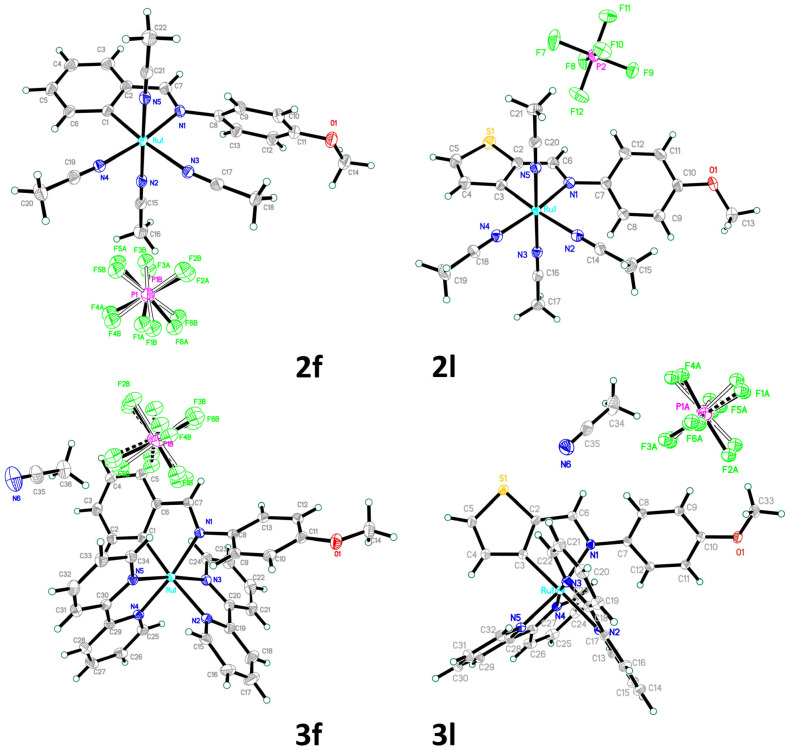 Figure 1
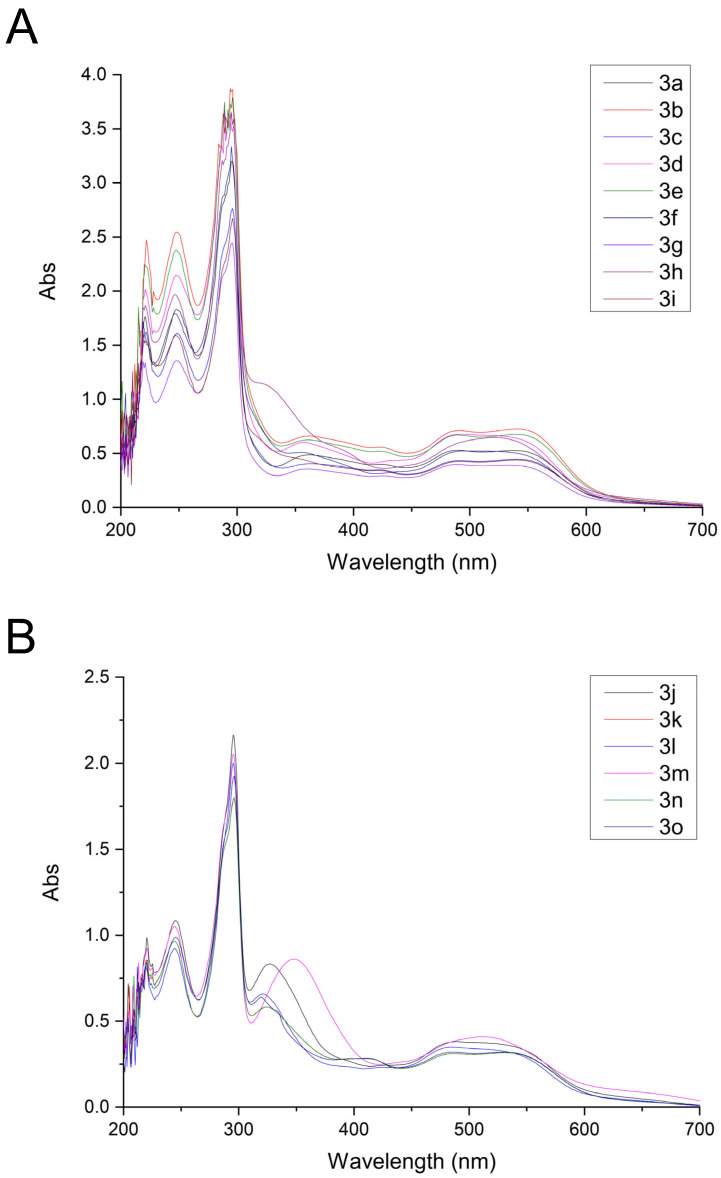 Figure 2
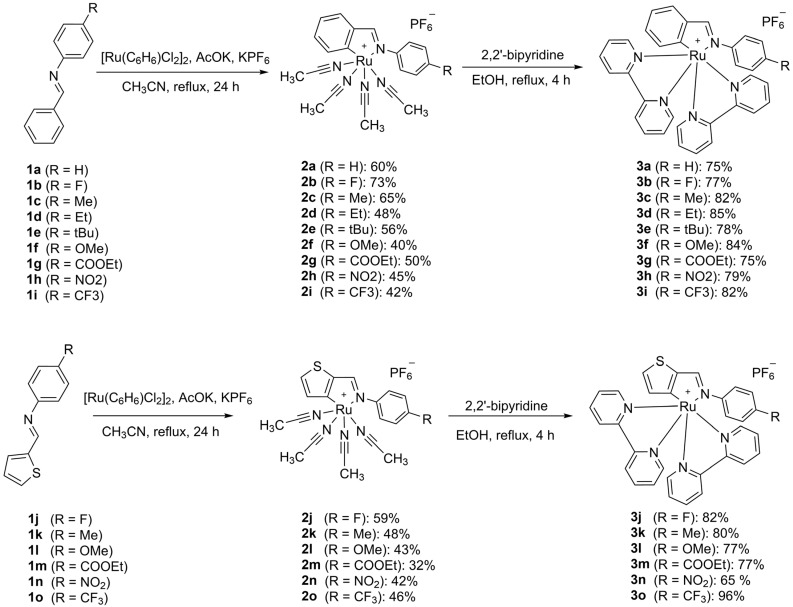 Figure 3
Peer Reviews
No public reviews on file for this paper yet. If you reviewed it on a platform where reviews are public (OpenReview, ICLR, NeurIPS, ICML), you can paste yours below so the community can read it here.
Videos
No videos yet. Explain this paper in a talk, walkthrough, or lecture? Add one.
Taxonomy
TopicsCyclopropane Reaction Mechanisms · Click Chemistry and Applications · Catalytic Alkyne Reactions