In Vitro Study on the Effects of Rhododendron mucronulatum Branch Extract, Taxifolin-3-O-Arabinopyranoside and Taxifolin on Muscle Loss and Muscle Atrophy in C2C12 Murine Skeletal Muscle Cells
Hyun Seo Lee, Hyeon Du Jang, Tae Hee Kim, Da Hyeon An, Ye Eun Kwon, Eun Ji Kim, Jae In Jung, Sangil Min, Hee Kyu Kim, Kwang-Hyun Park, Heesung Woo, Sun Eun Choi

TL;DR
This study explores how Rhododendron mucronulatum extract and its compounds may help prevent muscle loss and atrophy by reducing cell death and promoting muscle growth in lab-grown mouse muscle cells.
Contribution
The study identifies Taxifolin-3-O-arabinopyranoside and Taxifolin as potential natural agents for sarcopenia prevention with lower cytotoxicity.
Findings
RMB and its compounds reduced oxidative stress-induced apoptosis in muscle cells.
They attenuated muscle atrophy by regulating key proteins like Atrogin-1 and MyoD.
Tax-G showed comparable efficacy to Tax-A with less cytotoxicity.
Abstract
Sarcopenia, an age-related muscle atrophy disease, is a major health concern in aging societies and is closely associated with severe chronic diseases. Its primary pathogenesis involves oxidative stress-induced apoptosis in muscle cells and an imbalance in protein metabolism. This study evaluated the potential of Rhododendron mucronulatum branch extract (RMB) and its major flavonoids, taxifolin-3-O-arabinopyranoside (Tax-G) and taxifolin (Tax-A), as natural therapeutic agents for sarcopenia. Phytochemical analyses were performed using TLC, HPLC, LC-MS/MS, and NMR, and Tax-G and Tax-A were isolated from RMB. In vitro models of apoptosis and muscle atrophy were established in C2C12 cells using H2O2 and dexamethasone (DEX), respectively. Cell viability, myotube diameter, and protein expression related to apoptosis and muscle differentiation were assessed. All three substances reduced…
Genes, proteins, chemicals, diseases, species, mutations and cell lines named across the full text — each resolved to its canonical identifier and authoritative record.
Click any figure to enlarge with its caption.
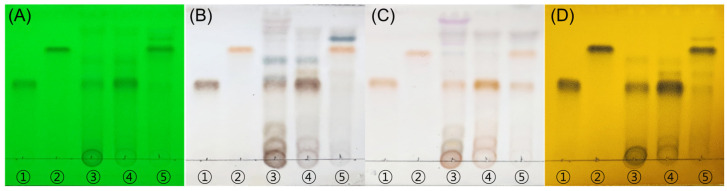 Figure 1
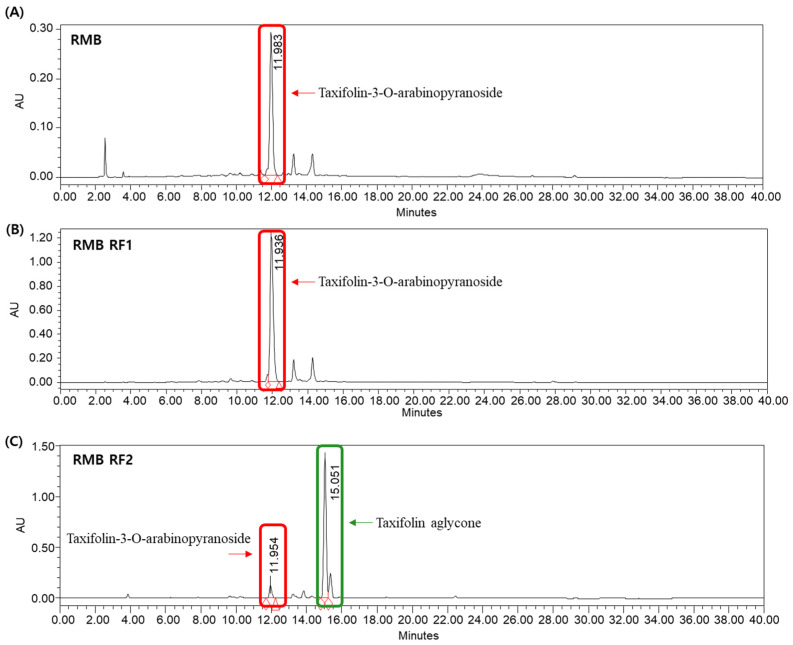 Figure 2
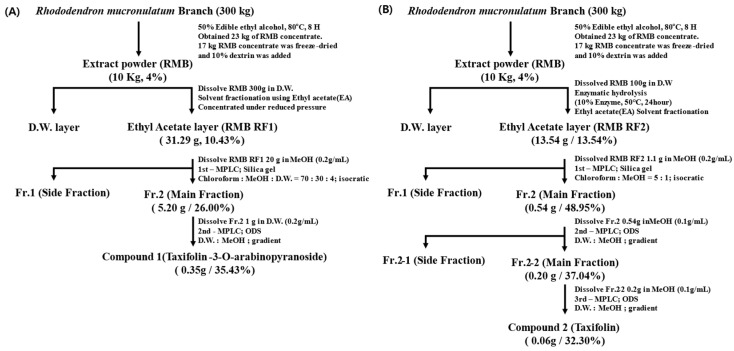 Figure 3
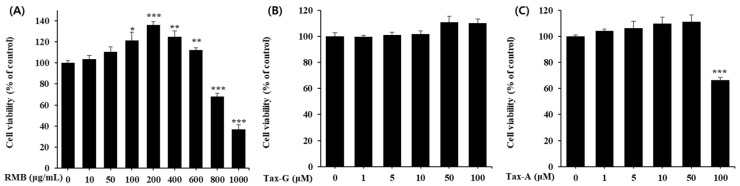 Figure 4
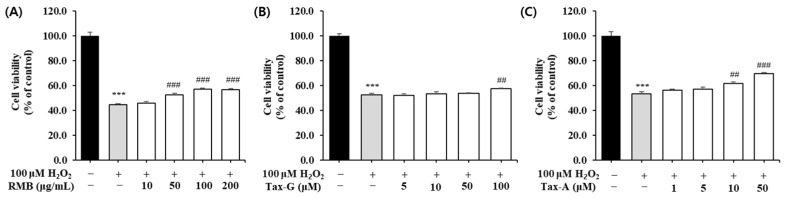 Figure 5
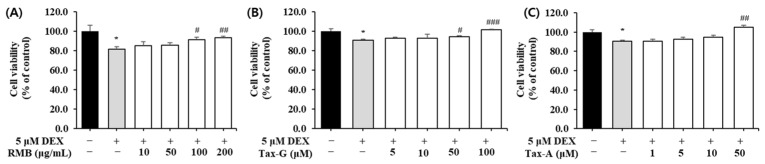 Figure 6
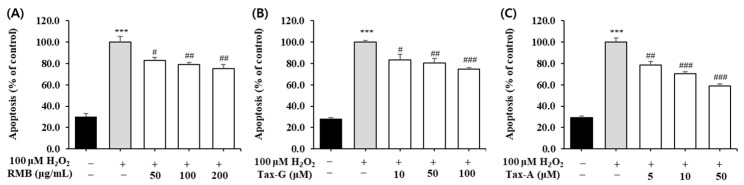 Figure 7
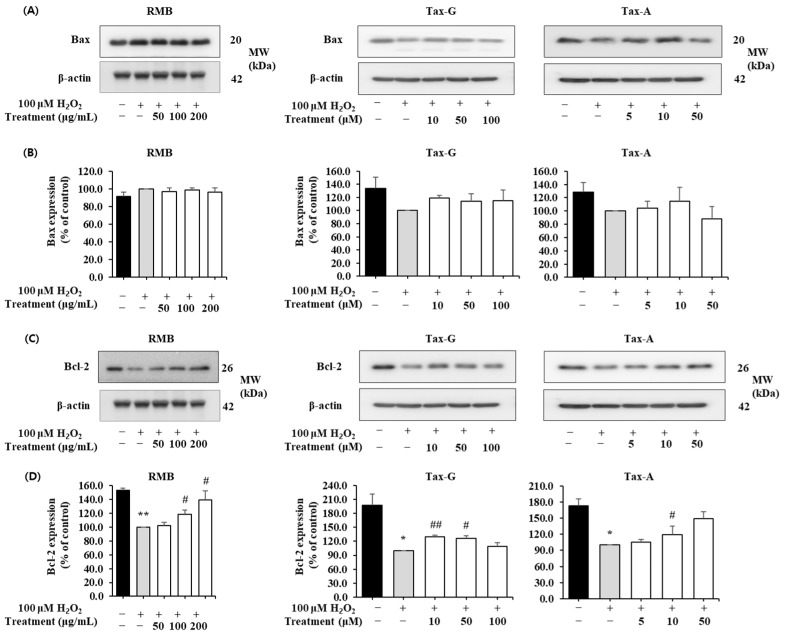 Figure 8
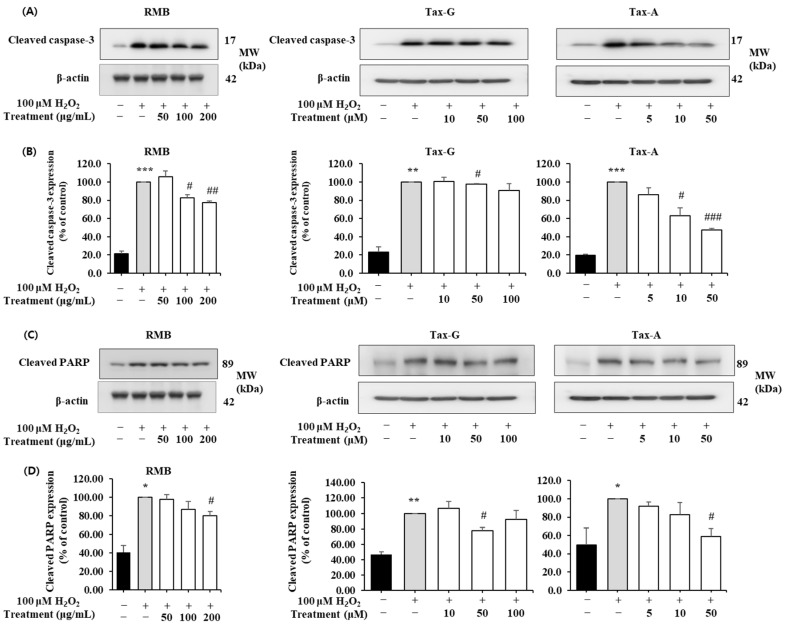 Figure 9
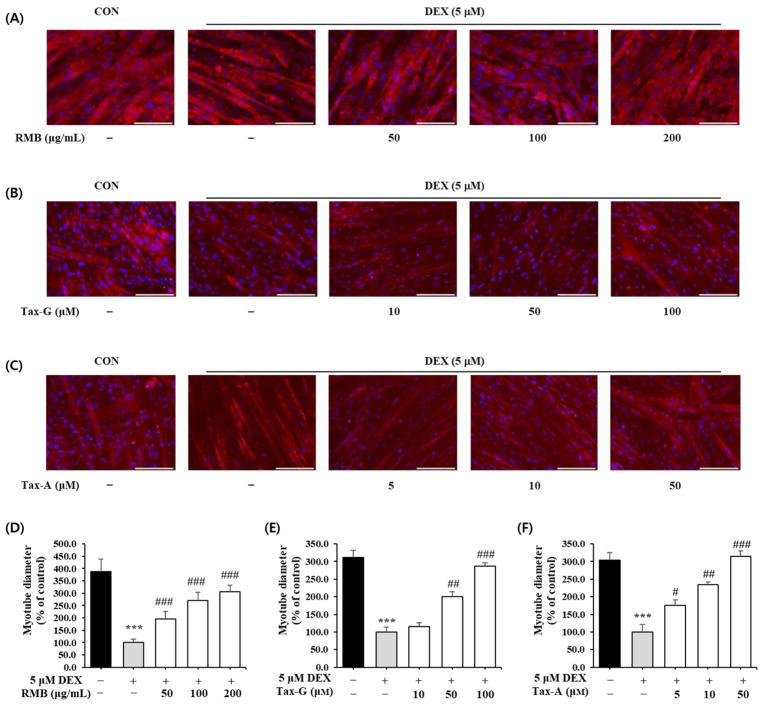 Figure 10
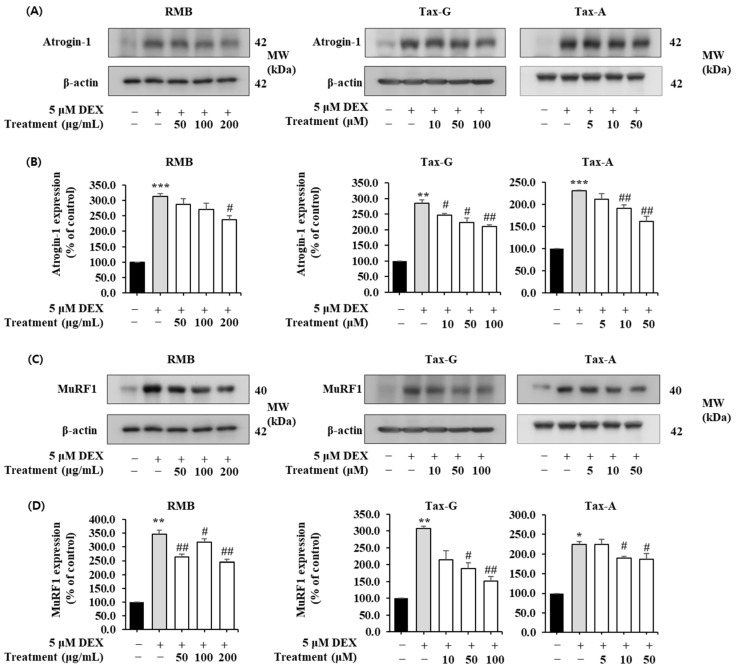 Figure 11
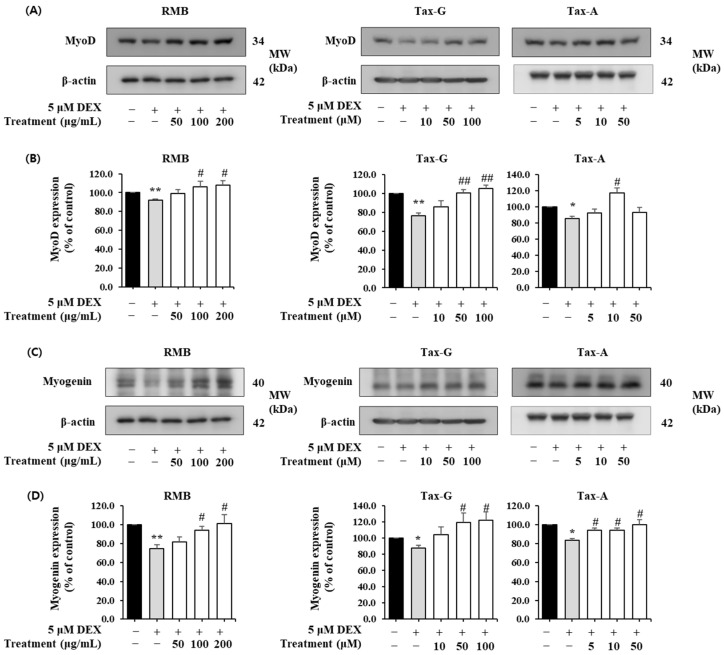 Figure 12
 Figure 13
 Figure 14
 Figure 15
 Figure 16
Peer Reviews
No public reviews on file for this paper yet. If you reviewed it on a platform where reviews are public (OpenReview, ICLR, NeurIPS, ICML), you can paste yours below so the community can read it here.
Videos
No videos yet. Explain this paper in a talk, walkthrough, or lecture? Add one.
Taxonomy
TopicsMuscle Physiology and Disorders · Nutrition and Health in Aging · Cardiovascular and exercise physiology