How ATP-Dependent Chromatin Remodeling Complexes Regulate Vertebrate Embryonic Development
Hejie Wang, Gulinigaer Anwaier, Shengbin Bai, Libin Liao, Yingdi Wang, Shuang Li

TL;DR
This review explains how ATP-dependent chromatin remodeling complexes control gene expression during vertebrate embryonic development and their roles in cell fate and development.
Contribution
The paper systematically reviews the classification and conserved mechanisms of chromatin remodelers in early embryogenesis.
Findings
Chromatin remodeling complexes regulate embryonic genome activation and lineage specification in mammals.
In non-mammalian models like Xenopus laevis, these complexes function during gastrulation and neurulation.
They are essential for chromatin reprogramming and cell fate decisions in early development.
Abstract
ATP-dependent chromatin remodeling complexes regulate gene expression by altering chromatin structure through ATP hydrolysis. They are classified into four families—SWI/SNF, ISWI, CHD, and INO80—which remodel chromatin via nucleosome sliding, eviction, assembly, and editing to control transcription. These complexes play critical roles in DNA repair, tumorigenesis, and organogenesis. Recent advances in low-input proteomics have highlighted their importance in vertebrate embryonic development. In mammals, they regulate embryonic genome activation, lineage specification, and stem cell fate determination. In non-mammalian models (e.g., Xenopus laevis), they function from blastocyst formation to pre-organogenesis stages (gastrulation and neurulation)—key windows for chromatin reprogramming and cell fate decisions. This review provides a systematic overview of chromatin remodeling complexes,…
Genes, proteins, chemicals, diseases, species, mutations and cell lines named across the full text — each resolved to its canonical identifier and authoritative record.
Click any figure to enlarge with its caption.
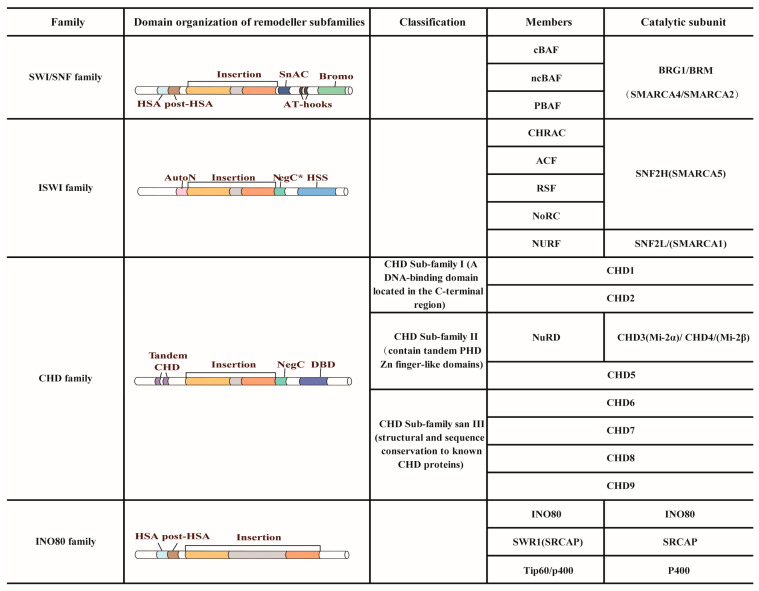 Figure 1
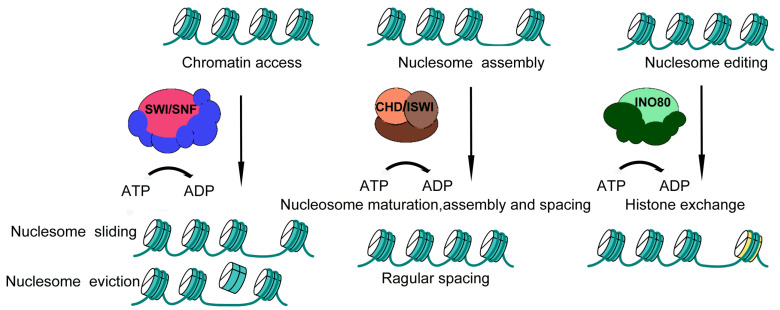 Figure 2
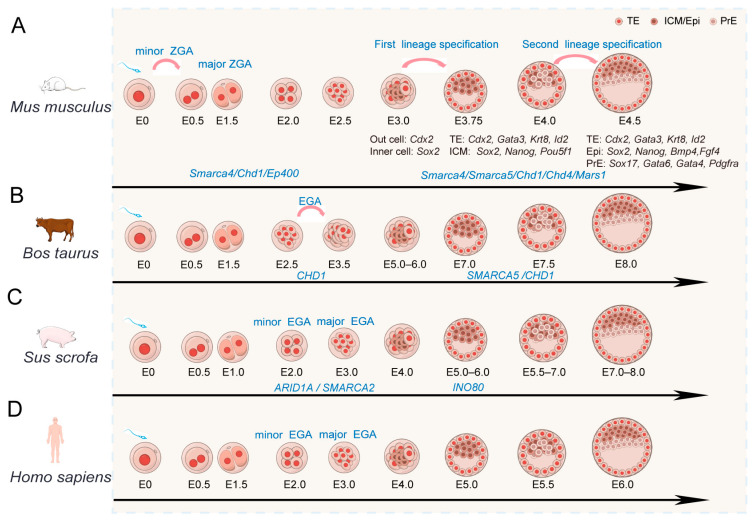 Figure 3
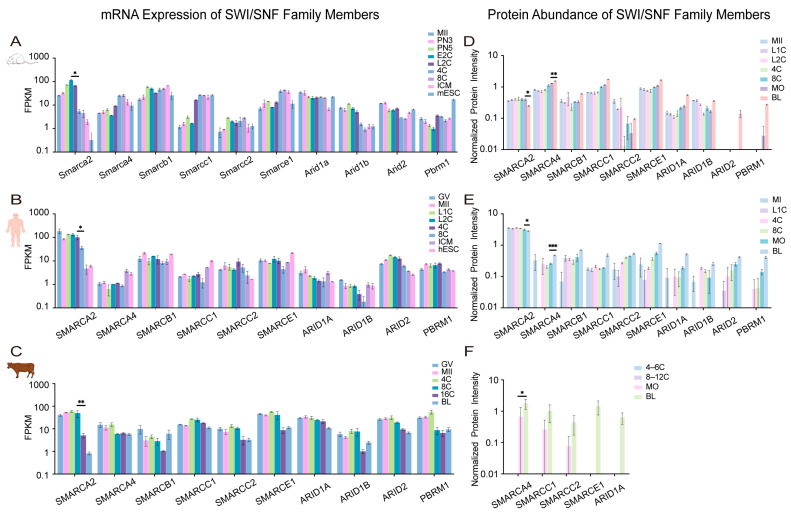 Figure 4
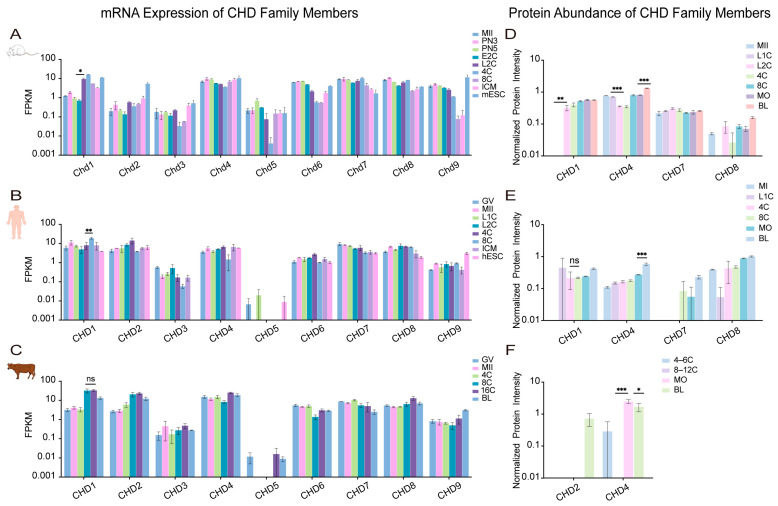 Figure 5
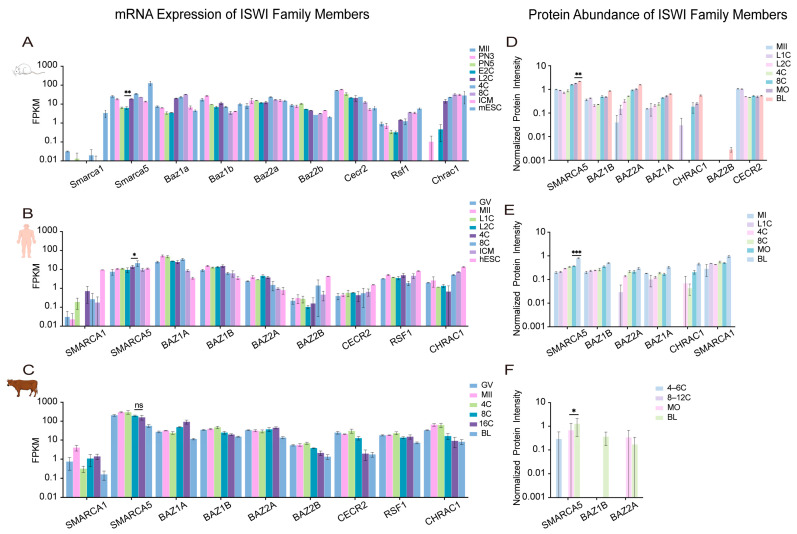 Figure 6
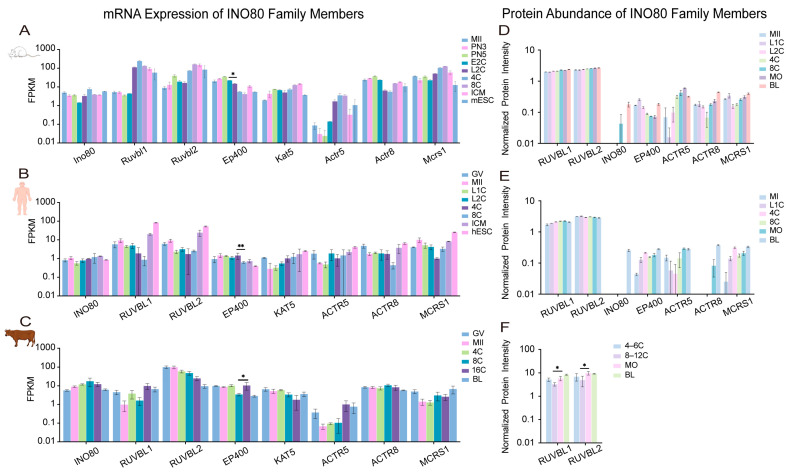 Figure 7
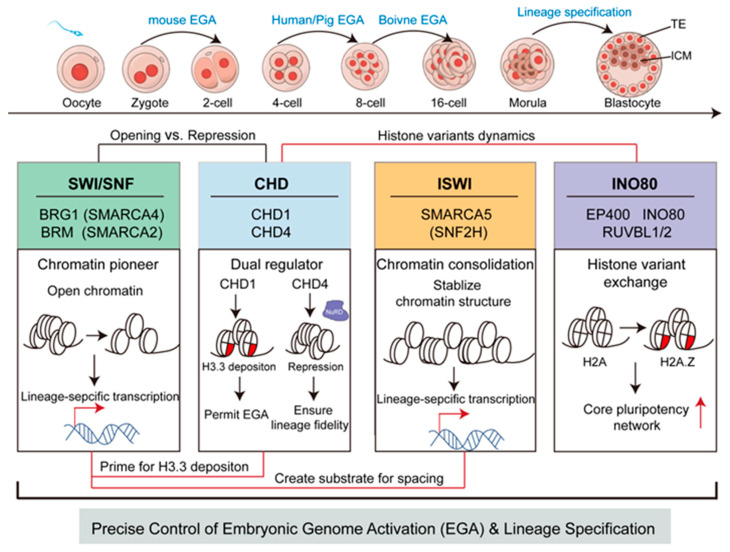 Figure 8
Peer Reviews
No public reviews on file for this paper yet. If you reviewed it on a platform where reviews are public (OpenReview, ICLR, NeurIPS, ICML), you can paste yours below so the community can read it here.
Videos
No videos yet. Explain this paper in a talk, walkthrough, or lecture? Add one.
Taxonomy
TopicsChromatin Remodeling and Cancer · Genomics and Chromatin Dynamics · Pluripotent Stem Cells Research