Development of Human Serum Albumin-Based Hydrogels for Potential Use as Wound Dressings
Inna Zharkova, Irina Bauer, Oksana Gulyaeva, Evgenia Kozyreva, Zhanna Nazarkina, Elena Dmitrienko

TL;DR
This paper introduces a new method to create wound dressings using human serum albumin hydrogels that can release antibiotics and fight bacteria.
Contribution
The first development of HSA-based hydrogels using thermal- and ethanol-induced methods for wound management.
Findings
HSA-based hydrogels can be fabricated with tunable properties using PBS and limited ethanol.
The hydrogels showed antibacterial activity against multiple bacterial strains when loaded with tetracycline.
They demonstrated structural stability, biocompatibility, and biodegradability in physiological conditions.
Abstract
Protein-based materials such as human serum albumin (HSA) have demonstrated significant potential for the development of novel wound management materials. For the first time, the formation of HSA-based hydrogels was proposed using a combination of thermal- and ethanol-induced approaches. The combination of phosphate-buffered saline (PBS) and limited (up to 20% v/v) ethanol content offers a promising strategy for fabricating human serum albumin-based hydrogels with tunable properties. The hydrogel formation was studied using in situ dynamic light scattering (DLS) for qualitative and semi-quantitative analysis of the patterns of protein hydrogel formation through thermally induced gelation. The rheological properties of human serum albumin-based hydrogels were investigated. Hydrogels synthesized via thermally induced gelation using a denaturing agent exhibit a dynamic viscosity ranging…
Genes, proteins, chemicals, diseases, species, mutations and cell lines named across the full text — each resolved to its canonical identifier and authoritative record.
Click any figure to enlarge with its caption.
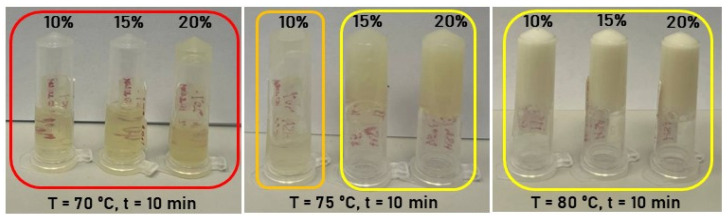 Figure 1
 Figure 2
 Figure 3
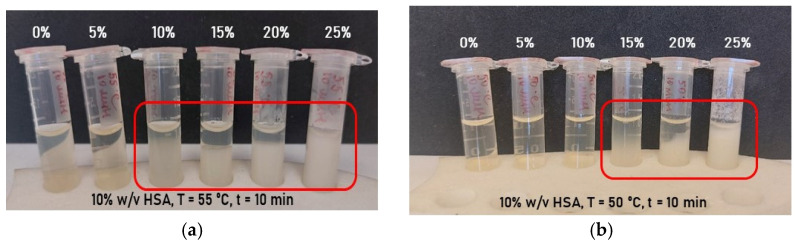 Figure 4
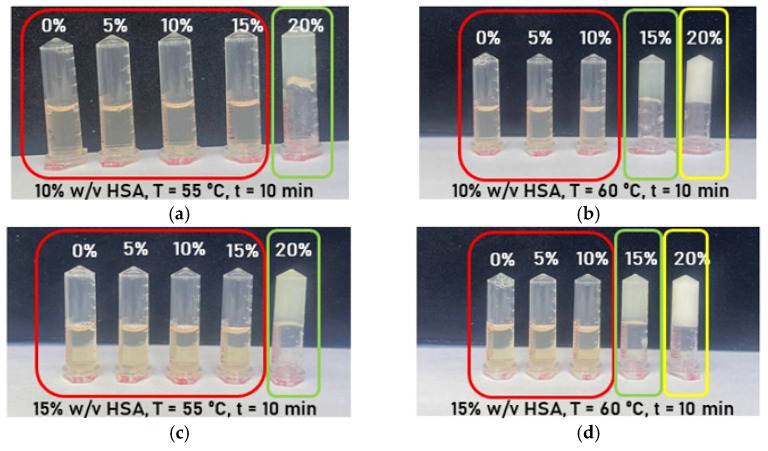 Figure 5
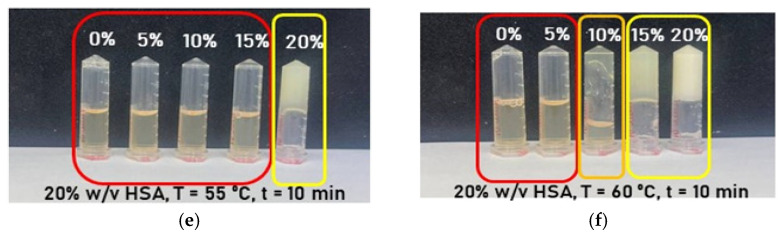 Figure 6
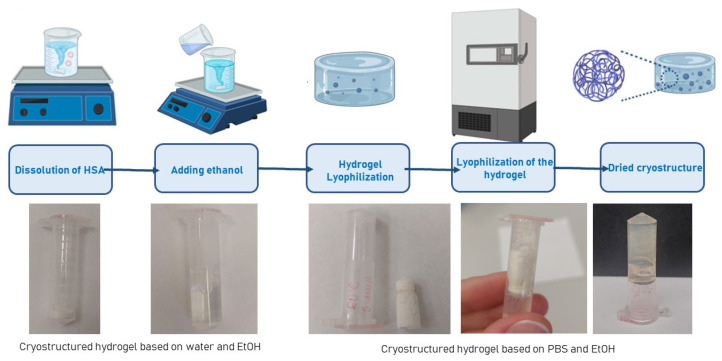 Figure 7
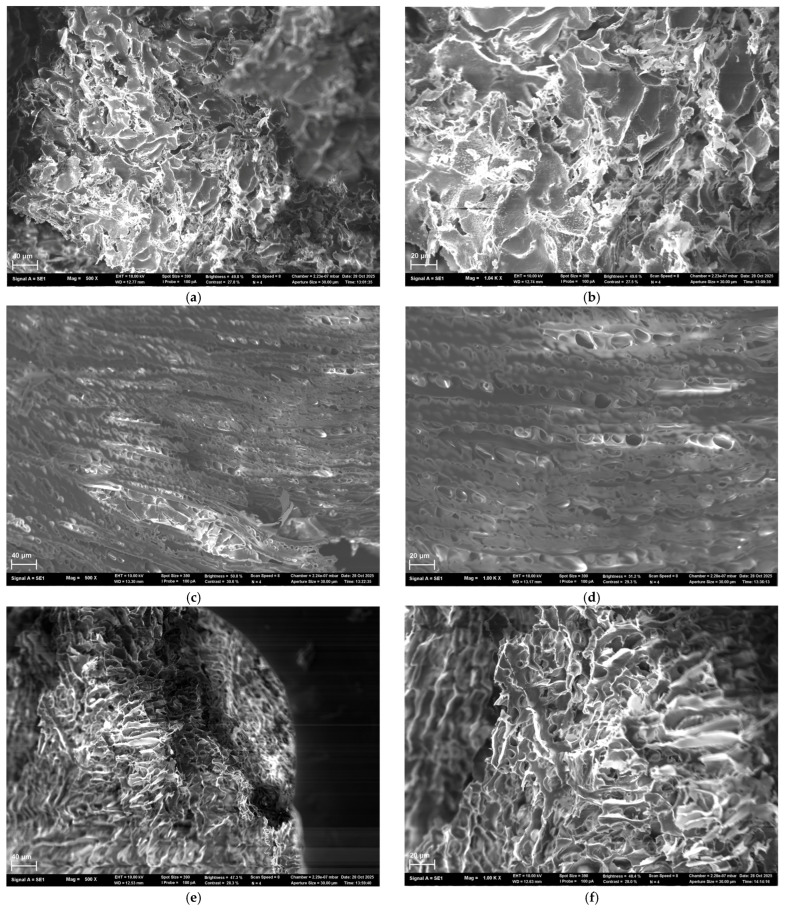 Figure 8
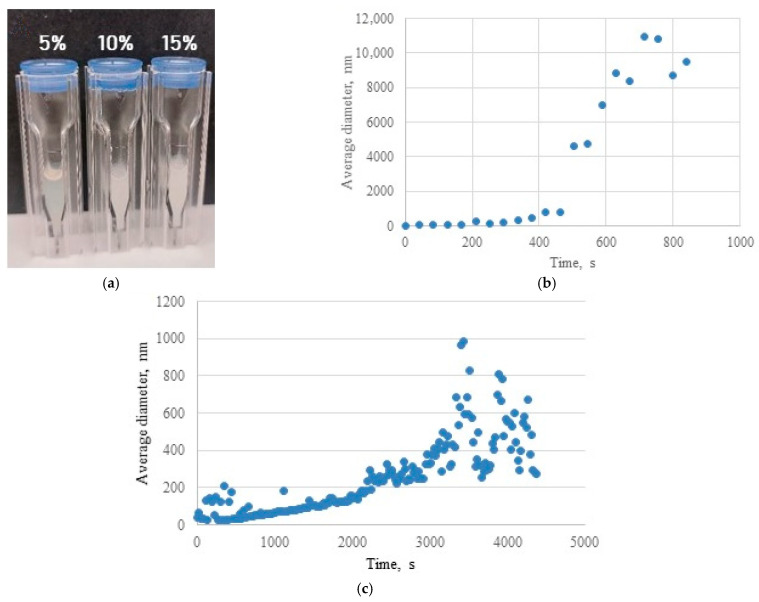 Figure 9
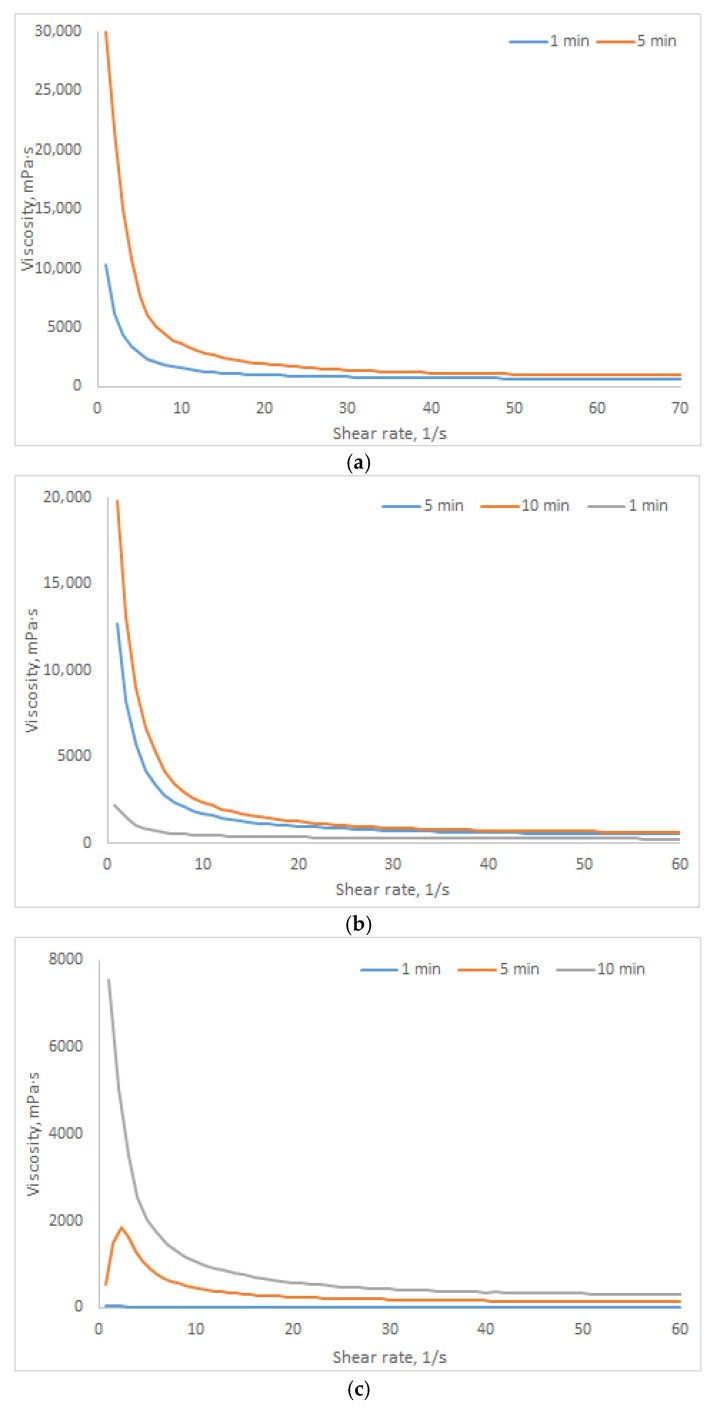 Figure 10
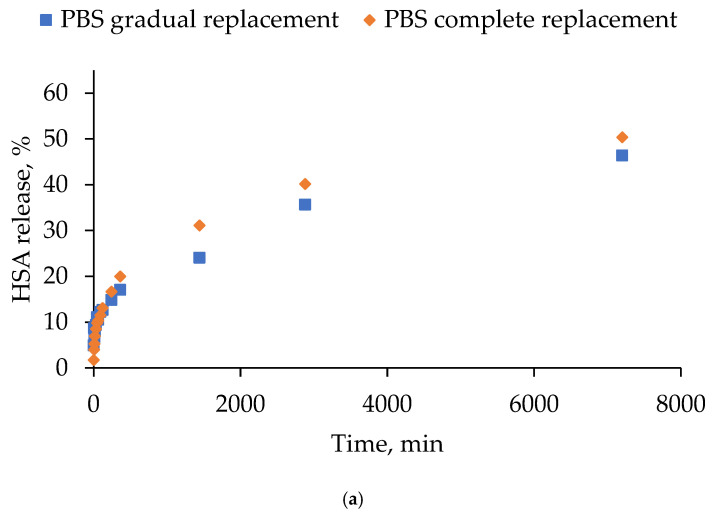 Figure 11
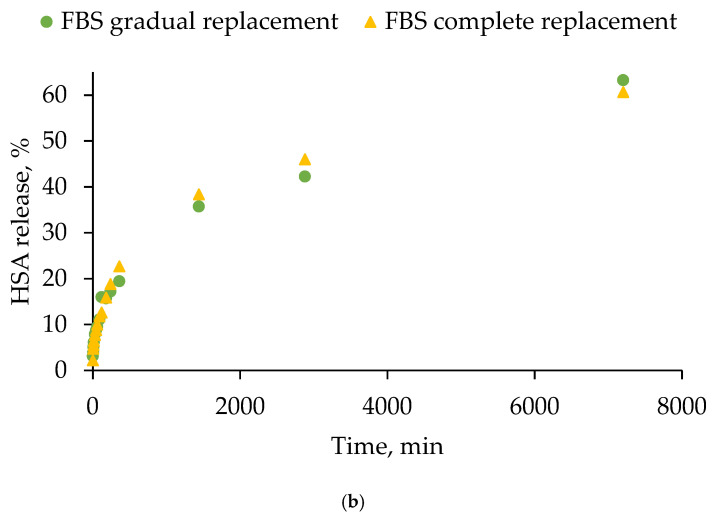 Figure 12
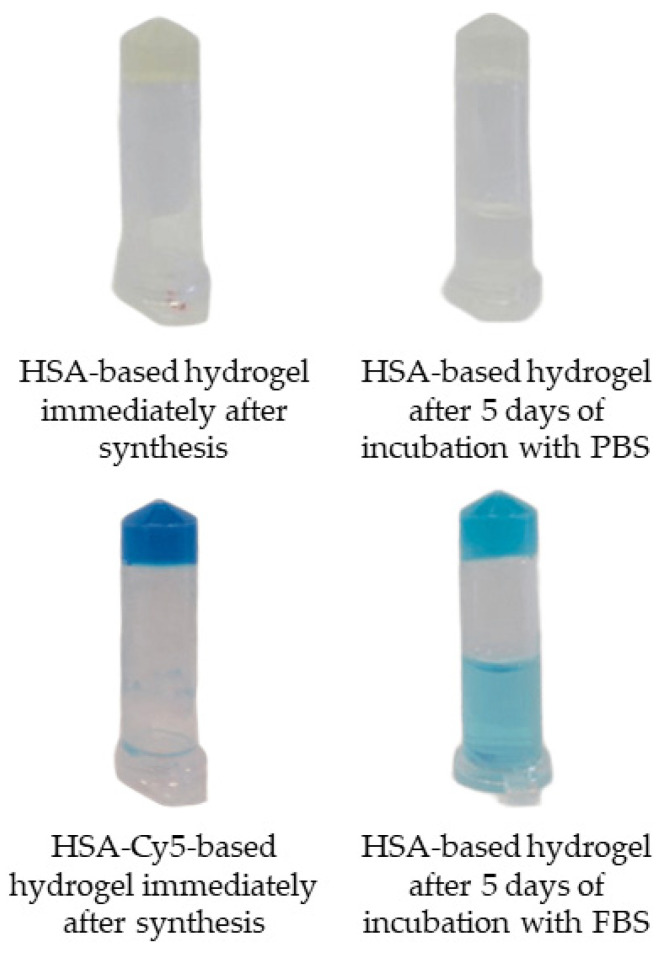 Figure 13
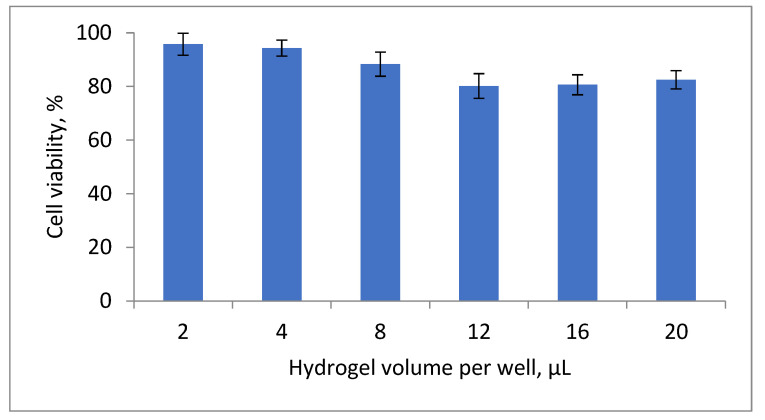 Figure 14
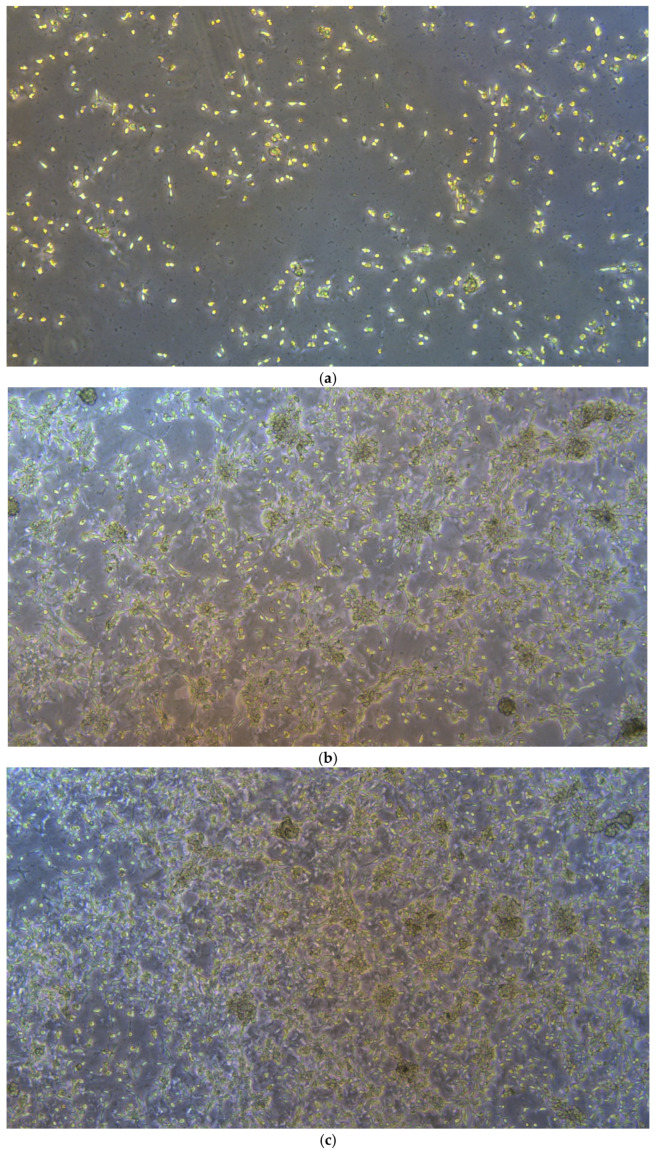 Figure 15
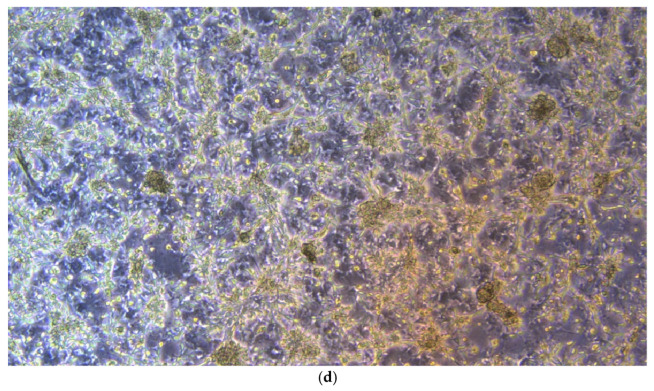 Figure 16
 Figure 17
 Figure 18
 Figure 19
 Figure 20
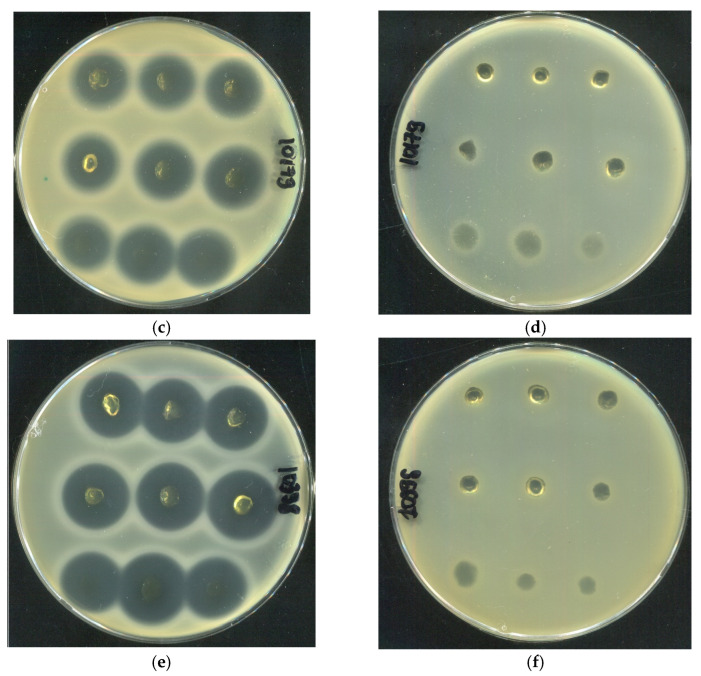 Figure 21
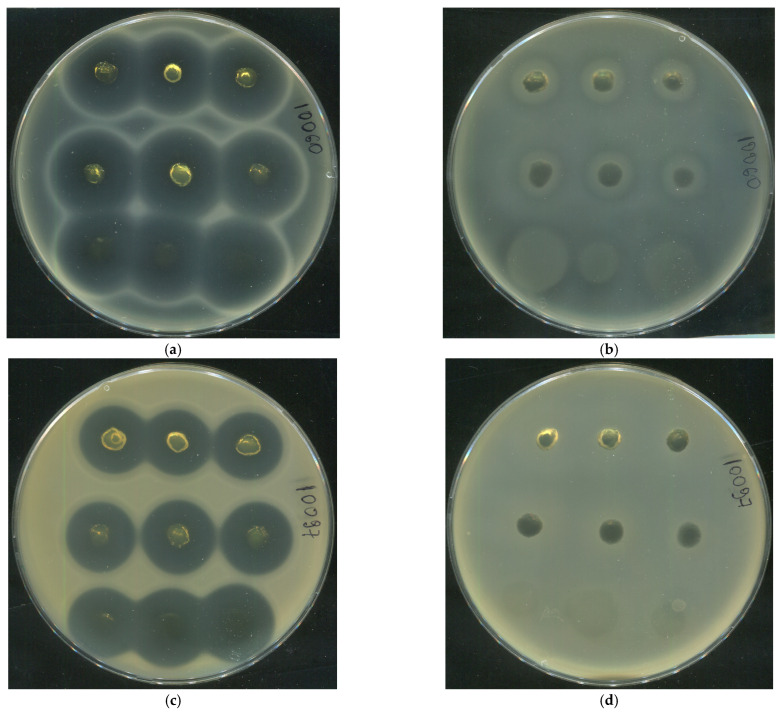 Figure 22
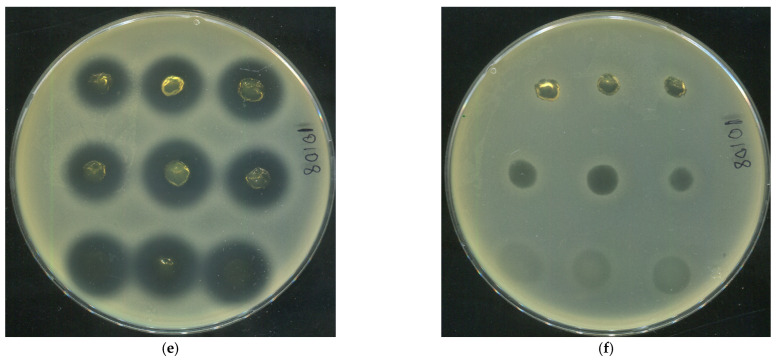 Figure 23
Peer Reviews
No public reviews on file for this paper yet. If you reviewed it on a platform where reviews are public (OpenReview, ICLR, NeurIPS, ICML), you can paste yours below so the community can read it here.
Videos
No videos yet. Explain this paper in a talk, walkthrough, or lecture? Add one.
Taxonomy
TopicsWound Healing and Treatments · Hydrogels: synthesis, properties, applications · Polymer Surface Interaction Studies