Assessment of Antibiotic Sensitivity in Biofilms Using GelMA Hydrogel Microspheres
Junchi Zhu, Wenqi Chen, Zhenzhi Shi, Yiming Liu, Lulu Shi, Jiafei Xi

TL;DR
This study introduces a new method using GelMA microspheres to test antibiotic resistance in biofilms, which are more resistant than free-floating bacteria.
Contribution
A high-throughput method for assessing biofilm antibiotic tolerance using GelMA microspheres, revealing significantly higher resistance levels than planktonic cells.
Findings
Biofilms showed antibiotic tolerance exceeding 200 μg/mL for ampicillin, 10–50 μg/mL for ciprofloxacin, and 20–50 μg/mL for ceftriaxone.
Tolerance levels were one to two orders of magnitude higher than planktonic MICs and surpassed clinical breakpoints.
The method is high-throughput, using hundreds of microspheres and completing within 24 hours.
Abstract
Conventional antibiotic susceptibility testing (AST) primarily assesses planktonic bacteria. However, the three-dimensional architecture and barrier properties of biofilms mean that the minimum inhibitory concentration (MIC) for planktonic cells is typically far lower than the antibiotic exposure required for biofilm eradication. In this study, gelatin methacryloyl (GelMA) microspheres were used to create a three-dimensional biofilm microenvironment for the quantitative evaluation of biofilm tolerance. Escherichia coli K-12 MG1655 was immersed in GelMA microspheres and subjected to a series of antibiotic concentration gradients. Bacterial viability was inferred from time-dependent changes in microsphere diameter. The results demonstrated substantial tolerance of the resulting biofilms to ampicillin, ciprofloxacin, and ceftriaxone, with biofilm antibiotic tolerance values exceeding 200…
Genes, proteins, chemicals, diseases, species, mutations and cell lines named across the full text — each resolved to its canonical identifier and authoritative record.
Click any figure to enlarge with its caption.
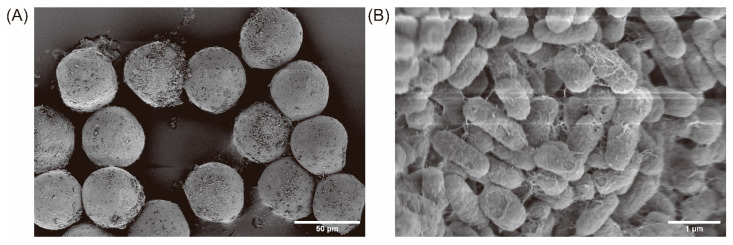 Figure 1
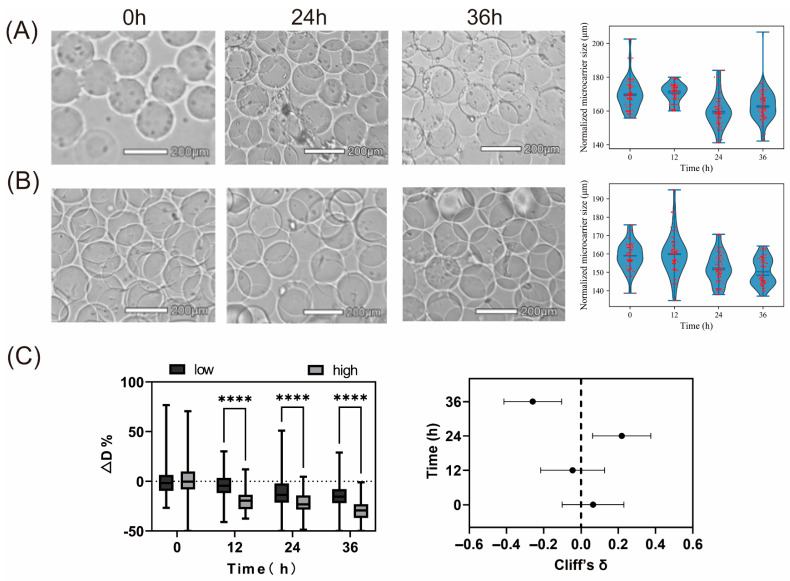 Figure 2
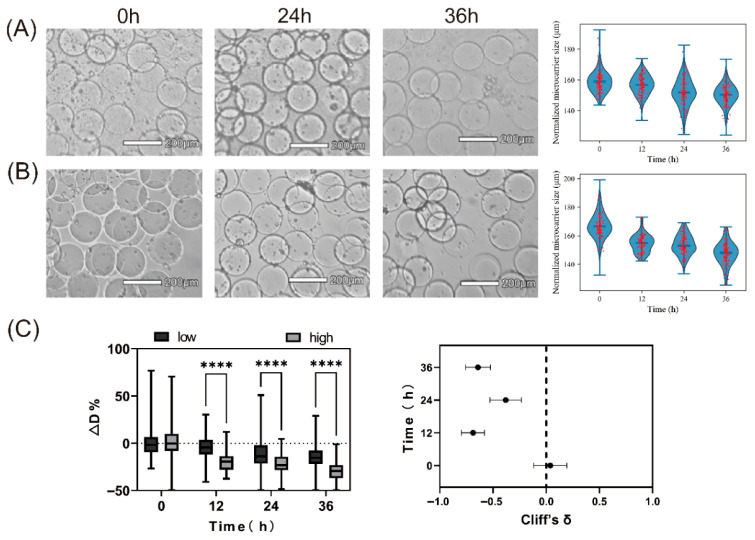 Figure 3
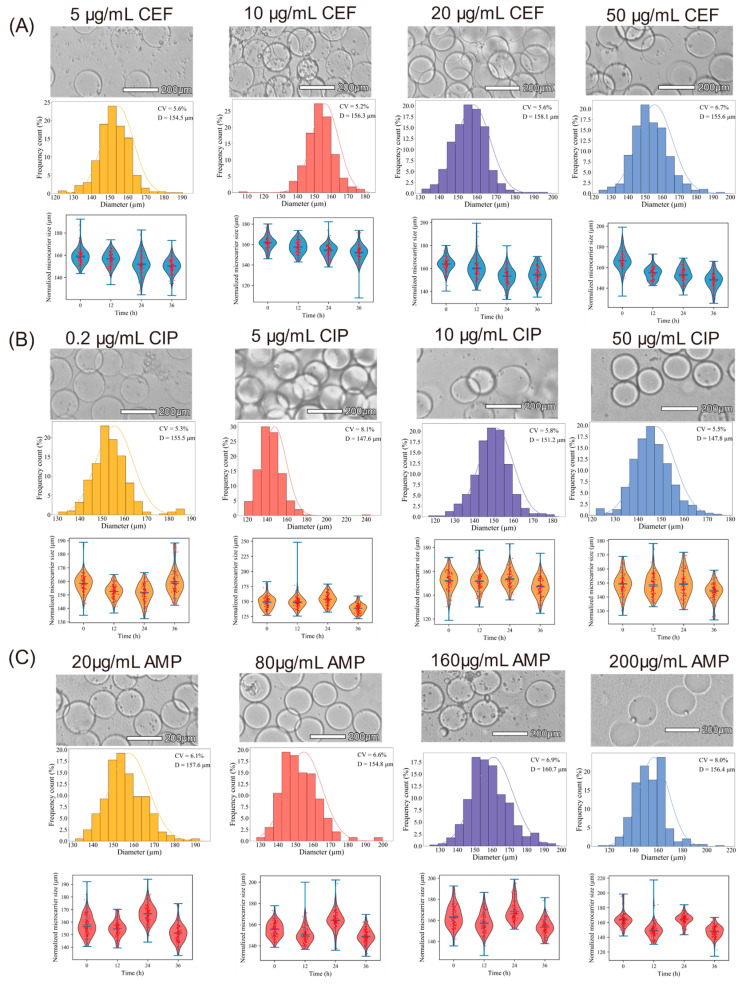 Figure 4
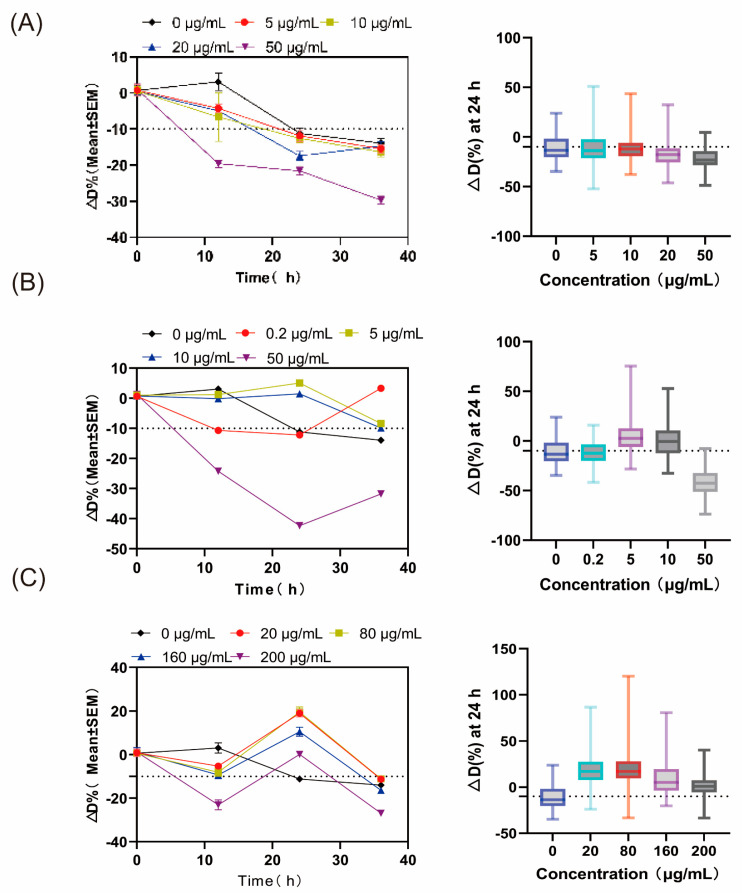 Figure 5
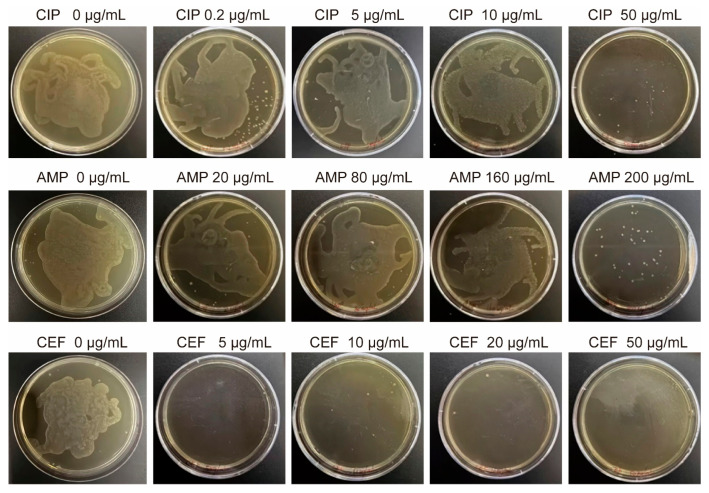 Figure 6
Peer Reviews
No public reviews on file for this paper yet. If you reviewed it on a platform where reviews are public (OpenReview, ICLR, NeurIPS, ICML), you can paste yours below so the community can read it here.
Videos
No videos yet. Explain this paper in a talk, walkthrough, or lecture? Add one.
Taxonomy
TopicsBacterial biofilms and quorum sensing · Antimicrobial agents and applications · Bacterial Identification and Susceptibility Testing