Decoding the molecular mechanism via systems biology-based insights into neoschaftoside from Ailanthus altissima targeting lung cancer
Sachin Gudasi, Dileep Kumar, Shashank Tewari, Rohini S. Kavalapure, Shriram D. Ranade

TL;DR
This study identifies neoschaftoside from Ailanthus altissima as a potential compound that targets EGFR in lung cancer, offering a new approach for cancer treatment.
Contribution
The study reveals neoschaftoside as a novel bioactive compound that modulates EGFR signaling in lung cancer through systems biology and molecular simulations.
Findings
Neoschaftoside was identified as the top bioactive compound interacting with EGFR-related hub genes in lung cancer.
Molecular docking and MD simulations showed strong binding and structural stabilization of the EGFR-neoschaftoside complex.
PCA and DCCM analyses confirmed reduced global motions and enhanced dynamics upon ligand binding, supporting neoschaftoside's potential as an EGFR inhibitor.
Abstract
The epidermal growth factor receptor (EGFR) is a critical regulator of multiple oncogenic signaling cascades, including MAPK, PI3K/AKT/mTOR, and JAK–STAT pathways, which collectively contribute to enhanced proliferation, angiogenesis, and resistance to apoptosis in cancer. Aberrant EGFR activation has been strongly associated with tumor progression and therapeutic resistance, underscoring its importance as a molecular target for anticancer interventions. Ailanthus altissima (A. altissima), is known for its broad-spectrum anticancer potential although the underlying mechanism has not yet been clearly defined. Therefore, in present study, bioactive constituents of A. altissima were systematically analyzed for their ability to modulate proteins implicated in cancer pathogenesis and subsequently overlapped with hub genes differentially expressed across cancer grades. The common targets were…
Genes, proteins, chemicals, diseases, species, mutations and cell lines named across the full text — each resolved to its canonical identifier and authoritative record.
Click any figure to enlarge with its caption.
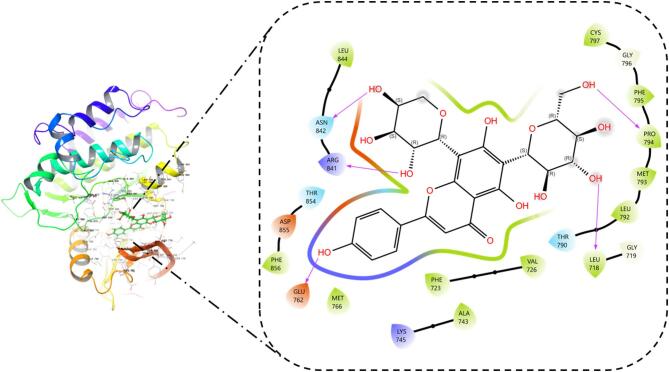 Figure 10
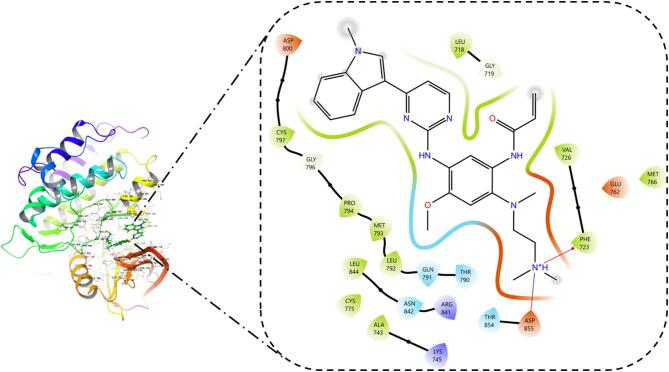 Figure 11
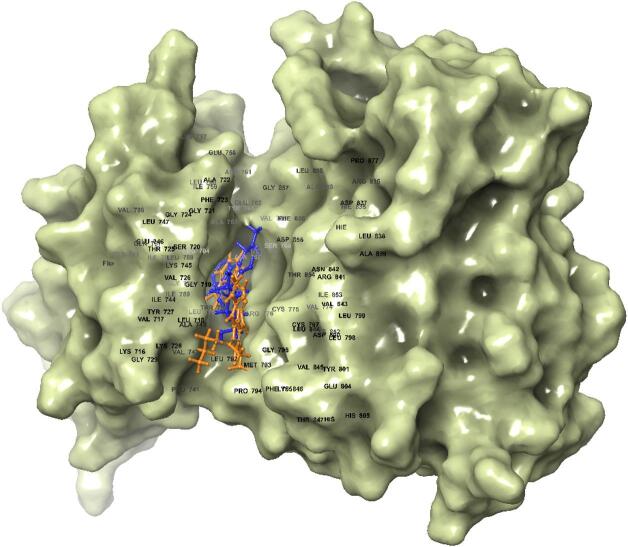 Figure 12
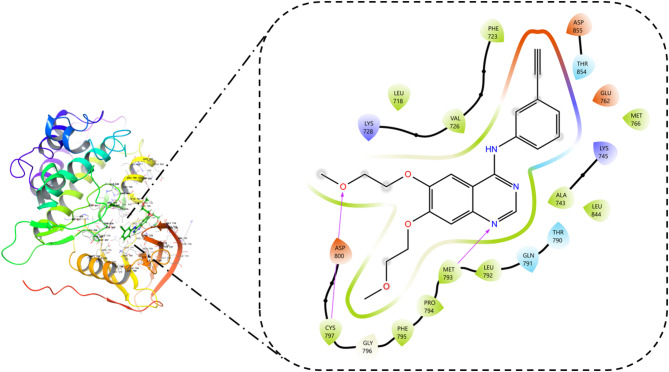 Figure 13
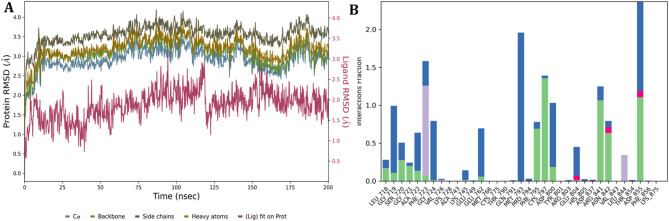 Figure 14
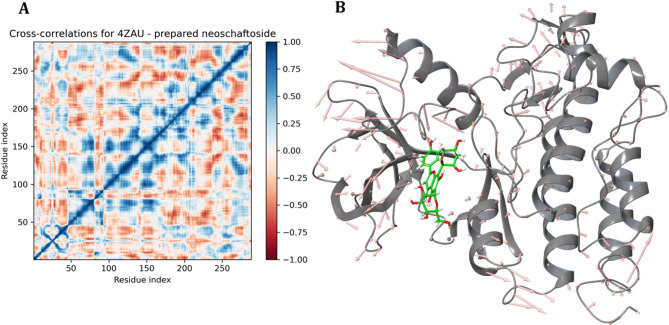 Figure 15
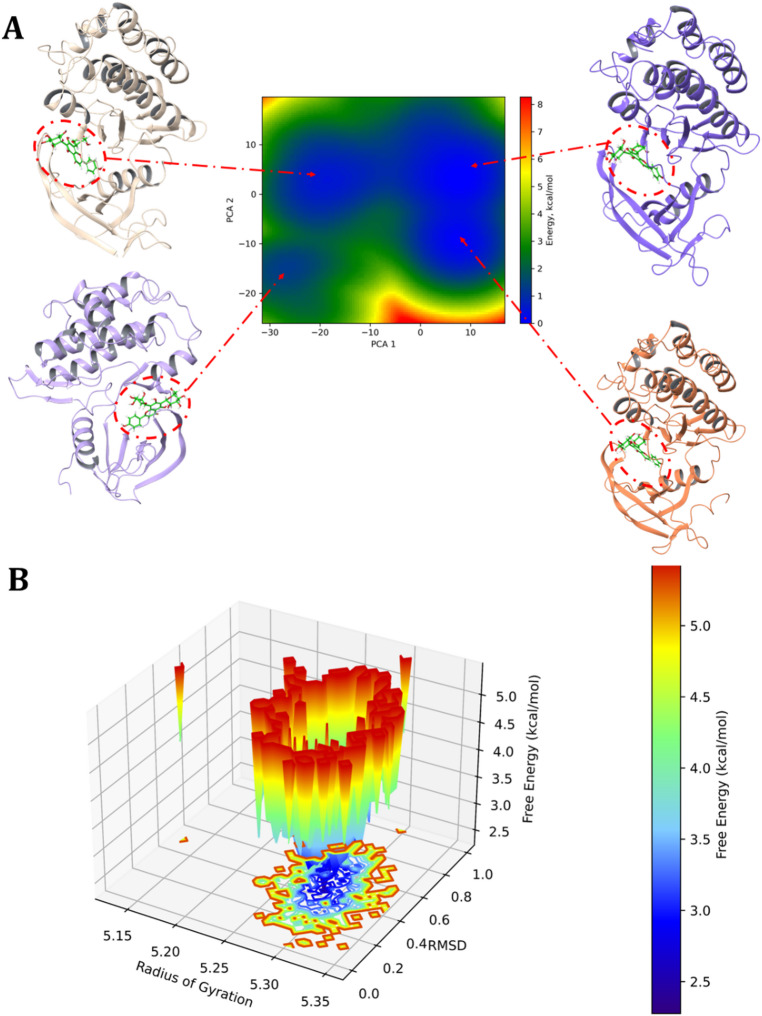 Figure 16
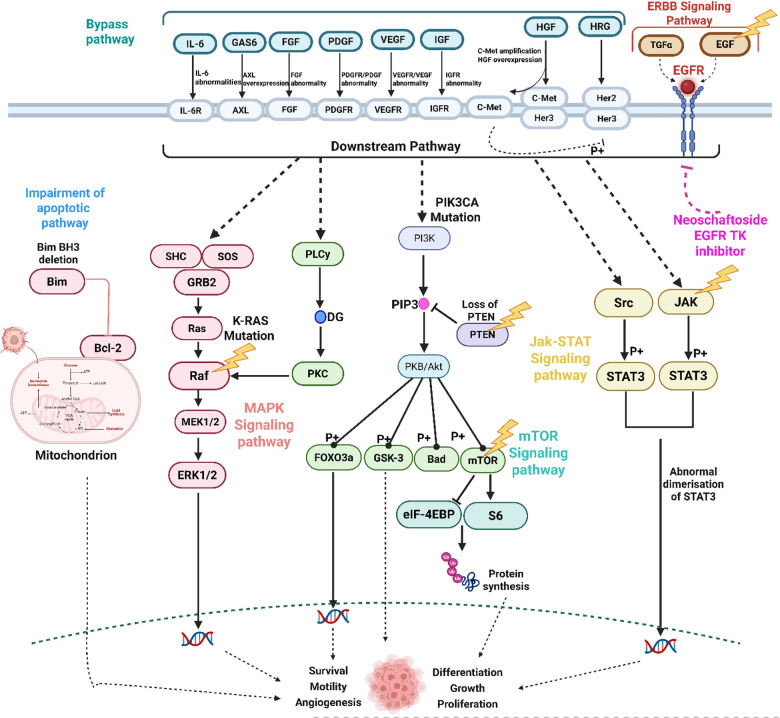 Figure 17
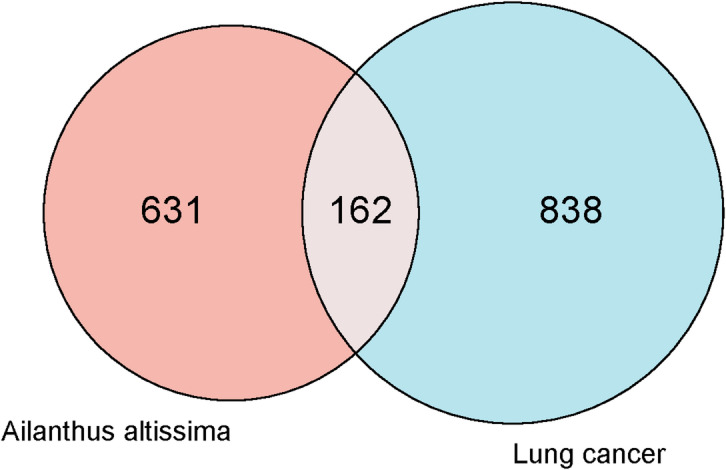 Figure 1
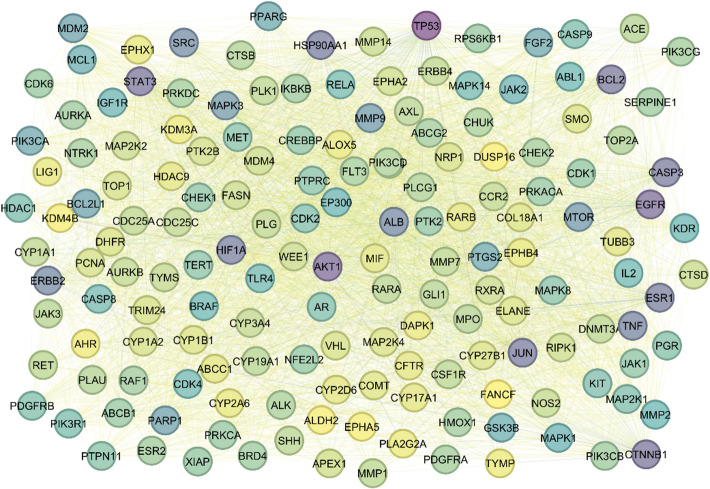 Figure 2
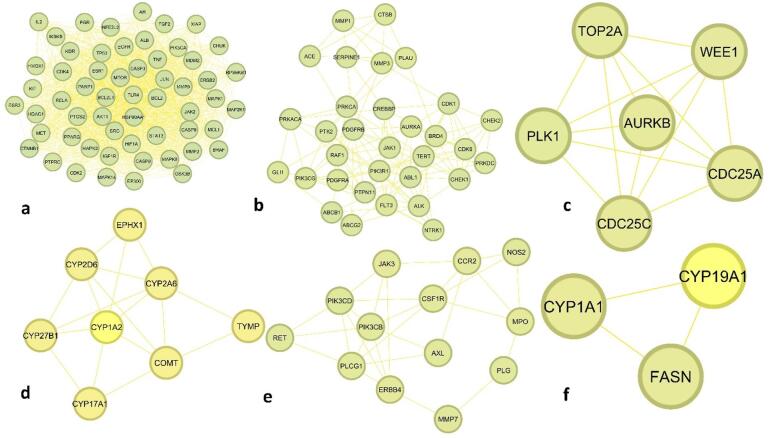 Figure 3
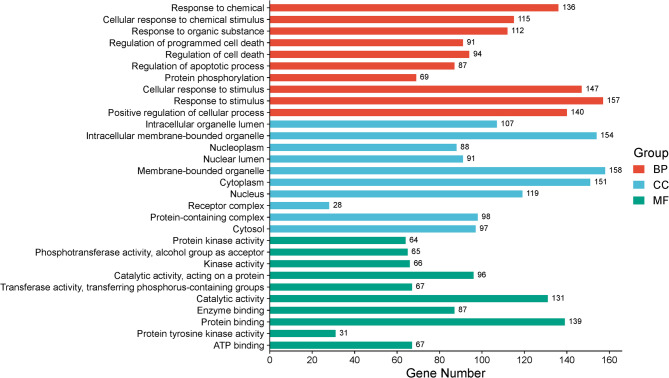 Figure 4
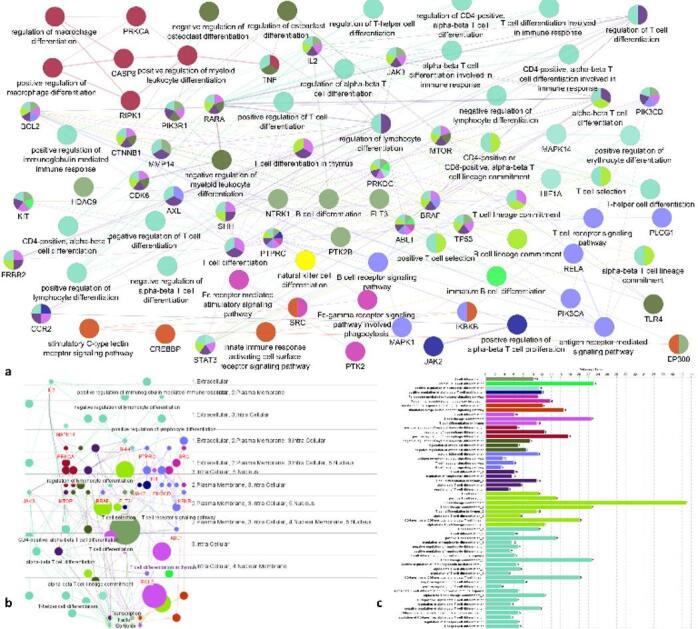 Figure 5
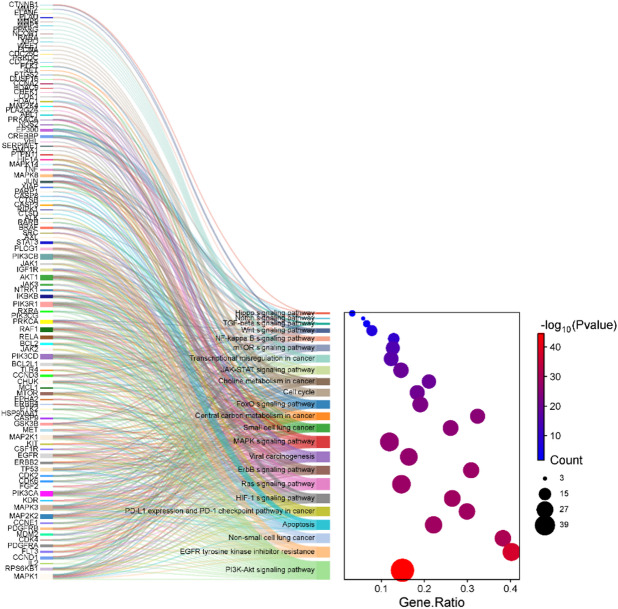 Figure 6
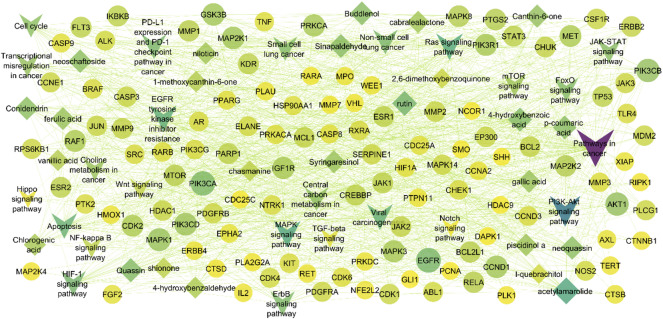 Figure 7
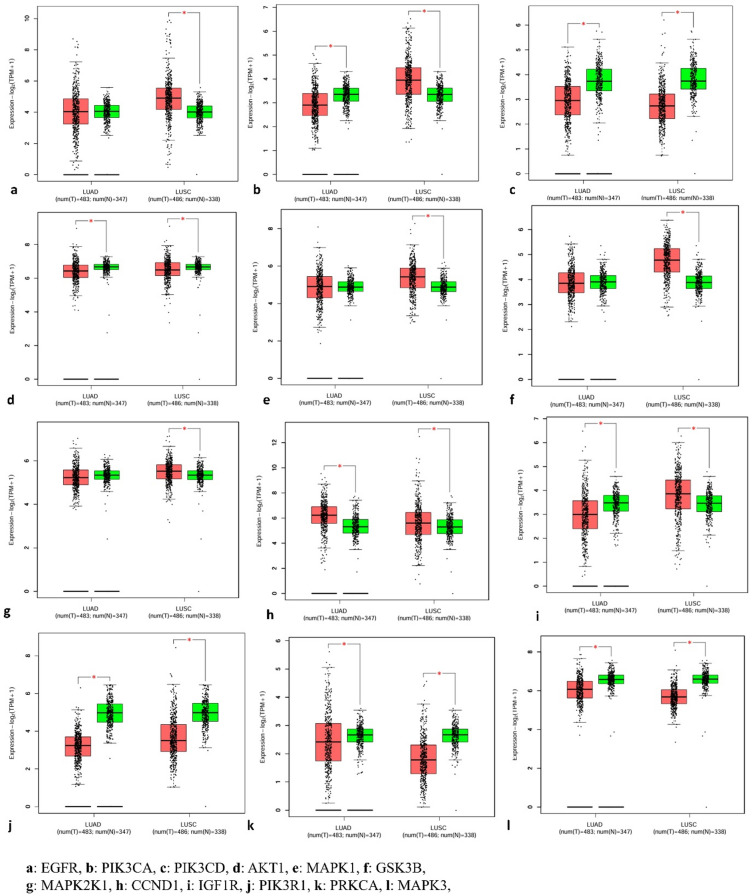 Figure 8
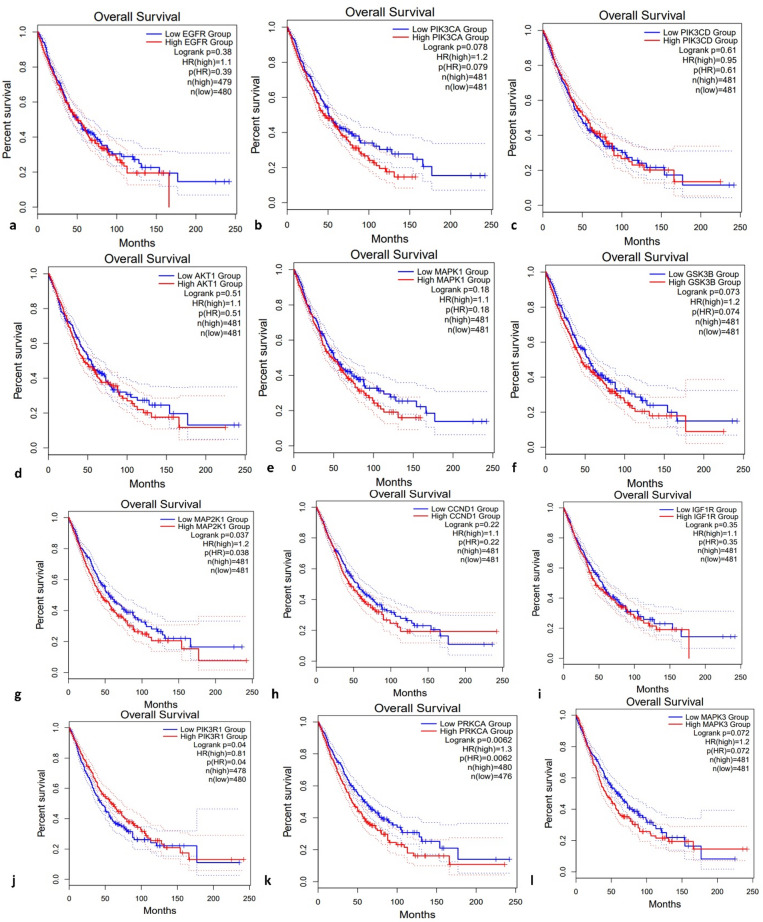 Figure 9
Peer Reviews
No public reviews on file for this paper yet. If you reviewed it on a platform where reviews are public (OpenReview, ICLR, NeurIPS, ICML), you can paste yours below so the community can read it here.
Videos
No videos yet. Explain this paper in a talk, walkthrough, or lecture? Add one.
Taxonomy
TopicsPhytochemical compounds biological activities · Phytochemistry and Bioactive Compounds · Traditional and Medicinal Uses of Annonaceae