Aspergillus fumigatus PolX1 is an early ancestor of vertebrate terminal deoxynucleotidyl transferases
Najma Parveen, Sophia Steblina, Abhijit Behera, Caecilie M Benckendorff, Gavin J Miller, Katie E Davis, Purba Mukherjee

TL;DR
A DNA polymerase from the fungus Aspergillus fumigatus shows template-independent DNA synthesis, similar to vertebrate enzymes, suggesting this ability evolved earlier than previously thought.
Contribution
The discovery of a fungal terminal deoxynucleotidyl transferase (TdT) challenges the belief that template independence evolved only in metazoans.
Findings
AfPolX1 from Aspergillus fumigatus exhibits terminal transferase activity under physiological conditions.
AfPolX1 can incorporate ribonucleotides and modified nucleotides, similar to vertebrate TdT.
The findings suggest template-independent DNA synthesis originated in early eukaryotes.
Abstract
X-family DNA polymerases (PolXs) perform essential roles in repair and maintenance of the genome. One branch of the PolXs have evolved to function as terminal transferases, extending DNA ends in a template-independent manner, unusual for polymerases. To date, template independence has been shown exclusively in metazoans. We analysed PolXs to determine the phylogenetic evolution of the terminal transferase function in fungal PolXs. We have identified and characterised a PolX from the saprophytic fungus Aspergillus fumigatus, named AfPolX1, that demonstrates inherent terminal transferase ability under physiologically relevant conditions. This is the first report for a fungal terminal deoxynucleotidyl transferase (TdT). Our findings indicate that template-independent ‘creative’ synthesis evolved earlier than previously thought and can be traced as far back as the early Polµ’s of…
Genes, proteins, chemicals, diseases, species, mutations and cell lines named across the full text — each resolved to its canonical identifier and authoritative record.
Click any figure to enlarge with its caption.
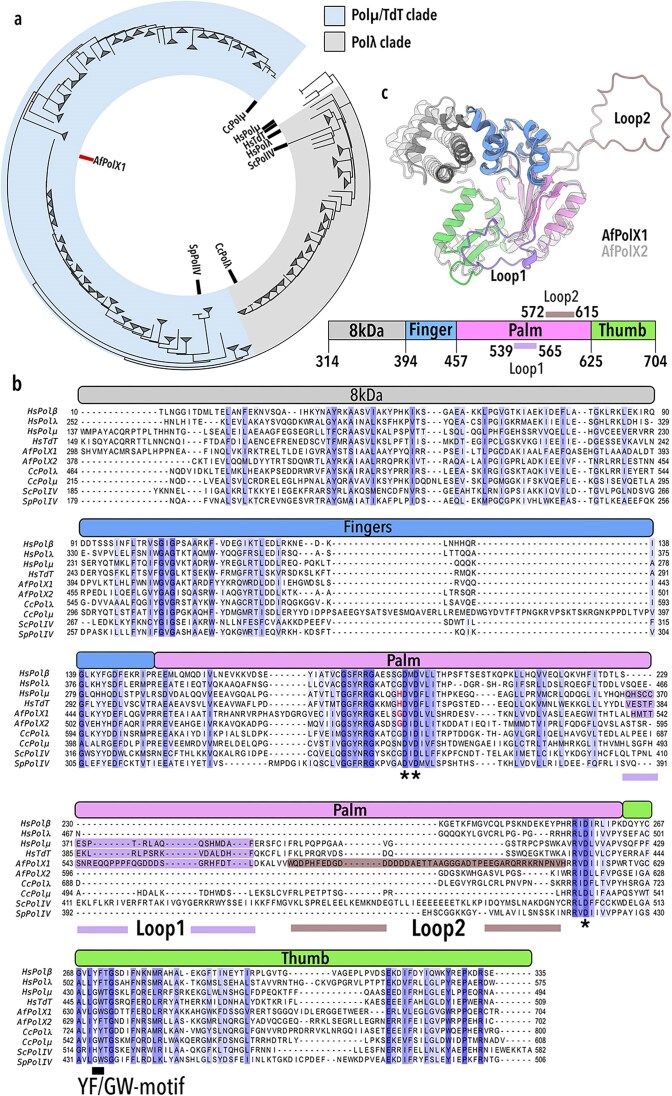 Figure 1
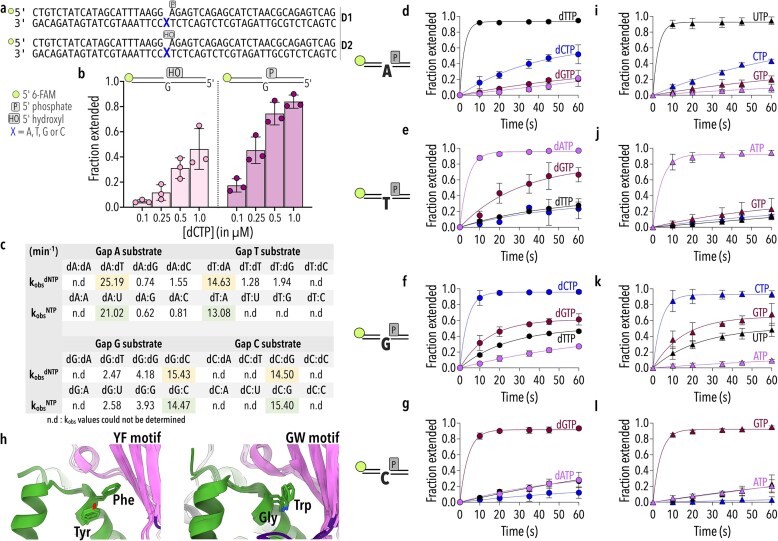 Figure 2
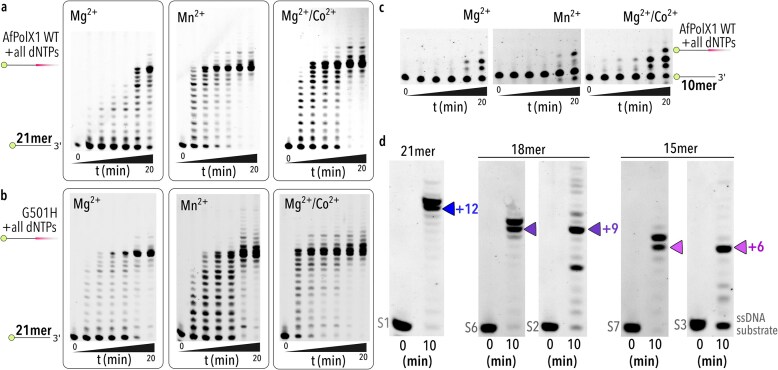 Figure 3
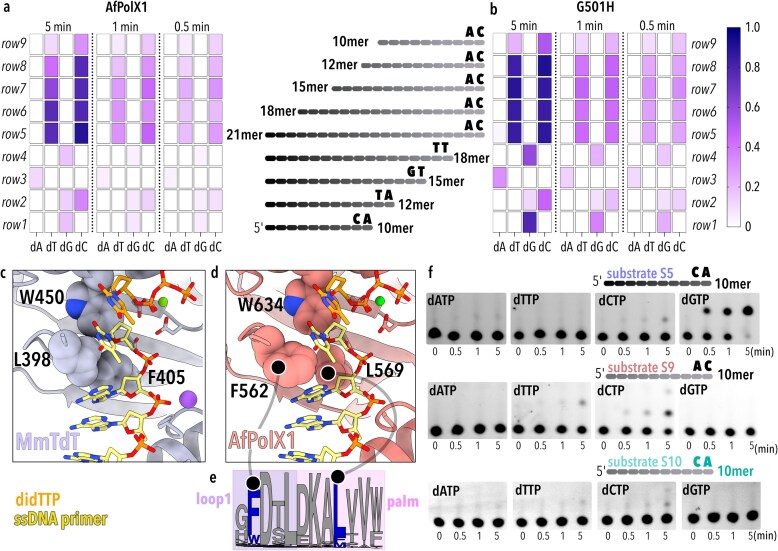 Figure 4
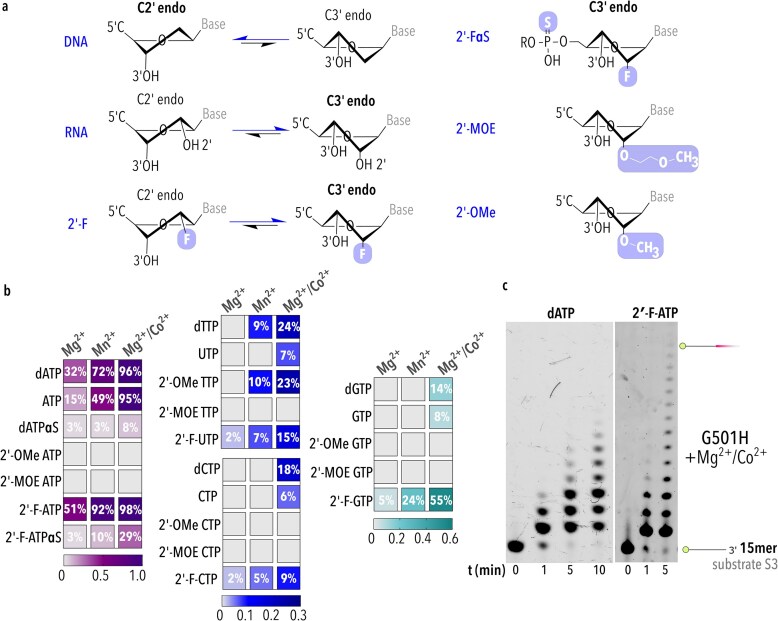 Figure 5
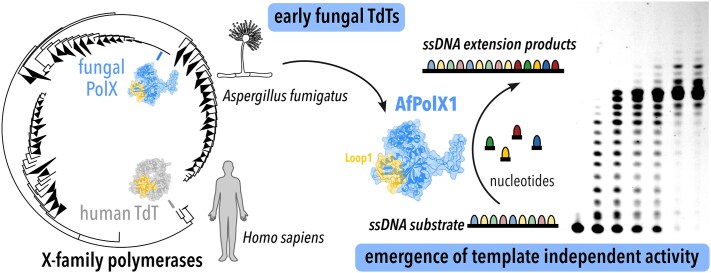 Figure 6
Peer Reviews
No public reviews on file for this paper yet. If you reviewed it on a platform where reviews are public (OpenReview, ICLR, NeurIPS, ICML), you can paste yours below so the community can read it here.
Videos
No videos yet. Explain this paper in a talk, walkthrough, or lecture? Add one.
Taxonomy
TopicsDNA Repair Mechanisms · Biochemical and Molecular Research · CRISPR and Genetic Engineering