Anti-Acne Potential of Quercus salicina Extract: Inhibition of Cutibacterium acnes Growth and Virulence
Suhyeon Hong, Sohae Park, Minkyoung Park, Jung Min Park, Dae Youn Hwang, Heeseob Lee, Jumin Park

TL;DR
This study shows that an extract from Quercus salicina can inhibit the growth and harmful effects of Cutibacterium acnes, a bacteria linked to acne.
Contribution
The study identifies active compounds in Quercus salicina extract that inhibit C. acnes virulence factors.
Findings
QsB-EE showed strong antimicrobial activity with a MIC of 125 μg/ml.
The E1 fraction significantly downregulated key virulence genes in C. acnes.
LC-MS/MS identified (+)-catechin as the major compound in the most effective E1 fraction.
Abstract
Acne vulgaris is a prevalent inflammatory skin disorder mediated by Cutibacterium acnes, a key etiological factor. In this study, the anti-acne properties of the ethyl acetate fraction of Quercus salicina Blume (QsB-EE) against C. acnes were investigated. The QsB-EE fraction was separated into subfractions (E1-E6) using preparative HPLC. Antimicrobial and anti-virulence activities were evaluated via bacterial growth, biofilm, and lipase activity assays. Virulence gene expression was assessed using qRT-PCR, and bioactive compounds were identified by LC-MS/MS. The QsB-EE demonstrated significant antimicrobial (MIC 125 μg/ml) and strong anti-virulence effects. The E1 fraction was the most potent, exhibiting the lowest MIC (16 μg/ml), highest biofilm inhibition (86.19% at 1,000 μg/ml), and highest lipase inhibition (93.72% at 10 μg/ml). In addition, mechanistic studies confirmed that E1…
Genes, proteins, chemicals, diseases, species, mutations and cell lines named across the full text — each resolved to its canonical identifier and authoritative record.
Click any figure to enlarge with its caption.
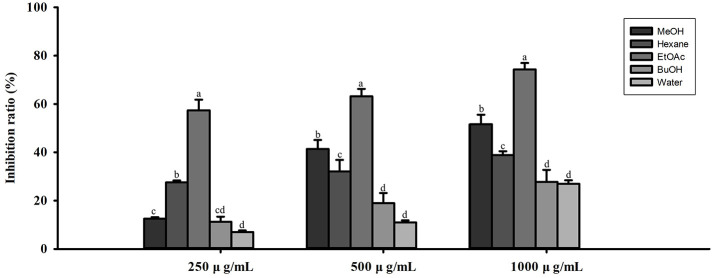 Figure 1
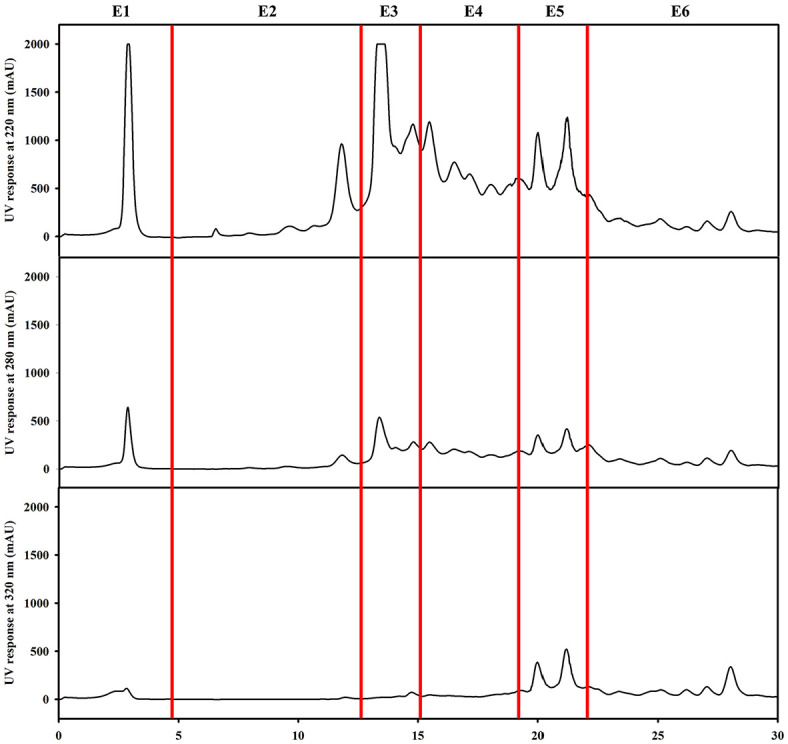 Figure 2
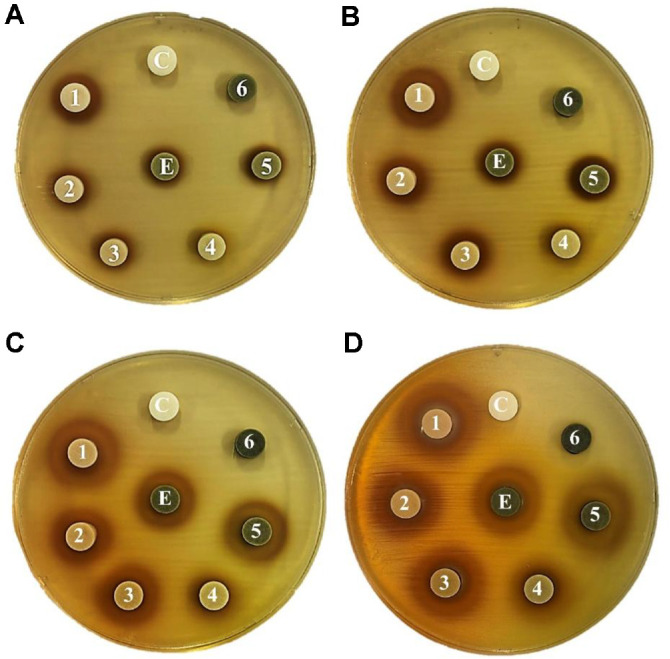 Figure 3
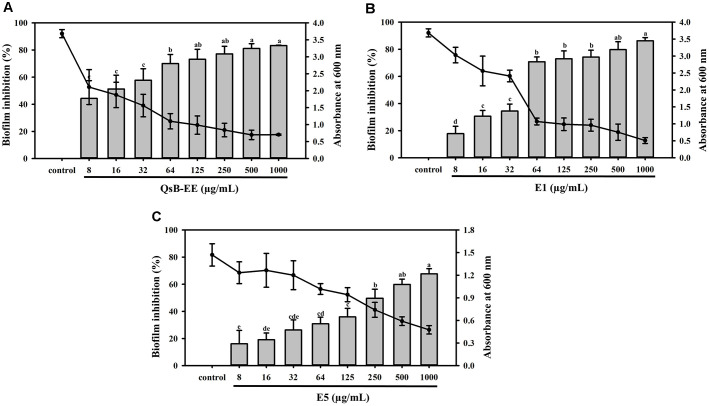 Figure 4
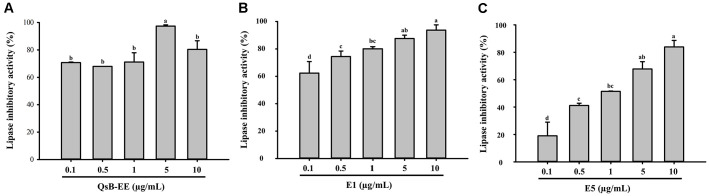 Figure 5
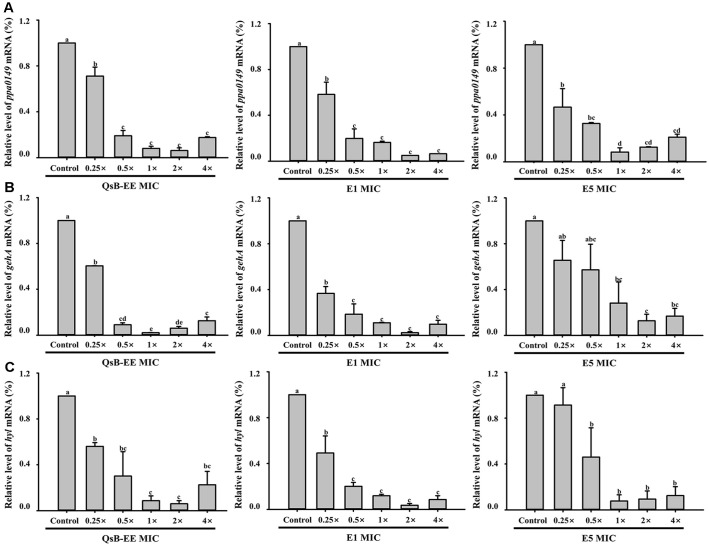 Figure 6
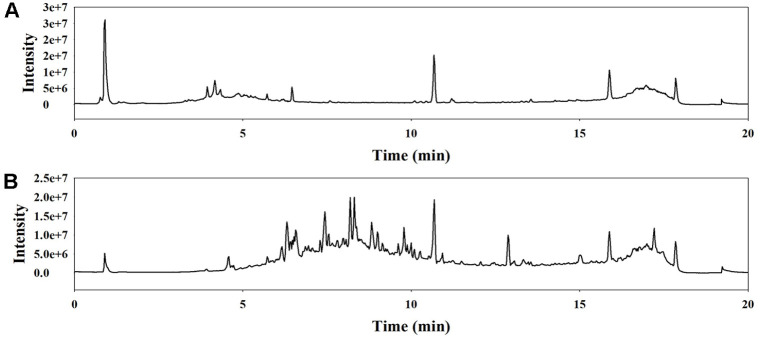 Figure 7
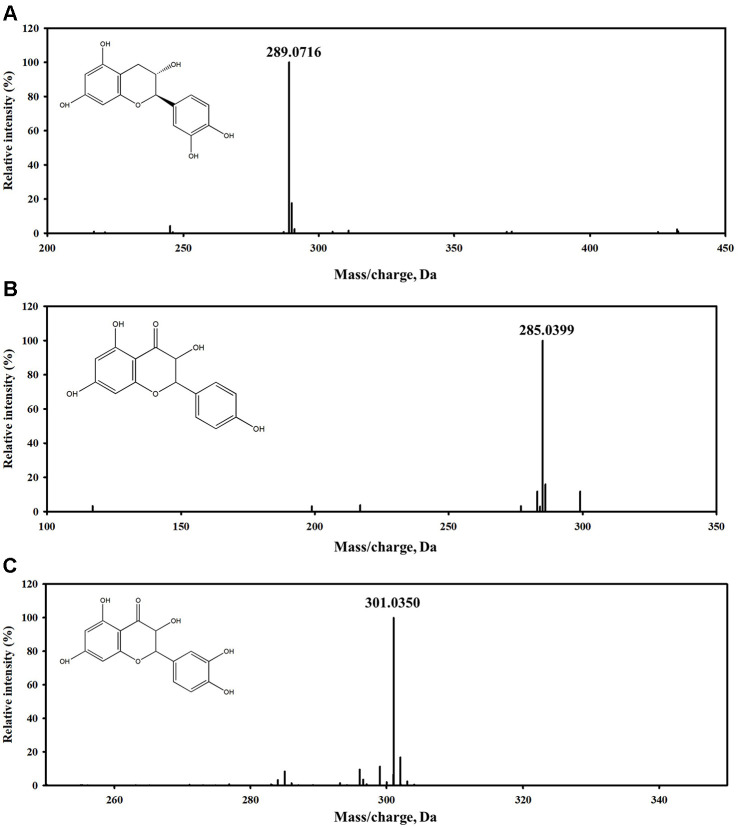 Figure 8
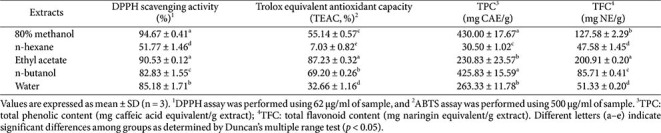 Figure 9
 Figure 10
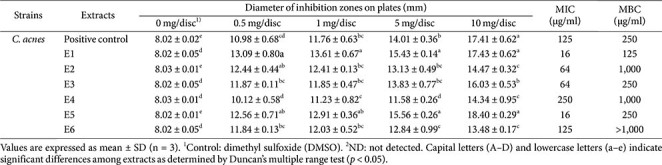 Figure 11
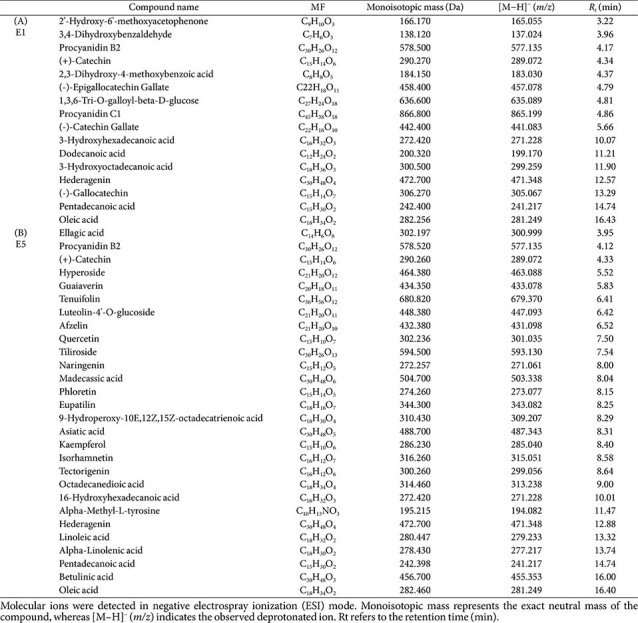 Figure 12
Peer Reviews
No public reviews on file for this paper yet. If you reviewed it on a platform where reviews are public (OpenReview, ICLR, NeurIPS, ICML), you can paste yours below so the community can read it here.
Videos
No videos yet. Explain this paper in a talk, walkthrough, or lecture? Add one.
Taxonomy
TopicsAcne and Rosacea Treatments and Effects · Dermatology and Skin Diseases · Biochemical Analysis and Sensing Techniques