Multi-omics analysis reveals that ALYREF-mediated m5C modification promotes platinum resistance in ovarian cancer via the NSUN2/ALYREF/LGR4 axis
Shimin Yang, Pengyuan He, Wei Wang, Xianming Xu, Xiaowei Xi, Yi Li

TL;DR
This study shows that a specific RNA modification helps ovarian cancer resist platinum drugs, and targeting this process could improve treatment outcomes.
Contribution
The study identifies a novel m5C-dependent regulatory axis involving ALYREF, NSUN2, and LGR4 that mediates platinum resistance in ovarian cancer.
Findings
ALYREF is a key regulator of platinum resistance in ovarian cancer.
ALYREF binds to m5C-modified LGR4 mRNA, enhancing its stability and activating Wnt/β-catenin signaling.
The NSUN2/ALYREF/LGR4 axis mediates platinum resistance through m5C-dependent mechanisms.
Abstract
Platinum resistance remains a major obstacle to effective treatment and improved prognosis in ovarian cancer. Although 5-methylcytosine (m5C) RNA modification has been implicated in chemoresistance, its precise functional role in ovarian cancer remains unclear. In this study, we integrated RNA-Seq and single-cell transcriptomic data from cisplatin-resistant ovarian cancer cell lines and patient samples, identifying the m5C reader protein ALYREF as a key regulator of platinum resistance. Functional studies using ALYREF and NSUN2 knockdown, overexpression, and mutant constructs—combined with multi-omics analyses (RNA-Seq, m5C-BIS-Seq, and RIP-Seq)—revealed that ALYREF binds to m5C-modified LGR4 mRNA, enhancing its stability and promoting activation of the Wnt/β-catenin signaling pathway. Critically, this regulatory mechanism is dependent on NSUN2-mediated m5C modification of LGR4 mRNA.…
Genes, proteins, chemicals, diseases, species, mutations and cell lines named across the full text — each resolved to its canonical identifier and authoritative record.
Click any figure to enlarge with its caption.
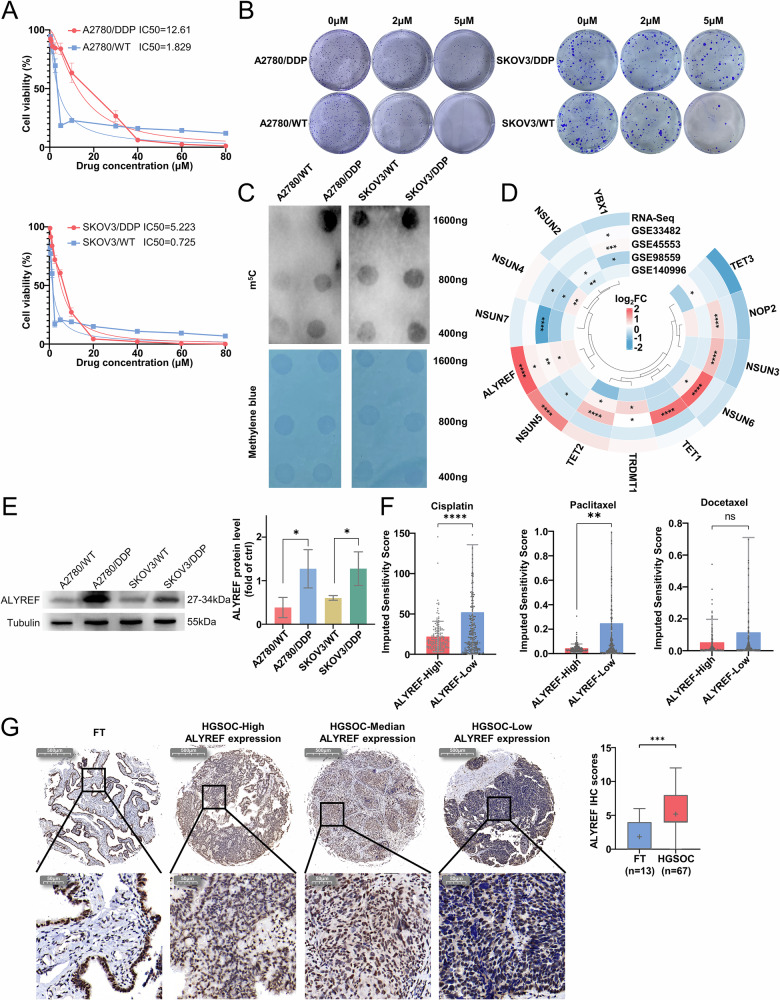 Figure 1
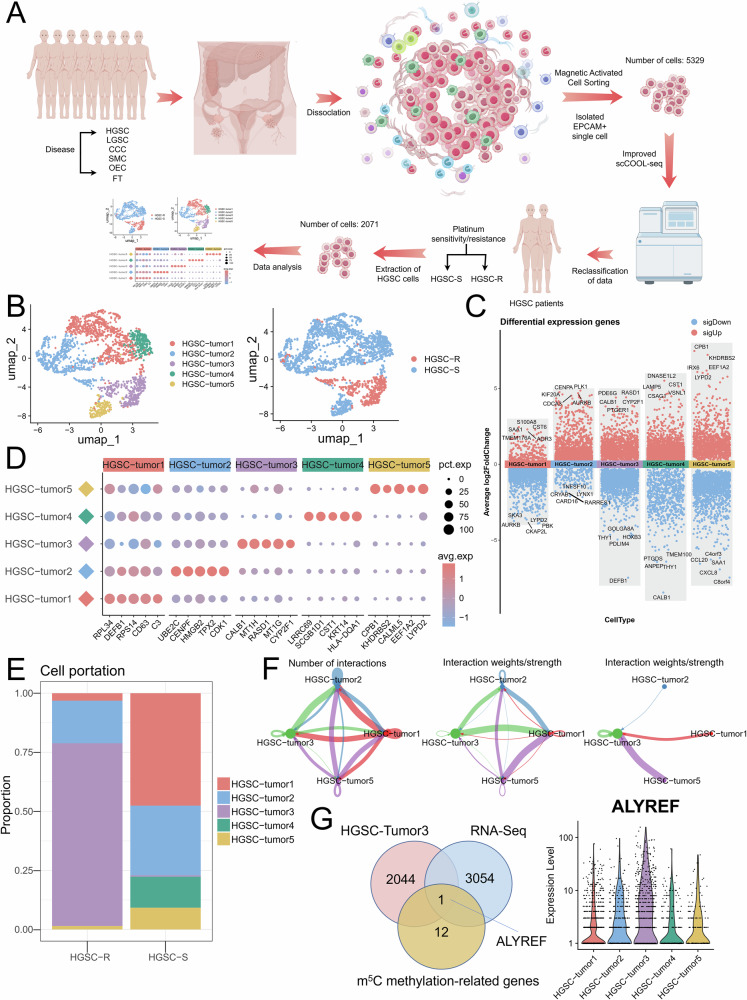 Figure 2
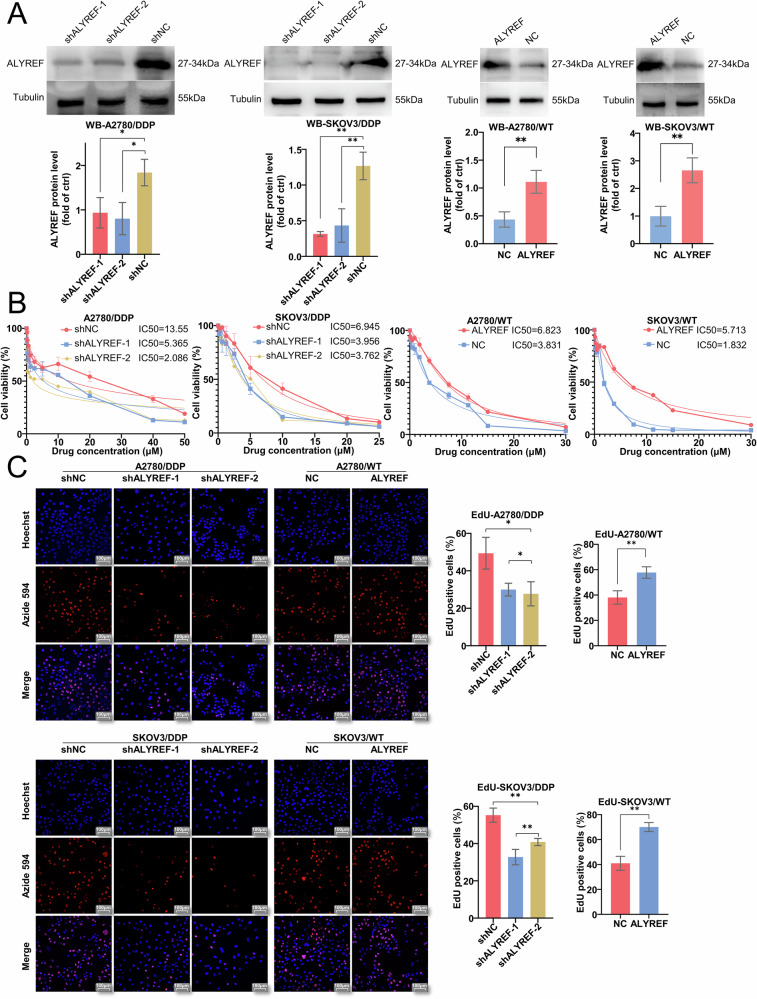 Figure 3
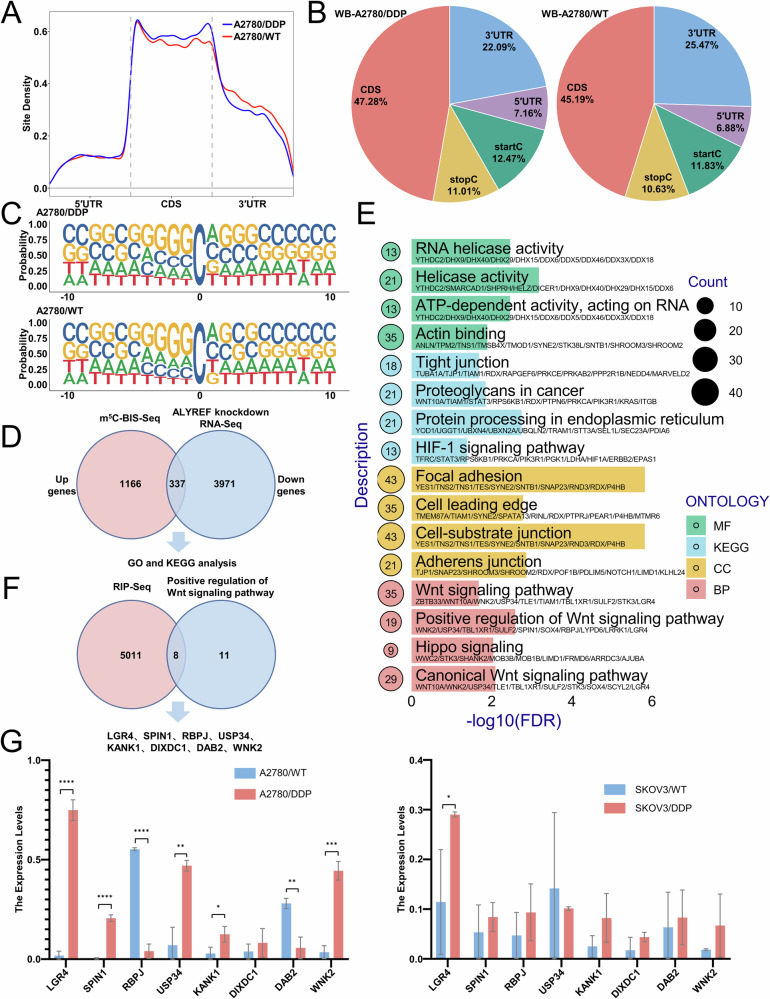 Figure 4
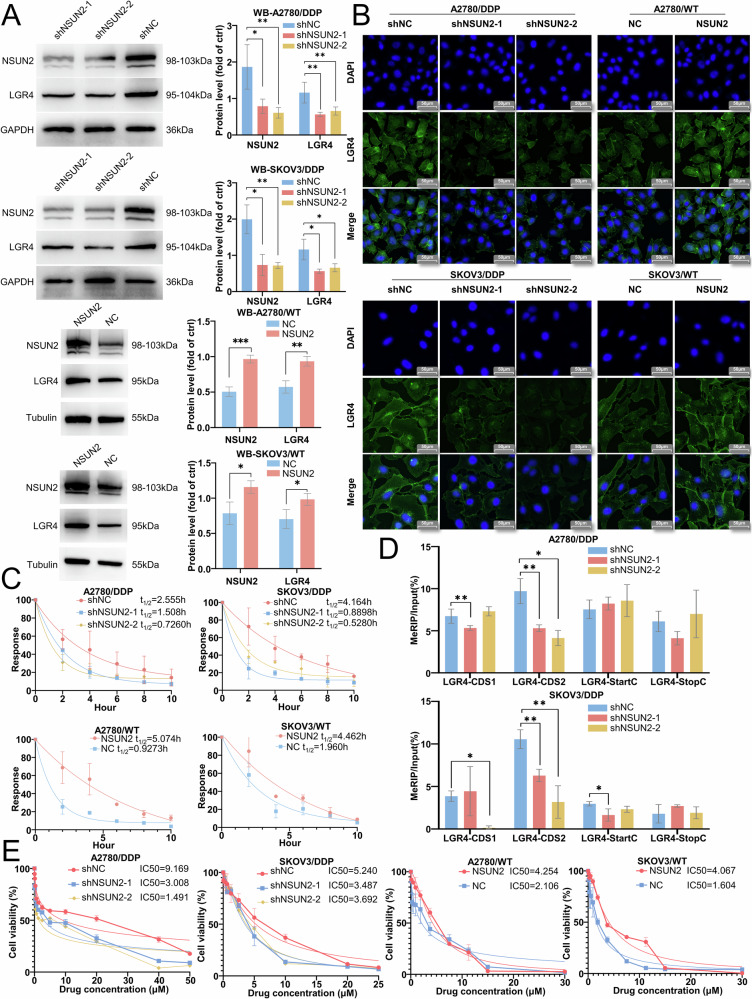 Figure 5
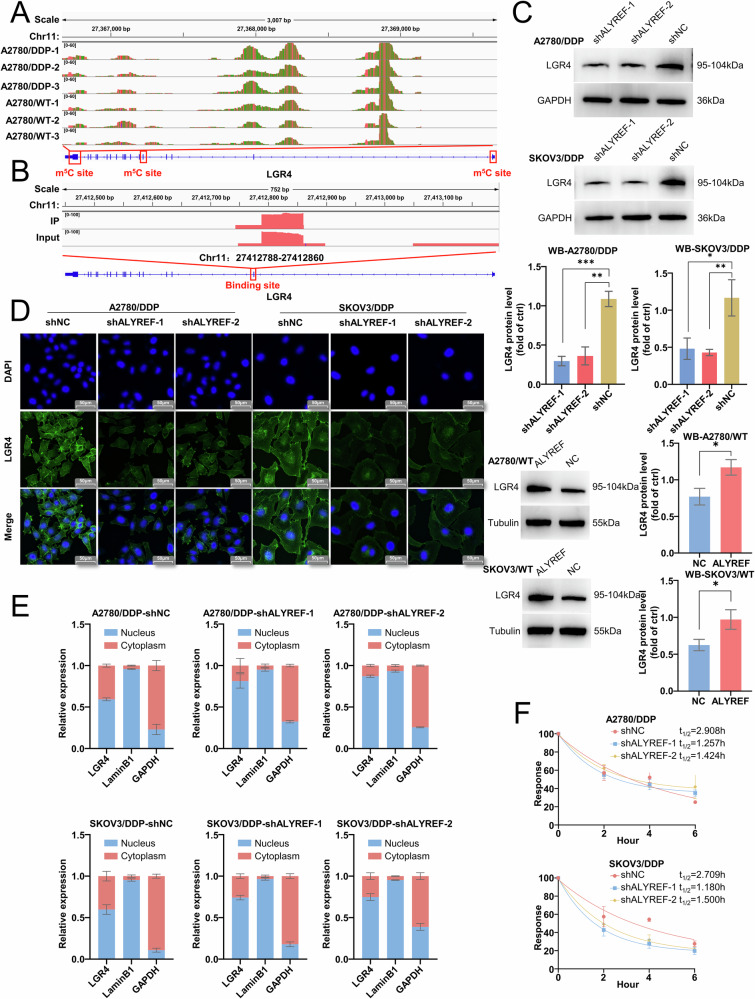 Figure 6
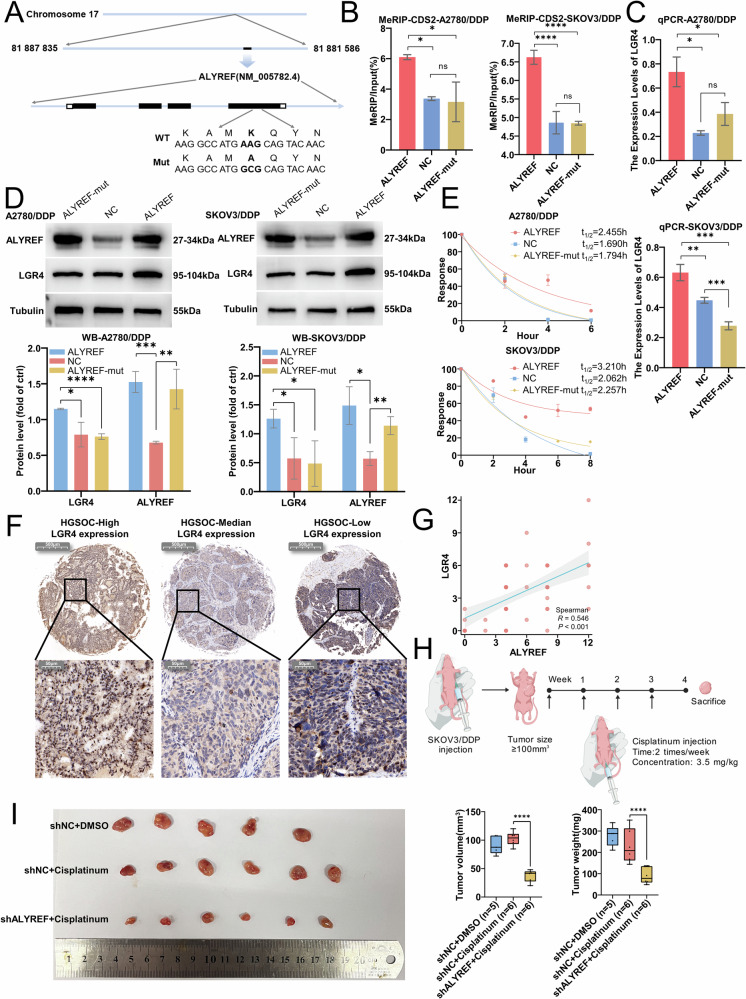 Figure 7
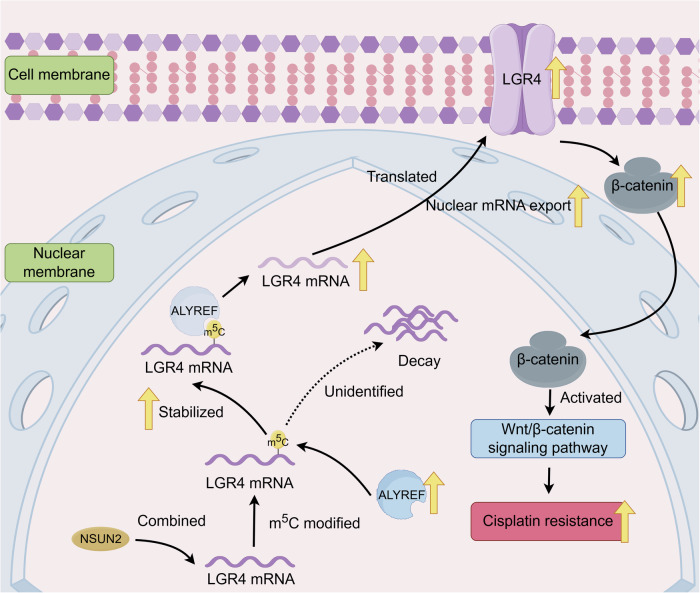 Figure 8
Peer Reviews
No public reviews on file for this paper yet. If you reviewed it on a platform where reviews are public (OpenReview, ICLR, NeurIPS, ICML), you can paste yours below so the community can read it here.
Videos
No videos yet. Explain this paper in a talk, walkthrough, or lecture? Add one.
Taxonomy
TopicsRNA modifications and cancer · RNA Research and Splicing · Cancer-related molecular mechanisms research