Structure-guided design of picomolar-level macrocyclic TRPC5 channel inhibitors with antidepressant activity
Tong Che, Yixiang Chen, Xinyu Cheng, Han Hu, Xiaoyun Wu, Yuting Zhang, Xiaoqiang Yang, Yinzhen Liu, Hui Liu, Weiwei Nan, Shuangyan Wan, Mingxing Yang, Bo Zeng, Jian Li, Jin Zhang, Bing Xiong

TL;DR
Scientists designed a powerful and selective inhibitor for the TRPC5 ion channel, which could lead to new treatments for depression and anxiety.
Contribution
The study introduces a macrocyclic TRPC5 inhibitor with picomolar potency and high selectivity, achieved through structure-guided design.
Findings
JDIC-127 inhibits TRPC5 with an IC50 of 374 pmol/L, 200 times more potent than HC-070.
The compound shows high selectivity by interacting with unique structural features of TRPC5.
Macrocyclization improves ligand conformational stability and selectivity in lipid-dominated binding sites.
Abstract
Recent advances in ion channel structural biology have enhanced structure-based drug design, yet lipid-occupied binding pockets—often large and flat—remain a major hurdle for developing selective small molecules. TRPC5, a brain-enriched channel regulating depression and anxiety, is a promising therapeutic target, but current preclinical candidates suffer from moderate off-target effects. To address this, we designed macrocyclic TRPC5 inhibitors using structure-guided macrocyclization, overcoming lipid-binding site challenges. Among these, JDIC-127 exhibited unprecedented potency with IC50 of 374 pmol/L—200-fold more potent than HC-070—and exceptional selectivity. Its specificity arises from interactions with unique structural features near the S5 and S6 helices of TRPC5, minimizing activity against related TRPC channels and other ion channels. This selective inhibition aligns with…
Genes, proteins, chemicals, diseases, species, mutations and cell lines named across the full text — each resolved to its canonical identifier and authoritative record.
Click any figure to enlarge with its caption.
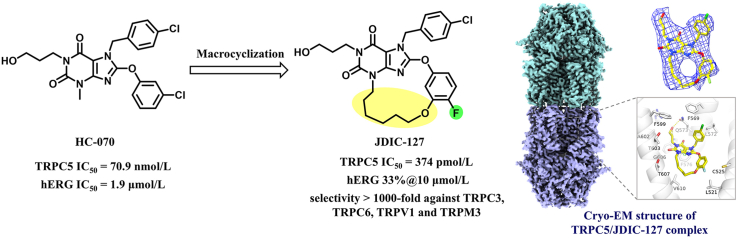 Figure 1
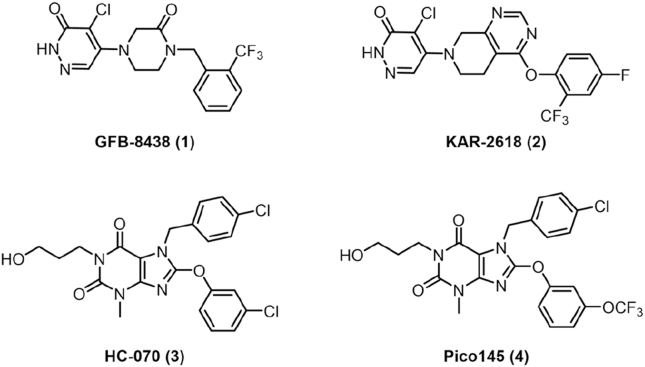 Figure 2
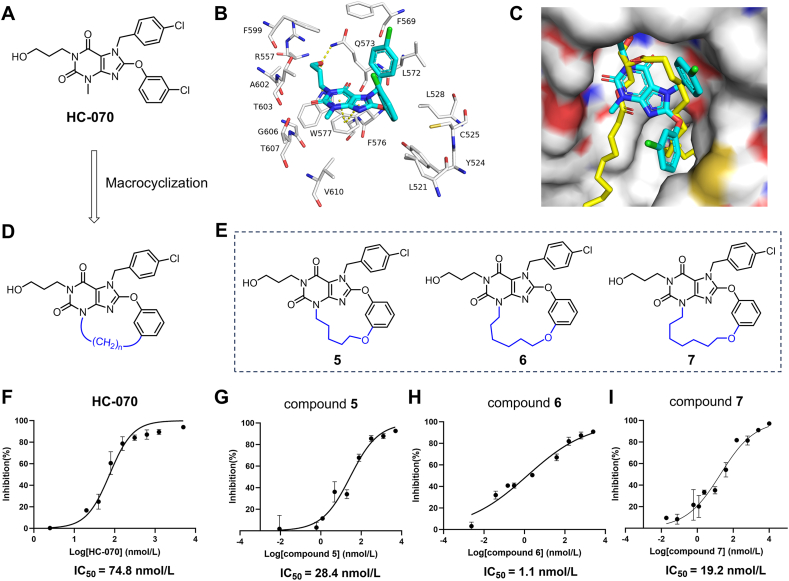 Figure 3
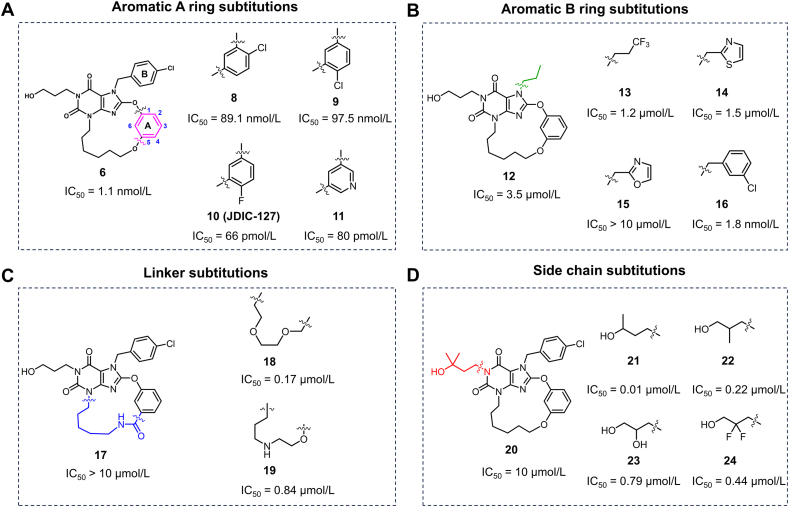 Figure 4
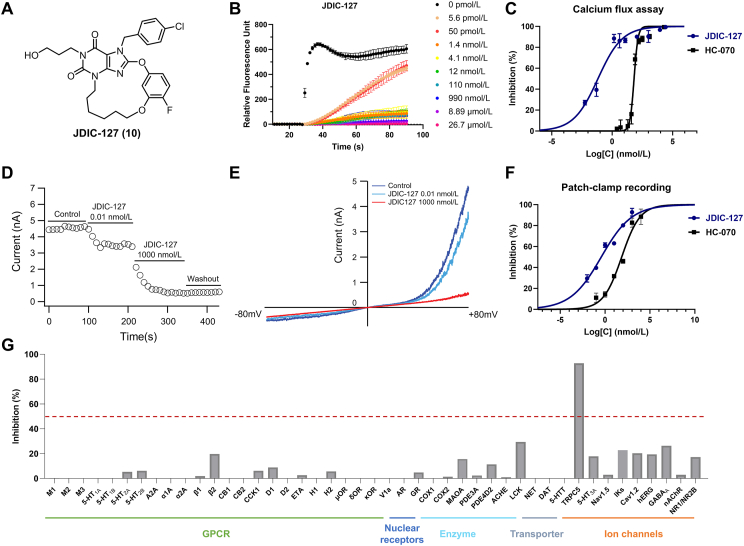 Figure 5
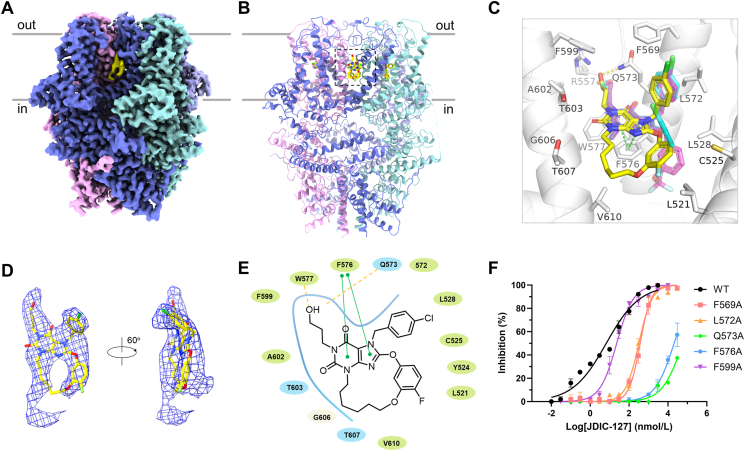 Figure 6
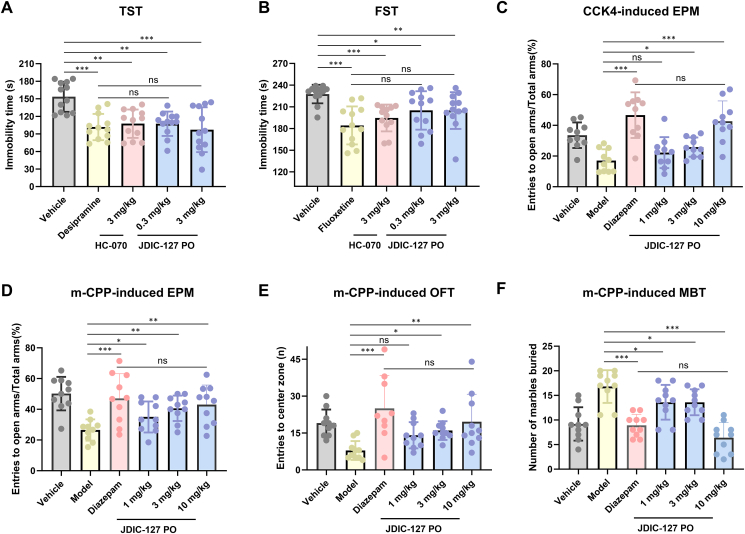 Figure 7
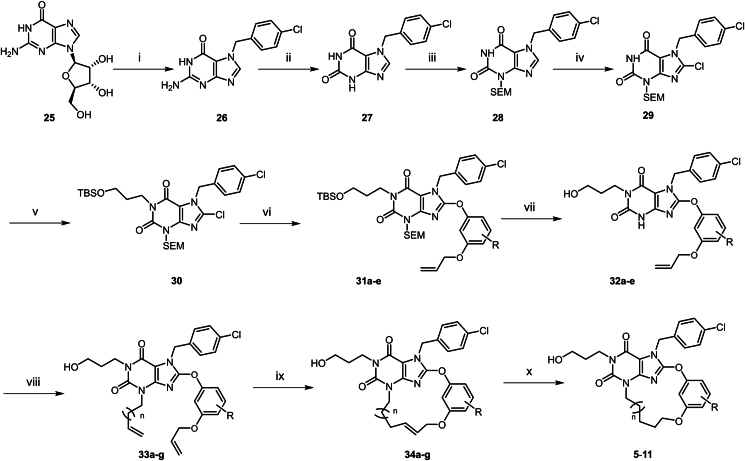 Figure 8
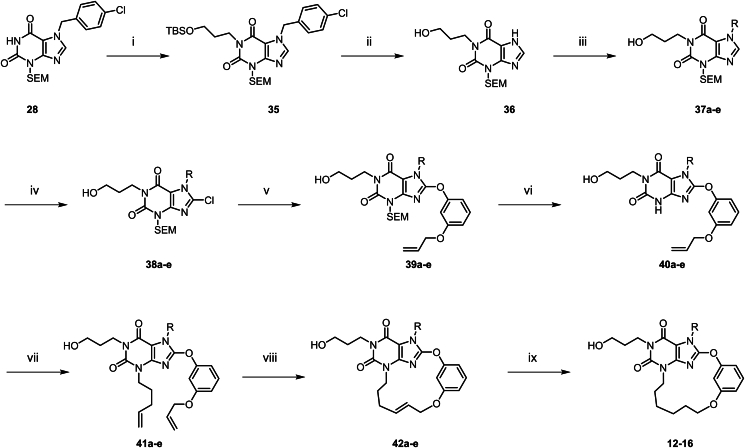 Figure 9
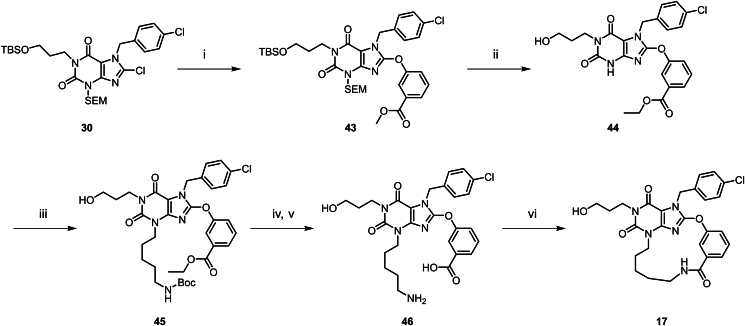 Figure 10
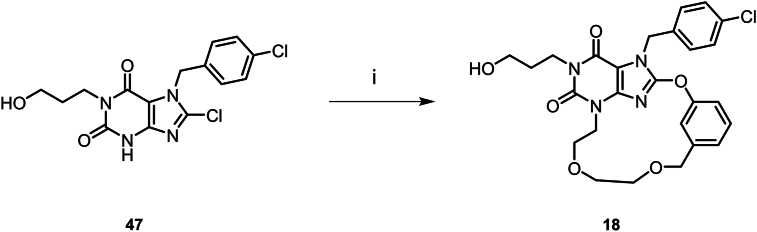 Figure 11
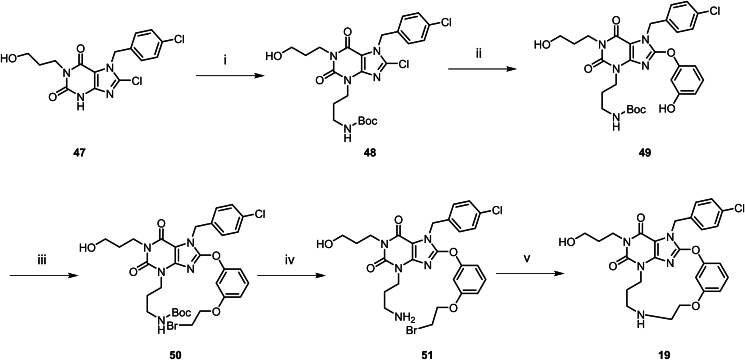 Figure 12
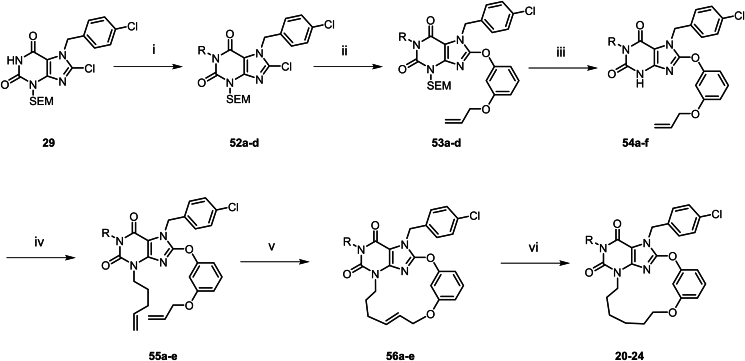 Figure 13
Peer Reviews
No public reviews on file for this paper yet. If you reviewed it on a platform where reviews are public (OpenReview, ICLR, NeurIPS, ICML), you can paste yours below so the community can read it here.
Videos
No videos yet. Explain this paper in a talk, walkthrough, or lecture? Add one.
Taxonomy
TopicsIon Channels and Receptors · Ion channel regulation and function · Nicotinic Acetylcholine Receptors Study