Biological Matrix‐Assisted Apexification: A Case Report Using PRF and MTA in Immature Necrotic Teeth
Shwetana Kurundkar, Adityasingh Patel, Manoj Chandak, Savadamoorthi Kamatchi Subramani, Bernice Thomas, Anuja Ikhar, Pratik Rathod, Apurva Wamane, Priyanka Bhojwani, Apurva Deshpande

TL;DR
This case report describes a new method using PRF and MTA to treat nonvital immature teeth by creating an apical barrier more effectively than traditional methods.
Contribution
The novel use of PRF as a biological matrix combined with MTA for apexification in immature necrotic teeth is presented.
Findings
PRF and MTA together provided a more predictable apical barrier formation.
A multivisit approach was necessary due to persistent exudate for proper disinfection.
The method showed potential for faster and more effective treatment outcomes.
Abstract
It is challenging to treat an infected nonvital young permanent tooth endodontically because there is a lack of natural apical constriction. In order for the obturating material to be condensed, an apical barrier must be induced. Calcium hydroxide has historically been used to induce apexification. However, due to prolonged treatment time, multiple visits, and unpredictability in barrier formation, newer bioactive materials such as mineral trioxide aggregate (MTA) have been introduced for faster and more predictable outcomes. This case report presents the use of platelet‐rich fibrin (PRF) as a biological internal matrix in conjunction with MTA for apexification of immature necrotic teeth. Although a single‐visit procedure was initially planned, the presence of persistent exudate necessitated a multivisit approach to ensure thorough disinfection before final obturation.
Genes, proteins, chemicals, diseases, species, mutations and cell lines named across the full text — each resolved to its canonical identifier and authoritative record.
Click any figure to enlarge with its caption.
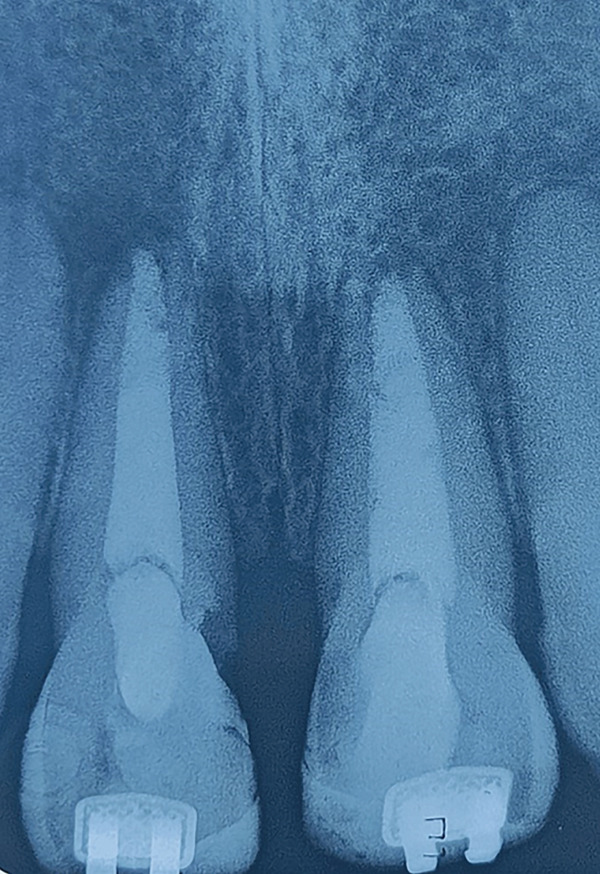 Figure 1
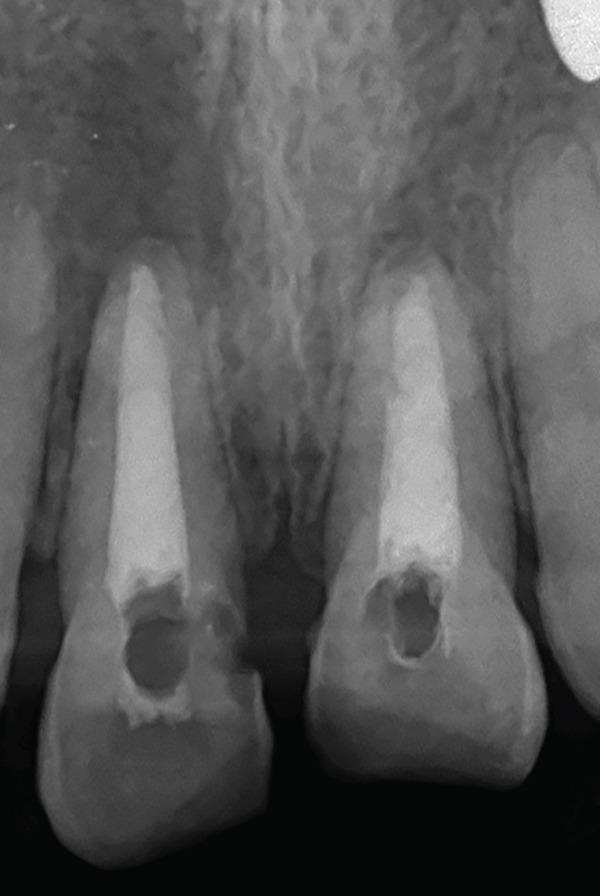 Figure 2
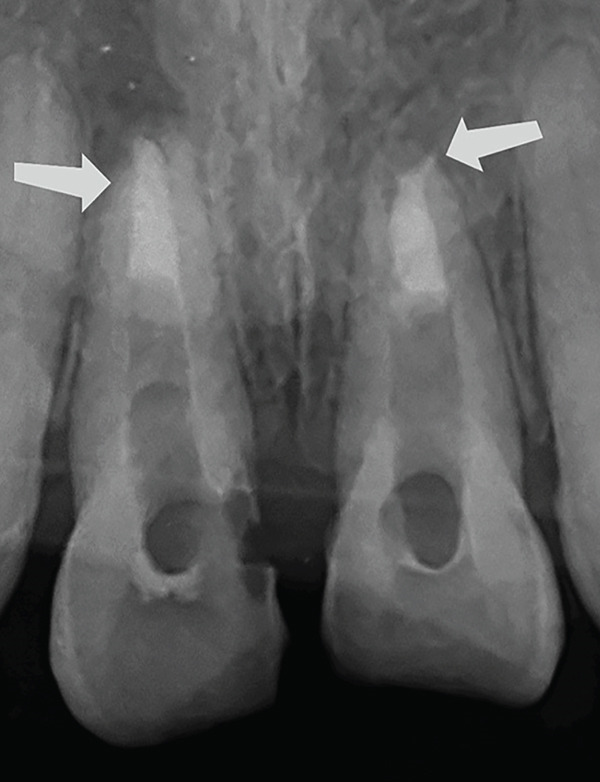 Figure 3
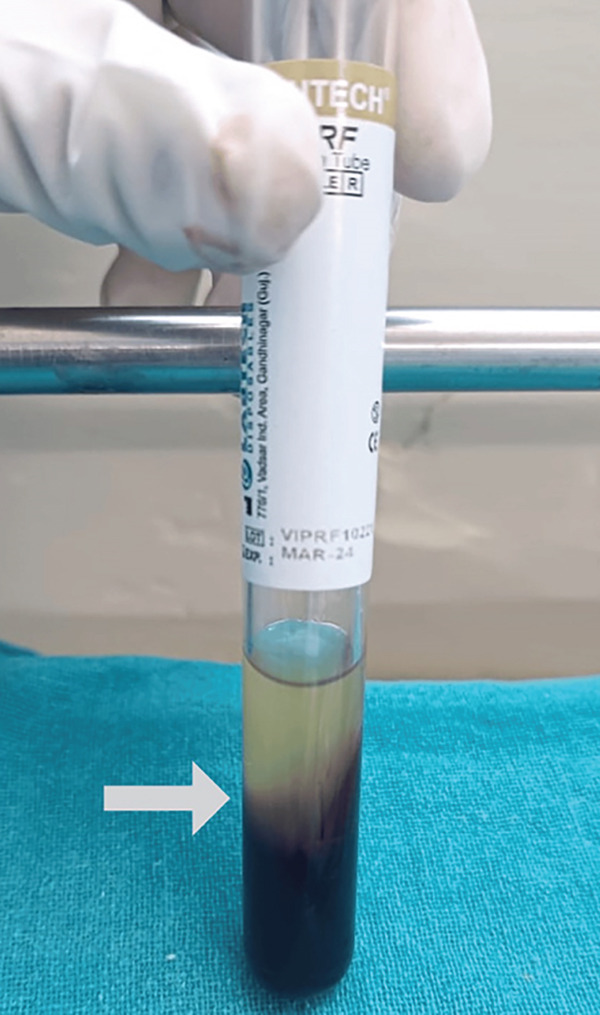 Figure 4
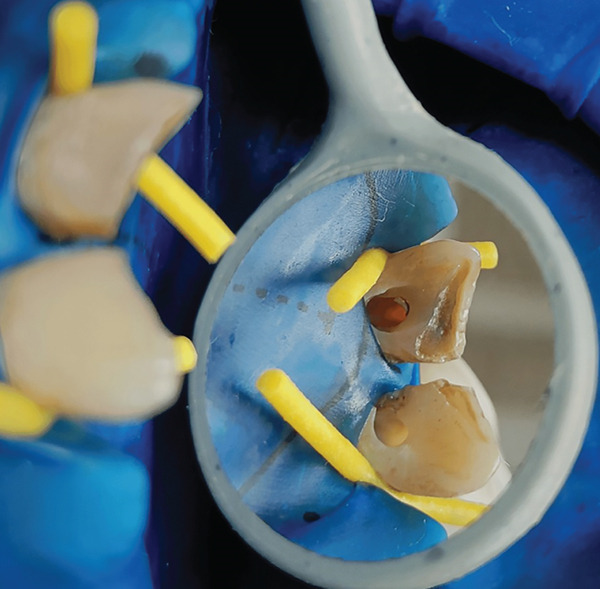 Figure 5
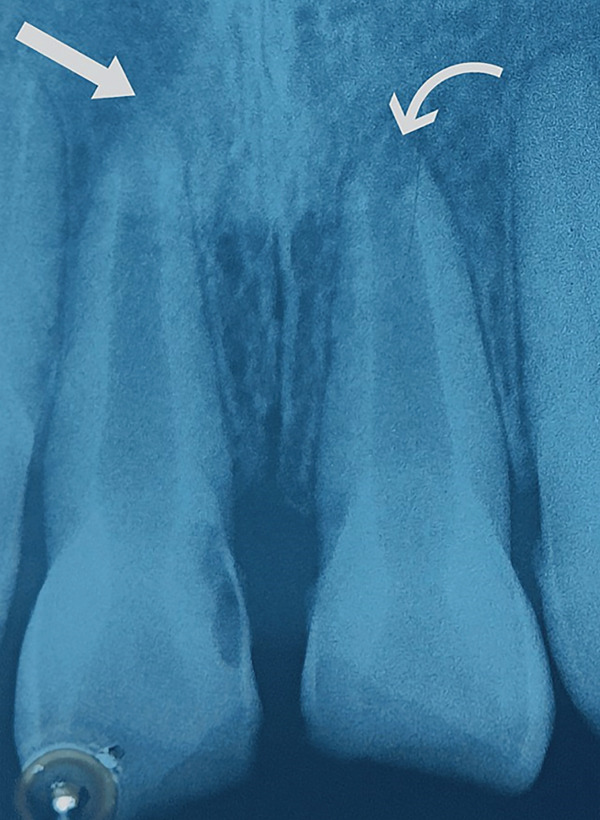 Figure 6
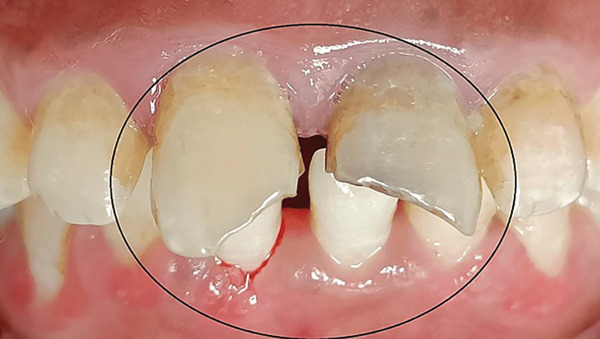 Figure 7
Peer Reviews
No public reviews on file for this paper yet. If you reviewed it on a platform where reviews are public (OpenReview, ICLR, NeurIPS, ICML), you can paste yours below so the community can read it here.
Videos
No videos yet. Explain this paper in a talk, walkthrough, or lecture? Add one.
Taxonomy
TopicsEndodontics and Root Canal Treatments · Dental Trauma and Treatments · Dental materials and restorations