The Inverted U: Exploring the Interconnectedness of Movement and Cognitive Function Across the Lifespan
Gerry Leisman, Rahela Alfasi, Oded Meiron, Amedeo D'Angiulli

TL;DR
The paper explores how physical activity and cognitive function are linked across a lifetime, showing that moderate activity maximizes cognitive benefits.
Contribution
The paper introduces the 'inverted U' model to explain how physical activity affects cognitive function optimally at moderate levels across the lifespan.
Findings
Maternal physical activity positively influences fetal brain development.
Moderate physical activity in adulthood preserves cognitive function and reduces neurodegenerative disease risk.
Regular activity in older adults slows cognitive decline and improves quality of life.
Abstract
The “inverted U” relationship between movement and cognition throughout the human lifespan highlights the intricate interplay between physical activity and cognitive function. This relationship posits that an optimal level of physical activity maximizes cognitive function, while insufficient activity can lead to suboptimal cognitive outcomes. This phenomenon is observed from fetal development to old age, emphasizing the importance of maintaining a balance in physical activity for overall well‐being. During fetal development, maternal physical activity positively influences fetal brain growth, laying the foundation for future cognitive and physical functioning. As the child develops, regular physical activity supports improvements in key cognitive functions such as attention, memory, and executive function abilities essential for learning and academic success. In adulthood, maintaining…
Genes, proteins, chemicals, diseases, species, mutations and cell lines named across the full text — each resolved to its canonical identifier and authoritative record.
Click any figure to enlarge with its caption.
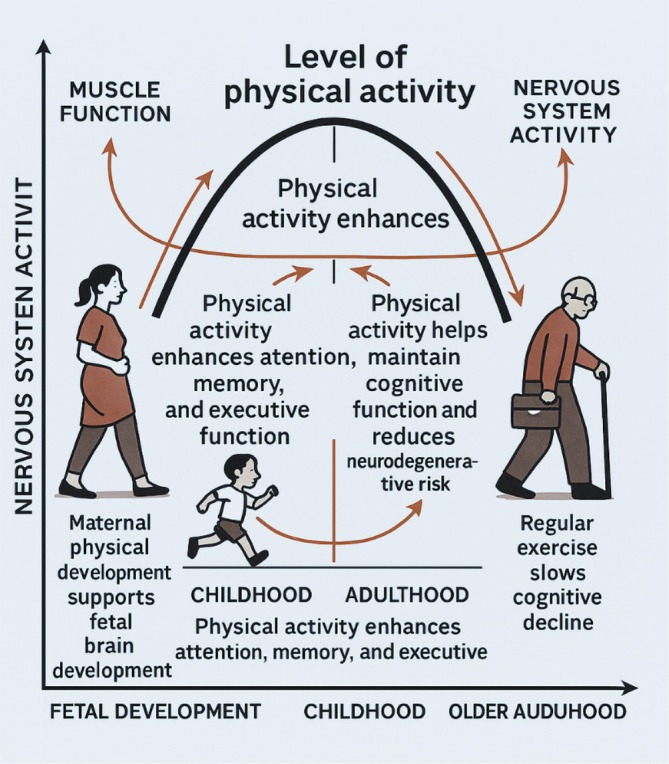 Figure 1
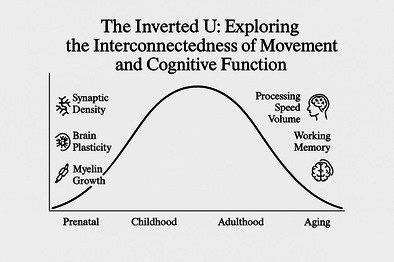 Figure 2
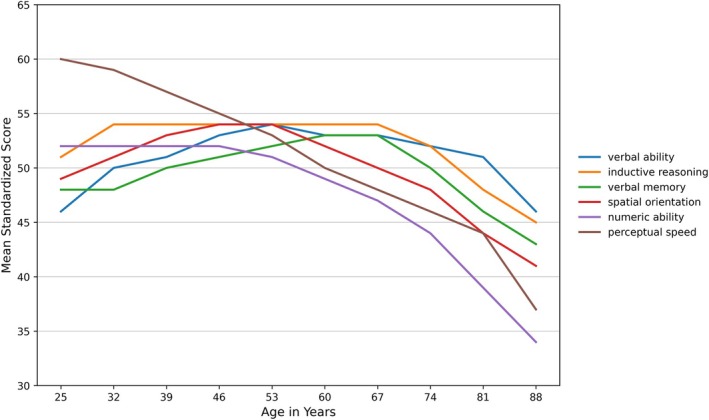 Figure 3
 Figure 4
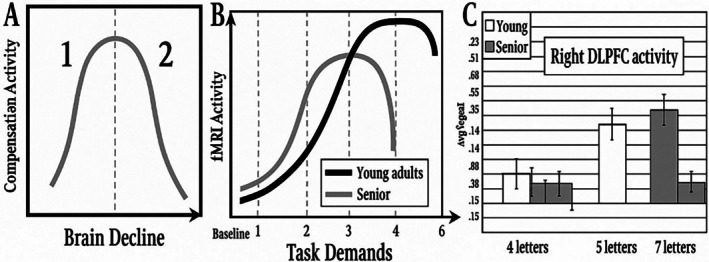 Figure 5
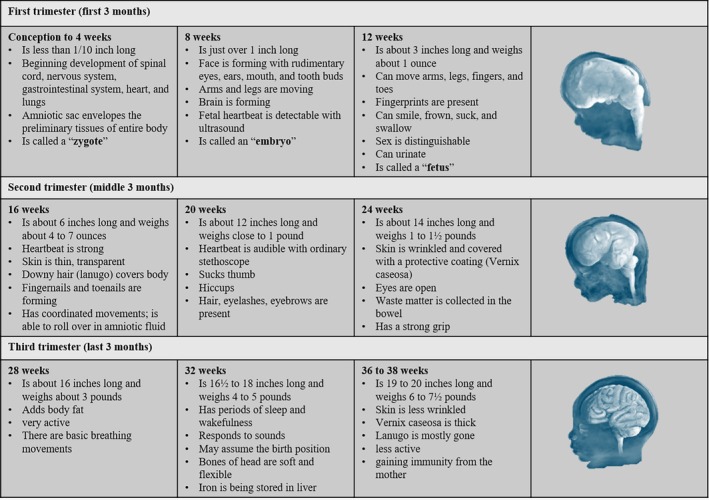 Figure 6
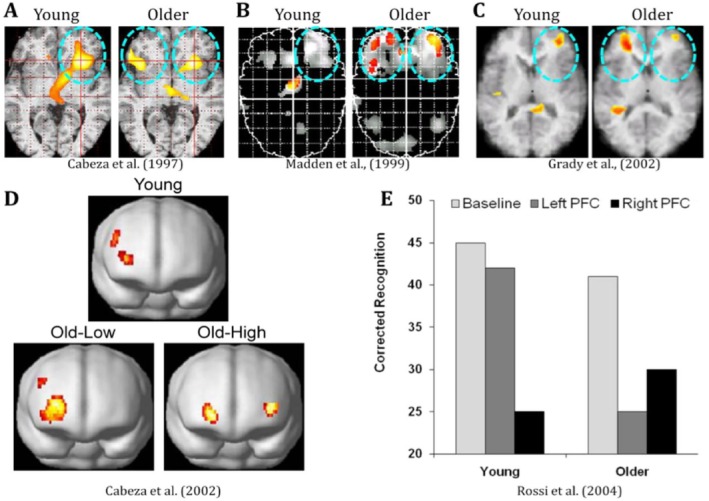 Figure 7
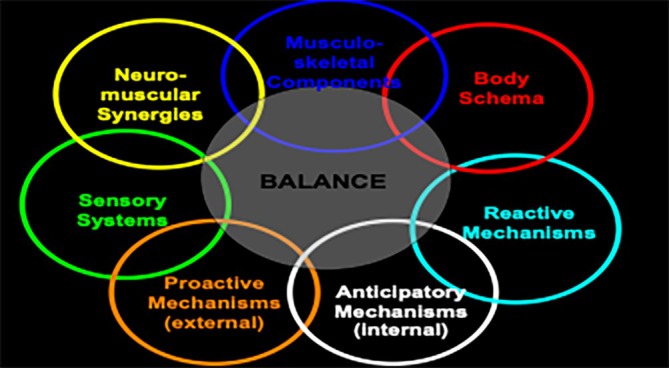 Figure 8
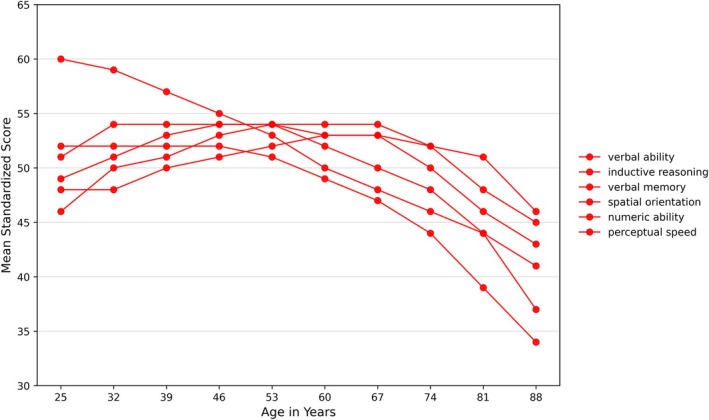 Figure 9
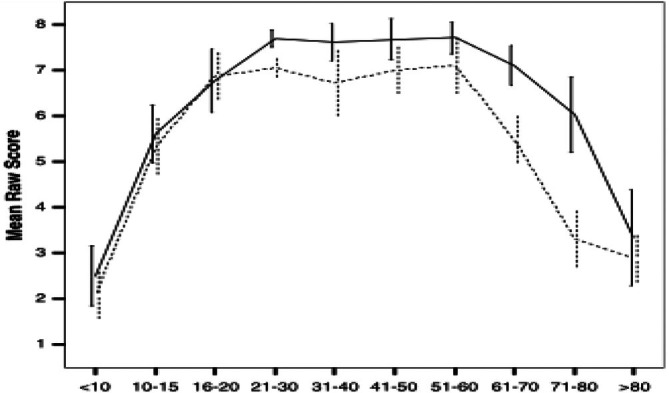 Figure 10
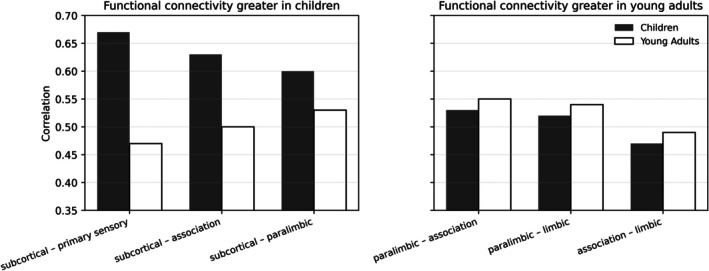 Figure 11
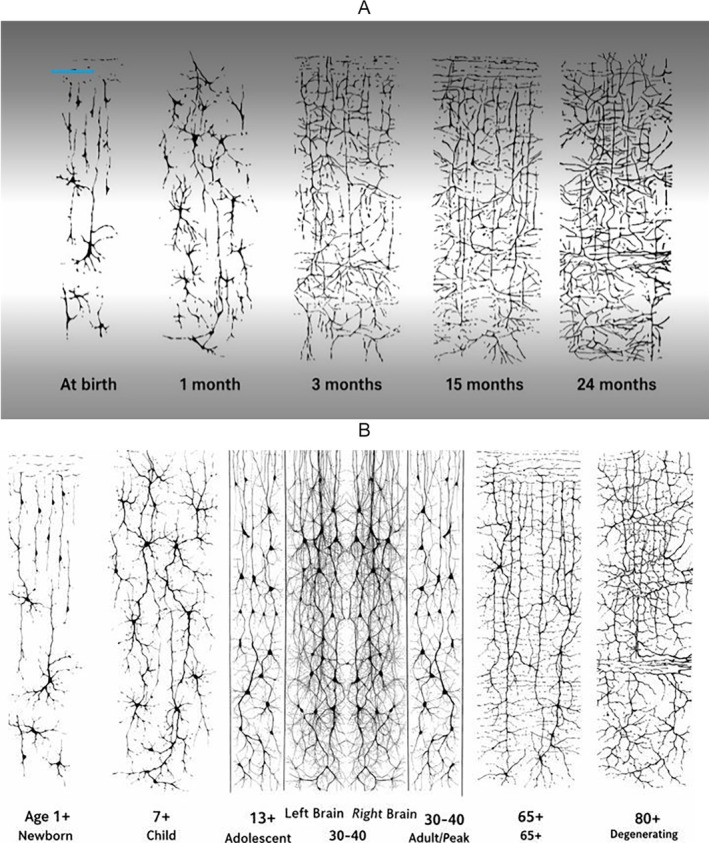 Figure 12
 Figure 13
 Figure 14
Peer Reviews
No public reviews on file for this paper yet. If you reviewed it on a platform where reviews are public (OpenReview, ICLR, NeurIPS, ICML), you can paste yours below so the community can read it here.
Videos
No videos yet. Explain this paper in a talk, walkthrough, or lecture? Add one.
Taxonomy
TopicsInfant Development and Preterm Care · Children's Physical and Motor Development · Autism Spectrum Disorder Research